


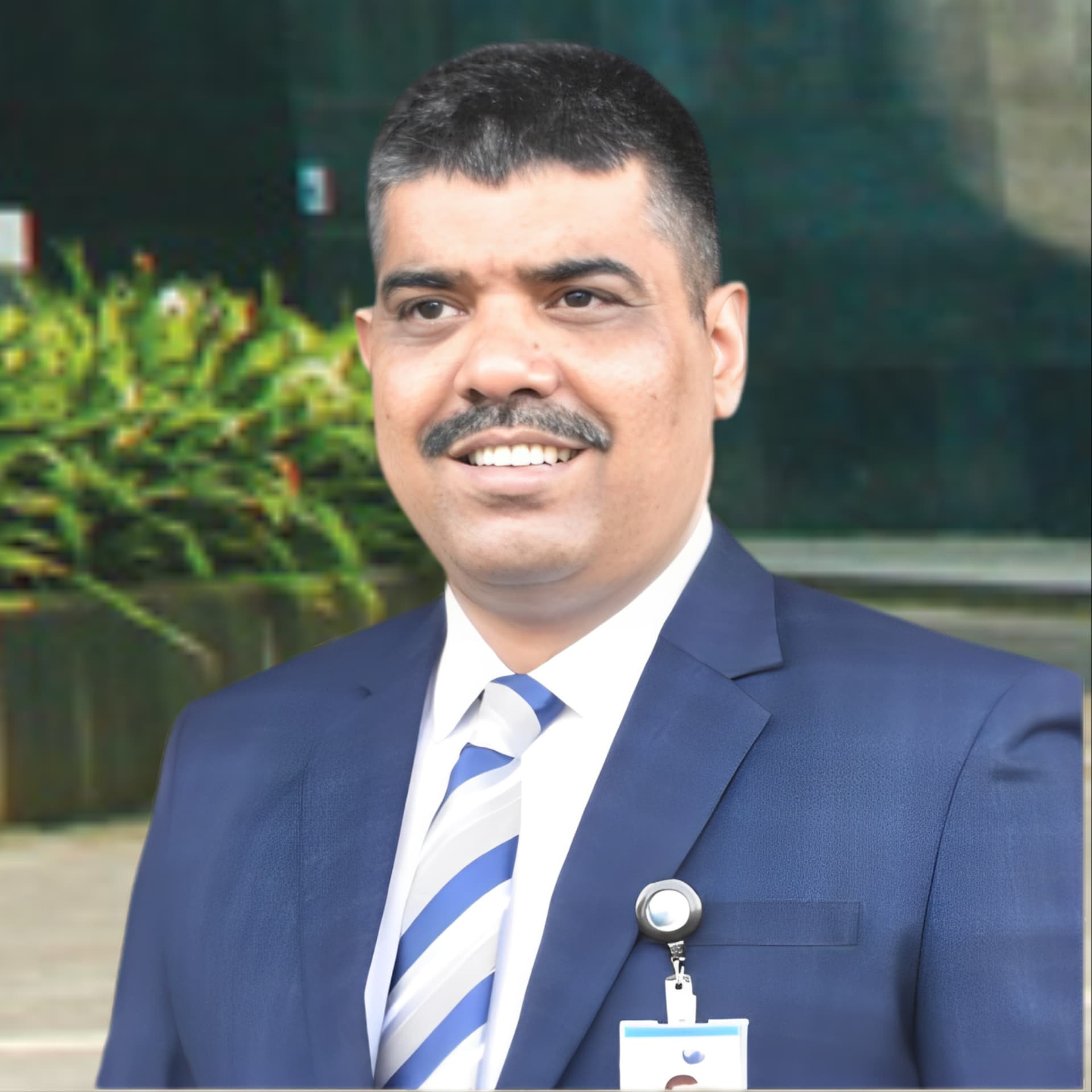
Mr. Ikuo Umeda
Executive Director

India’s CCTV sector is undergoing a structural shift. With regulatory frameworks tightening and compliance becoming the core of procurement, the market is transitioning from cost-driven purchasing to trust-driven infrastructure development. In this conversation, Mr. Ikuo Umeda, Director of CBC Corporation India, explains how Japanese engineering discipline and India-specific product design converge to position CBC at the forefront of this new era of governed surveillance technology.
STQC certification became mandatory in April 2025. What does this change mean for the surveillance industry?
Umeda: The mandate has effectively transformed surveillance into governed infrastructure. Until April, CCTV procurement largely followed a commodity mindset lower cost, higher margins. Now, only STQC-certified cameras can be manufactured or deployed in India.
This shift directly strengthens India’s security ecosystem. STQC certification validates secure firmware architecture, encrypted video transmission, audit logging, and transparent supply chain practices. Government agencies require these certifications. Large enterprises depend on them for audit compliance. System integrators specify them early in the design phase.
The result is clear market stratification: certified vendors can compete across all segments, while non-certified players exit. Because CBC embedded compliance into our engineering long before this mandate, the transition has been a strategic advantage for us.
How does CBC approach STQC compliance differently from other vendors?
Umeda: For us, compliance is a design principle, not a retrofit exercise. The ER-01 Cybersecurity Standard mandates encrypted streams, digitally signed firmware, robust access controls, and tamper-resistant hardware.
We built Ganz cameras to meet these requirements from the ground up.
Firmware architecture that prevents unauthorized access
Default-on storage encryption
Full supply-chain traceability down to the component level
This approach reflects core Japanese manufacturing values: quality embedded at every stage, adapted precisely to the needs of the market we serve.
What does “curated for India” mean in practice?
Umeda: It means engineering for India’s operational realities, not simply selling global products here.
India has unique environmental, operational, and regulatory constraints:
Coastal humidity challenges hardware longevity
Dense urban deployments require sustained high-frame-rate performance
Remote industrial sites demand extreme reliability over feature volume
Government projects mandate interoperability with approved VMS platforms and compliance with IS 13252 safety standards
Our product design reflects these requirements end-to-end.
With STQC driving consolidation, where does CBC position itself?
Umeda: Consolidation creates a market where only vendors with engineering depth, certification capability, and disciplined supply chains can operate sustainably.
CBC competes on compliance rigor, product reliability, and alignment with government procurement logic. Critical infrastructure tenders now specify STQC-certified systems. Enterprises align surveillance with risk frameworks that demand certified technology. System integrators recommend certified solutions to avoid audit exposure and deployment delays.
In this environment, compliance capability becomes competitive advantage. CBC holds that position because Japanese engineering culture internalized these practices decades before India formalized them.
What role does Ganz play in CBC’s India strategy?
Umeda: Ganz is our technology core. It has been engineered and deployed across North America, Europe, and Asia-Pacific, giving us deep experience with diverse regulatory environments. CBC brings that technology to India in a way that is fully aligned with Indian compliance and operational needs.
Key elements include:
Ganz cameras meeting STQC Level 2 IoT System Certification requirements
Secure firmware, encrypted streams, and audit logging
Protection against unauthorized access
Ganz CORTROL VMS integrated with government-approved platforms under the IoTSCS framework
This is not a foreign product “adjusted” for India. It is Japanese technology intentionally curated for India’s regulatory structure, operational conditions, and security priorities.
What is the significance of Ganz being “powered by CBC” manufactured in India for the Indian market?
Umeda: Local manufacturing creates strategic advantages: reduced supply-chain risk, complete component traceability, faster service response, and stronger national capability in critical surveillance infrastructure.
It also ensures price accessibility without compromising engineering quality. We do not treat India as a low-cost assembly hub. We treat it as a sovereign market that requires locally built, STQC-certified infrastructure for national security and industrial modernization.
How does CBC view the role of surveillance in India’s industrial modernization?
Umeda: As India’s infrastructure sectors digitize utilities, transport, manufacturing, industrial facilities trusted data sources become fundamental. Surveillance is one of these critical data layers.
A certified Ganz camera is not just a security device. It becomes a governed data input into analytics, audits, incident response, and cybersecurity systems. It produces tamper-proof evidence, integrates with OT/IT architectures, and operates within encrypted, auditable environments.
When surveillance shifts from an accessory to an infrastructure asset, compliance is no longer optional. It is operationally essential.
What are CBC’s priorities for market development?
Umeda: We are focused on three pillars:
Expanding STQC certification across the full Ganz portfolio, covering every major use case.
Building strong technical support infrastructure in India, ensuring responsive, localized, knowledgeable engagement.
Deepening partnerships with system integrators and PSU consultants, who shape procurement decisions during project design. Their alignment positions Ganz as the default specified solution and builds long-term institutional relationships.

Executive Director

Mr. Jiten Mahapatra, Vice President, ZKTeco Biometrics India Pvt. Ltd.

Nikesh Shah, Founder and Director of Ortus Automation Pvt. Ltd.
Samir Kumar Jha, General Mamger – Security & Fire Safety, Bharat Diamond Bourse, BKC, Mumbai