


India rewrote the rules of digital payments and the world followed. Its fire services in Delhi and Maharashtra may have just done the same for fire safety. BY ELIXIR ENGINEERING PVT. LTD. • VIGIL — SMART. SECURE. COMPLIANT.
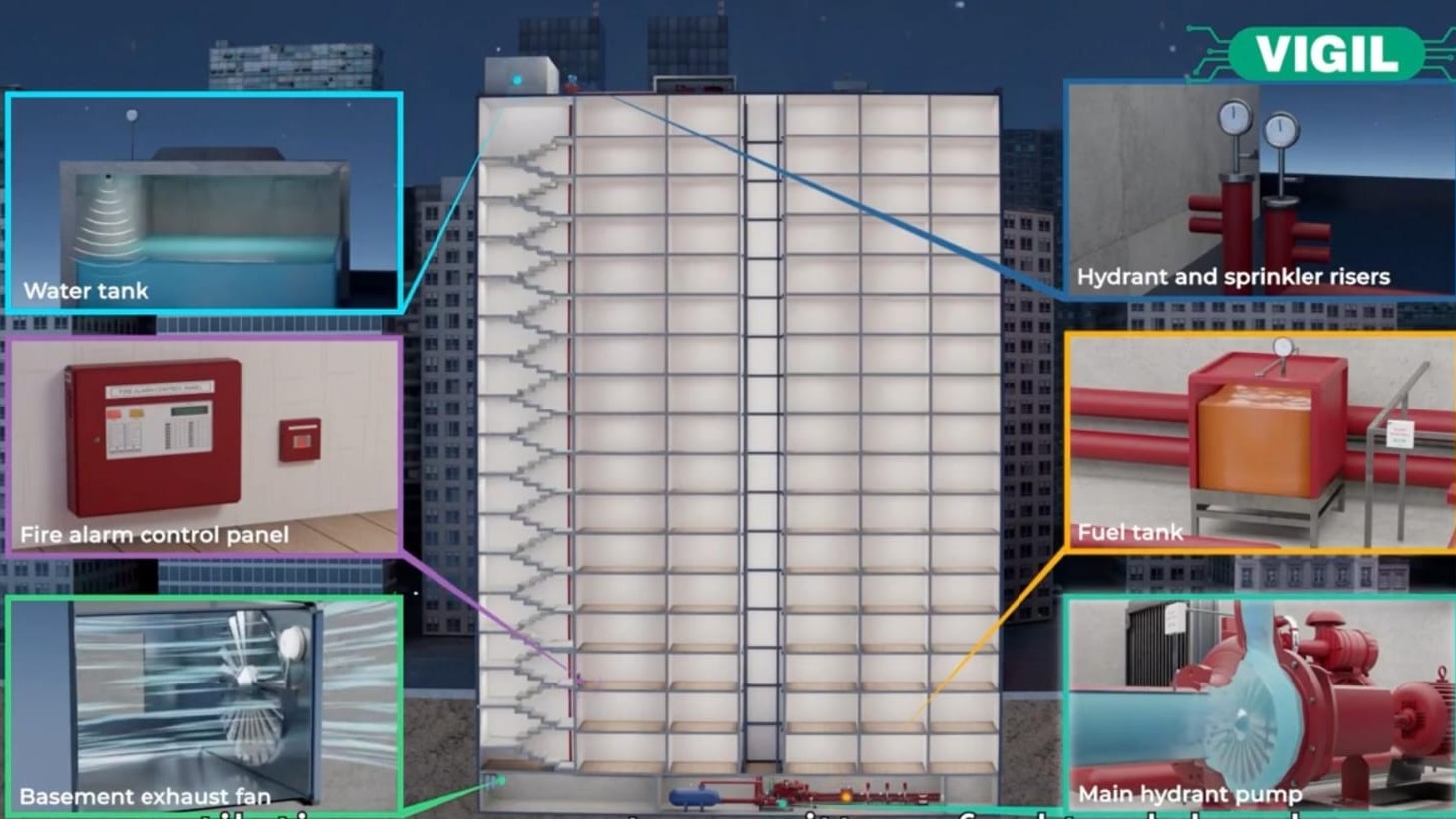
It is 2:40 a.m. in a Delhi high-rise. In the basement, the main hydrant pump has been dying for weeks. When it is called, the motor will spin, the contactor will pull in, the panel lamp will glow green and almost no water will move. Nobody knows. The last inspection was signed in good faith: the lamp glowed, the paperwork was immaculate.
This is, in essence, how the Arpit Palace hotel in Karol Bagh burned in February 2019, taking seventeen lives while its fire provisions sat present, certified and useless. A building that properly complies with the Delhi Fire Service (Amendment) Rules, 2025 ends this night differently. A water differential pressure switch across the pump sees no pressure rise, knows the pump is dead weeks early, and the building does the one thing no building in Delhi’s history of fire has managed: it calls for help an encrypted alert to the fire marshal, the security desk, and the Delhi Fire Service itself.
The real story: an Indian standard
A decade ago, real-time digital payments belonged to a handful of advanced economies. Then India built UPI an open, mandated, interoperable standard and within a few years was processing more real-time transactions than the rest of the world combined. India did not import the future of payments. It invented it, at scale, and exported it.
The Delhi Fire Service has now written the same kind of standard for fire safety. A statutory mandate for continuous, sensor-verified monitoring of the entire firefighting system pumps proven by hydraulics, tanks by ultrasound, hardened, encrypted and streamed to the cloud and, in its second phase, to the fire service itself has few parallels even in the developed world. And Delhi is not alone: Maharashtra’s Fire and Emergency Services enforced a near-identical mandate, the same twenty parameters held to the same standard. Two of India’s largest states, arriving independently at the same answer — which is precisely how a national standard is born. It is how UPI began.
If UPI made India the global leader in how money moves, ACMS can make it the leader in how buildings protect the people inside them counted not in rupees, but in lives.
But only if it is done right
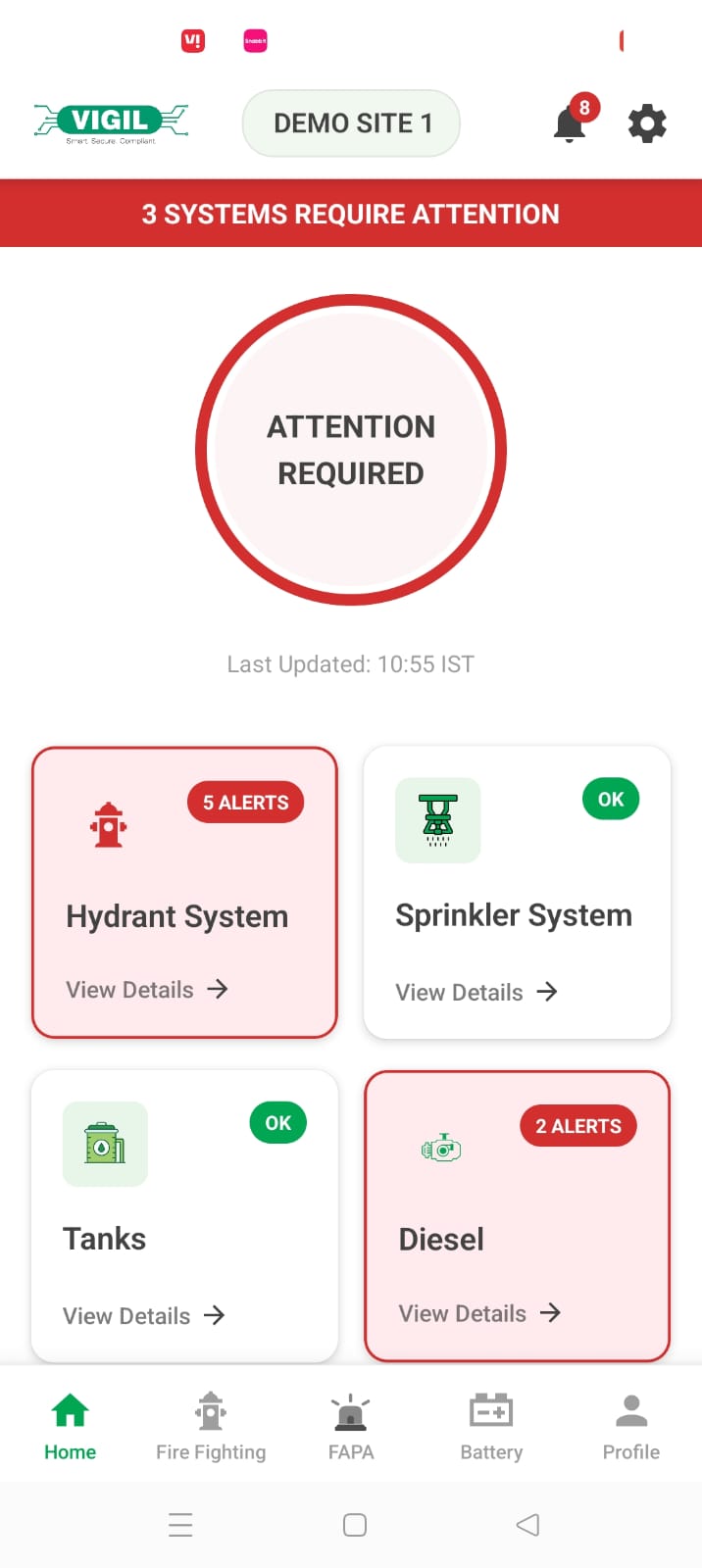
UPI worked because it was built properly, and ACMS carries the same risk. The danger is not non-compliance; it is apparent compliance. A cut-price system takes pump status from a starter contact instead of a differential pressure switch, and so glows green while the riser stays dry. It reads tanks with conductive probes that rust and short not the ultrasonic sensors the Rules specify and one day reports a full tank that is empty. It offers two hours of battery backup instead of the mandated seven, and dies with the mains in the one moment it is needed. The Rules are exact for a reason: seven-hour backup, fresh data every minute, ten thousand event logs held on the gateway. Miss any of them and you have bought a dashboard, not a safeguard the Karol Bagh failure, rebuilt in software.
And the Rules look further than most: they require the ACMS to meet cyber-security protocols set by the Director. A monitoring system that can be fed false “all-is-well” signals is worse than none, because it manufactures confidence so Delhi wrote data integrity into the mandate from day one, before any disaster forced its hand.
Delhi and Maharashtra have built the framework, and built it with rare foresight. What remains is the citizen’s choice: an ACMS that meets every requirement of the Rules or a green lamp that lies. One night, in some building, a pump will fail. The only question is whether yours will be ready to call for help.
Articlr Contributed by:
Mr. Juzer Madarwala, CMD,
Elixir Engineering Pvt. Ltd.
enquiry@elixirengg.com
Vigil is a product of Elixir Engineering Pvt. Ltd.
Engineered for full compliance with the Delhi Fire Service (Amendment) Rules, 2025 and the Maharashtra Fire (Amendment) Rules, 2025
Vigil Helpline +91 8657868266 • www.elixirengg.com.
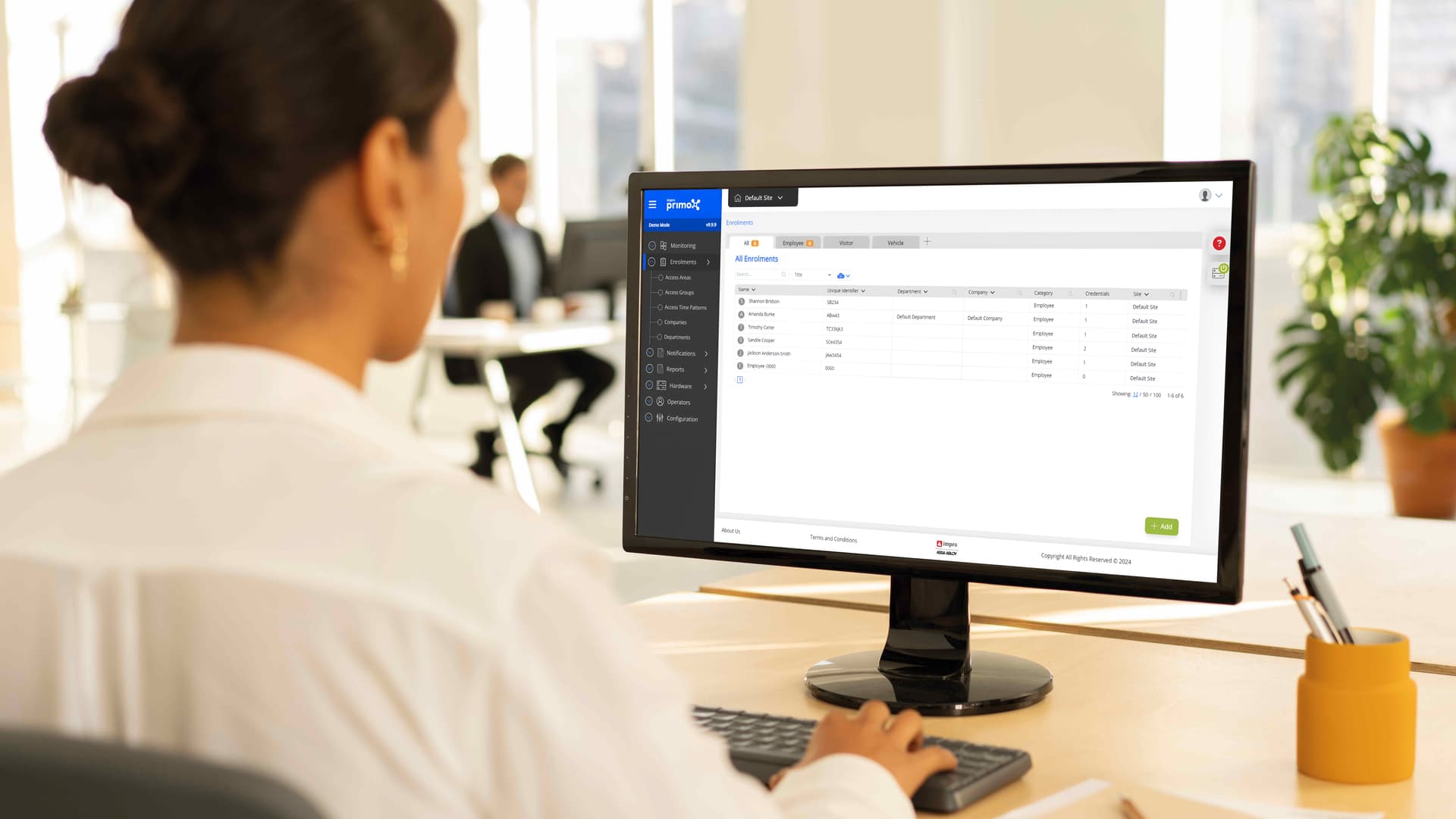
Every organization needs protection against physical and cyber threats. Workflow efficiency also benefits when security is digitalized and connected seamlessly with other business software and systems. Primo, part of the suite of Digital Access Solutions from ASSA ABLOY, brings this intelligent control with intuitive digital access software designed to grow and adapt as a business’ needs evolve.


Matrix Comsec receives the Gujarat Best Employer Brand Award 2026, reinforcing its commitment to employee development, innovation, inclusion, and organisational growth.