


Mr. Vijay Dahiya,
Station Officer

When it comes to fire safety, one of the most effective tools we have is the fire sprinkler system. These systems are the unsung heroes, often going unnoticed until they're needed the most. But did you know there are different types of fire sprinkler systems, each with it's own unique features? In this article, we'll explore the various types of fire sprinkler systems, how they work, and which one might be the best fit for your needs.
Importance of Fire Sprinkler Systems
Fire sprinkler systems are vital in controlling and extinguishing fires before they cause significant damage. In many cases, they can save lives and reduce property damage. They operate automatically, which means they are your first line of defense when a fire breaks out. But with different types available, choosing the right one is essential to ensure optimal protection.
Q. How Fire Sprinkler Systems Work?
Fire sprinkler systems are designed to detect heat from a fire and activate water discharge to control the flames. Most systems operate using sensors or heat-activated triggers that open the sprinkler heads when temperatures reach a certain threshold. The method of water delivery and the system's reaction to fire varies depending on the type of system in place.
The Basic Components of a Fire Sprinkler System
Before diving into the different types, it's helpful to understand the basic components of any fire sprinkler system. These include:
Sprinkler Heads: These are the nozzles that release water when the system activates.
Pipes: The network of pipes that carry water throughout the building.
Control Valves: These regulate the water flow into the pipes.
Alarms: Most systems are connected to alarms that notify building occupants and emergency services.
Types of Fire Sprinkler Systems
There are four primary types of fire sprinkler systems: Wet Pipe, Dry Pipe, Deluge, and Pre-Action. Each system is tailored for specific environments and fire risks.
1. Wet Pipe Fire Sprinkler Systems
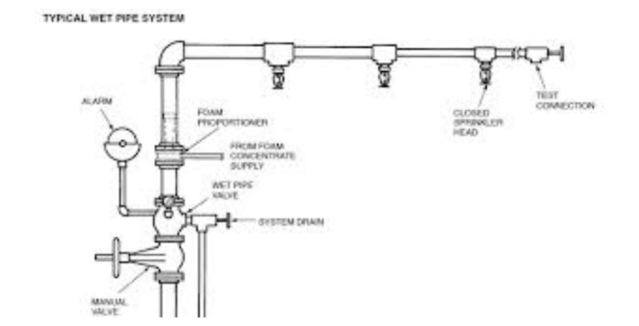
Q. How Wet Pipe Systems Function?
Wet pipe systems are the most common type of fire sprinkler system. As the name suggests, the pipes in this system are always filled with water. When the sprinkler head detects heat, the system immediately discharges water onto the fire.
Pros and Cons of Wet Pipe Systems
Pros:
Simple and reliable design
Fast response time since water is already in the pipes
Low maintenance requirements
Cons:
Not suitable for cold environments where pipes may freeze
2. Dry Pipe Fire Sprinkler Systems
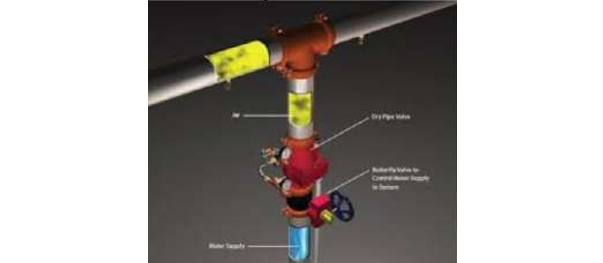
Q. How Dry Pipe Systems Function?
In dry pipe systems, the pipes are filled with pressurized air instead of water. When a sprinkler head is triggered by heat, the air is released, and the control valve opens, allowing water to flow into the pipes and onto the fire.
Pros and Cons of Dry Pipe Systems
Pros:
Ideal for areas with freezing temperatures
Prevents water damage from accidental leaks
Cons:
Slower response time due to the time required to fill the pipes with water
Requires more maintenance compared to wet pipe systems
3. Deluge Fire Sprinkler Systems
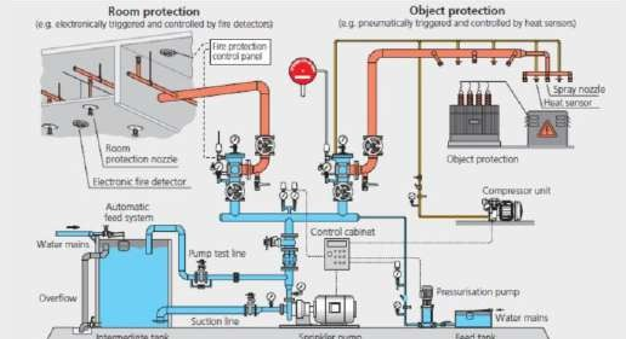
Q. How Deluge Systems Function?
Deluge systems are typically used in high-hazard areas such as industrial facilities. Unlike other systems, deluge sprinklers are open, and water is discharged from all sprinkler heads simultaneously when triggered by a fire detection system.
Pros and Cons of Deluge Systems
Pros:
Provides rapid water coverage over large areas
Ideal for high-risk environments
Cons:
Requires complex installation
Can cause significant water damage if activated unnecessarily
4. Pre-Action Fire Sprinkler Systems
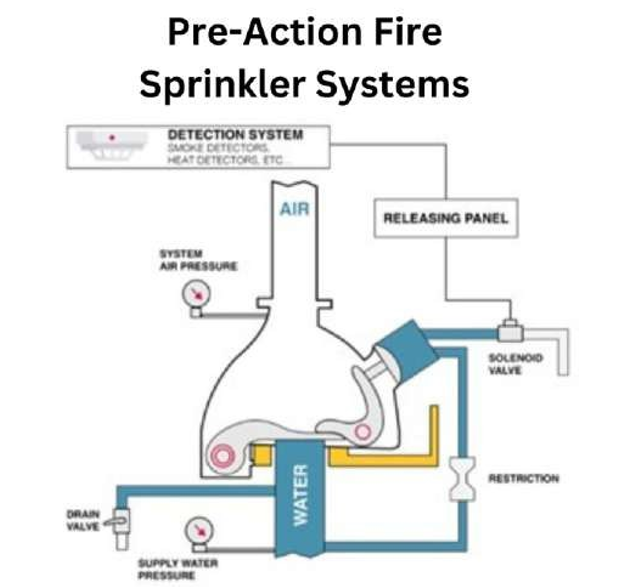
Q. How Pre-Action Systems Function?
Pre-action systems are a hybrid of wet and dry pipe systems. The pipes are filled with air, but water is only released if both the detection system and the sprinkler head are triggered, adding an extra layer of security.
Pros and Cons of Pre-Action Systems
Pros:
Ideal for sensitive areas such as data centers where accidental discharge can be costly
Prevents accidental water damage
Cons:
More complex and expensive to install and maintain
Slower response time compared to wet pipe systems
Comparing the Different Fire Sprinkler Systems
Each type of sprinkler system serves a specific purpose. Wet pipe systems are great for general use, especially in residential and commercial buildings. Dry pipe systems are better suited for colder environments, while deluge systems work well in high-risk areas like factories. Pre-action systems offer added protection in locations where accidental water discharge could cause severe damage.
Q. Which Fire Sprinkler System is best for you?
Choosing the right fire sprinkler system depends on your building type, location, and the risks you're looking to mitigate. For instance, if you're in a cold climate, dry pipe systems are a safer bet, whereas for high-risk industrial sites, a deluge system might be more appropriate. Consulting with fire safety professionals is key to determining the best system for your needs.
The Importance of Maintenance for Fire Sprinkler Systems
Like any other safety system, regular maintenance is critical to ensure fire sprinklers function properly. Neglecting maintenance can lead to faulty systems that fail during emergencies.
Regular Inspection and Testing
Routine inspections and testing are essential to ensure all components of the sprinkler system are in working order. This includes checking for leaks, ensuring sprinkler heads are not obstructed, and testing the control valves.
Common Issues to Watch for
Some common issues to be aware of include:
Corrosion in the pipes
Blocked or damaged sprinkler heads
Pressure problems in dry pipe systems
Addressing these issues early can prevent system failures and ensure optimal fire protection.
Conclusion
Fire sprinkler systems are a crucial part of fire safety, offering different solutions for varying environments and risks. Whether it's a wet pipe, dry pipe, deluge, or pre-action system, understanding their functionality and proper maintenance is key to safeguarding lives and property. Always consult with fire safety experts to choose and maintain the best system for your needs.
FAQs
1. What is the most common fire sprinkler system?
The wet pipe system is the most commonly used fire sprinkler system due to its simplicity and reliability.
2. Can fire sprinkler systems freeze?
Yes, wet pipe systems can freeze in cold environments, which is why dry pipe systems are recommended for such areas.
3. What areas are deluge fire sprinkler systems used in?
Deluge systems are typically used in high-hazard areas like industrial plants, where rapid fire spread is a concern.
4. How often should fire sprinkler systems be inspected?
Fire sprinkler systems should be inspected at least annually, though some parts may require more frequent checks.
5.Can fire sprinkler systems cause water damage?
Yes, especially in deluge and wet pipe systems. However, pre-action systems help minimize the risk of accidental water discharge.

Station Officer

Vijay Dahiya, Fire Officer, Delhi Fire Services.

Ganesh K H Kharatmal, Chief Fire Officer Nagpur, Metropolitan Regional Development Authority (NMRDA), Deputy Chief Fire Officer, Maharashtra AirPort Development Company Ltd. (MADC) MIHAN, Nagpur.

C. Lakshmi Prasad, Director of Fire Department (Retired), Telangana, Hyderabad, Chartered Engineer, Fellow of Institution of Fire Engineers (India), Member of Institution of Fire Engineers (UK), Ad DFE, NFSC, Nagpur (PhD).