


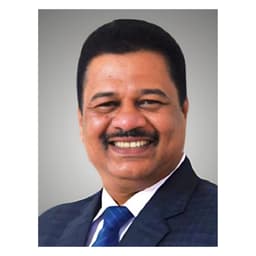
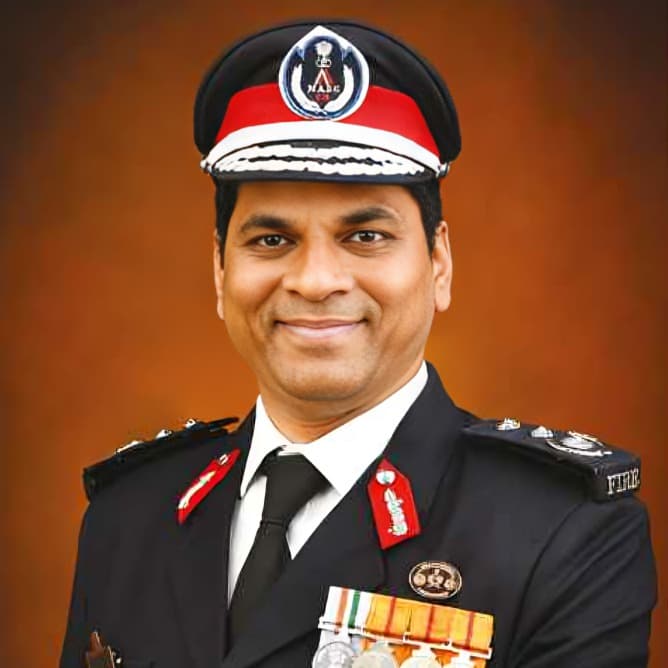
Mr. DK Shami, Fire Adviser to Director General Civil Defence & Fire Ministry of Home Affairs

Mr. DK Shami
Fire Adviser

Natural and Manmade disasters cannot be completely eliminated or prevented but their impact can be minimised by adopting and implementing proper planning and management. Most of the administrators think that Fire Services are only saving life and property in case of fire and fire related accidents. However the ground situation is alarming as in the absence of any organized mechanism at the State level for intervention in non-fire emergencies like, rescuing trapped persons from collapsed buildings, handling chemical emergencies or victims of gas and industrial disasters, drowning cases, rescuing victims of road and rail accidents, etc., Fire Services have been acting as Multi-Hazard Response Services without adequate training, equipment and also, without any legal basis. Recently we have noticed the emerging role of harfanmaula firefighters in covid-19 as performing the role of disinfectant, sanitizer etc.
The COVID-19 Pandemic
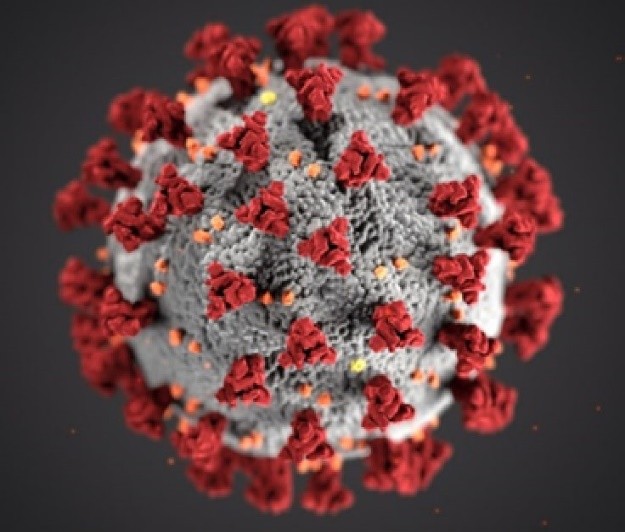
As per Wikipedia the COVID-19 pandemic, also known as the coronavirus pandemic, is an ongoing pandemic of coronavirus disease 2019 (COVID 19) caused by severe acute respiratory syndrome coronavirus 2 (SARS COV 2). The outbreak was identified in Wuhan, China, in December 2019. The World Health Organization declared the outbreak a Public Health Emergency of International Concern on 30 January, and a pandemic on 11 March. As of 13 May 2020, more than 4.34 million cases of COVID-19 have been reported in over 212 countries and territories, resulting in more than 292,000 deaths. More than 1.60 million people have recovered (Worldometers.info). The virus is primarily spread between people during close contact, often via small droplets produced by coughing, sneezing, and talking. The droplets usually fall to the ground or onto surfaces rather than remaining in the air over long distances. People may also become infected by touching a contaminated surface and then touching their face. On surfaces, the amount of virus declines over time until it is insufficient to remain infectious, but it may be detected for hours or days. It is most contagious during the first three days after the onset of symptoms, although spread may be possible before symptoms appear and in later stages of the disease.
Common symptoms include fever, cough, fatigue, shortness of breath, and loss of smell. Complications may include pneumonia and acute respiratory distress syndrome. The time from exposure to onset of symptoms is typically around five days, but may range from two to fourteen days. There is no known vaccine or specific antiviral treatment. Primary treatment is symptomatic and supportive therapy.
Recommended preventive measures include hand washing, covering one's mouth when coughing, maintaining distance from other people, wearing a face mask in public settings, and monitoring and self-isolation for people who suspect they are infected. Authorities worldwide have responded by implementing travel restrictions, lockdowns, workplace hazard controls, and facility closures. Many places have also worked to increase testing capacity and trace contacts of infected persons.
Guidelines and Instructions Issued by Government of India:
Government of India, Ministry of Health and Family Welfare, Directorate General of Health Services had issued various guidelines on Novel Coronavirus Disease (COVID-19) including the guidelines on rational use of PPE (Appendix-B). These Guidelines and Instructions are available on website of Health Ministry.
Why Firefighter should know about COVID-19
Fire service departments of States/UT's/PSU's have been engaged in sanitization/disinfection work of very large area besides the specific buildings. Few of them are engaged even without providing proper safety kits. Therefore they are at a very large risk of catching the infections. Do they need more specific guidelines and SOPs as they are handling the situation with different prospective? Most of the fire service organisations of repute have issued the guidelines/SOP's regarding do and don't by the first responders. The brief of same is given below:
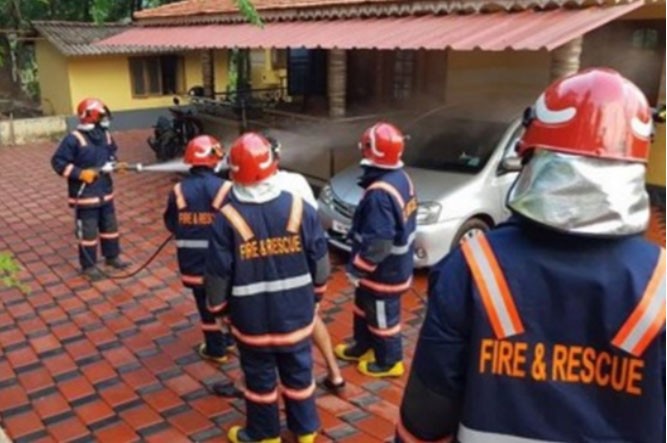
Personal Protective Equipment : Beware of fraudulent PPE. N95 or higher level respirator should be used instead of a facemask when firefighters are performing or present for an aerosol-generating procedure. In addition a single pair of disposable examination gloves, Eye protection, such as face shield or goggles, Gown or coveralls should also be used. Personal protective clothing (e.g., uniforms) or other porous materials should also be de-contaminated. If PPE becomes contaminated discard and replace it and if reusing, disinfect and store properly.
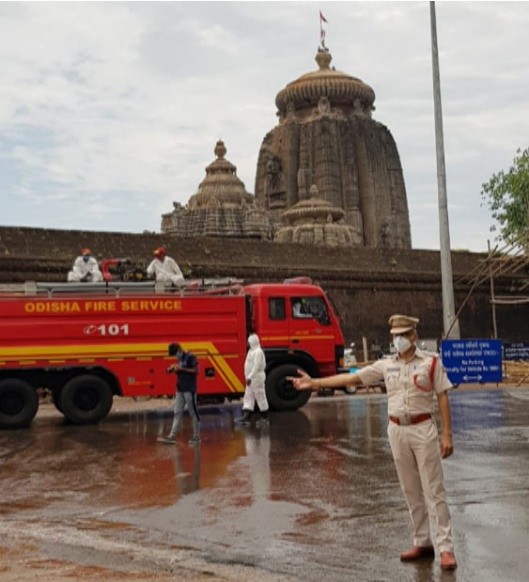
FIRE & RESCUE Fire/Water/Rescue Tenders/EMS vehicles: Use hospital-grade disinfectants to disinfect non porous surfaces of Water Tenders, ambulances, clipboards, radios, and other frequently touched surfaces or equipment. When cleaning the vehicle should wear a disposable gown and gloves. A face shield or facemask and goggles should also be worn if splashes or sprays during cleaning are anticipated.
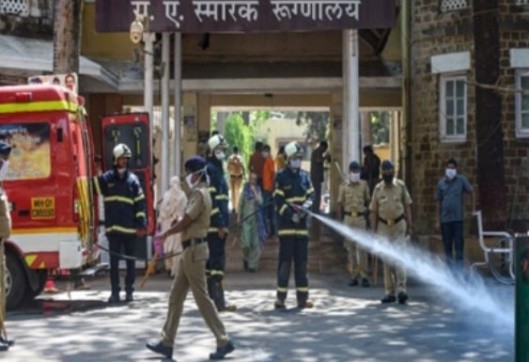
Use alcohol-based hand sanitizers with greater than 60% ethanol or 70% isopropanol, or wash hands with soap and water for at least 20 seconds when soap and water are available. Avoid touching eyes, nose, and mouth.
Encourage sick employees to stay home. Employees should not return to work until the isolation periods are met, in consultation with hospitals.
Refresher training should be conducted for firefighters on proper donning, doffing, and maintenance of all PPE. All PPE should be accessible to responders when needed.
Cloth face coverings are not considered PPE but can be used for source control.
Details of disinfectant being used by Firefighters in India:
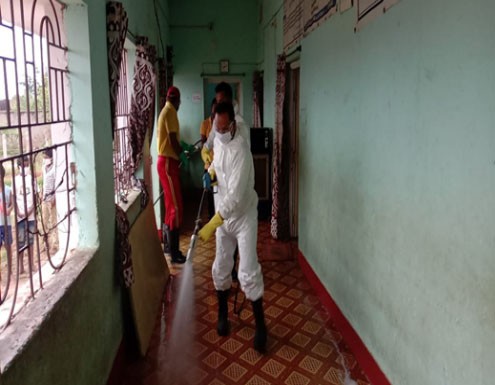
Government of India had issued guidelines for disinfection of common public places including offices. The Fire and Emergency Services has taken up the task of disinfecting public places, hospitals and other places. They are using following chemicals:
i. Hypochlorous Acid (HoCl): safe concentration 100ppm or less (0.01%)
ii. Hydrogen peroxide (H2O2): safe concentration 1% or less
iii. Sodium Hypochlorite (NaoCl): safe concentration 500ppm or less (0.05%)
Situation in India:
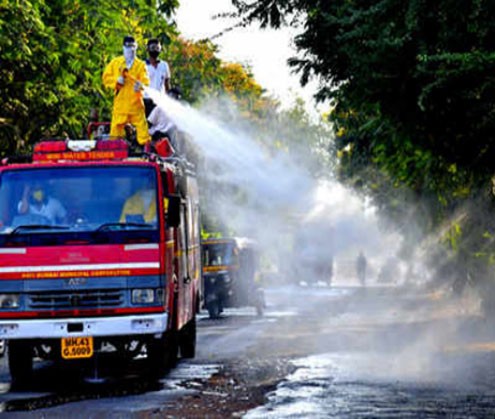
Firefighters from approximately 4000 fire stations in India have disinfected public places across the country by using the Water tenders with mist technology. Sodium hypochlorite mixed with water is being used as the disinfectant solution for cleaning public places.
International Situations:
In United Kingdom Firefighters are now permitted to:
Assist ambulance services in some specified activities and drive ambulances;
Deliver food and medicines to vulnerable people;
In the case of mass casualties due to COVID-19, move dead bodies;
Assist in face fitting masks to be used by frontline NHS staff and clinical care staff working with COVID-19 patients;
Deliver PPE and other medical supplies to NHS and care facilities;
Assist in taking samples for Covid-19 antigen testing;
Drive ambulance transport not on blue-lights (excluding known Covid-19 patients) to outpatient appointments or to receive urgent care;
Provide instruction for non-Service personnel to drive ambulances (not on blue-lights);
Assemble single-use face shields for NHS and care staff;
Packaging and repackaging food supplies for vulnerable people
Transfer known or suspected COVID-19 patients to and from Nightingale hospitals;
Transfer non-COVID-19 patients to and from Nightingale hospitals.
The new areas of work above are covered in the national tripartite agreement made between the Fire Brigades Union, NJC Fire Service employers and the National Fire Chiefs Council (NFCC). With around 3,000 fire service staff currently in self-isolation, many of whom will not have the virus, services could struggle to maintain staffing levels as the pandemic progresses. Fire and rescue staff is key workers and will, in most cases, be expected to continue going to work - so long as they do not live with anyone who has symptoms, or are displaying symptoms themselves.
Public Health England has published guidance for first responders and others in close contact with symptomatic people with potential COVID-19. Public Health England has also published guidance on when to use surgical face mask or FFP3 respirator. The guidance underlines the importance of having respiratory protection when conducting aerosol generating procedures. In the fire service an example of this would be incident-ground oxygen therapy equipment. These procedures can, or rather, are likely to produce airborne droplets which will carry the virus. For these reasons eye protection should also be worn when aerosol generating procedures are used on a casualty by firefighters. The most logical step for firefighters, who have access to it as a matter of course, is for breathing apparatus to be worn as this provides complete protection to our eyes, airways, and face. Fire and rescue services should have in place external laundry services, and appropriate arrangements for the cleaning of stations as well as disposal facilities and processes for the safe disposal of clinical waste. Arrangements made by fire and rescue services should conform to the highest possible standards and these standards should be as close as possible to those required and practised by health providers who come into contact with Covid-19 carriers and sufferers. Breathing apparatus (BA) tests are essential to protect firefighters, particularly in the context of the pandemic, as they may be used as PPE in some cases. Normal health and safety structures should still be in place. BA cleaning routines should not be altered without consultation with the FBU. There is no reason for fire service management to alter these arrangements.
The National Fire Protection Association (NFPA) offers the following standards, codes, and resources and to assist in prevention, mitigation, preparedness, response, and recovery.
COVID-19 landing page
NFPA 1600®, Standard on Continuity, Emergency, and Crisis Management is the recognized National Preparedness Standard®, offering vital information on conducting risk assessments, business impact analysis, capabilities, needs assessments, and developing emergency and recovery plans for myriad events including pandemic.
NFPA 1999, Standard on Protective Clothing and Ensembles for Emergency Medical Operations provides requirements for the clothing and certain respiratory devices used by on-scene first responders as well as by first receiver health care workers at facilities where treatment will be rendered.
NFPA 1581, Standard on Fire Department Infection Control Program provides the minimum requirements for infection control programs to help identify and limit the potential of an infectious exposure to fire department members as well as other first responders during the performance of their assigned duties and within the responder working and living environment.
NEPA 99, Health Care Facilities Code offers healthcare decision-makers essential safety information and requirements for emergency planning, isolation spaces, infection control, IT and data infrastructure, and many other relevant topics.
Tip Sheet - NFPA 1581: Infection Control Program Resource for First Responders
Emergency Preparedness Checklist
Organizational Planning Tips for Pandemic Preparedness
Temporary Compliance Options for Code Modifications, Alternate Care Sites, and Facilities Related to Health Care
Maintaining Safe Health Care Facilities in Extraordinary Times
Financial Assistance Provided by GOI
Government of India vide letter no. 33-4/2020-NDM-1 dated 14.03.2020 has partially modified list of items and norms of assistance for containment of COVID-19 Virus in India and allowed States to book the expenditure on equipment not exceeding 10% of the annual allocation of State Disaster Response Funds towards the cost of personal protection equipment for fire authorities.
Financial Assistance Provided by USA
FEMA makes additional $100 million available to fire/EMS for COVID-19 response in supplemental funding for personal protective equipment (PPE) and related supplies to the fire service community to prevent, prepare for, and respond to the COVID-19 pandemic. The funding is part of the Coronavirus Aid Relief and Economic Security (CARES) Act through the Assistance for Firefighters Grant Program.
Support of NGO's in India:
Many NGO's, /associations and trade bodies have been actively participating in the fight against Covid-19 pandemic. Some of such bodies are FSAI (Fire & Security Association of India), ISHRAE, IPA, GEMs Council of ASSOCHAM etc. The initiatives taken by them is as under:
1. Forming high level committees and task forces comprising of our embers who are luminary experts in their spective domains.
2. Bringing out white papers in their respective fields on technologies that help in fighting the spread of COVID-19. Some of the fields covered are.
a. Transforming and taking help from Firefighting equipment specially by using them in sanitization and disinfection.
b. How to use air-conditioning and ventilation to minimize the spread of COVID-19 c. How to maintain Plumbing systems to reduce contamination in buildings
3. Proposing guidelines to operate workplaces with minimum risk of spreading contamination etc.
4. Designing various disinfection and Sanitization systems so that they can be using locally available materials and producing them at the lowest cost.
5. Suggesting the right concentration of disinfectant and spray mechanics for sanitization.
6. Free distribution of equipment trolley mounted disinfection systems to municipal corporations
7. Free distribution of Sanitization chambers to Police and Govt agencies
8. Free distribution of Backpack spraying systems to hospitals
9. Free distribution of PPE and mask to various municipal and health Centers.
Fire Adviser
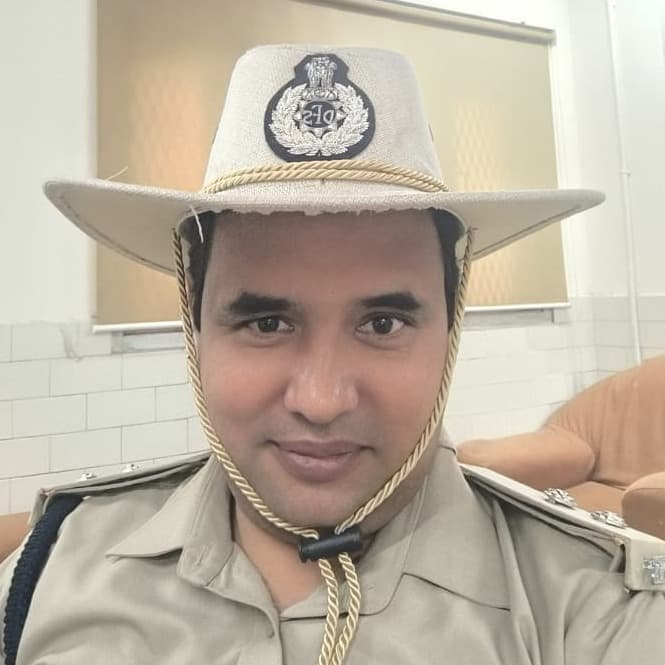
Vijay Dahiya, Fire Officer, Delhi Fire Services.
Ganesh K H Kharatmal, Chief Fire Officer Nagpur, Metropolitan Regional Development Authority (NMRDA), Deputy Chief Fire Officer, Maharashtra AirPort Development Company Ltd. (MADC) MIHAN, Nagpur.
C. Lakshmi Prasad, Director of Fire Department (Retired), Telangana, Hyderabad, Chartered Engineer, Fellow of Institution of Fire Engineers (India), Member of Institution of Fire Engineers (UK), Ad DFE, NFSC, Nagpur (PhD).