


Change is essential for industrial growth, but every modification can introduce risks that existing safety systems were never designed to manage. Management of Change provides a structured approach to identifying these risks before they become incidents. From technology and equipment to processes and people, effective change management keeps safety aligned with operational transformation.
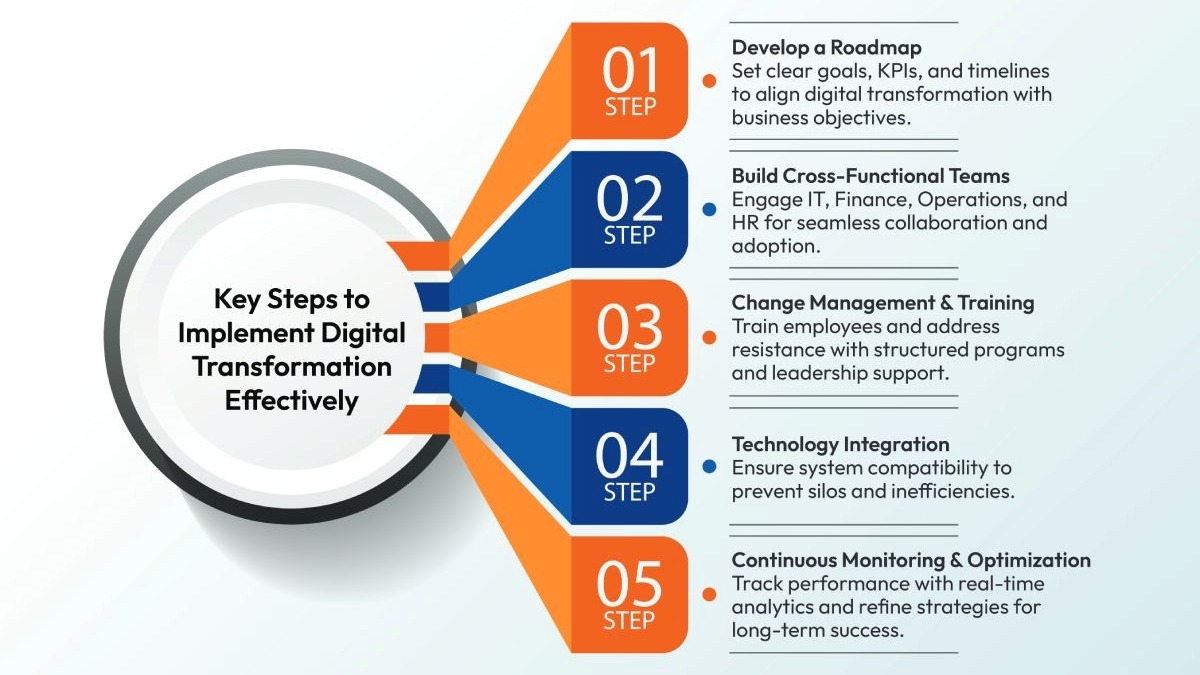
Industrial organisations are constantly changing. New technologies are introduced, production capacities are expanded, equipment is replaced, processes are modified, chemicals are substituted, facilities are upgraded and new contractors or employees become part of the workforce. Change is necessary for competitiveness and growth, but from an HSE perspective, every change can also introduce new hazards. One of the most significant challenges facing high-risk industries is ensuring that safety systems evolve at the same pace as operations. This is where Management of Change, commonly known as MOC, becomes a critical element of effective risk management.
Management of Change is more than an approval process for engineering modifications. It is a structured approach to understanding how a proposed change could affect people, processes, equipment, the environment and existing safeguards. Its purpose is to ensure that risks are identified before implementation rather than discovered after something goes wrong. In high-hazard environments, where a seemingly small modification can alter the behaviour of an entire system, this discipline can provide an important layer of protection against unexpected consequences.
The need for effective MOC becomes particularly clear when organisations consider that many serious incidents do not occur during normal operations. They occur after something has changed. A new material may behave differently from the previous one. A modification to a process may alter operating pressures or temperatures. A new piece of equipment may interact differently with existing systems. A change in software may affect an automated safety function. Even changes in staffing, shift patterns or responsibilities can influence how safety-critical tasks are performed.
One of the challenges is that organisations often distinguish between “major” and “minor” changes too early in the process. A modification that appears technically insignificant may nevertheless affect a critical safety barrier. For example, relocating equipment, changing an alarm setting, modifying a maintenance frequency or altering access arrangements may not appear to be a major project, but each could influence risk. An effective MOC system therefore needs clear criteria for determining when a change requires formal assessment, rather than relying entirely on the perceived size or cost of the modification.
The first step is understanding the change itself. Organisations need to define what is being changed, why it is being changed, which systems are affected and what conditions will be different after implementation. This requires participation from the people who understand the operation. Engineering teams may understand the technical modification, while operators and maintenance personnel may understand how the change will influence real-world activities. HSE professionals can help identify hazards and assess whether existing controls remain adequate. Bringing these perspectives together creates a more complete understanding of the potential impact.
Risk assessment is at the heart of this process. The organisation needs to consider both direct and indirect consequences of the proposed change. A modification may create a new hazard, increase an existing risk, weaken an existing control or introduce a new interaction between systems. The assessment should also consider temporary conditions during installation or commissioning. In many cases, the transition period can be more hazardous than the final operating state because normal safeguards may be unavailable, equipment may be partially dismantled or personnel may be working in unfamiliar conditions.
Technology changes require particular attention. Digitalisation, automation, connected equipment and software-controlled processes can significantly improve safety and efficiency, but they can also create new failure modes. A software update may change how an alarm behaves. A new sensor may provide additional information but introduce dependence on data quality. Automation can remove people from hazardous activities while simultaneously changing their role from active control to system monitoring. Each of these changes requires an assessment of how the human, technical and organisational elements will interact.
The introduction of artificial intelligence and advanced analytics is likely to make this even more important. Organisations may increasingly rely on algorithms to identify anomalies, predict equipment failures or support operational decisions. Before such systems become part of safety-critical activities, organisations need to understand their limitations, reliability, data requirements and failure modes. Technology should strengthen existing controls rather than create an assumption that automated systems are inherently safe.
Changes involving chemicals and materials require another level of scrutiny. Replacing one substance with another may affect compatibility, storage requirements, ventilation, fire characteristics, exposure risks or emergency response arrangements. The safety data associated with the new material must be understood, and existing fire protection, detection, containment and emergency procedures should be reviewed accordingly. A material substitution that delivers economic or operational benefits can unintentionally create a different risk profile if it is not assessed systematically.
People-related changes can be equally significant. New employees, changes in organisational structure, outsourcing, contractor mobilisation and altered responsibilities can affect competency and communication. A safety-critical task may previously have been performed by an experienced team but later transferred to personnel with different training or levels of familiarity. Management of Change should therefore consider not only what is changing physically but also who will perform the work and whether the organisation has the necessary competence.
Communication is a critical part of successful change implementation. Employees may continue to rely on previous procedures, drawings or operating assumptions unless they clearly understand what has changed. Updated documentation, training and communication must therefore be completed before the change becomes operational. Simply issuing a revised procedure is not sufficient. People need to understand why the change has occurred, what is different, what new hazards may exist and how their responsibilities have changed.
Commissioning and start-up deserve particular attention. The period immediately following a modification can contain uncertainties that are not present during established operations. Equipment may behave differently under actual operating conditions, controls may require adjustment and employees may still be becoming familiar with the new system. Organisations should therefore establish clear readiness criteria before returning modified systems to normal operation. Where appropriate, independent verification can provide additional confidence that critical safeguards are functioning as intended.
An effective MOC process must also address temporary changes. Temporary bypasses, equipment substitutions, short-term repairs, altered operating parameters and emergency arrangements can sometimes remain in place much longer than originally intended. Without a defined expiry date and responsible owner, a temporary condition can gradually become the new normal. This creates a significant risk because people may eventually forget that the original system was different. Every temporary change should therefore have a clear justification, defined controls, ownership and a mechanism for returning to the original configuration or formally approving a permanent modification.
Learning from previous changes can strengthen the system further. Organisations should examine incidents, near misses and operational deviations associated with modifications and identify common patterns. Were risks underestimated? Was a critical stakeholder excluded? Did communication fail? Were procedures updated too late? Did the actual change differ from the approved design? Such learning can improve the MOC process and prevent recurring weaknesses.
Leadership involvement is also essential. Management of Change should not be viewed solely as an engineering or HSE responsibility. Senior leaders need to understand that rapid transformation can increase risk if change is implemented faster than the organisation's ability to assess and control it. Project schedules and commercial objectives should therefore include sufficient time for risk assessment, testing, training and verification.
The strongest MOC systems create a culture in which employees feel comfortable identifying unintended consequences. A worker who notices that a modification is creating an unexpected operational problem should be able to raise the concern without fear of blame or delay-related pressure. This feedback can be invaluable because frontline personnel often recognise practical issues that may not be visible during design reviews.
As industries pursue digitalisation, automation, decarbonisation and operational efficiency, the volume and complexity of change will continue to increase. Organisations cannot avoid change, nor should they. The challenge is to ensure that transformation does not outpace risk management.
Management of Change ultimately provides a disciplined bridge between innovation and safety. It ensures that when organisations change equipment, processes, technology or people, they also reconsider the assumptions on which their existing safety systems were built. When implemented effectively, MOC is not a bureaucratic obstacle to progress. It is an enabler of responsible transformation helping organisations innovate while maintaining control over the risks that come with change.
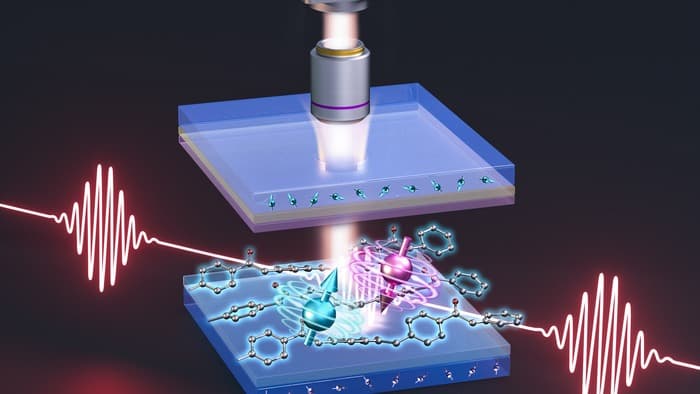
Quantum sensing is emerging as a transformative technology for detecting fugitive emissions with unprecedented precision and sensitivity. By enabling real-time monitoring of invisible gas leaks, industries can strengthen environmental compliance, enhance workplace safety, reduce greenhouse gas emissions, and support sustainable, data-driven industrial operations.
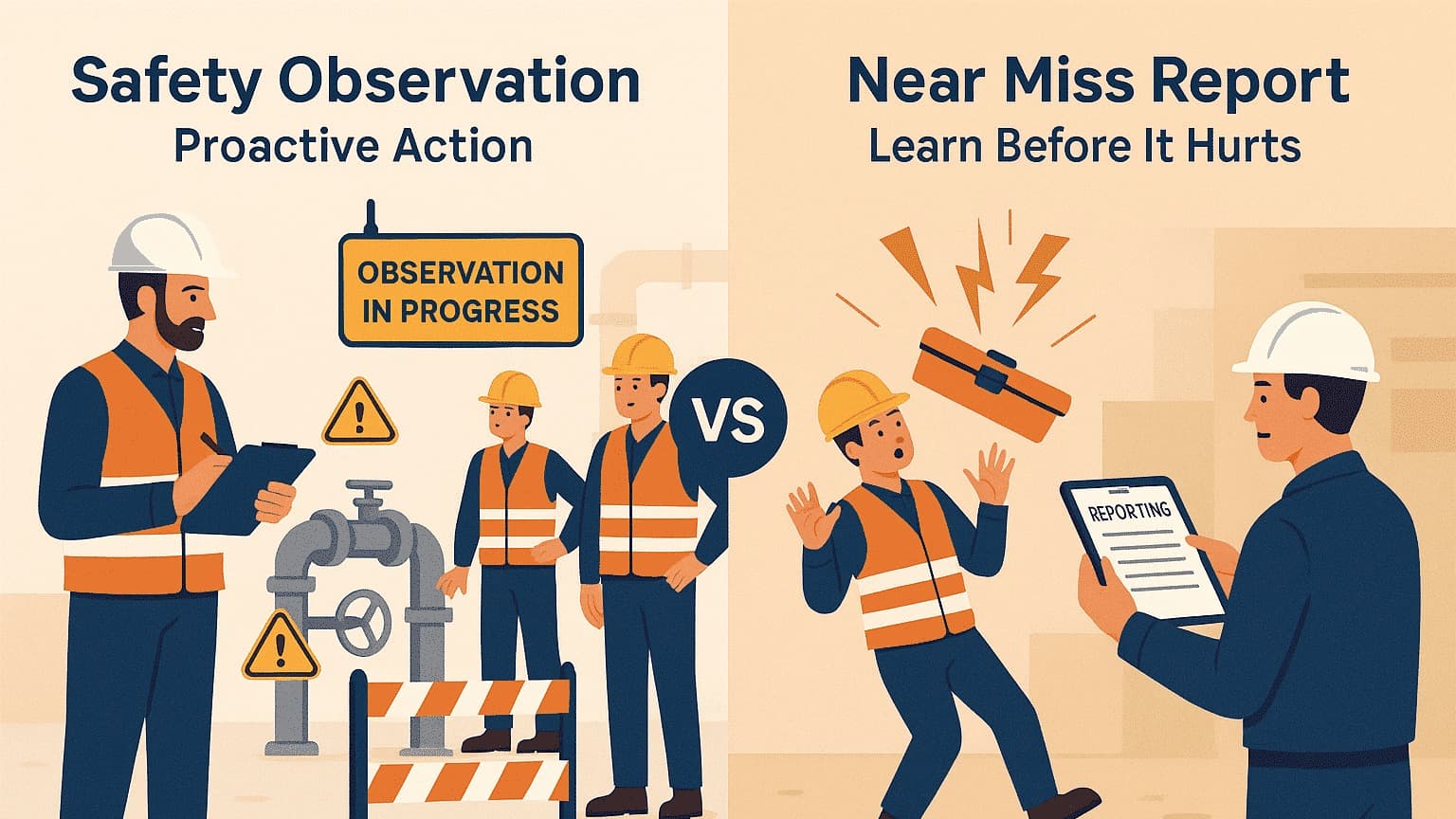
Every incident is often preceded by warning signs that, if identified early, can prevent injuries and losses. Safety observations empower employees to recognize hazards, report unsafe conditions, and encourage safe behaviors. By staying alert and taking timely action, everyone contributes to building a proactive and resilient safety culture.

Environmental protection on military bases preserves natural resources, reduces pollution, ensures regulatory compliance, and supports sustainable mission readiness.