


Key insights into health, safety, and environmental practices that support operational resilience and regulatory adherence.

Quantum sensing is emerging as a transformative technology for detecting fugitive emissions with unprecedented precision and sensitivity. By enabling real-time monitoring of invisible gas leaks, industries can strengthen environmental compliance, enhance workplace safety, reduce greenhouse gas emissions, and support sustainable, data-driven industrial operations.
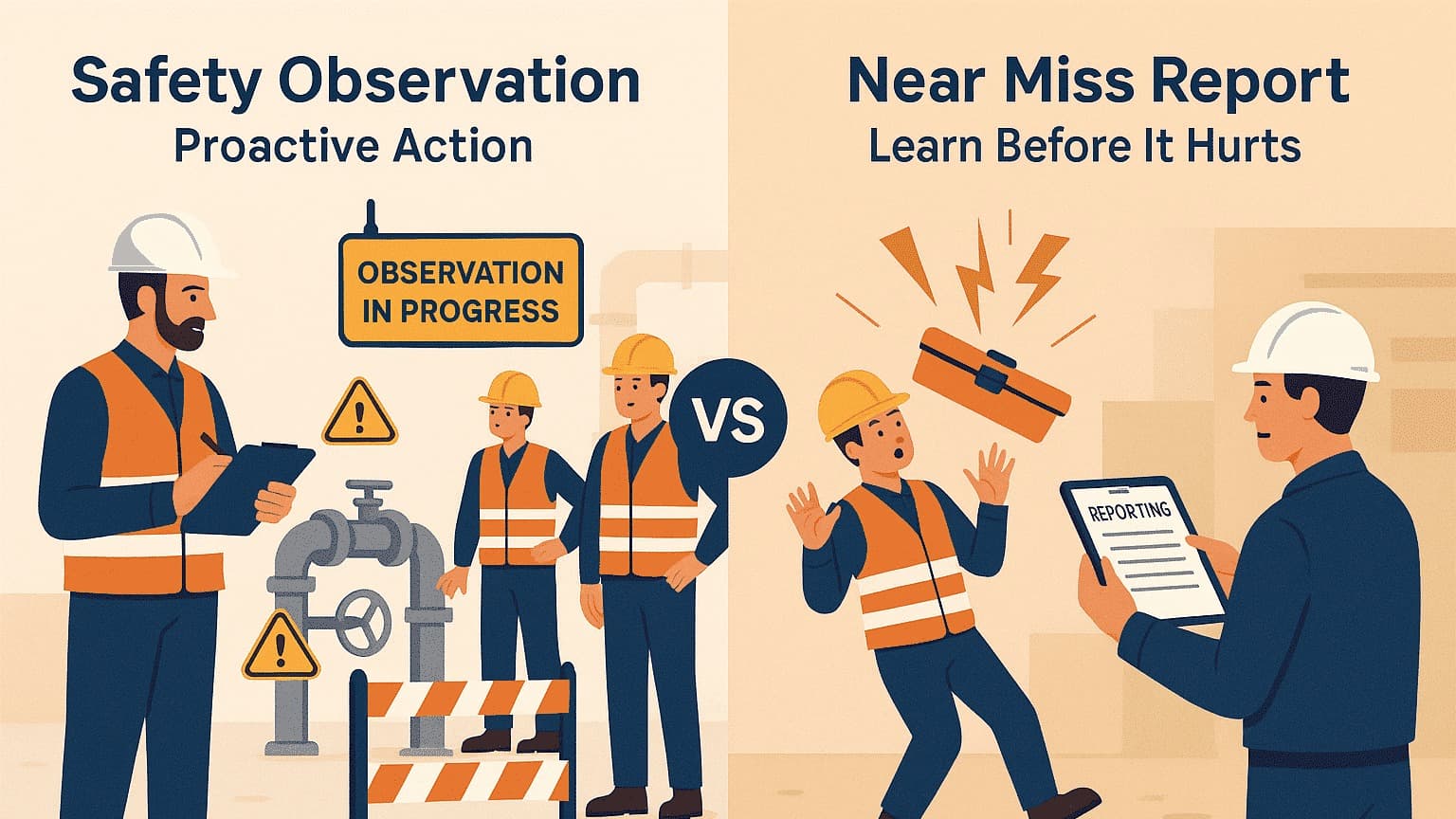
Every incident is often preceded by warning signs that, if identified early, can prevent injuries and losses. Safety observations empower employees to recognize hazards, report unsafe conditions, and encourage safe behaviors. By staying alert and taking timely action, everyone contributes to building a proactive and resilient safety culture.

Environmental protection on military bases preserves natural resources, reduces pollution, ensures regulatory compliance, and supports sustainable mission readiness.
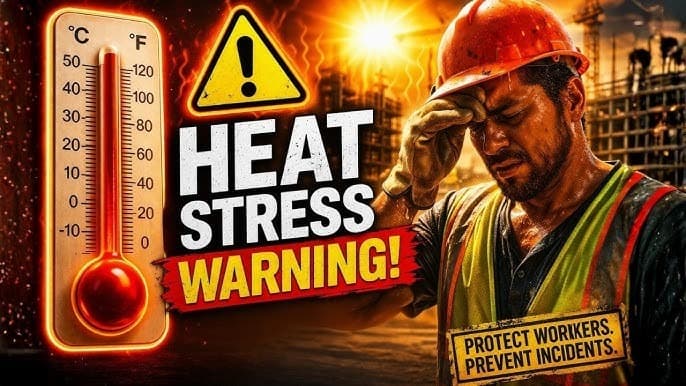
Heat exposure must be managed as a critical risk through enforced hydration, structured work-rest cycles, and continuous workforce monitoring. Supervisors are accountable for identifying early symptoms and ensuring worker fitness. No task shall proceed under unsafe conditions. Strict compliance, proactive intervention, and zero tolerance for lapses are mandatory throughout May operations.
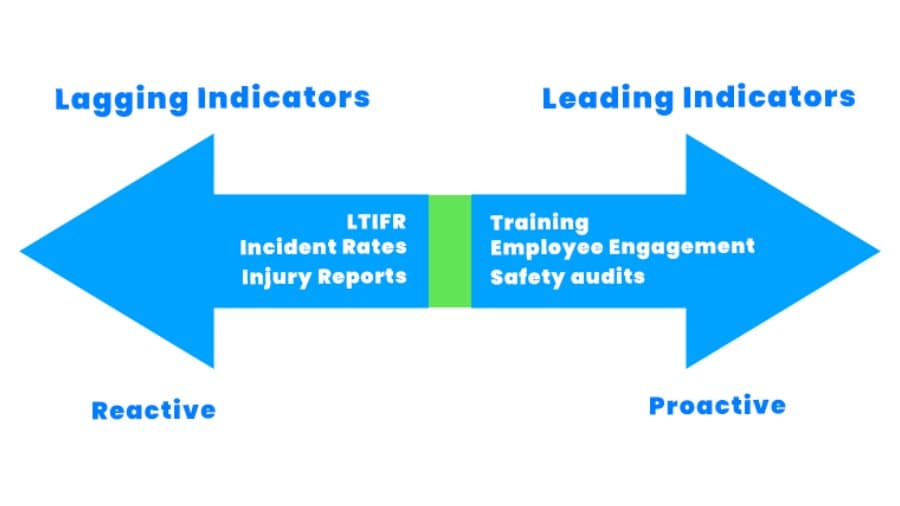
HSE performance measurement is evolving from reactive lagging indicators to proactive leading indicators. By focusing on near-misses, unsafe conditions, and behavioral trends, organizations can predict and prevent incidents, enabling a shift toward data-driven, predictive safety management and continuous improvement in workplace safety performance.
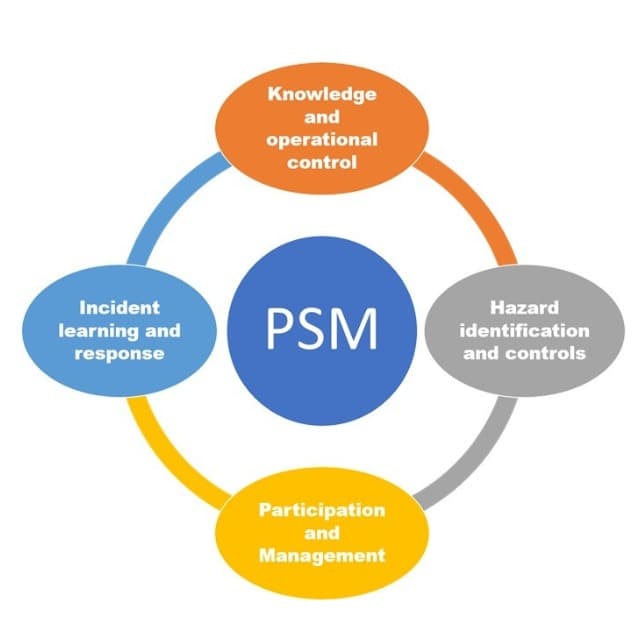
Process Safety Management (PSM) is a structured framework designed to prevent catastrophic industrial incidents by identifying, evaluating, and controlling process-related hazards. By integrating engineering practices, risk assessment tools, and operational discipline, PSM ensures safer operations in high-risk industries such as oil & gas, chemicals, and manufacturing.
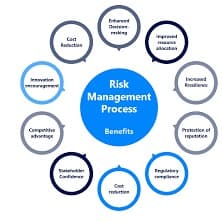
Operational risk management enables organizations to systematically identify, assess, and control high-consequence hazards before they lead to serious incidents. By focusing on risk severity rather than frequency alone, HSE programs can prevent catastrophic events and strengthen workplace resilience.
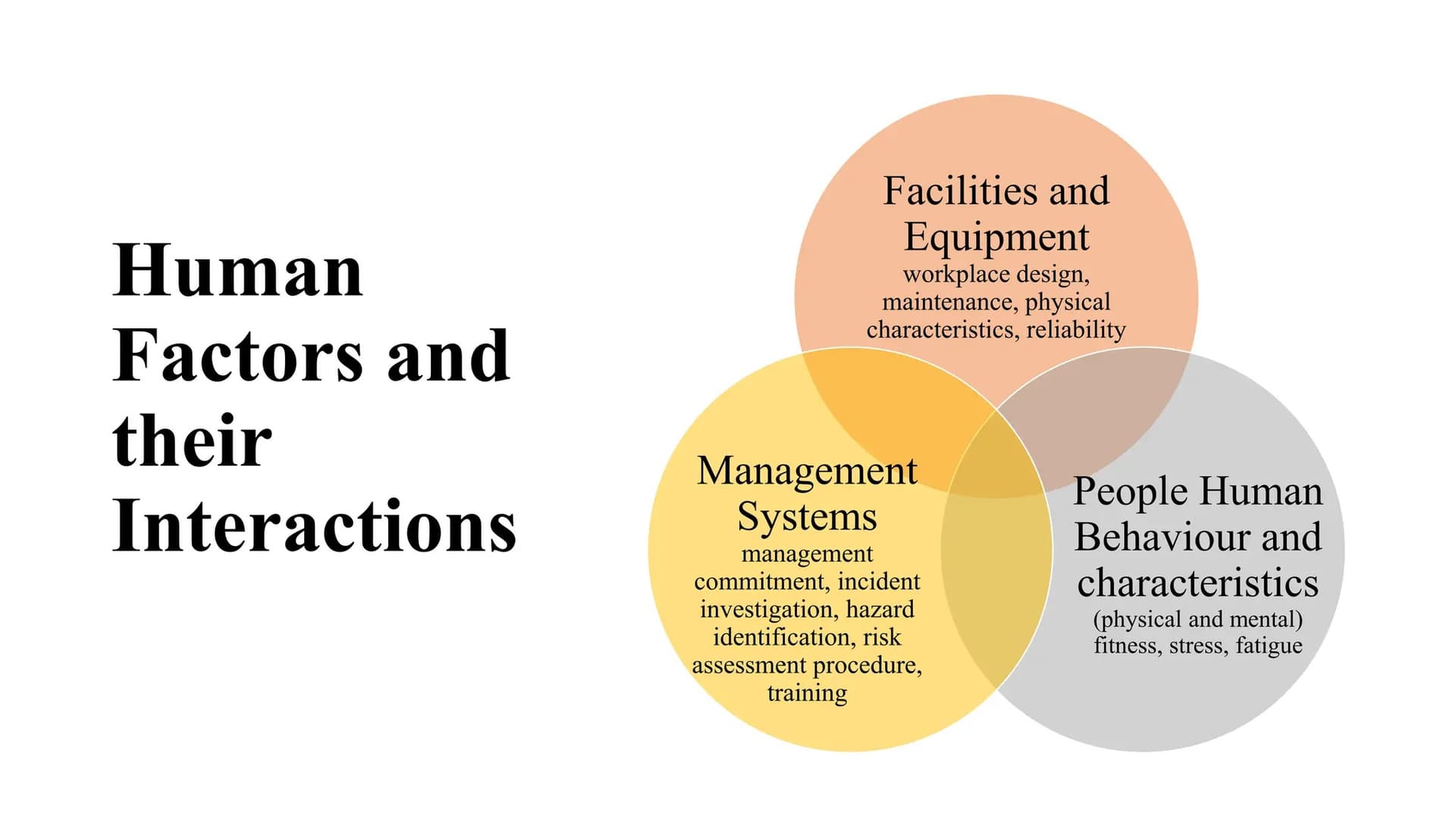
Human factors play a decisive role in workplace safety, influencing how people interact with systems, procedures, and environments. Understanding the causes of human error and designing systems that anticipate behavioural limitations is essential for preventing incidents and improving HSE performance.

Sustainable workplace safety is driven by leadership, not regulations alone. This article explores how safety leadership transforms compliance-based systems into strong safety cultures, where accountability, behavior, and organizational values work together to deliver long-term HSE excellence.

As Indian organizations expand into global markets, aligning workplace safety with international HSE standards has become a strategic necessity. This article explores how global frameworks, leadership accountability, and proactive risk management help organizations enhance credibility, operational resilience, and international competitiveness.
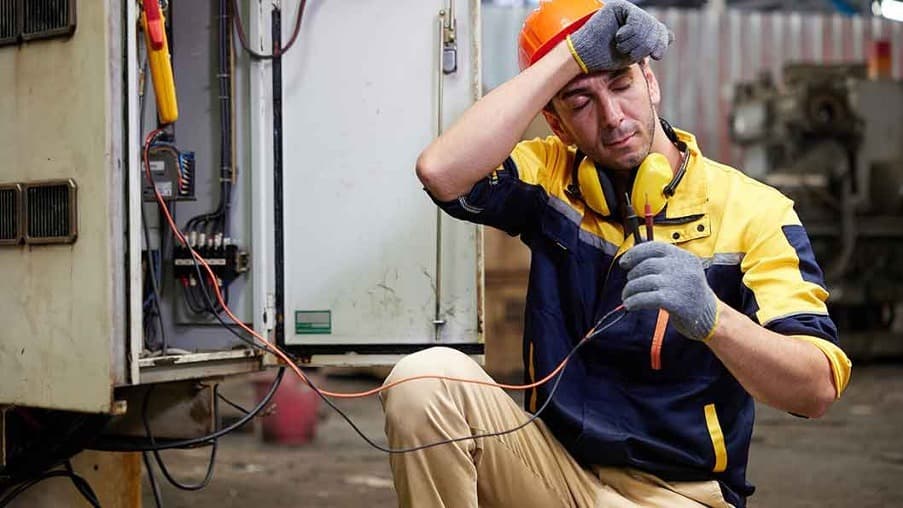
As climate change intensifies, workplaces face new and unpredictable hazards. Building climate resilience within HSE systems is essential for protecting workers, assets, and communities. By integrating weather risk management, adaptive planning, and sustainable infrastructure, organizations can ensure business continuity and safeguard lives in an increasingly volatile world.

ISO renewals shouldn't be a routine task focused solely on compliance. Instead, they offer a chance to embed a culture of quality, safety, and continuous improvement across all levels of an organization. By rethinking ISO as a value-driven tool, businesses can turn standards into strategic advantages for long-term growth.