


Operational risk management enables organizations to systematically identify, assess, and control high-consequence hazards before they lead to serious incidents. By focusing on risk severity rather than frequency alone, HSE programs can prevent catastrophic events and strengthen workplace resilience.
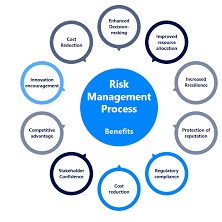
Operational environments across industries contain hazards that, while infrequent, carry the potential for severe consequences including fatalities, major asset damage, and environmental harm. Traditional HSE programs often focus on common, low-impact incidents, leaving high-consequence hazards insufficiently addressed. Operational risk management provides a structured framework to identify and control these critical risks before they escalate into major incidents.
High-consequence hazards differ from everyday safety risks. They are often embedded within core operations and may remain dormant for long periods. Examples include confined space entry, working at height, hazardous energy release, chemical handling, pressure systems, and heavy lifting operations. When controls fail, the impact is immediate and severe. Managing these risks requires a deliberate and disciplined approach that goes beyond routine safety measures.
The first step in operational risk management is hazard identification. This process must be task-specific and activity-based rather than generic. Job safety analyses, process hazard analyses, and task risk assessments help identify hazards associated with specific operations. Involving frontline workers in this process is essential, as they possess practical knowledge of how work is actually performed rather than how it is assumed to be performed.
Once hazards are identified, risk assessment determines their potential severity and likelihood. While many organizations rely on risk matrices, the emphasis should be on consequence severity rather than numerical scoring alone. High-consequence risks demand robust controls even if their probability is low. Failure to recognize this leads to underestimation of catastrophic risks and overconfidence in existing safeguards.
Effective risk control follows the hierarchy of controls, prioritizing elimination and substitution wherever possible. When hazards cannot be eliminated, engineering controls provide the most reliable protection. Administrative controls and personal protective equipment, while necessary, should never be the primary safeguards for high-risk activities. Overreliance on procedural compliance and PPE often creates a false sense of security.
Permit-to-work systems play a vital role in managing high-consequence hazards. Properly implemented permits ensure that risks are identified, controls are in place, and responsibilities are clearly defined before work begins. However, permit systems lose effectiveness when treated as paperwork exercises. Supervisory verification, monitoring, and permit closure reviews are essential to ensure real control of hazards.
Operational risk management must also address human factors. Fatigue, time pressure, skill gaps, and complacency significantly influence risk exposure. High-risk tasks performed under production stress or inadequate supervision are particularly vulnerable to error. Incorporating human factors into risk assessments helps organizations design safer systems of work that account for real-world conditions.
Change management is another critical element. Modifications to equipment, processes, materials, or work methods can introduce new hazards or weaken existing controls. A formal management of change process ensures that risk assessments are updated and controls validated before changes are implemented. Many major incidents can be traced back to uncontrolled or poorly managed changes.
Monitoring and verification are essential to sustain risk controls. Leading indicators such as permit compliance, critical control verification, safety observations, and near-miss reporting provide early warning of control degradation. These indicators allow organizations to intervene proactively rather than reacting after an incident occurs.
Leadership involvement is central to effective operational risk management. Leaders must demonstrate commitment by allocating resources, enforcing standards, and holding teams accountable for managing high-risk activities. Visible leadership engagement reinforces the importance of risk control and encourages consistent application across operations.
In high-risk industries, contractor activities often represent a significant portion of operational risk. Contractors may bring different safety cultures and practices into the workplace. Clear expectations, induction training, and active supervision are essential to ensure contractor operations align with organizational risk management standards.
From a strategic standpoint, focusing on high-consequence hazards strengthens overall HSE performance. Preventing a single major incident can outweigh years of incremental safety improvements in low-risk areas. Organizations that adopt operational risk management as a core HSE discipline build resilience, protect their workforce, and safeguard long-term business continuity.
In conclusion, operational risk management shifts the HSE focus from reactive incident prevention to proactive hazard control. By systematically identifying and managing high-consequence risks, organizations can prevent catastrophic events and create safer, more reliable operations. In today’s complex work environments, this approach is essential for achieving sustainable HSE excellence.
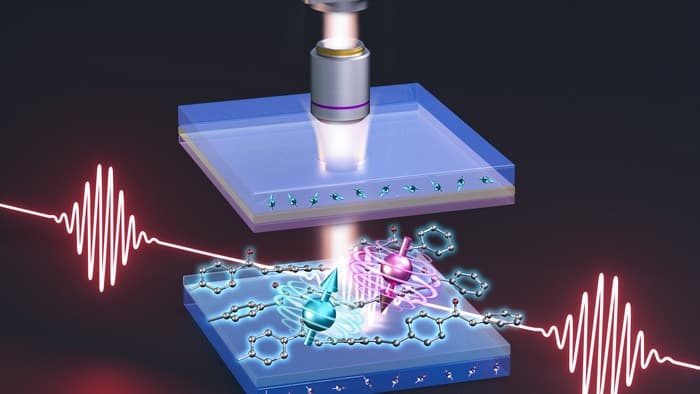
Quantum sensing is emerging as a transformative technology for detecting fugitive emissions with unprecedented precision and sensitivity. By enabling real-time monitoring of invisible gas leaks, industries can strengthen environmental compliance, enhance workplace safety, reduce greenhouse gas emissions, and support sustainable, data-driven industrial operations.
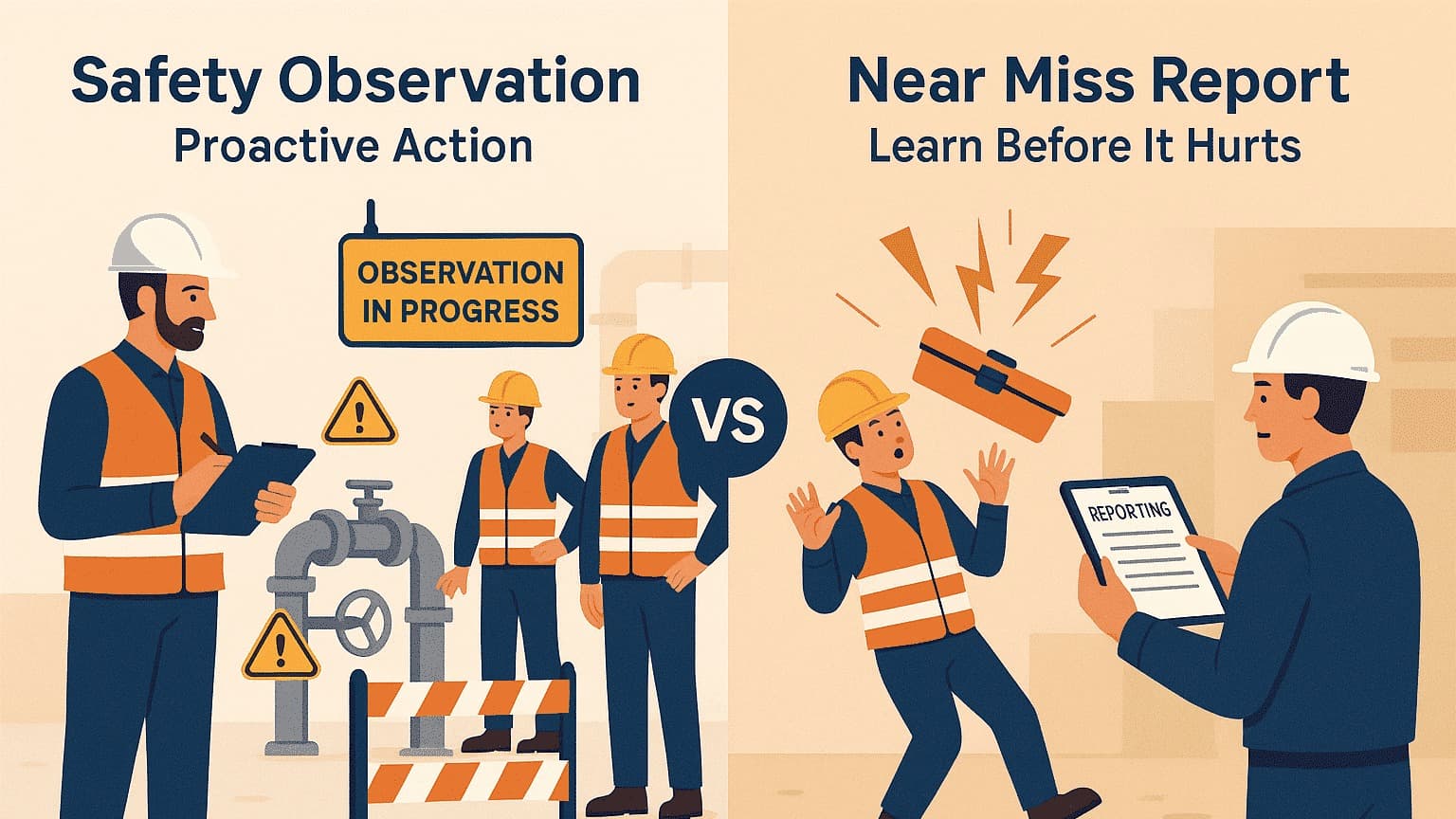
Every incident is often preceded by warning signs that, if identified early, can prevent injuries and losses. Safety observations empower employees to recognize hazards, report unsafe conditions, and encourage safe behaviors. By staying alert and taking timely action, everyone contributes to building a proactive and resilient safety culture.

Environmental protection on military bases preserves natural resources, reduces pollution, ensures regulatory compliance, and supports sustainable mission readiness.