


Human factors play a decisive role in workplace safety, influencing how people interact with systems, procedures, and environments. Understanding the causes of human error and designing systems that anticipate behavioural limitations is essential for preventing incidents and improving HSE performance.

Workplace safety incidents are often attributed to human error, yet this explanation oversimplifies a complex issue. Human error is rarely the sole cause of accidents; it is typically the final link in a chain of system weaknesses. Understanding human factors the interaction between people, tasks, equipment, and organizational systems is essential for designing safer workplaces and achieving sustainable HSE outcomes.
Human behaviour is influenced by a wide range of factors, including workload, time pressure, fatigue, training quality, supervision, and organizational culture. When safety systems fail to account for these influences, they place unrealistic expectations on individuals to perform flawlessly under imperfect conditions. A human factors approach recognizes that errors are predictable and manageable through better system design.
Errors in the workplace generally fall into three categories: slips, lapses, and mistakes. Slips and lapses occur when attention or memory fails, often during routine tasks. Mistakes arise from incorrect decisions or flawed understanding of a situation. Each type of error requires different preventive strategies. Treating all errors as behavioural violations leads to ineffective controls and misplaced blame.
Procedures are a critical interface between humans and systems, yet they are often poorly designed. Overly complex, ambiguous, or impractical procedures increase the likelihood of deviation. When procedures conflict with real-world work conditions, employees are forced to improvise. A human-centered approach ensures procedures are clear, usable, and aligned with how work is actually performed.
Fatigue is one of the most significant human factor risks, particularly in industries involving long hours, shift work, or repetitive tasks. Fatigue impairs judgment, reaction time, and situational awareness, increasing the likelihood of errors. Managing fatigue requires organizational controls such as workload planning, adequate rest periods, and realistic scheduling, rather than relying solely on individual self-management.
Training quality directly influences human performance. Training that focuses only on rules and compliance fails to equip workers with the skills needed to recognize and respond to abnormal situations. Scenario-based training and experiential learning improve decision-making under pressure. Continuous learning reinforces safe behaviours and adapts skills to evolving risks.
The physical work environment also affects human performance. Poor lighting, excessive noise, awkward layouts, and inadequate ergonomics increase cognitive and physical strain. Designing workspaces with human capabilities and limitations in mind reduces error potential and improves overall efficiency. Ergonomic design is not a comfort issue; it is a safety requirement.
Organizational culture plays a defining role in shaping behaviour. In environments where productivity is rewarded at the expense of safety, employees are more likely to take shortcuts. Conversely, a culture that encourages reporting, learning, and open communication reduces fear and promotes safe decision-making. Leadership behaviour strongly influences this culture through visible actions and responses to incidents.
Incident investigations often fail to consider human factors adequately. Focusing on individual actions without examining underlying system conditions results in repeated incidents. A human factors–based investigation examines workload, supervision, equipment design, communication, and organizational pressures. This approach identifies root causes and leads to more effective corrective actions.
Technology can either support or hinder human performance. Poorly designed interfaces, excessive alarms, or complex control systems increase cognitive load and confusion. In contrast, intuitive interfaces and decision-support tools enhance situational awareness. Human factors engineering ensures that technology complements human capabilities rather than overwhelming them.
From a leadership perspective, addressing human factors requires shifting from blame to understanding. Leaders must recognize that safety is a system property, not an individual trait. Investing in system improvements, training, and supportive culture yields greater safety benefits than punitive measures.
In the Indian workplace context, diverse skill levels, language differences, and varying safety maturity add complexity to human factors management. Tailored communication, culturally appropriate training, and inclusive safety design are essential for effective risk control.
In conclusion, human factors are central to workplace safety performance. By understanding how people interact with systems and designing workplaces that anticipate human limitations, organizations can significantly reduce incidents and enhance HSE outcomes. Safety improves not by expecting perfection, but by designing systems that support safe performance.

Quantum sensing is emerging as a transformative technology for detecting fugitive emissions with unprecedented precision and sensitivity. By enabling real-time monitoring of invisible gas leaks, industries can strengthen environmental compliance, enhance workplace safety, reduce greenhouse gas emissions, and support sustainable, data-driven industrial operations.
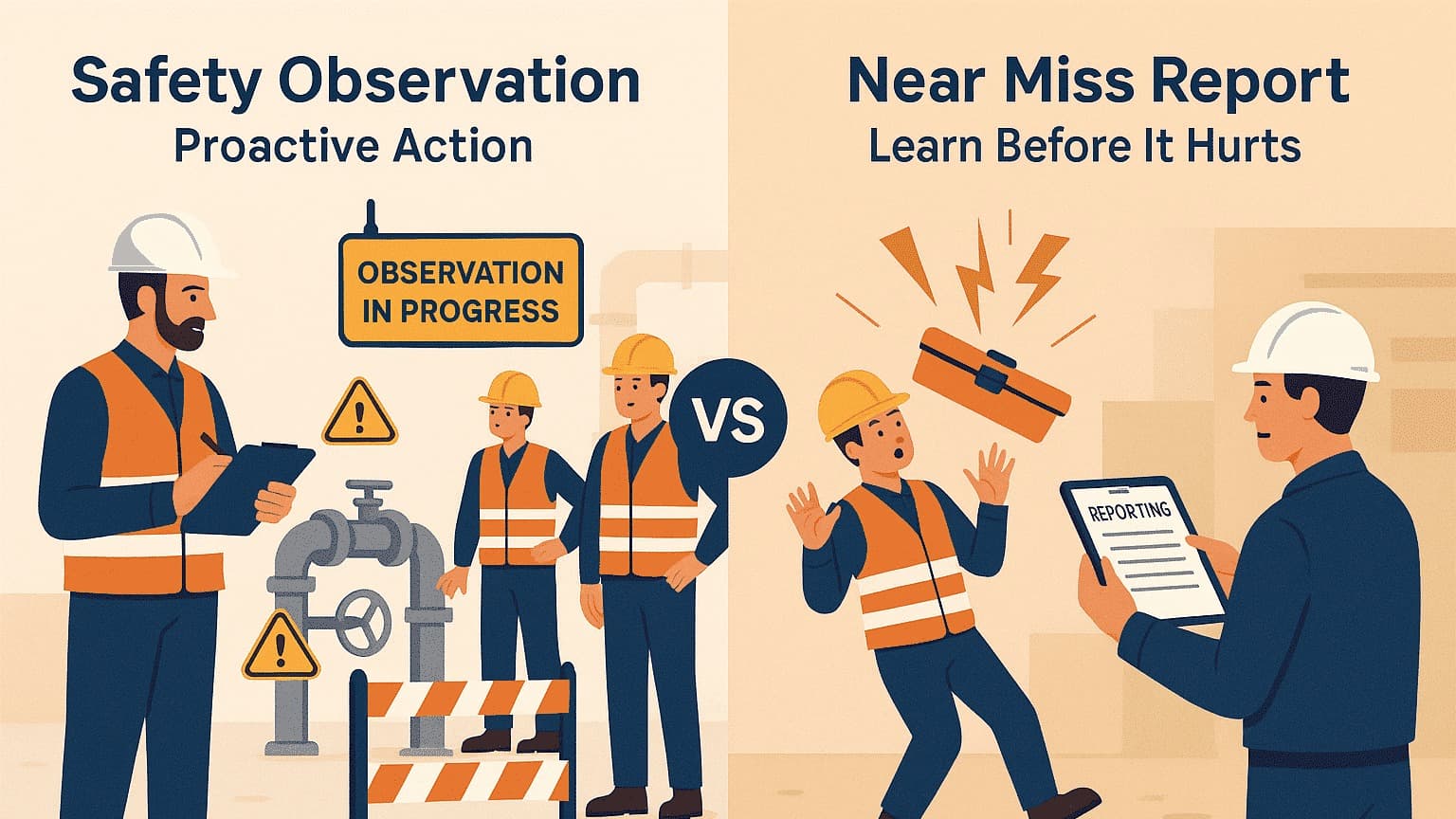
Every incident is often preceded by warning signs that, if identified early, can prevent injuries and losses. Safety observations empower employees to recognize hazards, report unsafe conditions, and encourage safe behaviors. By staying alert and taking timely action, everyone contributes to building a proactive and resilient safety culture.

Environmental protection on military bases preserves natural resources, reduces pollution, ensures regulatory compliance, and supports sustainable mission readiness.