


HSE performance measurement is evolving from reactive lagging indicators to proactive leading indicators. By focusing on near-misses, unsafe conditions, and behavioral trends, organizations can predict and prevent incidents, enabling a shift toward data-driven, predictive safety management and continuous improvement in workplace safety performance.

Measuring performance has always been a fundamental aspect of Health, Safety, and Environment (HSE) management. For decades, organizations have relied heavily on lagging indicators metrics that reflect incidents that have already occurred, such as injury rates, Lost Time Incidents (LTI), and accident frequency rates. While these indicators provide valuable insights into past performance, they offer limited capability in preventing future incidents. As industries evolve and safety expectations rise, there is a growing shift toward incorporating leading indicators that enable proactive and predictive safety management.
Lagging indicators are outcome-based metrics that measure the consequences of failures in safety systems. Common examples include Total Recordable Incident Rate (TRIR), Lost Time Injury Frequency Rate (LTIFR), and number of fatalities. These metrics are easy to quantify and widely used for benchmarking and regulatory reporting. However, they are inherently reactive, as they only capture events after harm has occurred. Relying solely on lagging indicators can create a false sense of security, particularly in environments where serious incidents are rare but potential risks remain high.
In contrast, leading indicators focus on activities, conditions, and behaviors that precede incidents. They provide early warning signals of potential risks and help organizations take preventive action. Examples of leading indicators include safety audits, near-miss reporting, hazard identification, training completion rates, equipment inspections, and safety observations. These indicators are proactive in nature and offer insights into the effectiveness of safety management systems.
The transition from lagging to leading indicators represents a fundamental shift in HSE philosophy from reactive to preventive. Instead of asking “What went wrong?” organizations are now focusing on “What could go wrong?” and “How can it be prevented?” This approach aligns with modern risk management principles and supports the development of a stronger safety culture.
One of the key benefits of leading indicators is their ability to drive continuous improvement. By monitoring safety-related activities and behaviors, organizations can identify trends and patterns that may indicate underlying issues. For example, a decline in safety observations or an increase in near-miss incidents may signal reduced safety awareness or emerging hazards. Addressing these issues early can prevent more serious incidents in the future.
Data plays a crucial role in the effective use of leading indicators. Organizations must collect, analyze, and interpret large volumes of safety data to identify meaningful insights. Advanced analytics tools and digital platforms are increasingly being used to process this data, enabling real-time monitoring and decision-making. Predictive analytics, powered by artificial intelligence, can further enhance this capability by identifying correlations and forecasting potential risks.
Integration of leading and lagging indicators is essential for a balanced HSE performance measurement system. While leading indicators help prevent incidents, lagging indicators provide a record of outcomes and help validate the effectiveness of safety programs. Together, they offer a comprehensive view of safety performance, enabling organizations to measure both effort and results.
Implementing leading indicators, however, presents certain challenges. Unlike lagging indicators, which are standardized and easy to measure, leading indicators can be more complex and subjective. Defining meaningful metrics that accurately reflect safety performance requires careful consideration and alignment with organizational goals. Additionally, ensuring data quality and consistency is critical to avoid misleading conclusions.
Another challenge is cultural acceptance. Shifting focus from incident reporting to proactive safety management requires a change in mindset across all levels of the organization. Employees must be encouraged to report near misses, participate in safety programs, and take ownership of safety practices. Leadership commitment is essential in fostering this culture and ensuring that safety is prioritized over operational pressures.
Training and awareness are key enablers in the successful adoption of leading indicators. Employees must understand the importance of proactive safety measures and how their actions contribute to overall safety performance. Regular communication, feedback, and recognition of safe behaviors can reinforce positive practices and drive engagement.
Technology is playing an increasingly important role in advancing HSE performance measurement. Digital platforms enable seamless data collection, real-time reporting, and integration with other systems such as maintenance and operations. Mobile applications allow workers to report hazards and near misses instantly, improving data accuracy and timeliness. These tools not only enhance efficiency but also support a more transparent and accountable safety environment.
Regulatory bodies and industry standards are also recognizing the importance of leading indicators. While traditional regulations have focused on incident reporting, there is a growing emphasis on proactive risk management and continuous improvement. Organizations that adopt leading indicators are better positioned to meet these evolving requirements and demonstrate their commitment to safety excellence.
In conclusion, the shift from lagging to leading indicators marks a significant advancement in HSE performance measurement. By focusing on proactive measures, organizations can identify risks early, prevent incidents, and foster a culture of continuous improvement. The integration of data analytics, technology, and human engagement further enhances the effectiveness of this approach. As the industry moves toward predictive safety analytics, leading indicators will play a central role in shaping the future of HSE management.

Quantum sensing is emerging as a transformative technology for detecting fugitive emissions with unprecedented precision and sensitivity. By enabling real-time monitoring of invisible gas leaks, industries can strengthen environmental compliance, enhance workplace safety, reduce greenhouse gas emissions, and support sustainable, data-driven industrial operations.
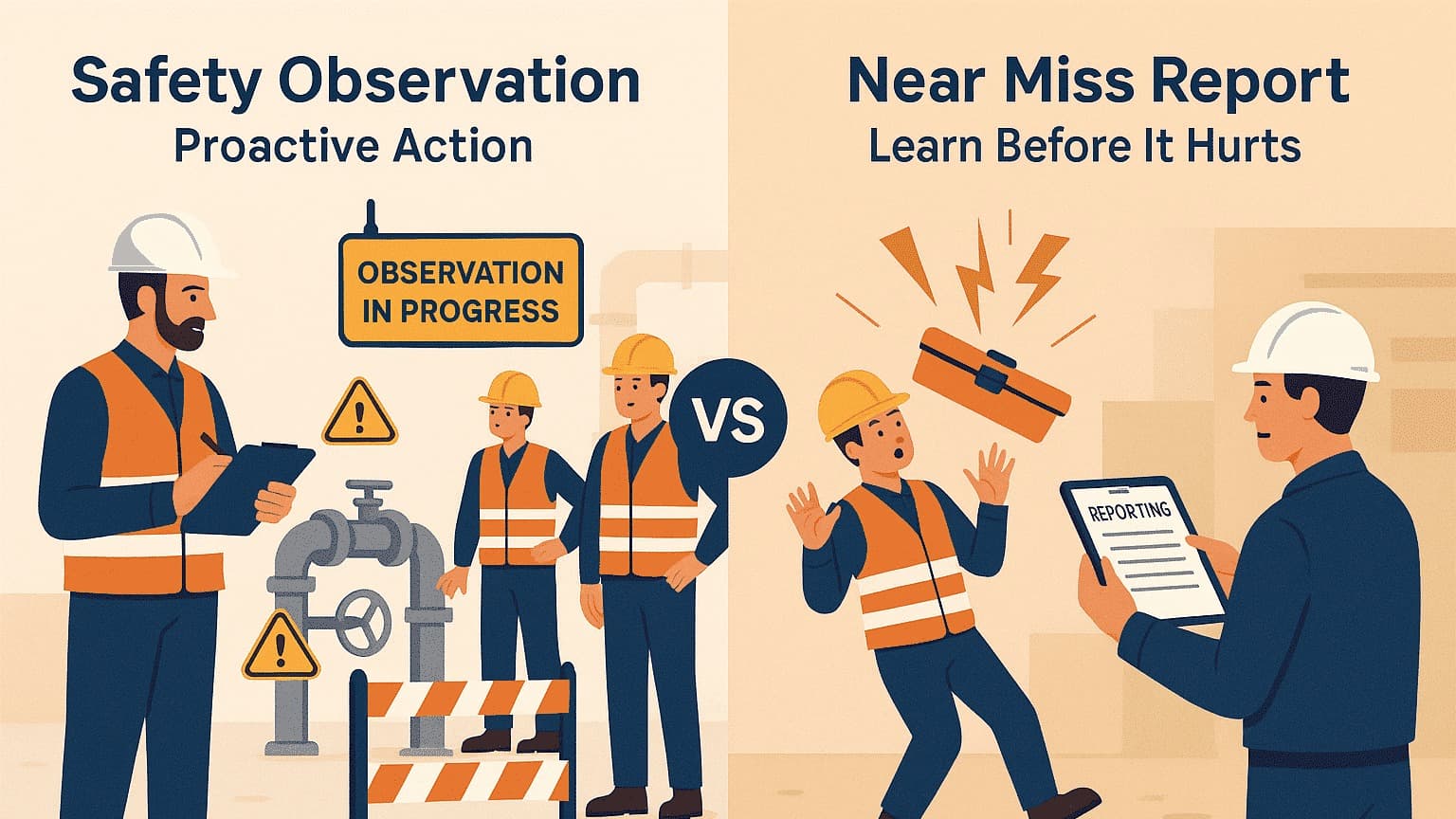
Every incident is often preceded by warning signs that, if identified early, can prevent injuries and losses. Safety observations empower employees to recognize hazards, report unsafe conditions, and encourage safe behaviors. By staying alert and taking timely action, everyone contributes to building a proactive and resilient safety culture.

Environmental protection on military bases preserves natural resources, reduces pollution, ensures regulatory compliance, and supports sustainable mission readiness.