


Process Safety Management (PSM) is a structured framework designed to prevent catastrophic industrial incidents by identifying, evaluating, and controlling process-related hazards. By integrating engineering practices, risk assessment tools, and operational discipline, PSM ensures safer operations in high-risk industries such as oil & gas, chemicals, and manufacturing.

In high-risk industries such as oil and gas, petrochemicals, pharmaceuticals, and heavy manufacturing, the consequences of process failures can be catastrophic, resulting in fires, explosions, toxic releases, and significant environmental damage. Process Safety Management (PSM) has emerged as a critical discipline within Health, Safety, and Environment (HSE) frameworks, focusing specifically on preventing such major incidents through systematic risk identification and control.
Unlike occupational safety, which primarily addresses personal injuries and workplace hazards, process safety is concerned with the integrity of systems that handle hazardous substances. It focuses on preventing loss of containment events that can lead to large-scale disasters. The importance of PSM is underscored by historical industrial accidents, which have demonstrated that even minor lapses in process control can escalate into major incidents.
At its core, PSM is a comprehensive management system that integrates engineering, operational, and organizational practices to manage process-related risks. It is built on a structured framework that includes elements such as hazard identification, risk assessment, operating procedures, mechanical integrity, management of change, and emergency preparedness. Each of these elements plays a vital role in ensuring that processes are designed, operated, and maintained safely.
One of the foundational components of PSM is hazard identification and risk analysis. Techniques such as Hazard and Operability Studies (HAZOP), Failure Mode and Effects Analysis (FMEA), and Layer of Protection Analysis (LOPA) are widely used to identify potential deviations in processes and assess their consequences. These methodologies enable organizations to anticipate possible failure scenarios and implement appropriate safeguards before incidents occur.
Operating procedures form another critical element of PSM. Clear, accurate, and up-to-date procedures ensure that processes are carried out consistently and safely. These procedures must cover all aspects of operations, including startup, shutdown, normal operation, and emergency conditions. Proper training and competency development are essential to ensure that personnel understand and adhere to these procedures.
Mechanical integrity is equally important in maintaining process safety. Equipment such as pressure vessels, pipelines, valves, and instrumentation must be regularly inspected, tested, and maintained to ensure their reliability. Failures in mechanical systems can lead to leaks or ruptures, triggering hazardous events. A robust maintenance program, supported by inspection schedules and condition monitoring, is essential to prevent such failures.
Management of Change (MOC) is another key pillar of PSM. Any modification to processes, equipment, materials, or operating conditions can introduce new risks. MOC ensures that changes are systematically evaluated, approved, and documented before implementation. This helps prevent unintended consequences that may arise from seemingly minor alterations.
Human factors also play a significant role in process safety. Errors in judgment, lack of training, or poor communication can compromise system integrity. Incorporating human factors engineering into process design helps reduce the likelihood of errors by considering ergonomics, workload, and decision-making processes. Continuous training and awareness programs further strengthen the human element of safety.
Another critical aspect of PSM is incident investigation and learning. Near misses and minor incidents often provide valuable insights into potential weaknesses in the system. By thoroughly investigating such events and implementing corrective actions, organizations can prevent recurrence and improve overall safety performance.
Emergency preparedness and response planning are integral to PSM. Despite best efforts to prevent incidents, organizations must be prepared to respond effectively in case of an emergency. This includes developing response plans, conducting regular drills, and ensuring coordination with external agencies such as fire services and emergency responders.
Regulatory frameworks and international standards play a significant role in guiding PSM implementation. Many countries have established regulations that mandate PSM practices in high-risk industries. Compliance with these regulations not only ensures legal adherence but also enhances organizational credibility and risk management capabilities.
The adoption of digital technologies is further enhancing PSM effectiveness. Advanced monitoring systems, predictive analytics, and real-time data integration are enabling organizations to identify risks earlier and respond more effectively. Digital twins and simulation tools allow for better visualization and analysis of process behavior under different scenarios.
However, implementing PSM is not without challenges. It requires strong leadership commitment, cross-functional collaboration, and a culture that prioritizes safety over production pressures. Organizations must invest in training, technology, and continuous improvement to sustain effective PSM systems.
In conclusion, Process Safety Management is a vital component of modern industrial operations, providing a structured approach to preventing major hazards. By integrating engineering controls, operational discipline, and risk management practices, PSM helps organizations safeguard lives, protect the environment, and ensure business continuity. As industries continue to evolve, the importance of robust and adaptive PSM frameworks will remain central to achieving sustainable and safe operations.

Quantum sensing is emerging as a transformative technology for detecting fugitive emissions with unprecedented precision and sensitivity. By enabling real-time monitoring of invisible gas leaks, industries can strengthen environmental compliance, enhance workplace safety, reduce greenhouse gas emissions, and support sustainable, data-driven industrial operations.
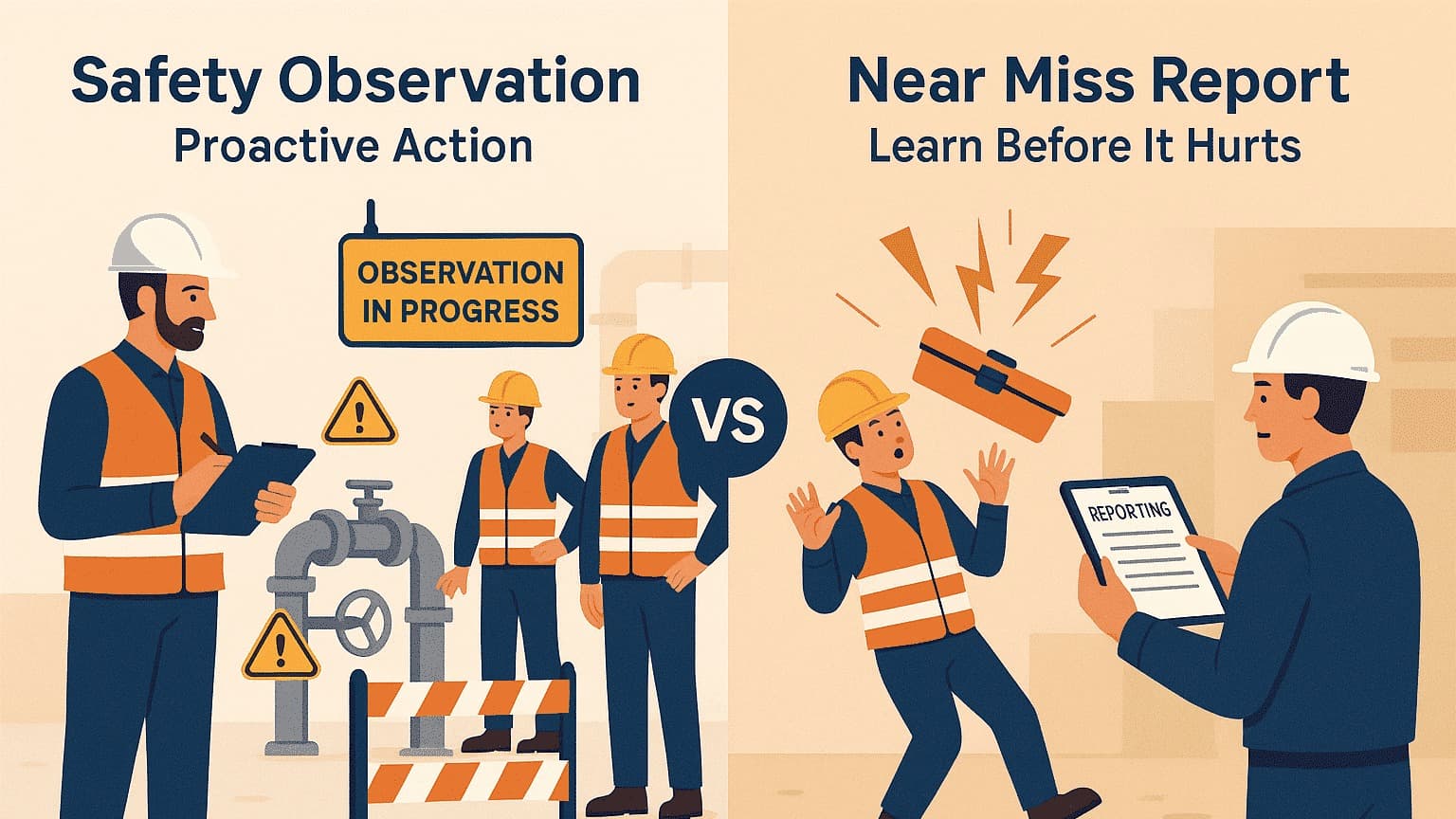
Every incident is often preceded by warning signs that, if identified early, can prevent injuries and losses. Safety observations empower employees to recognize hazards, report unsafe conditions, and encourage safe behaviors. By staying alert and taking timely action, everyone contributes to building a proactive and resilient safety culture.

Environmental protection on military bases preserves natural resources, reduces pollution, ensures regulatory compliance, and supports sustainable mission readiness.