


Heat exposure must be managed as a critical risk through enforced hydration, structured work-rest cycles, and continuous workforce monitoring. Supervisors are accountable for identifying early symptoms and ensuring worker fitness. No task shall proceed under unsafe conditions. Strict compliance, proactive intervention, and zero tolerance for lapses are mandatory throughout May operations.
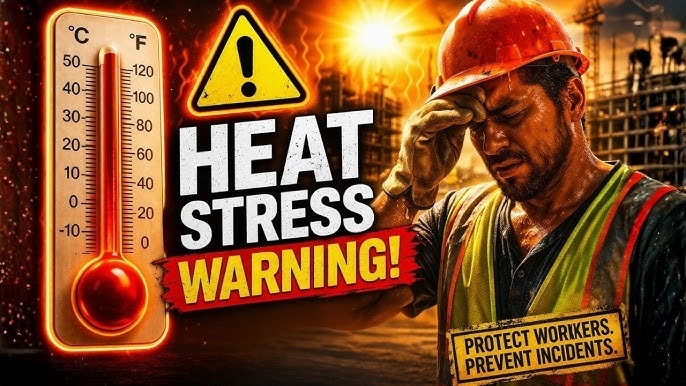
As site operations enter the month of May, all departments must recognize that rising ambient temperatures introduce a significant and measurable increase in operational risk. Heat exposure is not limited to physical discomfort; it directly affects workforce efficiency, cognitive function, and decision-making capability. Without strict control measures, heat-related conditions can rapidly escalate into serious incidents, impacting both personnel safety and operational continuity.
It is therefore mandatory that all site management and supervisory personnel treat heat exposure as a critical safety parameter requiring continuous monitoring and enforcement. The approach must be proactive, structured, and consistently applied across all work areas, particularly in outdoor environments and high-temperature zones such as confined spaces, mechanical areas, and process units.
Hydration Management is the first line of defence against heat-related risks. However, reliance on voluntary intake is insufficient. A controlled hydration system must be implemented, where workers are instructed and reminded to consume water at regular intervals, regardless of perceived thirst. Dehydration often develops before symptoms are recognized, leading to a decline in concentration and physical performance. Supervisors must ensure that adequate quantities of clean, cool drinking water are available at all work locations and are replenished throughout the shift without interruption.
In parallel, structured work-rest cycles must be established based on environmental conditions, workload intensity, and risk level. Continuous work under high heat conditions is strictly prohibited. Tasks involving heavy physical exertion must be carefully planned to avoid peak temperature periods, typically during midday hours. Where operationally feasible, work schedules should be adjusted to early morning or late afternoon shifts to reduce exposure. Supervisors are responsible for ensuring that these adjustments are implemented effectively and not compromised due to production pressures.
Provision of suitable rest areas is a mandatory requirement. These areas must provide adequate shade or cooling, be easily accessible, and maintained in a clean and usable condition. Workers must be encouraged to utilize rest breaks fully, without fear of productivity-related consequences. Rest periods are a safety control measure and must be treated as such, not as optional downtime.
Beyond environmental controls, workforce readiness and fitness monitoring must be conducted daily. Supervisors must actively observe personnel for early warning signs of heat stress, including but not limited to fatigue, excessive sweating, muscle cramps, dizziness, nausea, confusion, or reduced responsiveness. These symptoms may vary in severity but must never be ignored.
Any individual exhibiting signs of heat-related stress must be immediately removed from the work area, particularly from high-risk tasks such as working at height, operating machinery, or handling hazardous materials. Appropriate first response actions must be taken, including hydration, cooling measures, and medical evaluation if necessary. Delayed response or failure to act in such situations will be considered a serious lapse in supervisory responsibility.
It is also critical to understand that heat stress impacts not only physical health but also decision-making ability and reaction time. Workers under heat strain are more likely to make errors, overlook hazards, or take unsafe shortcuts. This increases the probability of incidents, even in otherwise controlled environments. Therefore, supervisors must remain vigilant not only for physical symptoms but also for behavioural changes such as reduced attention, slower response, or signs of confusion.
To strengthen control measures, daily toolbox talks and pre-shift briefings must include specific communication on heat stress awareness. Workers must be educated on recognizing early symptoms, maintaining hydration, and reporting discomfort without delay. A culture of early reporting must be reinforced, where workers feel responsible for their own safety and that of their colleagues.
Personal Protective Equipment (PPE) requirements must also be reviewed in the context of heat exposure. While PPE is essential for hazard protection, it may contribute to heat retention. Supervisors must ensure that PPE is appropriate for the conditions and that additional precautions are taken where necessary, such as increased rest frequency or cooling measures.
No task shall proceed if there is any doubt regarding worker fitness or environmental safety conditions. Proceeding with work under compromised conditions is strictly prohibited and will be treated as a serious violation of HSE standards. Supervisors and line managers will be held directly accountable for enforcing this requirement.
Furthermore, site management must ensure that emergency response arrangements are in place to handle heat-related incidents. This includes availability of first aid resources, trained personnel, and clear procedures for escalation and medical support. Preparedness is essential to minimize the impact of any heat-related emergency.
In conclusion, heat exposure control during May operations is a non-negotiable requirement that demands strict adherence at all levels. Effective management requires planning, supervision, worker engagement, and continuous monitoring. There is zero tolerance for negligence, oversight, or deviation from established controls.
All personnel are expected to comply fully with these requirements and demonstrate a high level of discipline and accountability. Safety performance during high-temperature conditions will be closely monitored, and any failure to meet expectations will result in immediate corrective action.

Quantum sensing is emerging as a transformative technology for detecting fugitive emissions with unprecedented precision and sensitivity. By enabling real-time monitoring of invisible gas leaks, industries can strengthen environmental compliance, enhance workplace safety, reduce greenhouse gas emissions, and support sustainable, data-driven industrial operations.
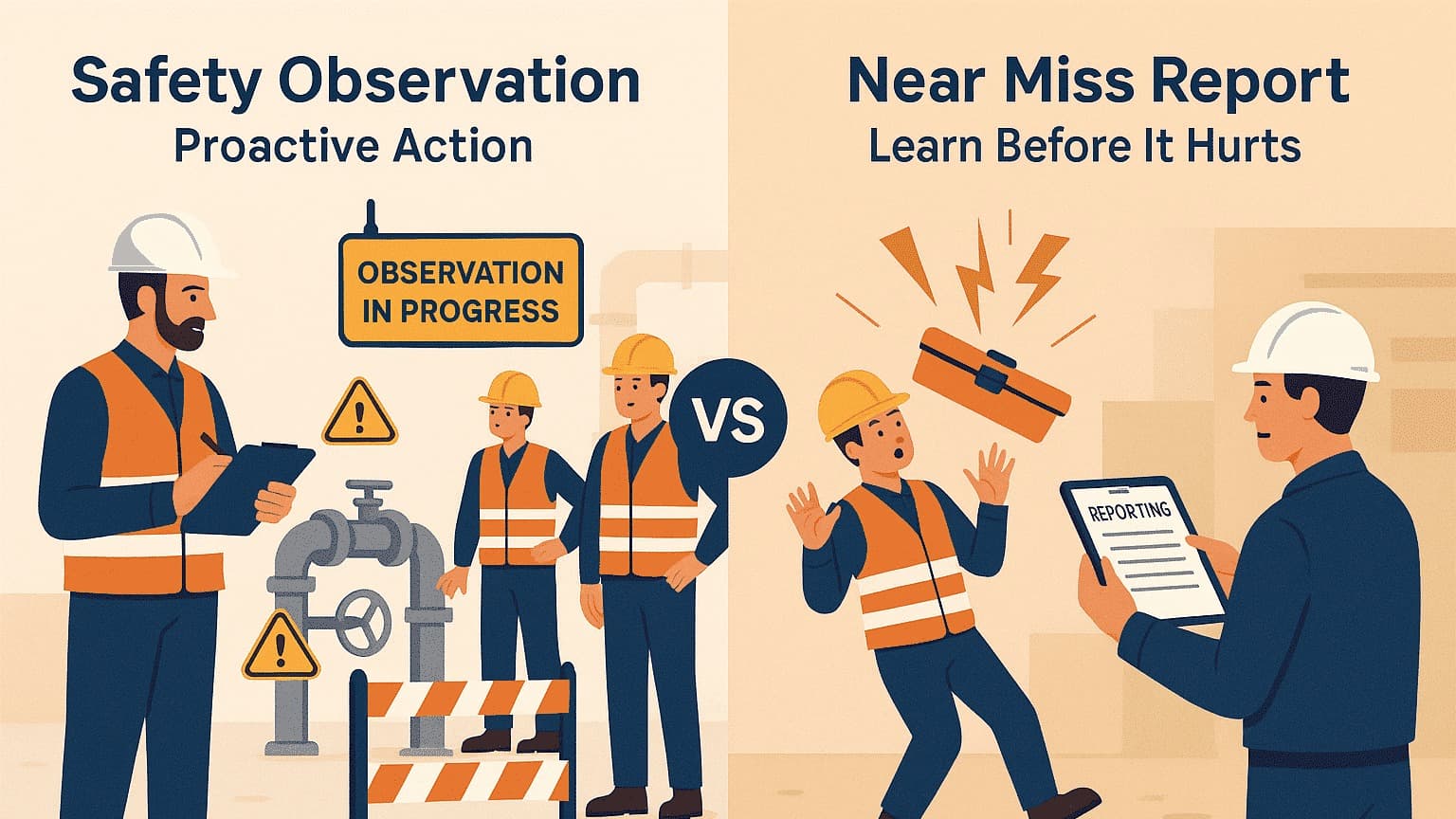
Every incident is often preceded by warning signs that, if identified early, can prevent injuries and losses. Safety observations empower employees to recognize hazards, report unsafe conditions, and encourage safe behaviors. By staying alert and taking timely action, everyone contributes to building a proactive and resilient safety culture.

Environmental protection on military bases preserves natural resources, reduces pollution, ensures regulatory compliance, and supports sustainable mission readiness.