


Sustainable workplace safety is driven by leadership, not regulations alone. This article explores how safety leadership transforms compliance-based systems into strong safety cultures, where accountability, behavior, and organizational values work together to deliver long-term HSE excellence.

Many organizations operate within regulatory frameworks and maintain formal safety programs, yet continue to experience recurring incidents and unsafe behaviors. This disconnect highlights a critical reality in modern Health, Safety, and Environment management: compliance alone does not create safe workplaces. True safety excellence is achieved when leadership actively shapes a culture where safety is embedded in everyday decisions and behaviors.
Safety leadership refers to the visible and consistent actions taken by leaders at all levels to prioritize health and safety. Unlike compliance-driven approaches that focus on rules and enforcement, safety leadership emphasizes influence, example, and accountability. Employees closely observe how leaders respond to safety issues, production pressures, and incident reporting, and these responses ultimately define the organization’s safety culture.
One of the most powerful indicators of safety leadership is how leaders balance safety with operational demands. When deadlines, cost pressures, or productivity targets override safety considerations, employees receive a clear signal that safety is negotiable. In contrast, leaders who consistently pause operations to address risks reinforce the message that safety is a core organizational value.
Visibility and engagement are essential components of effective safety leadership. Leaders who conduct regular safety walks, participate in toolbox meetings, and engage directly with frontline workers gain valuable insights into real-world risks. These interactions also build trust, encouraging employees to raise concerns and share suggestions without fear of reprisal.
Communication plays a central role in shaping safety culture. Leaders must establish open, two-way communication channels that support transparent reporting of hazards, near misses, and incidents. A blame-free reporting environment enables learning and continuous improvement, shifting the focus from fault-finding to prevention.
Training and capability development are critical to sustaining safety leadership. Supervisors and managers require more than technical knowledge; they need skills in risk assessment, behavioral observation, conflict resolution, and effective communication. Leadership development programs that integrate HSE principles ensure consistent safety expectations across departments and locations.
Accountability is another defining element of safety leadership. Clear performance indicators, aligned incentives, and regular reviews ensure that safety responsibilities are taken seriously. When leaders are held accountable for safety outcomes alongside financial performance, it reinforces the importance of balanced decision-making.
Global organizations increasingly recognize safety culture as a key measure of operational excellence. International audits, client evaluations, and ESG assessments often examine leadership involvement, workforce engagement, and cultural maturity. Organizations with strong safety leadership demonstrate discipline, ethical governance, and long-term sustainability.
Technology can support safety leadership, but it cannot replace it. Digital tools provide data and visibility, yet it is leadership action that transforms information into meaningful change. Leaders must interpret data, prioritize risks, and allocate resources to address underlying issues.
Building a strong safety culture is an ongoing journey that requires consistency and commitment. Leadership transitions, organizational growth, and external pressures can test safety values. Organizations that sustain safety leadership through these changes build resilience and maintain high safety performance.
Ultimately, moving from compliance to culture requires leaders to see safety not as a cost or obligation, but as a reflection of organizational integrity. When safety leadership becomes ingrained in everyday practice, organizations create workplaces where people are protected, engaged, and empowered to perform at their best.

Quantum sensing is emerging as a transformative technology for detecting fugitive emissions with unprecedented precision and sensitivity. By enabling real-time monitoring of invisible gas leaks, industries can strengthen environmental compliance, enhance workplace safety, reduce greenhouse gas emissions, and support sustainable, data-driven industrial operations.
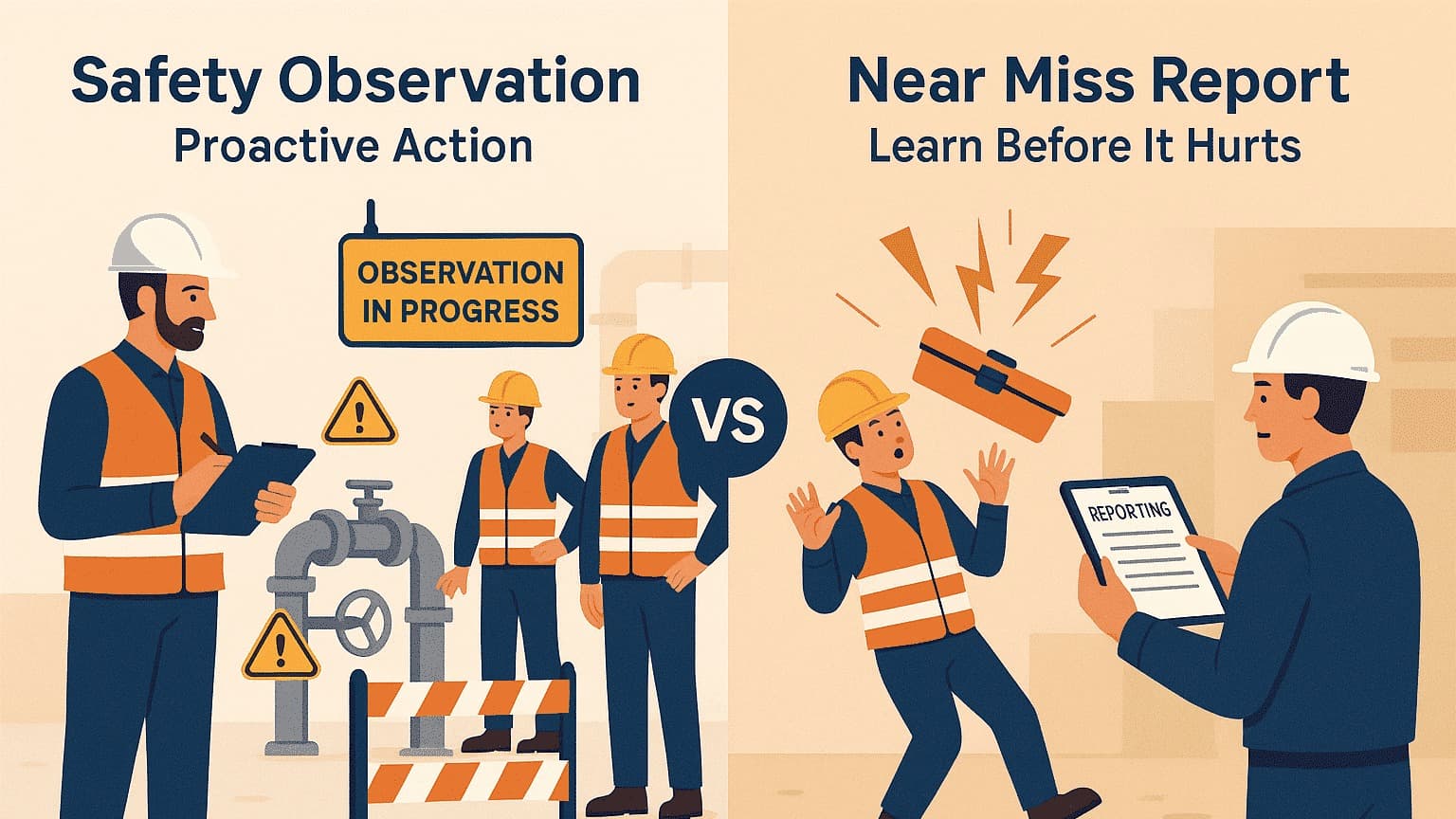
Every incident is often preceded by warning signs that, if identified early, can prevent injuries and losses. Safety observations empower employees to recognize hazards, report unsafe conditions, and encourage safe behaviors. By staying alert and taking timely action, everyone contributes to building a proactive and resilient safety culture.

Environmental protection on military bases preserves natural resources, reduces pollution, ensures regulatory compliance, and supports sustainable mission readiness.