


As Indian organizations expand into global markets, aligning workplace safety with international HSE standards has become a strategic necessity. This article explores how global frameworks, leadership accountability, and proactive risk management help organizations enhance credibility, operational resilience, and international competitiveness.

India’s growing integration into global supply chains, international exhibitions, and cross-border business partnerships has significantly reshaped expectations around workplace safety. Health, Safety, and Environment performance is no longer viewed merely as a statutory requirement but as a reflection of organizational maturity, governance quality, and ethical responsibility. For Indian companies aspiring to compete globally, aligning workplace safety practices with international HSE standards has become a business imperative.
International frameworks such as ISO 45001 for occupational health and safety, ISO 14001 for environmental management, and conventions issued by the International Labour Organization provide a structured and universally recognized approach to managing workplace risks. These standards emphasize prevention, leadership involvement, worker participation, and continuous improvement rather than reactive incident management. Organizations that adopt such frameworks demonstrate consistency, transparency, and accountability qualities that are increasingly scrutinized by global clients and investors.
One of the most critical shifts introduced by international HSE standards is the transition from compliance-based safety management to risk-based thinking. Instead of focusing solely on meeting regulatory checklists, organizations are required to systematically identify hazards, assess risks, and implement controls before incidents occur. This proactive approach reduces accidents, enhances operational efficiency, and fosters confidence among employees and external stakeholders alike.
Leadership accountability forms the cornerstone of global HSE alignment. International standards clearly place responsibility on top management to integrate health and safety into overall business strategy. Safety objectives are expected to align with organizational goals, resource allocation, and performance measurement. When senior leadership visibly prioritizes safety, it sends a powerful message that employee well-being is valued as highly as productivity and profitability.
Another defining element of global HSE systems is structured documentation and performance measurement. International audits demand clear safety policies, defined roles and responsibilities, incident reporting mechanisms, and evidence of corrective and preventive actions. Organizations are increasingly leveraging digital HSE management systems to track incidents, analyze trends, and demonstrate compliance during third-party assessments. Such systems not only improve internal control but also enhance credibility during international engagements.
Employee involvement is a fundamental requirement under global HSE frameworks. Workers are encouraged to participate in hazard identification, safety committees, and continuous improvement initiatives. This inclusive approach strengthens safety culture and ensures that policies are grounded in practical realities. When employees feel empowered to speak up about unsafe conditions, organizations gain valuable insights that prevent incidents before they escalate.
Environmental responsibility is equally integral to international HSE expectations. Organizations are evaluated on waste management, emissions control, energy efficiency, and preparedness for environmental emergencies. As global attention on sustainability intensifies, companies that demonstrate strong environmental stewardship gain a competitive advantage and align with broader ESG objectives.
Contractor and supply chain safety management has also gained prominence under global standards. Organizations are expected to extend their safety expectations beyond permanent employees to contractors, vendors, and service providers. Clear communication, training, and monitoring ensure consistent safety performance across all operations, reducing legal exposure and reputational risk.
Aligning with international HSE standards also enhances organizational resilience. Well-structured safety systems improve emergency preparedness, business continuity, and crisis response capabilities. In an era of increasing operational complexity and uncertainty, resilient organizations are better equipped to manage disruptions while safeguarding people and assets.
From a global perspective, strong HSE performance has become a key differentiator. International clients often assess safety records, certification status, and cultural maturity before awarding contracts or partnerships. For Indian organizations, global HSE alignment signals readiness to operate on the world stage and strengthens trust with international stakeholders.
Ultimately, globalizing workplace safety is not about adopting foreign practices for compliance alone. It is about embracing a mindset that values prevention, accountability, and continuous improvement. Organizations that invest in aligning their HSE systems with international standards build safer workplaces, enhance global credibility, and position themselves for sustainable long-term growth in an increasingly competitive global environment.

Quantum sensing is emerging as a transformative technology for detecting fugitive emissions with unprecedented precision and sensitivity. By enabling real-time monitoring of invisible gas leaks, industries can strengthen environmental compliance, enhance workplace safety, reduce greenhouse gas emissions, and support sustainable, data-driven industrial operations.
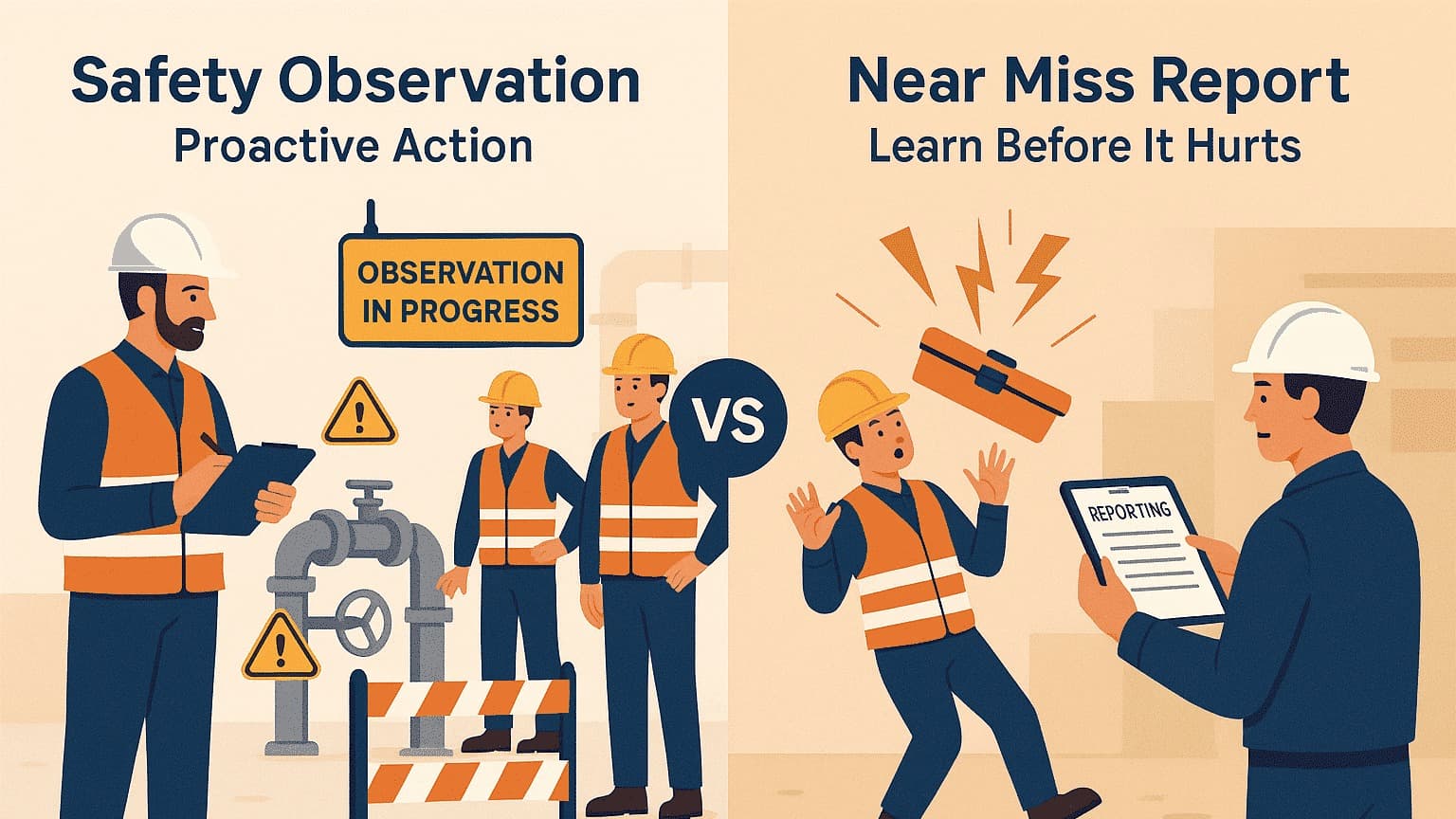
Every incident is often preceded by warning signs that, if identified early, can prevent injuries and losses. Safety observations empower employees to recognize hazards, report unsafe conditions, and encourage safe behaviors. By staying alert and taking timely action, everyone contributes to building a proactive and resilient safety culture.

Environmental protection on military bases preserves natural resources, reduces pollution, ensures regulatory compliance, and supports sustainable mission readiness.