


As climate change intensifies, workplaces face new and unpredictable hazards. Building climate resilience within HSE systems is essential for protecting workers, assets, and communities. By integrating weather risk management, adaptive planning, and sustainable infrastructure, organizations can ensure business continuity and safeguard lives in an increasingly volatile world.

Climate change is reshaping the way industries view safety, health, and environmental management. Rising temperatures, unpredictable weather patterns, and frequent natural disasters are no longer distant environmental issues they are immediate threats to people, property, and productivity. For modern organizations, ensuring climate resilience has become a crucial component of HSE strategy. It’s not only about mitigating emissions or complying with environmental norms; it’s about protecting the workforce and operations from the escalating physical and economic impacts of a changing climate.
The connection between climate change and workplace safety is undeniable. Heatwaves increase the risk of heat stress, dehydration, and fatigue, particularly for outdoor and industrial workers. Floods, cyclones, and heavy rains disrupt operations and endanger workers in construction, mining, and logistics sectors. Air pollution, wildfires, and humidity fluctuations also pose chronic health risks. To safeguard workers, organizations must anticipate these emerging threats and embed adaptive measures into every layer of their HSE framework.
The first step toward building climate resilience is risk assessment and vulnerability mapping. Every organization should evaluate how climate hazards could impact its operations, infrastructure, and workforce. This involves analyzing local weather trends, identifying vulnerable facilities, and assessing the exposure of workers to extreme conditions. Such data-driven assessments enable companies to develop tailored preparedness plans that reflect their unique risk profile. For instance, coastal facilities might focus on storm protection and flood control, while inland industries may prioritize heat mitigation and water conservation.
Adaptive planning is the cornerstone of climate-resilient HSE management. Unlike traditional safety plans that rely on fixed assumptions, adaptive strategies evolve with changing environmental realities. Organizations should establish flexible emergency response systems that can be quickly adjusted for different scenarios from power outages and heat alerts to flood evacuations and supply chain disruptions. This agility ensures continuity and reduces downtime during unforeseen events.
Infrastructure resilience is equally critical. Facilities must be designed or retrofitted to withstand extreme weather conditions. This includes reinforcing roofs and drainage systems, elevating electrical installations, and implementing flood barriers or cooling systems. Sustainable building materials, energy-efficient designs, and natural ventilation not only enhance durability but also reduce environmental impact. Moreover, integrating renewable energy sources like solar panels or wind turbines ensures operational continuity during disasters that disrupt conventional power supply.
Worker protection and training form the human backbone of climate resilience. Employees must be equipped to recognize early signs of climate-related stress and respond appropriately. For example, training programs should include awareness of heat illness symptoms, safe hydration practices, and emergency response procedures for floods or storms. Rotating shifts during extreme heat, providing shaded rest areas, and ensuring adequate hydration can significantly reduce the risk of heat-related illnesses. Personal Protective Equipment (PPE) should also evolve incorporating breathable, UV-protective, or moisture-wicking materials suitable for changing weather conditions.
Technology and early warning systems are vital tools in proactive climate safety management. IoT-based environmental sensors can monitor parameters like temperature, humidity, wind speed, and air quality in real time, triggering alerts when conditions become unsafe. Mobile apps and automated notification systems can instantly communicate weather warnings or evacuation instructions to field workers. Predictive analytics powered by AI can also help forecast potential climate disruptions and guide decision-making on production schedules, logistics, and workforce deployment.
The concept of climate-smart HSE management extends beyond immediate physical protection it also involves integrating sustainability into operations to reduce the organization’s overall carbon footprint. By adopting renewable energy, reducing waste, and improving energy efficiency, companies not only contribute to global climate goals but also minimize exposure to climate-related risks. Sustainable practices such as water recycling, tree planting, and biodiversity preservation help create eco-friendly work environments that are naturally more resilient.
Emergency preparedness and response must evolve in line with climate realities. Traditional drills should be expanded to include scenarios involving floods, wildfires, or prolonged heatwaves. Response teams should be trained in climate-specific rescue operations and equipped with appropriate gear. Partnerships with local authorities, meteorological departments, and disaster management agencies can strengthen coordination and ensure timely responses during crises.
Another important dimension is mental health and psychosocial resilience. Climate-related disasters often leave lasting emotional impacts on affected workers and communities. Providing post-event counseling, stress management sessions, and Employee Assistance Programs (EAPs) is essential for recovery and long-term well-being. When workers feel supported both physically and emotionally, they are better equipped to adapt to challenges and maintain productivity.
Business Continuity Planning (BCP) and climate risk insurance are becoming integral components of corporate resilience. BCP ensures that critical operations, data systems, and supply chains can continue functioning during disruptions. Meanwhile, climate insurance helps offset financial losses from extreme weather events, providing stability and enabling faster recovery. Together, these measures safeguard not only workers but also the long-term viability of the organization.
At a broader level, collaboration and policy engagement are key. Industries must work hand in hand with governments, NGOs, and academic institutions to share knowledge, develop standards, and promote best practices in climate-resilient safety management. Participation in global initiatives like the UN’s Race to Resilience or ISO 14090 (Climate Adaptation) frameworks enables companies to benchmark their efforts and align with international resilience goals.
Ultimately, climate resilience is a shared responsibility. It requires the combined efforts of leadership, employees, and communities to anticipate, prepare for, and adapt to an unpredictable future. Leadership plays a crucial role in setting the tone investing in resilience projects, setting science-based targets, and communicating the importance of climate-aware safety practices across all levels. Employees, in turn, must embrace awareness and adaptability as part of their professional culture.
In conclusion, adapting HSE strategies for a changing world is no longer a forward-thinking initiative it’s an urgent necessity. Climate resilience ensures that workplaces remain safe, sustainable, and operational amid increasing uncertainty. By integrating weather intelligence, resilient infrastructure, smart technology, and a culture of adaptability, organizations can protect their most valuable assets their people and the planet. The climate challenge is immense, but with proactive HSE leadership, industries can transform it into an opportunity to build a safer, stronger, and more sustainable future.

Quantum sensing is emerging as a transformative technology for detecting fugitive emissions with unprecedented precision and sensitivity. By enabling real-time monitoring of invisible gas leaks, industries can strengthen environmental compliance, enhance workplace safety, reduce greenhouse gas emissions, and support sustainable, data-driven industrial operations.
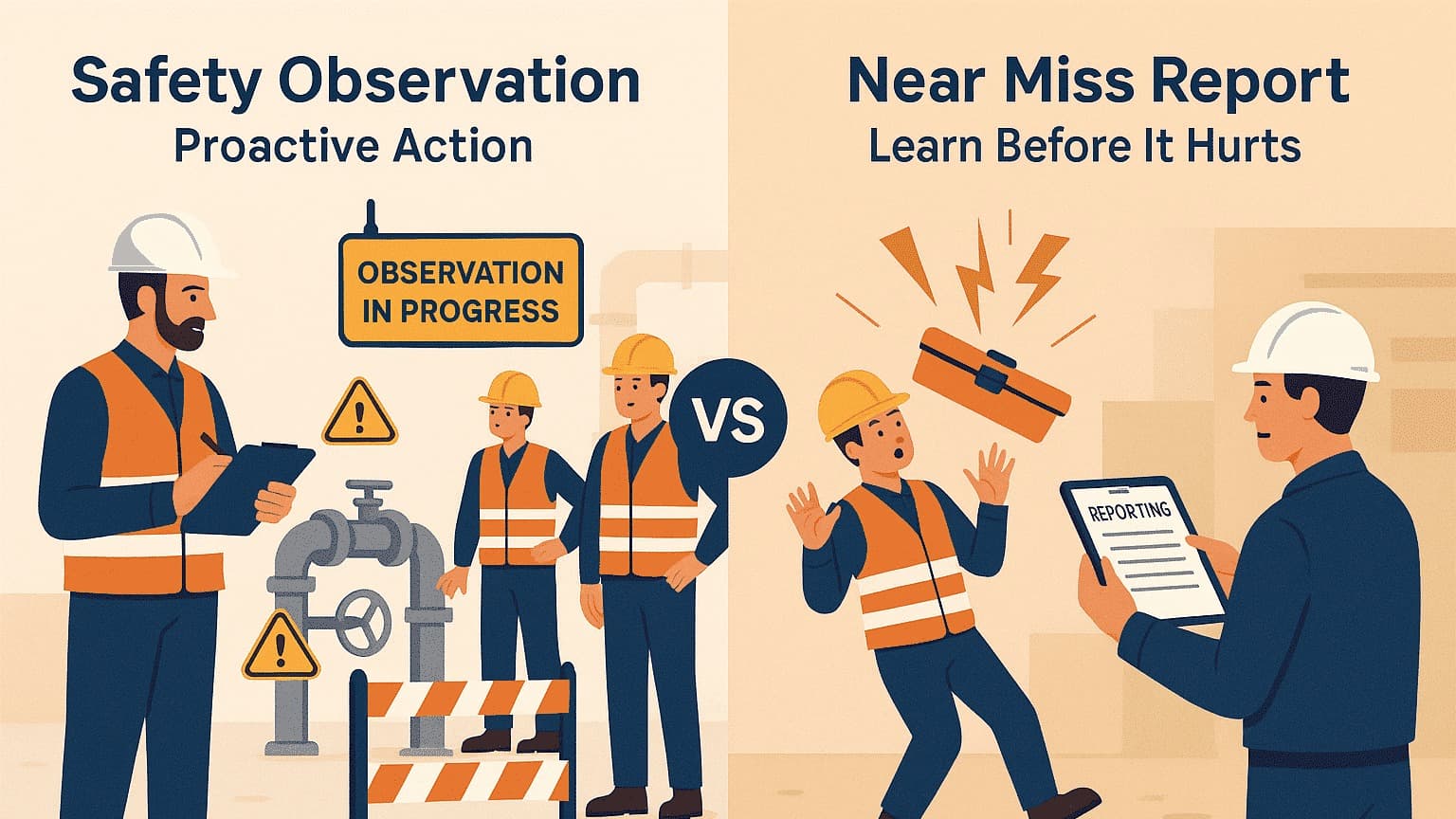
Every incident is often preceded by warning signs that, if identified early, can prevent injuries and losses. Safety observations empower employees to recognize hazards, report unsafe conditions, and encourage safe behaviors. By staying alert and taking timely action, everyone contributes to building a proactive and resilient safety culture.

Environmental protection on military bases preserves natural resources, reduces pollution, ensures regulatory compliance, and supports sustainable mission readiness.