


ISO renewals shouldn't be a routine task focused solely on compliance. Instead, they offer a chance to embed a culture of quality, safety, and continuous improvement across all levels of an organization. By rethinking ISO as a value-driven tool, businesses can turn standards into strategic advantages for long-term growth.

ISO certification renewals are often treated as administrative exercises focused on updating documents, preparing for audits, and ensuring the checklists are complete. While these actions are necessary, they raise an important question: are we genuinely improving, or simply complying? When ISO systems are viewed only as a means to maintain certification, their true potential is overlooked. Instead of being a static set of requirements, ISO standards can serve as dynamic tools for cultural transformation and continuous improvement.
Many organizations fall into the trap of “compliance for the sake of compliance.” They prepare only for the audit, ensure documentation is in place, and return to business as usual once the certificate is renewed. This approach often results in superficial processes, disengaged employees, and missed opportunities for operational excellence. The value of ISO lies not in the certificate itself, but in the systems and behaviors it promotes systems that can improve quality, enhance safety, and support long-term sustainability.
To truly benefit from ISO standards, organizations must shift their mindset. ISO isn’t just about following rules; it’s about embodying values like quality, responsibility, accountability, and continuous learning. These values must be woven into the organizational fabric, where everyone from frontline staff to top leadership understands and contributes to them. Employees should know not just what to do, but why they’re doing it. Encouraging feedback, promoting ownership, and rewarding improvement initiatives are all steps toward creating a workplace where ISO principles are lived, not just documented.
ISO renewal should be treated as a strategic opportunity to reflect on current practices and determine whether systems are still serving the organization’s goals. It’s a mirror that reveals strengths, gaps, and areas for growth. Are internal audits being used effectively? Are performance indicators aligned with business outcomes? Is the organization acting on feedback from employees and customers? When used this way, ISO becomes a driver of meaningful progress not just a framework for compliance.
A major factor in this transformation is employee engagement. In a culture focused solely on compliance, only a few individuals typically in quality, safety, or compliance roles—are involved in maintaining the system. In contrast, a culture-driven organization involves everyone. Employees actively participate in audits, raise issues without fear, and contribute ideas to improve operations. This kind of engagement cannot be forced; it must be nurtured through open communication, inclusive training, and visible leadership support.
Leadership plays a crucial role in setting the tone. If top management sees ISO as merely a checkbox, the rest of the organization will follow suit. But when leaders use the renewal process as an opportunity to improve and innovate, it signals that ISO is more than a formality it’s part of the organization’s DNA. Leaders who discuss audit results openly, support system changes, and invest in employee development create an environment where continuous improvement becomes second nature.
ISO renewal also presents a perfect moment to launch improvement initiatives. Instead of waiting for non-conformities to force change, proactive organizations use this time to identify inefficiencies, digitize processes, and align systems with strategic priorities. Whether it’s updating training modules, revising procedures, or implementing new technologies, these changes ensure the ISO system evolves with the business not behind it.
One of the best ways to evaluate the maturity of your ISO culture is by examining what you measure. Traditional metrics like audit findings or compliance scores are important, but mature systems track deeper indicators: reductions in process variation, improvements in customer satisfaction, increased employee involvement, and alignment with sustainability goals. These metrics provide a clearer picture of whether ISO practices are delivering real, measurable value.
Ultimately, ISO systems should reflect how work is done not how it looks on paper. Procedures must match reality, tools should be easy to use, and improvement logs should be actively maintained. When the system becomes an integral part of daily operations visible, practical, and empowering compliance becomes a natural outcome of doing things right, not an isolated task performed for auditors.
ISO renewal, then, is not a finish line it’s a checkpoint. It’s an opportunity to evaluate progress, refresh goals, and recommit to excellence. Organizations that move from compliance to culture discover that ISO is not just about passing audits; it’s about building smarter, safer, and more resilient systems. It’s about embedding a mindset of quality, safety, and improvement at every level.
So, the next time ISO renewal appears on your calendar, don’t just prepare for the audit. Prepare to reflect. Prepare to improve. And above all, prepare to embed a culture where ISO is not just followed but lived.

Quantum sensing is emerging as a transformative technology for detecting fugitive emissions with unprecedented precision and sensitivity. By enabling real-time monitoring of invisible gas leaks, industries can strengthen environmental compliance, enhance workplace safety, reduce greenhouse gas emissions, and support sustainable, data-driven industrial operations.
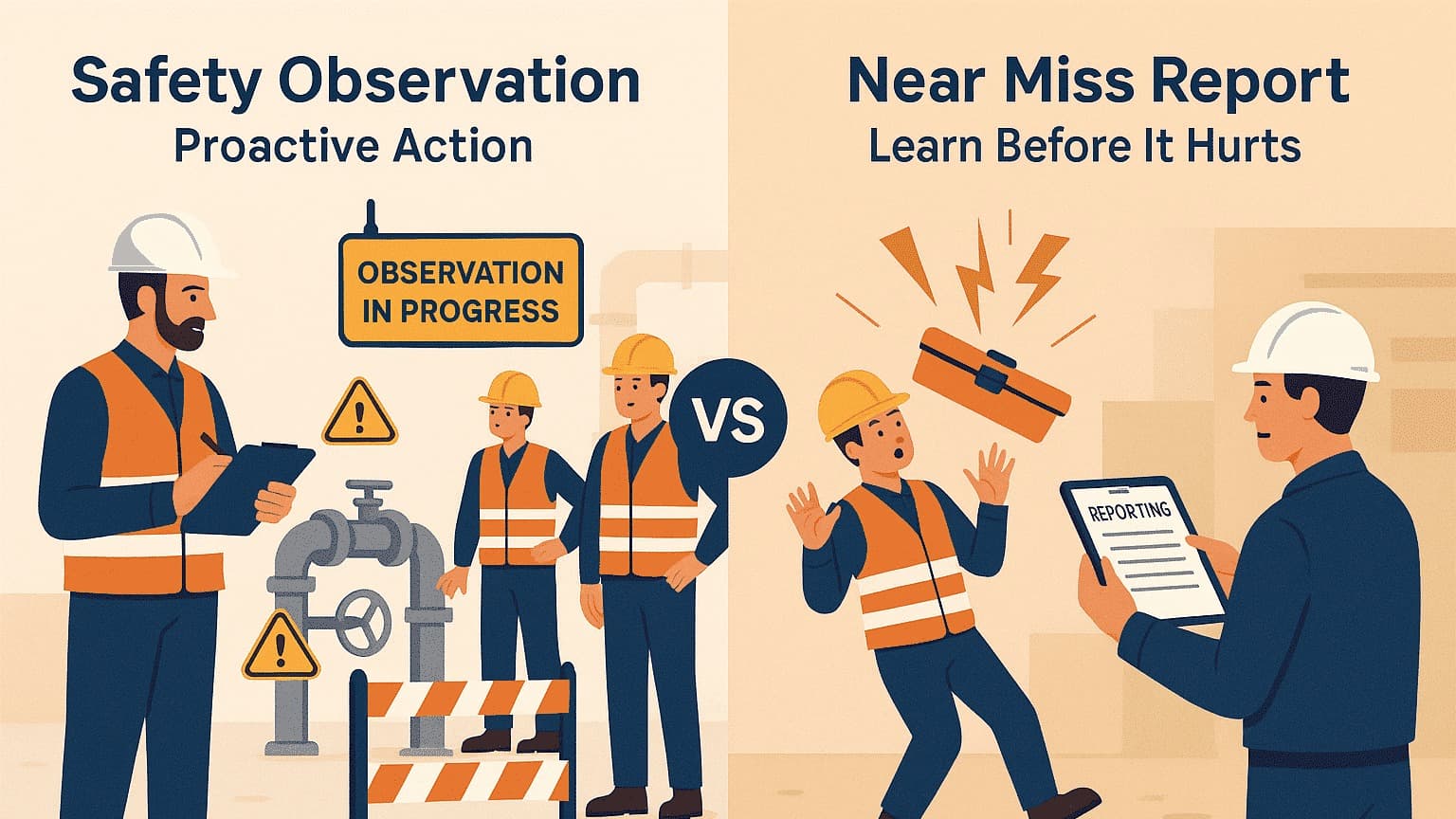
Every incident is often preceded by warning signs that, if identified early, can prevent injuries and losses. Safety observations empower employees to recognize hazards, report unsafe conditions, and encourage safe behaviors. By staying alert and taking timely action, everyone contributes to building a proactive and resilient safety culture.

Environmental protection on military bases preserves natural resources, reduces pollution, ensures regulatory compliance, and supports sustainable mission readiness.