


Reducing the carbon footprint in manufacturing is essential for sustainability. Industries can achieve this by adopting energy-efficient technologies, switching to renewable energy, optimizing processes, using sustainable materials, reducing waste, and enhancing supply chain efficiency. These measures not only lower emissions but also improve cost savings, compliance, and brand reputation.

The manufacturing sector is a significant contributor to global carbon emissions, primarily due to energy-intensive processes, resource consumption, and waste generation. As concerns over climate change intensify, industries must adopt sustainable practices to minimize their environmental impact. Reducing the carbon footprint in manufacturing is not just about regulatory compliance; it is a step towards cost savings, operational efficiency, and corporate responsibility. This article explores effective strategies for reducing carbon emissions in the manufacturing sector, ensuring a more sustainable future.
UNDERSTANDING CARBON FOOTPRINT IN MANUFACTURING
A carbon footprint represents the total amount of Greenhouse Gases (GHGs), particularly Carbon Dioxide (CO2), emitted directly or indirectly by an organization. In manufacturing, emissions arise from:
1. Energy Consumption: Use of fossil fuels for production, transportation, and machinery.
2. Material Sourcing: Extraction and processing of raw materials contribute significantly to emissions.
3. Waste Generation: Inefficient processes lead to increased waste and emissions.
4. Logistics and Transportation: Movement of raw materials and finished goods adds to the carbon footprint.
5. Industrial Processes: Chemical reactions and high-temperature processes generate significant CO2.
Reducing the carbon footprint involves a multi-faceted approach focusing on energy efficiency, sustainable materials, waste reduction, and innovative technologies.
STRATEGIES FOR REDUCING CARBON FOOTPRINT
1. Adopting Energy-Efficient Technologies
Energy efficiency is one of the most effective ways to cut carbon emissions.
Manufacturing industries can:
Upgrade to energy-efficient machinery to reduce electricity consumption.
Use smart sensors and automation for optimized energy use.
Implement heat recovery systems to reuse waste heat in processes.
Conduct regular energy audits to identify and mitigate inefficiencies.
2. Switching to Renewable Energy Sources
Transitioning to renewable energy is crucial for sustainability. Industries should:
Invest in solar panels, wind turbines, or hydropower to generate clean energy.
Purchase green electricity from sustainable sources.
Use biomass or biogas as an alternative to fossil fuels.
Develop microgrids to ensure stable and renewable energy supply.
3. Optimizing Manufacturing Processes
Process optimization leads to reduced waste and lower emissions. Strategies include:
Implementing Lean Manufacturing principles to eliminate inefficiencies.
Using advanced analytics and AI for real-time monitoring and optimization.
Enhancing predictive maintenance to reduce equipment downtime and energy waste.
Transitioning to 3D printing to minimize material wastage and emissions.
4. Sustainable Material Sourcing
Sourcing raw materials sustainably reduces carbon emissions. Companies can:
Use recycled and biodegradable materials to lower environmental impact.
Partner with suppliers who follow sustainable and ethical practices.
Promote local sourcing to minimize transportation emissions.
Implement circular economy principles by designing products for reuse and recycling.
5. Waste Reduction and Recycling
Reducing waste is critical for sustainability. Manufacturers should:
Implement zero-waste policies to minimize landfill contributions.
Enhance recycling efforts by segregating and repurposing industrial waste.
Utilize eco-friendly packaging to reduce plastic waste.
Develop innovative ways to convert waste into useful byproducts.
6. Carbon Offsetting and Emission Reduction Programs
To balance emissions, industries can:
Invest in carbon offset projects such as reforestation and renewable energy initiatives.
Participate in emission trading programs to encourage sustainable practices.
Monitor and report carbon footprints transparently to track progress.
7. Eco-Friendly Logistics and Supply Chain Management
Transportation contributes significantly to a company’s carbon footprint. Steps to reduce it include:
Optimizing logistics routes to reduce fuel consumption.
Shifting to electric or hybrid vehicles for transportation.
Using sustainable packaging to reduce material waste.
Encouraging suppliers to adopt green practices.
8. Employee Training and Corporate Sustainability Initiatives
Sustainability should be a part of corporate culture. Manufacturers should:
Train employees on energy conservation and eco-friendly practices.
Promote a paperless work environment and digital solutions.
Encourage sustainability committees to implement green initiatives.
Organize awareness campaigns on carbon footprint reduction.
THE ROLE OF REGULATIONS AND COMPLIANCE
Governments and international organizations have implemented regulations to curb industrial emissions. Compliance with policies such as:
Paris Agreement: Encourages nations to reduce global carbon emissions.
ISO 14001: Provides guidelines for environmental management systems.
Corporate Sustainability Reporting (CSR): Mandates transparent reporting on carbon emissions.
Industries should proactively adhere to these regulations and adopt voluntary sustainability programs to strengthen their commitment to the environment.
BENEFITS OF REDUCING CARBON FOOTPRINT
Apart from environmental advantages, reducing carbon emissions offers several benefits:
Cost Savings: Energy-efficient technologies lower operational costs.
Enhanced Brand Reputation: Consumers prefer eco-friendly brands.
Regulatory Compliance: Avoids fines and legal complications.
Improved Employee Morale: Employees take pride in sustainable workplaces.
Long-Term Business Sustainability: Ensures resilience in a changing global economy.
CONCLUSION
Reducing the carbon footprint in the manufacturing sector is imperative for a sustainable future. By embracing energy-efficient technologies, renewable energy, sustainable materials, waste reduction, and green logistics, industries can significantly cut emissions. Regulatory compliance and corporate responsibility further enhance sustainability efforts. A collective commitment from manufacturers, employees, and policymakers is essential to drive meaningful environmental change and create a greener, more responsible industrial landscape.

Quantum sensing is emerging as a transformative technology for detecting fugitive emissions with unprecedented precision and sensitivity. By enabling real-time monitoring of invisible gas leaks, industries can strengthen environmental compliance, enhance workplace safety, reduce greenhouse gas emissions, and support sustainable, data-driven industrial operations.
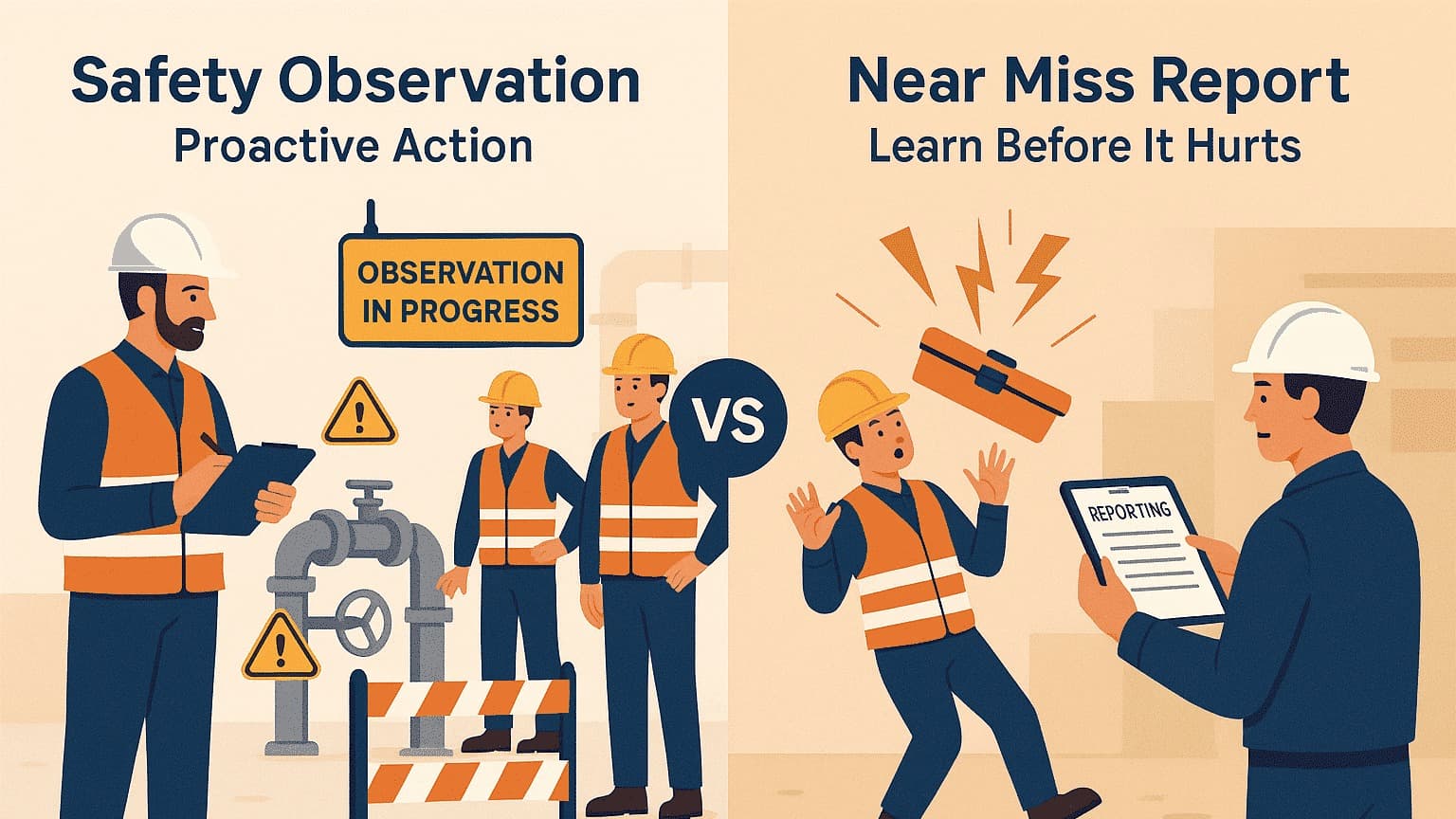
Every incident is often preceded by warning signs that, if identified early, can prevent injuries and losses. Safety observations empower employees to recognize hazards, report unsafe conditions, and encourage safe behaviors. By staying alert and taking timely action, everyone contributes to building a proactive and resilient safety culture.

Environmental protection on military bases preserves natural resources, reduces pollution, ensures regulatory compliance, and supports sustainable mission readiness.