


Every incident is often preceded by warning signs that, if identified early, can prevent injuries and losses. Safety observations empower employees to recognize hazards, report unsafe conditions, and encourage safe behaviors. By staying alert and taking timely action, everyone contributes to building a proactive and resilient safety culture.
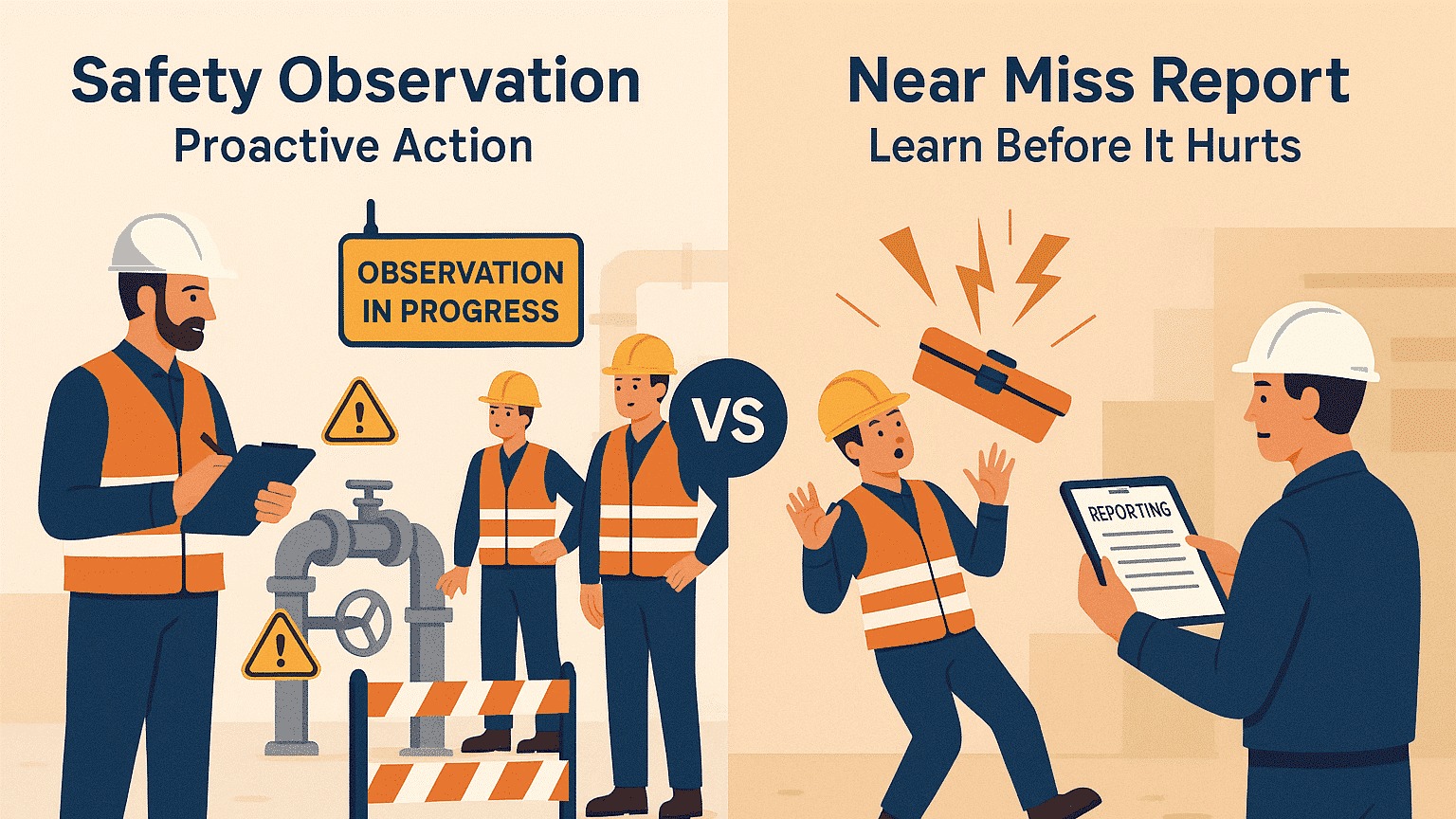
Every workplace, regardless of industry, is exposed to potential hazards. From a misplaced tool on a walkway to an improperly stored chemical container or an employee bypassing a safety procedure, seemingly minor issues can quickly escalate into serious incidents if left unaddressed. The good news is that most workplace accidents do not occur without warning. They are often preceded by unsafe conditions, unsafe behaviors, or near misses that provide valuable opportunities for intervention. This is where safety observations become one of the most powerful tools in creating a proactive Health, Safety, and Environment (HSE) culture.
A safety observation is the process of identifying and reporting conditions or behaviors that may affect workplace safety. It is not about finding fault or assigning blame. Instead, it is about recognizing potential risks before they result in injury, property damage, environmental harm, or operational disruption. Every employee, regardless of role or experience, has the ability and the responsibility to observe their surroundings, identify hazards, and take appropriate action.
Organizations with strong safety cultures understand that preventing incidents begins long before an accident occurs. While incident investigations provide valuable lessons after an event, safety observations focus on preventing those events from happening in the first place. By identifying hazards early and correcting them promptly, organizations reduce risks, improve operational efficiency, and strengthen employee confidence in the workplace.
Safety observations generally fall into two categories: unsafe conditions and unsafe acts. Unsafe conditions include physical hazards such as damaged electrical cables, blocked emergency exits, poor lighting, leaking equipment, slippery floors, missing machine guards, or defective tools. Unsafe acts refer to behaviors that increase the likelihood of an incident, such as failing to wear Personal Protective Equipment (PPE), using equipment incorrectly, ignoring lockout/tagout procedures, or taking shortcuts to save time. Recognizing both types of observations is essential because incidents often result from a combination of unsafe conditions and unsafe behaviors.
Equally important are positive safety observations. Recognizing safe behaviors is just as valuable as identifying hazards. Employees who consistently follow procedures, use PPE correctly, maintain good housekeeping, or proactively eliminate hazards should be acknowledged. Positive reinforcement encourages safe habits, motivates others to follow best practices, and helps build a workplace where safety is viewed as a shared value rather than merely a compliance requirement.
Conducting a safety observation begins with awareness. Employees should remain attentive to their surroundings before, during, and after every task. Asking simple questions can help identify potential hazards: Is the work area clean and organized? Are emergency exits accessible? Is equipment functioning correctly? Are employees using the appropriate PPE? Are tools being used safely? Has the work environment changed since the task began? These routine checks require only a few moments but can prevent incidents with far-reaching consequences.
One common misconception is that only supervisors or safety professionals are responsible for identifying hazards. In reality, the people performing the work are often the first to notice changes in equipment, processes, or working conditions. Operators, technicians, warehouse personnel, drivers, office employees, contractors, and visitors all have unique perspectives that contribute to workplace safety. Encouraging everyone to participate in safety observations creates multiple layers of protection and significantly increases the likelihood that hazards will be identified early.
When a hazard is observed, prompt action is essential. If it is safe to do so, employees should eliminate or isolate the hazard immediately. For example, cleaning a spill, removing an obstruction from a walkway, or placing warning signage around a hazardous area can prevent injuries while permanent corrective actions are arranged. Hazards that cannot be addressed immediately should be reported through the organization's established reporting channels without delay. Timely reporting enables supervisors and HSE teams to investigate, assess risks, and implement appropriate corrective measures.
Effective safety observations depend on open communication and trust. Employees should feel comfortable reporting hazards without fear of criticism or blame. A culture that encourages reporting demonstrates that safety is everyone's responsibility and that every observation is valued as an opportunity for improvement. Organizations that respond positively to employee observations strengthen engagement and encourage continued participation in safety initiatives.
Technology has enhanced the way organizations conduct safety observations. Many companies now use digital reporting applications that allow employees to submit observations using smartphones or tablets. These systems enable photographs, location details, and immediate notifications to supervisors, allowing hazards to be addressed more quickly. Digital platforms also provide valuable data that helps identify recurring trends, monitor corrective actions, and prioritize improvements based on risk levels.
Leadership plays a critical role in the success of safety observation programs. Managers and supervisors should actively participate in workplace inspections, encourage conversations about safety, and recognize employees who identify hazards or suggest improvements. When leaders demonstrate visible commitment to safety, employees are more likely to remain engaged and view observations as an important part of daily work rather than an additional administrative task.
Safety observations should never become a checklist completed solely for compliance purposes. Their true value lies in meaningful engagement with employees and continuous improvement. Every observation should lead to discussion, learning, and action where necessary. Trends identified through repeated observations can highlight opportunities for additional training, equipment upgrades, procedural changes, or engineering improvements that strengthen overall workplace safety.
A successful safety observation program also contributes to environmental protection and operational excellence. Identifying leaking equipment, improper waste disposal, chemical spills, or excessive energy use not only reduces environmental impacts but also improves operational efficiency and regulatory compliance. Similarly, observations related to equipment condition, housekeeping, and process discipline often contribute to improved productivity by reducing downtime and preventing equipment failures.
Perhaps the greatest benefit of safety observations is that they encourage every employee to become an active participant in workplace safety. Instead of waiting for incidents to occur or relying solely on periodic inspections, organizations create an environment where safety becomes part of everyday thinking. Every observation, no matter how small, contributes to preventing larger incidents and protecting colleagues, visitors, contractors, and the surrounding environment.
Ultimately, workplace safety is built through thousands of small decisions made every day. Choosing to report a loose cable, correct an unsafe practice, remove a trip hazard, or recognize a colleague for following safe procedures may seem like simple actions, but together they create a powerful culture of prevention. Safety observations are not about finding problems they are about finding opportunities to make the workplace safer.
The most effective safety programs are those where every employee looks beyond completing the task and focuses on how the task can be performed safely. By staying alert, speaking up, and acting promptly when hazards are identified, we move from reacting to incidents to preventing them altogether. After all, the safest workplaces are not those with the fewest hazards they are the ones where hazards are recognized, reported, and addressed before they become incidents.
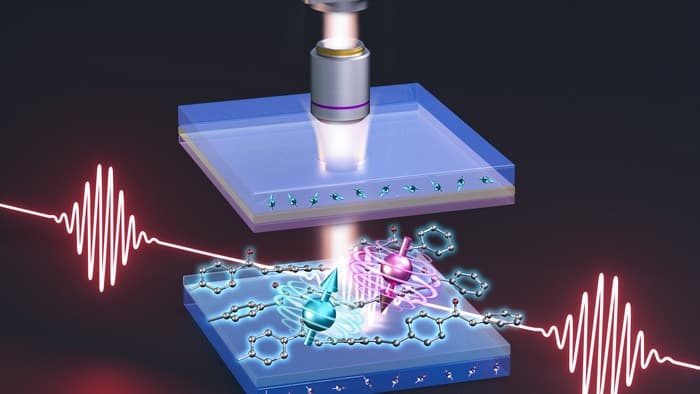
Quantum sensing is emerging as a transformative technology for detecting fugitive emissions with unprecedented precision and sensitivity. By enabling real-time monitoring of invisible gas leaks, industries can strengthen environmental compliance, enhance workplace safety, reduce greenhouse gas emissions, and support sustainable, data-driven industrial operations.

Environmental protection on military bases preserves natural resources, reduces pollution, ensures regulatory compliance, and supports sustainable mission readiness.
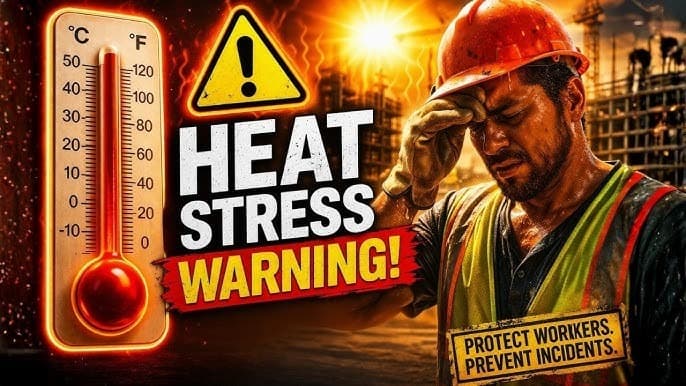
Heat exposure must be managed as a critical risk through enforced hydration, structured work-rest cycles, and continuous workforce monitoring. Supervisors are accountable for identifying early symptoms and ensuring worker fitness. No task shall proceed under unsafe conditions. Strict compliance, proactive intervention, and zero tolerance for lapses are mandatory throughout May operations.