


Automatic sprinkler systems are critical in controlling fires before they escalate. Proper design and optimization based on hazard classification, water supply, and system layout ensure maximum efficiency. In high-risk buildings, well-engineered sprinkler systems significantly reduce fire damage, protect occupants, and support compliance with modern fire safety standards.

Automatic sprinkler systems are among the most reliable and effective active fire protection solutions used in modern buildings. Designed to detect heat and suppress fires at an early stage, these systems play a vital role in reducing fire growth, minimizing property damage, and safeguarding human lives. In high-risk buildings such as industrial facilities, warehouses, high-rise structures, data centers, and commercial complexes the design and optimization of sprinkler systems become even more critical due to the increased fire load and complexity of operations.
The foundation of any sprinkler system design begins with hazard classification. This classification defines the level of fire risk associated with a building based on occupancy type, materials present, and processes carried out within the space. Typically, buildings are categorized into light hazard, ordinary hazard, and high hazard classifications. High-risk buildings often fall under high hazard categories, where combustible materials, flammable liquids, or dense storage configurations significantly increase the potential for rapid fire spread. This classification directly influences key design parameters such as water discharge density, sprinkler spacing, and system response characteristics.
In high-risk environments, specialized sprinkler technologies are often required to achieve effective fire control. For instance, Early Suppression Fast Response (ESFR) sprinklers are specifically designed for warehouses and storage facilities with high rack storage. These sprinklers discharge large volumes of water at high velocity, enabling them to suppress fires quickly and prevent flashover. Similarly, in industrial settings where flammable liquids are present, foam-based sprinkler systems may be used to control and extinguish fires more effectively.
Water supply is a critical component that determines the reliability and performance of sprinkler systems. A well-designed system must ensure an uninterrupted and adequate supply of water under sufficient pressure throughout the duration of a fire event. This involves careful planning of water storage tanks, fire pumps, and distribution networks. In high-rise buildings, pressure zoning is often implemented to maintain optimal water pressure across different levels, ensuring that even the uppermost floors receive adequate flow. Backup systems, such as diesel-driven fire pumps, are also essential to ensure system functionality during power failures.
The layout and positioning of sprinkler heads are equally important in achieving uniform fire coverage. Sprinklers must be strategically placed to avoid obstructions such as beams, ducts, lighting fixtures, or storage racks that can block water discharge. Obstructions can create shadow areas where fire suppression is ineffective, allowing flames to spread unchecked. Engineers use advanced hydraulic calculations and design tools to determine the optimal spacing and arrangement of sprinklers, ensuring that the required water density is delivered uniformly across all protected areas.
Optimization of sprinkler systems goes beyond initial design. It involves refining system performance through advanced modeling, simulation, and integration with other building systems. Modern technologies such as Building Information Modeling (BIM) and hydraulic simulation software enable engineers to visualize fire scenarios, analyze system performance, and identify potential weaknesses during the design phase. This proactive approach helps in enhancing system efficiency, reducing installation errors, and ensuring compliance with safety standards.
Maintenance and periodic inspection are crucial to ensuring that sprinkler systems remain operational over time. Components such as sprinkler heads, valves, pipes, and pumps are subject to wear and tear, corrosion, or accidental damage. Blocked or painted sprinkler heads, for example, can fail to activate during a fire, compromising the entire system. Regular testing, inspection, and preventive maintenance are essential to ensure that the system performs as intended during an emergency.
Integration with other fire protection systems significantly enhances the overall effectiveness of sprinkler systems. When connected to fire alarm systems, sprinklers can trigger immediate alerts, enabling faster evacuation and emergency response. Integration with Building Management Systems (BMS) allows for automated actions such as shutting down HVAC systems to prevent smoke spread, activating smoke extraction systems, and controlling access points for safe evacuation.
Despite their proven effectiveness, sprinkler systems are sometimes undervalued due to perceived high installation costs. However, studies and real-world data consistently demonstrate that buildings equipped with properly designed sprinkler systems experience significantly lower fire-related losses. Insurance benefits, reduced downtime, and enhanced safety make sprinkler systems a cost-effective investment in the long term.
Regulatory compliance is another critical aspect of sprinkler system design. Standards such as the National Building Code of India and international guidelines like NFPA 13 provide comprehensive requirements for system design, installation, and maintenance. Adhering to these standards ensures that sprinkler systems meet minimum safety benchmarks and perform reliably during fire incidents. Non-compliance, on the other hand, can lead to severe legal and financial consequences.
In high-risk buildings, where fire incidents can escalate rapidly and cause catastrophic damage, the importance of well-designed and optimized sprinkler systems cannot be overstated. Engineers and safety professionals must adopt a holistic approach that considers hazard assessment, system design, water supply, integration, and maintenance. Each component plays a vital role in ensuring that the system functions effectively under real fire conditions.
In conclusion, automatic sprinkler systems are a cornerstone of active fire protection in high-risk buildings. Their ability to detect and control fires in the early stages makes them indispensable in modern fire safety strategies. Through careful design, advanced optimization, and regular maintenance, these systems can significantly enhance building safety, protect valuable assets, and most importantly, save lives. As building designs become more complex and fire risks continue to evolve, the role of optimized sprinkler systems will remain critical in ensuring a safer built environment.
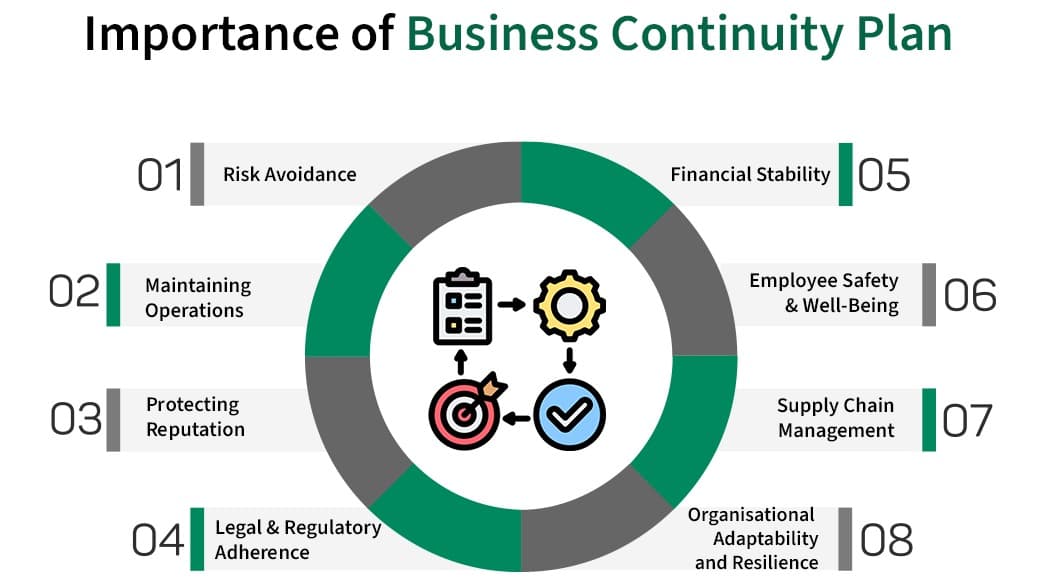
Fire emergency readiness combines prevention, preparedness, rapid response, evacuation, communication, and recovery planning to protect lives, safeguard critical assets, maintain essential operations, and strengthen organizational resilience during disruption.
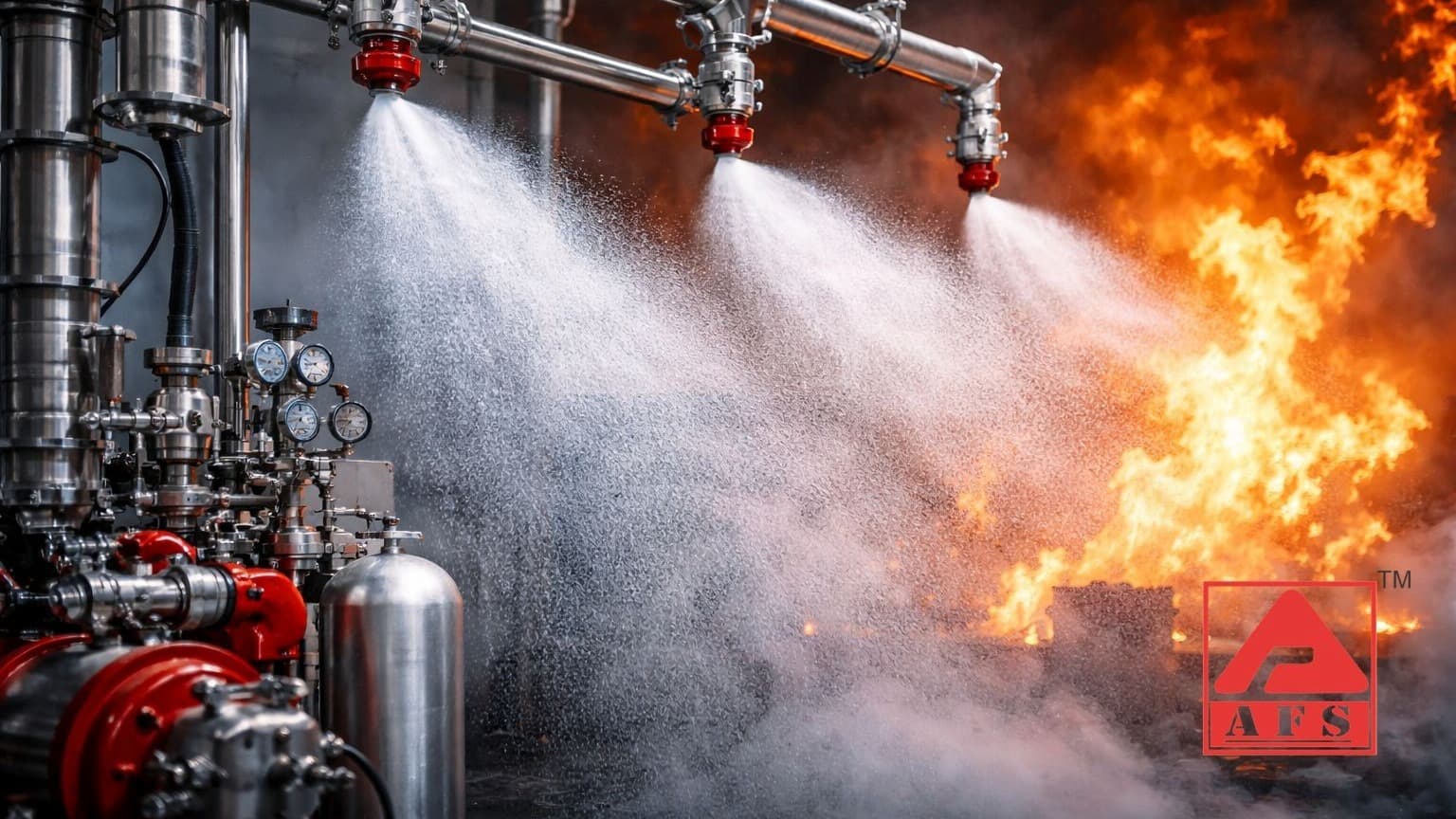
Fire suppression technology has evolved far beyond conventional sprinklers. Modern facilities demand engineered solutions that protect lives, critical assets, and business continuity while minimizing environmental impact. From water mist and clean agents to hybrid suppression technologies, today's systems are redefining how fires are controlled across increasingly complex built environments.
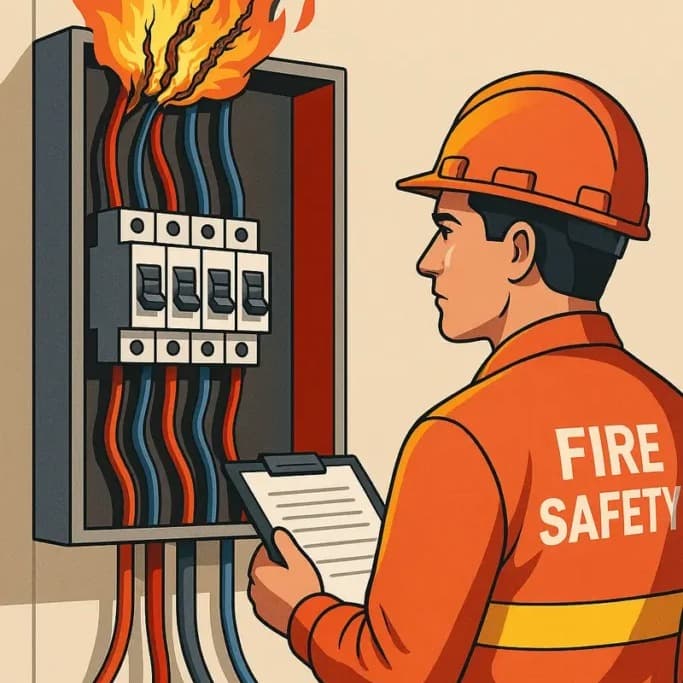
Electrical fires remain one of the leading causes of workplace incidents worldwide. Often developing without warning, they can result in severe injuries, operational disruptions, and significant property damage. Understanding electrical hazards, recognizing early warning signs, and implementing preventive measures are essential for creating a safer and more resilient workplace.