


Electrical fires remain one of the leading causes of workplace incidents worldwide. Often developing without warning, they can result in severe injuries, operational disruptions, and significant property damage. Understanding electrical hazards, recognizing early warning signs, and implementing preventive measures are essential for creating a safer and more resilient workplace.
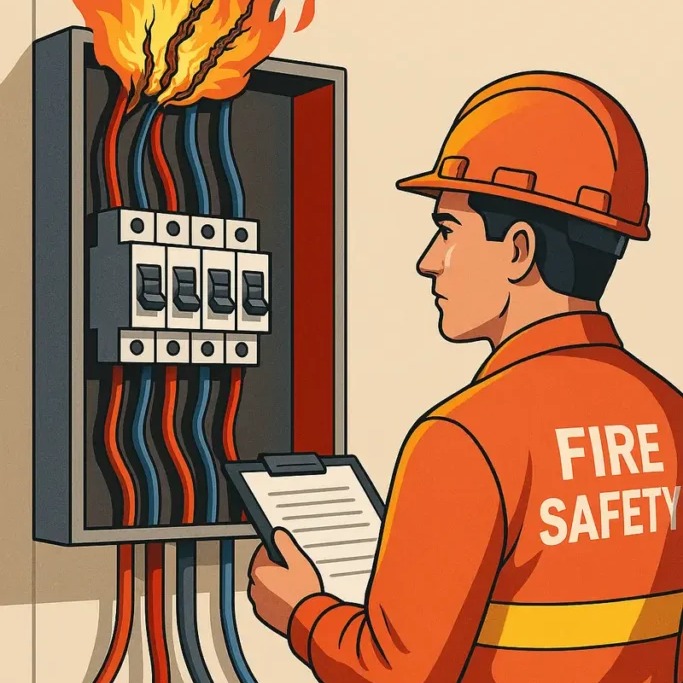
Electricity powers modern workplaces and plays a critical role in supporting daily operations across industries. From lighting systems and office equipment to production machinery and complex industrial processes, electrical systems are an essential part of organizational infrastructure. While electricity provides numerous benefits, it also presents significant hazards when not properly managed. Among these hazards, electrical fires remain one of the most common and potentially devastating threats faced by workplaces worldwide.
Unlike many workplace hazards that are visible and easily identified, electrical fire risks often develop silently. Faulty wiring, overloaded circuits, damaged equipment, poor maintenance practices, and improper use of electrical devices can create dangerous conditions without obvious warning signs. When left unaddressed, these issues can lead to fires that endanger lives, disrupt operations, damage property, and result in substantial financial losses.
One of the primary causes of electrical fires is overloaded electrical circuits. As workplaces expand and operational demands increase, additional equipment is often connected to existing electrical systems. When circuits are required to carry more current than they were designed to handle, excessive heat can build up within wires and electrical components. Over time, this heat may damage insulation materials and create ignition sources capable of starting a fire. Overloaded power strips, extension cords, and unauthorized electrical modifications further increase the likelihood of electrical failures.
Faulty wiring is another significant contributor to workplace electrical fires. Electrical cables deteriorate over time due to aging, environmental exposure, vibration, moisture, and physical damage. Cracked insulation, loose connections, and exposed conductors can generate sparks and heat, creating conditions for ignition. In industrial environments, wiring systems may also be exposed to dust, chemicals, and mechanical stress, which accelerate deterioration and increase fire risks. Regular inspection and maintenance programs are therefore essential for identifying and correcting electrical defects before incidents occur.
Electrical equipment failures are also a common source of workplace fires. Motors, transformers, switchboards, control panels, and portable electrical devices can malfunction due to wear and tear, inadequate maintenance, or manufacturing defects. Overheating components may ignite nearby combustible materials or cause internal fires within equipment. Employees should be encouraged to report unusual smells, excessive heat, sparks, flickering lights, or abnormal equipment performance immediately, as these warning signs often indicate developing electrical problems.
Poor housekeeping can significantly increase the consequences of electrical fires. Combustible materials such as paper, cardboard, packaging materials, dust, and flammable liquids stored near electrical equipment provide fuel that allows small electrical faults to develop into major fire incidents. Maintaining clean work areas and ensuring adequate clearance around electrical installations help reduce fire spread and improve accessibility during emergency situations.
Water and electricity represent another dangerous combination. During monsoon seasons or in areas exposed to moisture, water intrusion can compromise electrical systems and create short circuits. Damaged insulation, leaking roofs, flooding, and condensation can increase the risk of electrical failures and fires. Organizations should ensure electrical equipment is adequately protected from moisture and that damaged systems are repaired immediately following water exposure.
One of the most effective ways to prevent electrical fires is through routine inspection and preventive maintenance. Electrical systems should be regularly assessed by qualified personnel to identify signs of deterioration, overheating, loose connections, and equipment defects. Thermal imaging technology has become a valuable tool in detecting abnormal heat patterns before failures occur. By identifying issues early, organizations can take corrective action before hazards escalate into incidents.
Employee awareness and training also play a critical role in electrical fire prevention. Workers should understand basic electrical safety principles, recognize warning signs of electrical hazards, and know how to respond appropriately when problems are identified. Unsafe practices such as using damaged extension cords, overloading sockets, bypassing protective devices, or attempting unauthorized repairs should be strictly prohibited. A well-informed workforce serves as an important line of defense against electrical incidents.
Fire protection systems provide additional safeguards against electrical fire risks. Appropriate fire detection systems, smoke detectors, fire alarms, and automatic suppression systems help minimize damage when fires occur. Employees should also understand the importance of selecting the correct fire extinguisher. Water-based extinguishers should never be used on energized electrical equipment because they can increase the risk of electric shock. Suitable extinguishers designed for electrical fires must be readily available and maintained in accordance with regulatory requirements.
Modern technology continues to improve electrical fire prevention efforts. Smart monitoring systems, advanced circuit protection devices, residual current devices (RCDs), and automated fault detection technologies provide early warning of abnormal conditions. These innovations enable organizations to identify risks more effectively and respond before incidents develop.
Leadership commitment is equally important in managing electrical fire risks. Organizations that prioritize electrical safety through investment in maintenance, inspections, employee training, and system upgrades create safer working environments. Strong safety cultures encourage employees to report concerns, follow procedures, and actively participate in hazard identification activities.
Investigations of major workplace fires frequently reveal that warning signs existed long before the incident occurred. Unusual odors, tripped breakers, overheating equipment, damaged cables, and repeated electrical faults are often early indicators of developing problems. Recognizing and addressing these signs promptly can prevent significant incidents and protect both people and property.
Electrical fires may be silent in their development, but their consequences can be devastating. By understanding common causes, implementing preventive measures, maintaining equipment, and fostering a culture of safety awareness, organizations can significantly reduce electrical fire risks. Prevention begins with recognizing that electrical safety is not solely the responsibility of maintenance personnel or electricians—it is a shared responsibility that requires commitment from everyone in the workplace.
Electrical fire prevention is ultimately about vigilance, preparedness, and proactive action. Every inspection conducted, every defect reported, and every safe decision made contributes to a safer workplace and helps ensure that electrical systems remain reliable, efficient, and free from preventable fire hazards.
Fire Safety Message: Electricity powers our workplace, but when neglected, it can become a hidden source of danger. Inspect regularly, report defects immediately, avoid overloading circuits, and always prioritize electrical safety to prevent fires before they start.
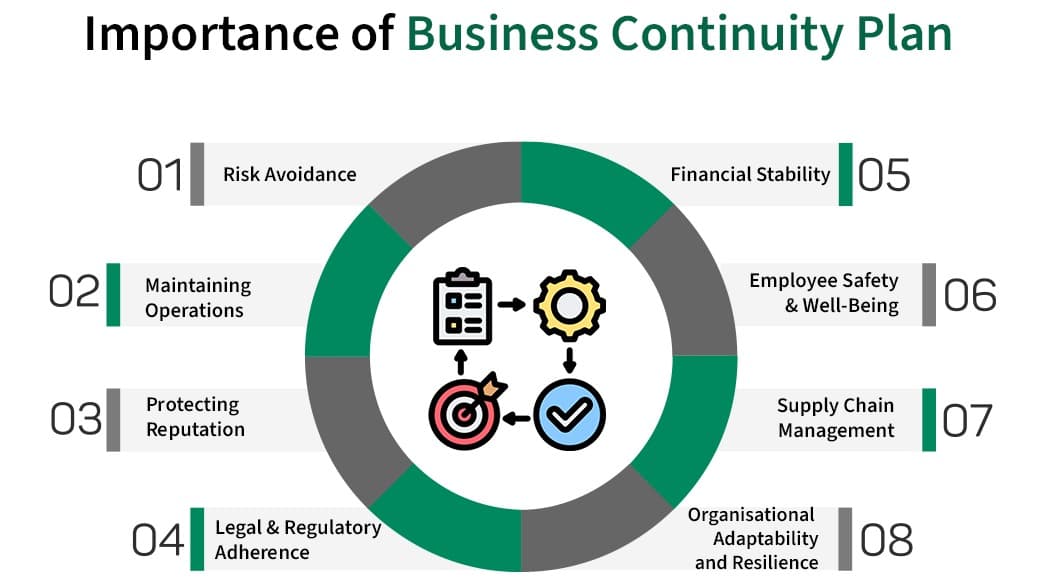
Fire emergency readiness combines prevention, preparedness, rapid response, evacuation, communication, and recovery planning to protect lives, safeguard critical assets, maintain essential operations, and strengthen organizational resilience during disruption.
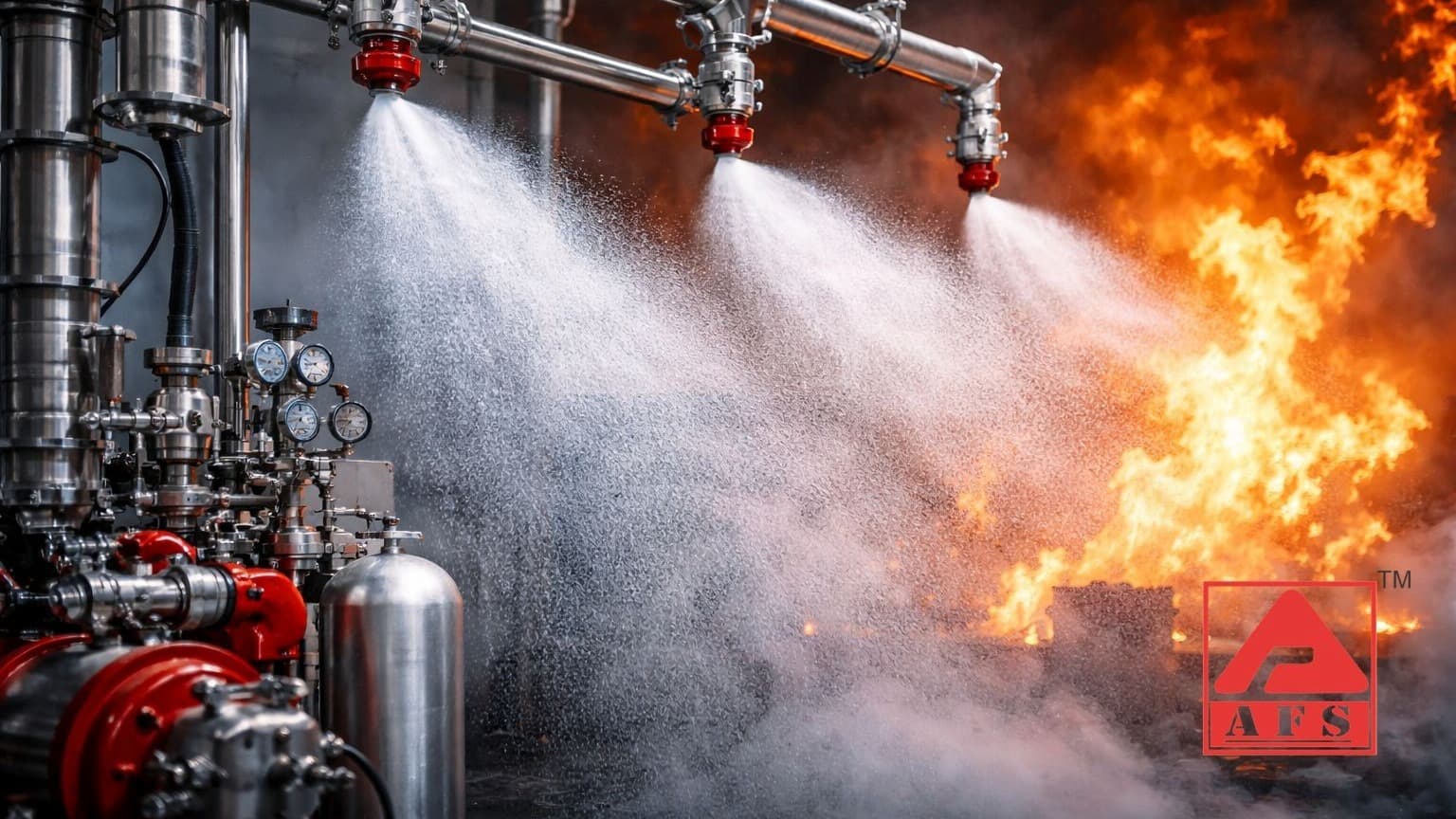
Fire suppression technology has evolved far beyond conventional sprinklers. Modern facilities demand engineered solutions that protect lives, critical assets, and business continuity while minimizing environmental impact. From water mist and clean agents to hybrid suppression technologies, today's systems are redefining how fires are controlled across increasingly complex built environments.
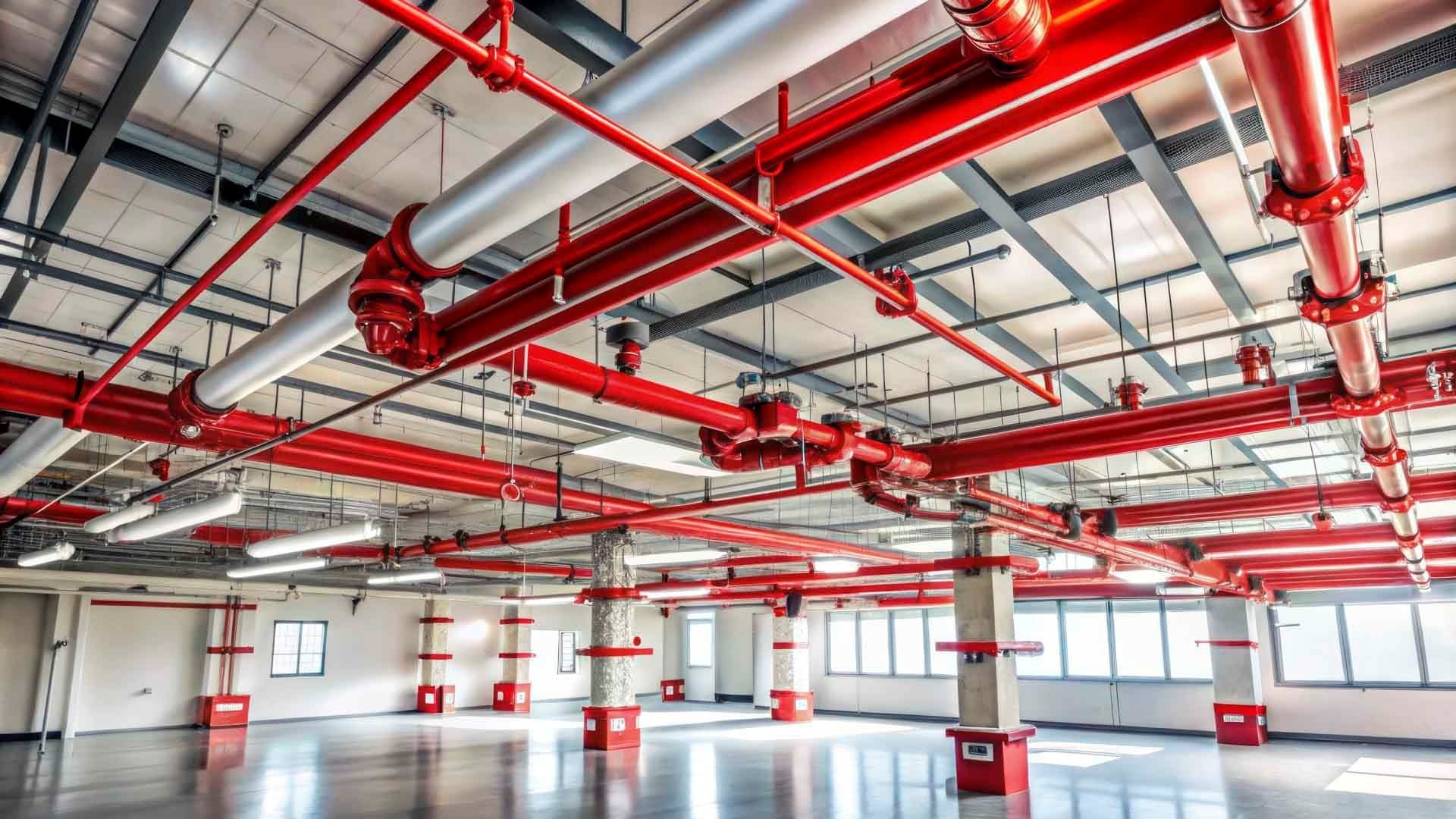
Automatic sprinkler systems are critical in controlling fires before they escalate. Proper design and optimization based on hazard classification, water supply, and system layout ensure maximum efficiency. In high-risk buildings, well-engineered sprinkler systems significantly reduce fire damage, protect occupants, and support compliance with modern fire safety standards.