


Effective fire safety is not achieved through equipment alone. It requires governance that clearly defines responsibility, accountability and risk ownership throughout a building’s lifecycle. Integrating owners, designers, contractors, facility managers and authorities into a structured fire-safety framework can close critical gaps between regulatory compliance, system performance and operational preparedness.

Fire safety is often viewed primarily as a technical discipline involving detection systems, sprinklers, fire pumps, extinguishers, alarms and emergency exits. While these systems are essential, experience across the built environment demonstrates that equipment alone cannot guarantee safety.
Many fire incidents become serious not because a building has no fire protection system, but because a system is unavailable, inadequately maintained, improperly modified or not supported by effective emergency procedures.
This highlights a broader issue: Fire Safety is also a Governance Challenge.
Governance determines who is responsible for identifying risk, who approves safety decisions, who maintains protection systems, who verifies compliance and, most importantly, who remains accountable when conditions change.
A strong fire-safety governance framework therefore needs to extend beyond regulatory approval and continue throughout the complete life of a building.
Compliance Is Not the Same as Risk Management
Regulatory compliance provides an essential foundation for fire safety. Codes and standards establish minimum expectations for building design, fire protection systems, emergency access, evacuation and other safety measures.
However, compliance is only one part of the risk-management process.
A building can possess approved fire protection systems and still develop significant vulnerabilities during operation. Changes in occupancy, internal layouts, electrical loads, storage arrangements, processes or building use can alter the original fire risk.
For example, an area originally designed as an office may later become a storage area. Additional electrical equipment may be installed without reviewing the fire-load implications. Fire doors may be wedged open for operational convenience. Sprinkler or detection coverage may become obstructed following renovation.
Each individual change may appear minor. Collectively, they can undermine the original fire strategy.
Effective governance ensures that such changes trigger appropriate review.
Defining Responsibility
One of the most important principles of fire-safety governance is clear allocation of responsibility.
Building owners have a fundamental responsibility to provide and maintain a safe environment. Designers are responsible for developing appropriate fire strategies. Contractors must install systems according to approved designs and specifications. Facility managers must ensure continued operation, inspection and maintenance.
Occupants and employees also have responsibilities regarding safe behaviour and emergency procedures.
The challenge arises when responsibilities overlap or become unclear.
A fire alarm fault may be identified by a facility operator, but who has the authority to ensure immediate corrective action? If a fire pump is unavailable, who decides whether the building can continue normal operations? If a renovation affects compartmentation, who verifies that the fire strategy remains valid?
Without defined accountability, important issues can remain unresolved.
Fire Safety as a Lifecycle Responsibility
Fire safety should not end when a building receives its completion certificate or occupancy approval.
The lifecycle can be divided broadly into several stages: planning, design, construction, commissioning, occupancy, operation, modification and eventual refurbishment or redevelopment.
Each stage introduces different risks.
During design, the focus is on hazard identification and fire strategy. During construction, installation quality and compliance become critical. During commissioning, systems must be tested and integrated. During operation, maintenance and human factors become dominant concerns.
Later, modifications may introduce new risks that were not present during the original design.
A mature governance system therefore treats fire safety as a continuous lifecycle responsibility rather than a one-time approval exercise.
The Role of the Fire Safety Manager
For larger and higher-risk facilities, a dedicated fire-safety management function can provide an important layer of accountability.
The fire-safety manager or responsible person should not merely maintain records of extinguishers and drills. The role should involve active management of the building's fire-risk profile.
This may include reviewing impairment of fire protection systems, monitoring inspection and testing programmes, coordinating emergency drills, tracking corrective actions, reviewing modifications and ensuring that fire-safety documentation remains current.
The position also provides an important link between technical specialists and senior management.
Fire safety decisions sometimes require financial investment or temporary operational restrictions. A clearly identified responsible person can ensure that such decisions receive appropriate management attention.
Managing Fire Protection System Impairments
Fire protection systems occasionally need to be taken out of service for maintenance, repair or modification.
The risk does not arise simply because a system is impaired. It arises when the impairment is not properly controlled.
A structured impairment-management process should identify the affected system, assess the risk, establish temporary measures, communicate the impairment to relevant personnel and ensure timely restoration.
For example, if an automatic sprinkler system is unavailable, temporary controls may include additional fire watch, restrictions on hot work, removal of combustible materials or temporary operational limitations, depending on the circumstances.
The critical principle is that an impairment should be managed as a risk event, not treated as an ordinary maintenance ticket.
Change Management
Modern buildings are continuously changing.
Tenants change. Equipment is replaced. Departments move. Production processes evolve. Buildings are renovated and technology is upgraded.
Every significant change should therefore be examined from a fire-risk perspective.
A formal management-of-change process can require responsible personnel to evaluate whether a proposed modification affects:
Fire load
Occupancy classification
Means of escape
Fire compartmentation
Detection and alarm coverage
Sprinkler protection
Smoke management
Emergency access
Fire-fighting provisions
Emergency procedures
This approach prevents seemingly routine modifications from creating hidden vulnerabilities.
Documentation and Fire Safety Information
Good governance depends on reliable information.
Fire strategies, approved drawings, equipment schedules, commissioning records, inspection reports, maintenance histories and emergency procedures should be controlled and readily accessible.
One recurring problem in existing buildings is the difference between what drawings show and what actually exists on site.
Renovations may have occurred without updating drawings. Equipment may have been relocated. Fire doors may have been replaced. Service penetrations may have been introduced through fire-rated walls.
Accurate documentation enables facility teams to understand the actual protection provided.
Digital fire-safety records can further improve traceability, provided they are maintained properly and linked to physical assets.
Measuring Performance
Governance becomes more effective when performance is measured.
Traditional indicators such as the number of fire drills conducted or extinguishers inspected are useful, but they do not tell the entire story.
Organizations should also consider indicators such as unresolved fire-safety deficiencies, overdue corrective actions, frequency and duration of system impairments, recurring alarm faults, maintenance performance and emergency-response observations.
The objective is not to create paperwork or encourage favourable statistics.
The objective is to identify trends before they become incidents.
A repeated detector fault, recurring fire-door damage or repeated delays in corrective action may reveal a systemic management problem.
Creating a Fire-Safety Culture
Ultimately, governance must become part of organizational culture.
Employees should understand that fire safety is not solely the responsibility of the fire department or facility team.
Senior leadership plays an important role by demonstrating that safety is a business priority. Supervisors should ensure that operational pressures do not routinely override safety controls.
Contractors should understand site-specific fire requirements. Employees should be encouraged to report hazards and unsafe conditions without fear of blame.
A strong safety culture exists when people identify and correct risks before an emergency occurs.
Conclusion
Fire safety governance provides the framework that connects technical protection with organizational responsibility.
Codes and standards establish essential requirements, while fire protection systems provide physical layers of defence. Governance ensures that these layers remain effective throughout the building's operational life.
Clear responsibilities, effective change management, impairment control, accurate documentation, competent personnel and measurable performance are therefore fundamental components of modern fire-risk management.
The future of fire safety will depend not only on better technology, but also on better governance.
A building is truly fire-safe when responsibility does not stop at approval, when risks are actively managed throughout the lifecycle, and when every stakeholder understands that maintaining fire safety is a continuing obligation not a one-time compliance exercise.
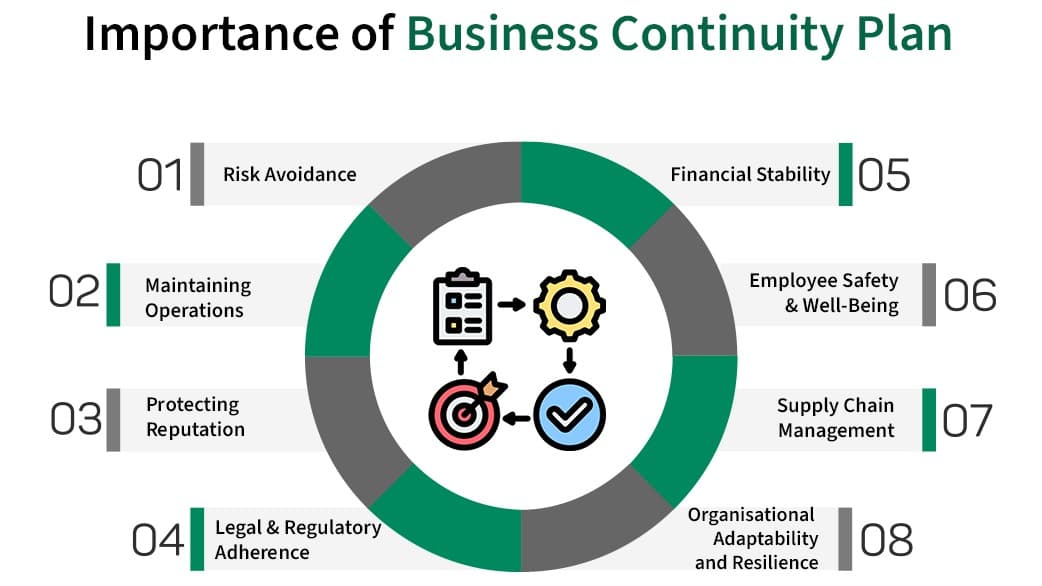
Fire emergency readiness combines prevention, preparedness, rapid response, evacuation, communication, and recovery planning to protect lives, safeguard critical assets, maintain essential operations, and strengthen organizational resilience during disruption.
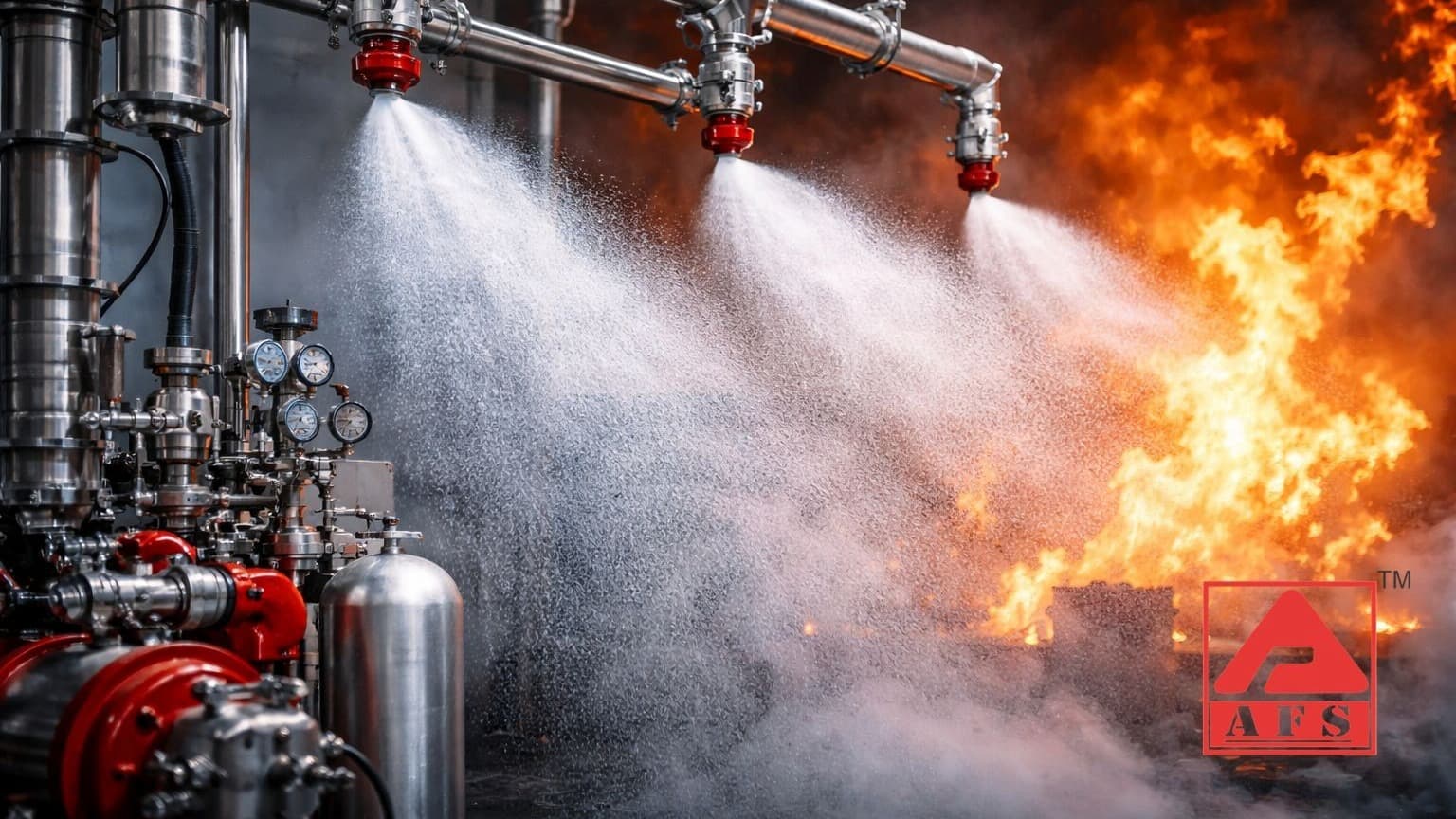
Fire suppression technology has evolved far beyond conventional sprinklers. Modern facilities demand engineered solutions that protect lives, critical assets, and business continuity while minimizing environmental impact. From water mist and clean agents to hybrid suppression technologies, today's systems are redefining how fires are controlled across increasingly complex built environments.
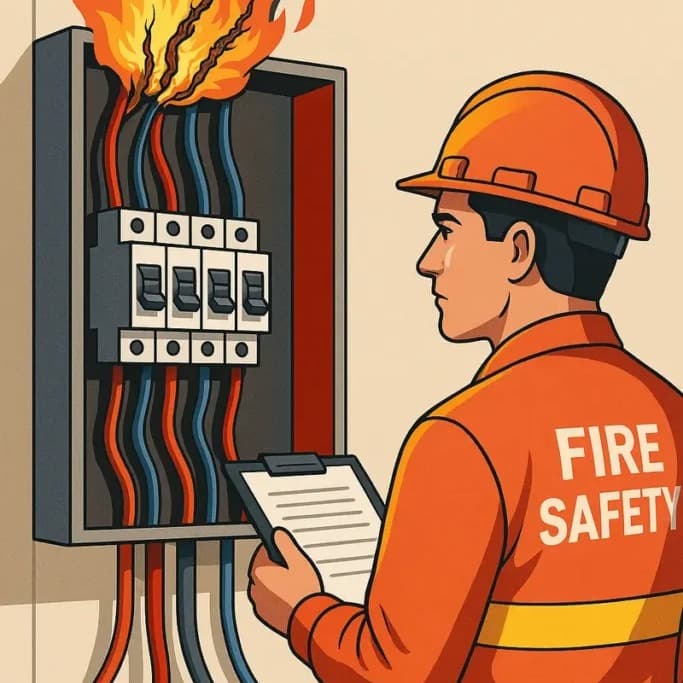
Electrical fires remain one of the leading causes of workplace incidents worldwide. Often developing without warning, they can result in severe injuries, operational disruptions, and significant property damage. Understanding electrical hazards, recognizing early warning signs, and implementing preventive measures are essential for creating a safer and more resilient workplace.