


Fire suppression technology has evolved far beyond conventional sprinklers. Modern facilities demand engineered solutions that protect lives, critical assets, and business continuity while minimizing environmental impact. From water mist and clean agents to hybrid suppression technologies, today's systems are redefining how fires are controlled across increasingly complex built environments.
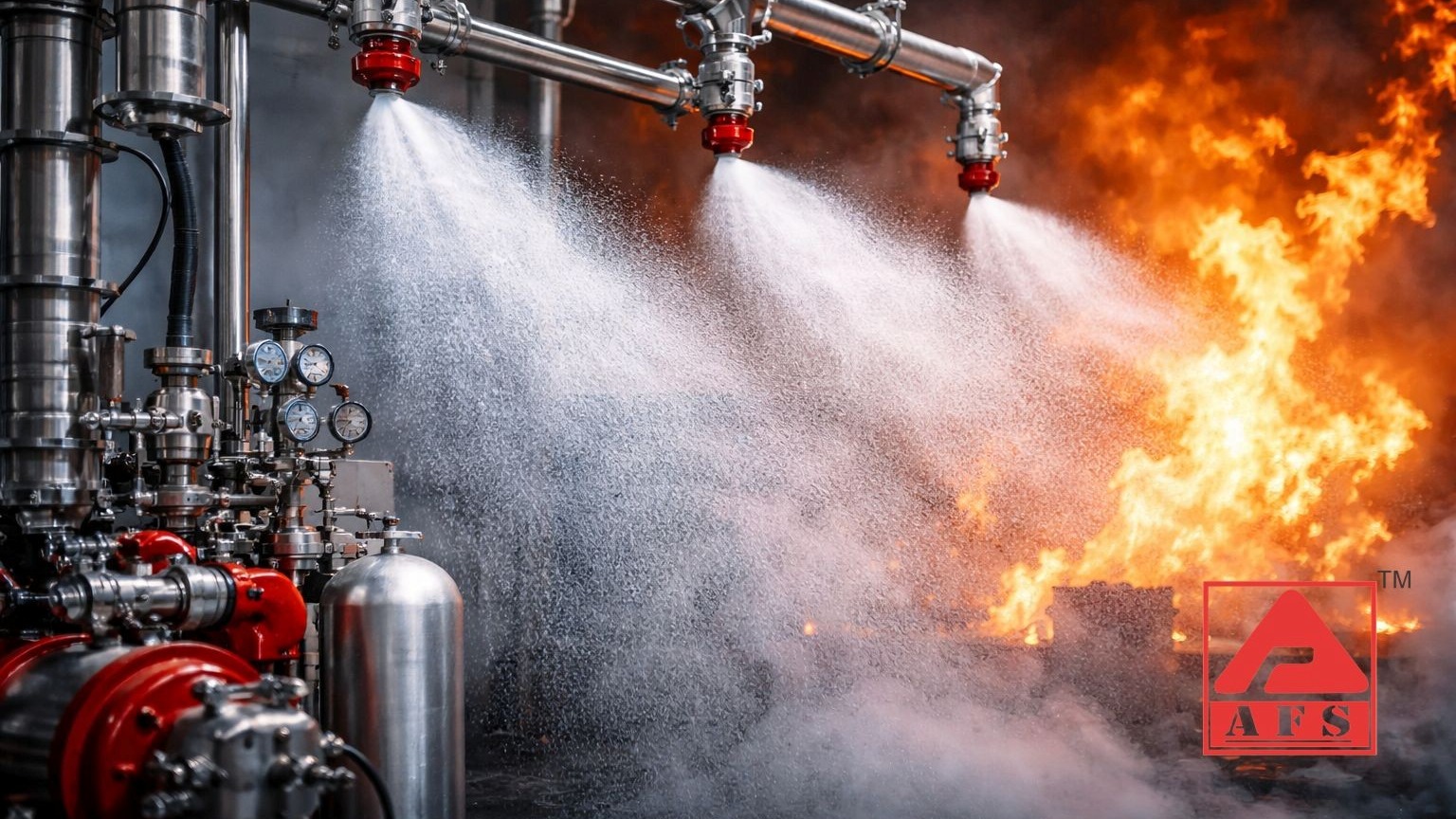
For more than a century, automatic fire sprinkler systems have been regarded as one of the most effective active fire protection measures ever developed. Their ability to detect heat, discharge water directly over the fire, and significantly reduce fire growth has saved countless lives and prevented billions of dollars in property damage worldwide. Yet, as buildings have become more sophisticated and industries increasingly rely on sensitive electronic equipment, hazardous processes, and mission-critical infrastructure, the fire protection landscape has changed dramatically. Today's engineers are no longer selecting suppression systems based solely on occupancy classification; they are designing highly specialized solutions tailored to the unique fire risks, operational requirements, and environmental considerations of each facility.
Modern fire suppression engineering begins with a simple but fundamental principle: no single extinguishing technology is suitable for every application. The suppression strategy for a petrochemical processing plant differs significantly from that of a hyperscale data centre, pharmaceutical manufacturing facility, heritage museum, semiconductor cleanroom, or electric vehicle battery manufacturing plant. Each environment presents distinct fuel characteristics, fire growth behaviour, operational constraints, and asset protection priorities that demand carefully engineered suppression solutions rather than standardized installations.
Water continues to remain the world's most widely used extinguishing medium because of its exceptional cooling capability and availability. Conventional automatic sprinkler systems, designed in accordance with standards such as NFPA 13, have consistently demonstrated their effectiveness in controlling fires during their early stages. However, sprinkler engineering has evolved considerably over recent decades. Advances in hydraulic calculations, computational design software, improved sprinkler response characteristics, and enhanced understanding of fire dynamics have enabled engineers to optimize water distribution, improve activation reliability, and reduce unnecessary water demand while maintaining high levels of fire protection.
The increasing adoption of high-bay warehouses, automated storage and retrieval systems (ASRS), and modern logistics centres has further expanded the role of advanced sprinkler technology. Facilities storing commodities at heights exceeding 20 metres generate fire scenarios that differ substantially from conventional commercial occupancies. Rapid vertical fire spread, high heat release rates, and restricted accessibility require carefully designed suppression strategies involving Early Suppression Fast Response (ESFR) sprinklers, in-rack sprinkler systems, and specialized hydraulic network configurations capable of delivering adequate water density precisely where it is needed most.
While conventional sprinklers remain indispensable, they are not always appropriate for environments where excessive water discharge may result in unacceptable damage or operational disruption. This challenge has driven the growing adoption of water mist systems, which utilize significantly smaller water droplets than traditional sprinklers. These fine droplets rapidly absorb thermal energy, cool combustion gases, displace oxygen locally through steam generation, and reduce radiant heat transfer. Because water mist systems require substantially less water, they have become attractive solutions for marine applications, heritage buildings, healthcare facilities, turbine enclosures, transportation infrastructure, and locations where water supply is limited or secondary water damage must be minimized.
Protecting high-value electronic equipment presents an entirely different engineering challenge. Data centres, telecommunication facilities, financial institutions, control rooms, museums, and semiconductor manufacturing plants cannot tolerate either uncontrolled fire growth or extensive water exposure. In these environments, clean agent fire suppression systems provide an effective alternative. Modern gaseous suppression agents extinguish fires by interrupting combustion processes or reducing heat without leaving residue that could damage sensitive equipment. Their rapid discharge characteristics allow fire suppression to occur within seconds, enabling business continuity while minimizing post-incident recovery efforts.
The evolution of clean agent technology has also been shaped by increasing environmental awareness. Earlier halon-based suppression systems, though highly effective, were phased out because of their ozone depletion potential. Today's suppression agents are engineered to provide high fire extinguishing performance while reducing environmental impact through lower ozone depletion and, increasingly, reduced global warming potential. Environmental sustainability has therefore become an important consideration alongside fire suppression performance during system selection.
Industrial facilities handling flammable liquids, hydrocarbons, aviation fuels, or chemical processes frequently require suppression strategies that extend beyond water-based technologies. Foam fire suppression systems remain the preferred solution for many Class B fire hazards because they simultaneously cool the fuel surface and create a protective blanket that suppresses flammable vapour release. Advances in fluorine-free foam concentrates are now helping industries comply with tightening environmental regulations while maintaining effective fire suppression capabilities.
An emerging area of fire suppression engineering is the development of hybrid suppression systems, which combine multiple extinguishing mechanisms to improve overall performance. Systems integrating inert gases with fine water mist, for example, simultaneously reduce oxygen concentration while providing efficient cooling, enabling rapid fire control with significantly lower water consumption. Hybrid technologies have gained increasing attention for applications involving archives, cultural heritage facilities, energy infrastructure, and mission-critical environments where balancing asset protection with occupant safety is essential.
The effectiveness of any suppression system ultimately depends not only on the extinguishing agent but also on accurate fire detection and system activation. Modern suppression systems are increasingly integrated with intelligent fire detection networks, addressable fire alarm panels, aspirating smoke detection systems, Building Management Systems (BMS), and emergency communication platforms. This integration allows suppression systems to respond more rapidly, coordinate smoke control operations, initiate occupant notification, and provide firefighters with real-time information regarding system status and fire location. Rather than operating as independent installations, suppression technologies are becoming integral components of comprehensive life safety ecosystems.
Advances in digital engineering are also transforming how suppression systems are designed, commissioned, and maintained. Building Information Modelling (BIM) enables precise coordination of piping layouts within increasingly congested building services, reducing installation conflicts and improving constructability. Hydraulic modelling software allows engineers to optimize pipe sizing, pump selection, and water supply characteristics with greater accuracy than ever before. During operation, Internet of Things (IoT) sensors and cloud-based monitoring platforms continuously monitor valve positions, pressure levels, water storage, pump performance, and system health, allowing maintenance teams to identify deficiencies before they compromise fire protection capability.
Despite remarkable technological progress, suppression engineering continues to face evolving challenges. Emerging hazards associated with renewable energy systems, battery energy storage installations, hydrogen infrastructure, automated manufacturing, and advanced robotics are introducing fire scenarios that conventional suppression technologies were not originally designed to address. Engineers must therefore continually reassess suppression methodologies through fire testing, computational modelling, and research to ensure that protection systems remain effective as industries evolve.
International standards remain central to suppression system design and performance verification. Documents published by the National Fire Protection Association (NFPA), FM Global, ISO, EN standards, and national building regulations establish rigorous criteria for system selection, hydraulic calculations, installation, testing, inspection, and maintenance. However, experienced fire protection engineers increasingly recognize that standards represent minimum requirements rather than optimal solutions. Effective suppression design demands a thorough understanding of fire dynamics, occupancy risks, operational continuity, environmental impact, and long-term asset protection objectives.
Looking ahead, fire suppression engineering is entering a period of unprecedented innovation. Artificial intelligence is beginning to assist in predictive maintenance and system diagnostics, while advanced sensors provide continuous monitoring of suppression system health. Digital twins allow engineers to simulate suppression performance throughout a building's operational lifecycle, enabling proactive optimization rather than reactive maintenance. Research into environmentally sustainable extinguishing agents, intelligent nozzle technologies, and adaptive suppression algorithms is further expanding the capabilities of modern fire protection systems.
As the built environment becomes increasingly complex, the expectations placed on fire suppression systems continue to grow. Modern facilities require solutions that not only extinguish fires quickly but also preserve critical infrastructure, minimize business interruption, reduce environmental impact, and integrate seamlessly with intelligent building technologies. Fire suppression engineering has therefore evolved from a straightforward mechanical discipline into a sophisticated science that combines hydraulics, fire dynamics, digital engineering, environmental stewardship, and systems integration. In this rapidly changing landscape, selecting the right suppression technology is no longer simply a matter of compliance it is a strategic engineering decision that shapes the resilience, safety, and operational continuity of the built environment.
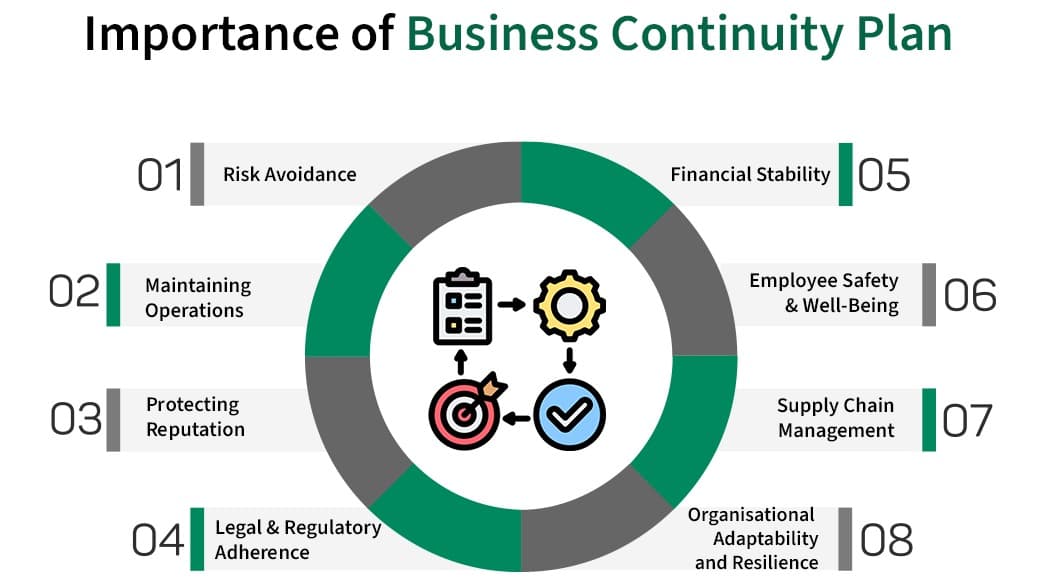
Fire emergency readiness combines prevention, preparedness, rapid response, evacuation, communication, and recovery planning to protect lives, safeguard critical assets, maintain essential operations, and strengthen organizational resilience during disruption.
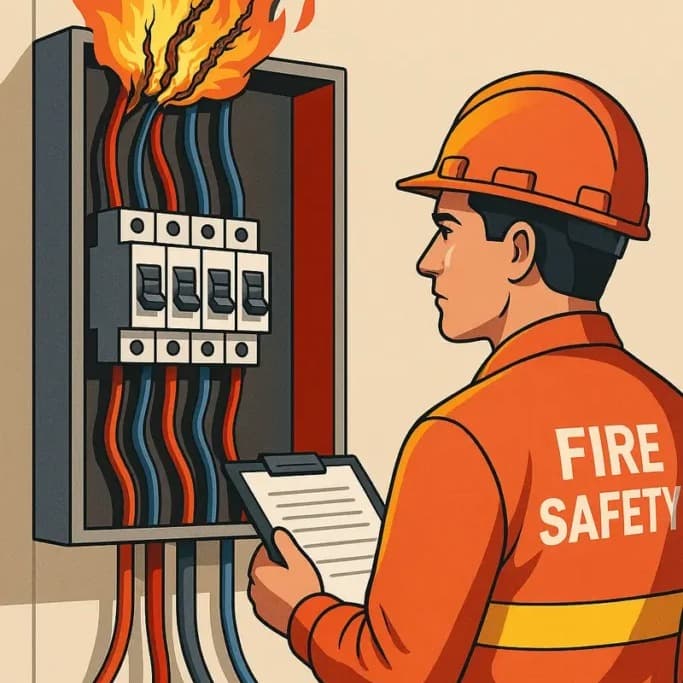
Electrical fires remain one of the leading causes of workplace incidents worldwide. Often developing without warning, they can result in severe injuries, operational disruptions, and significant property damage. Understanding electrical hazards, recognizing early warning signs, and implementing preventive measures are essential for creating a safer and more resilient workplace.
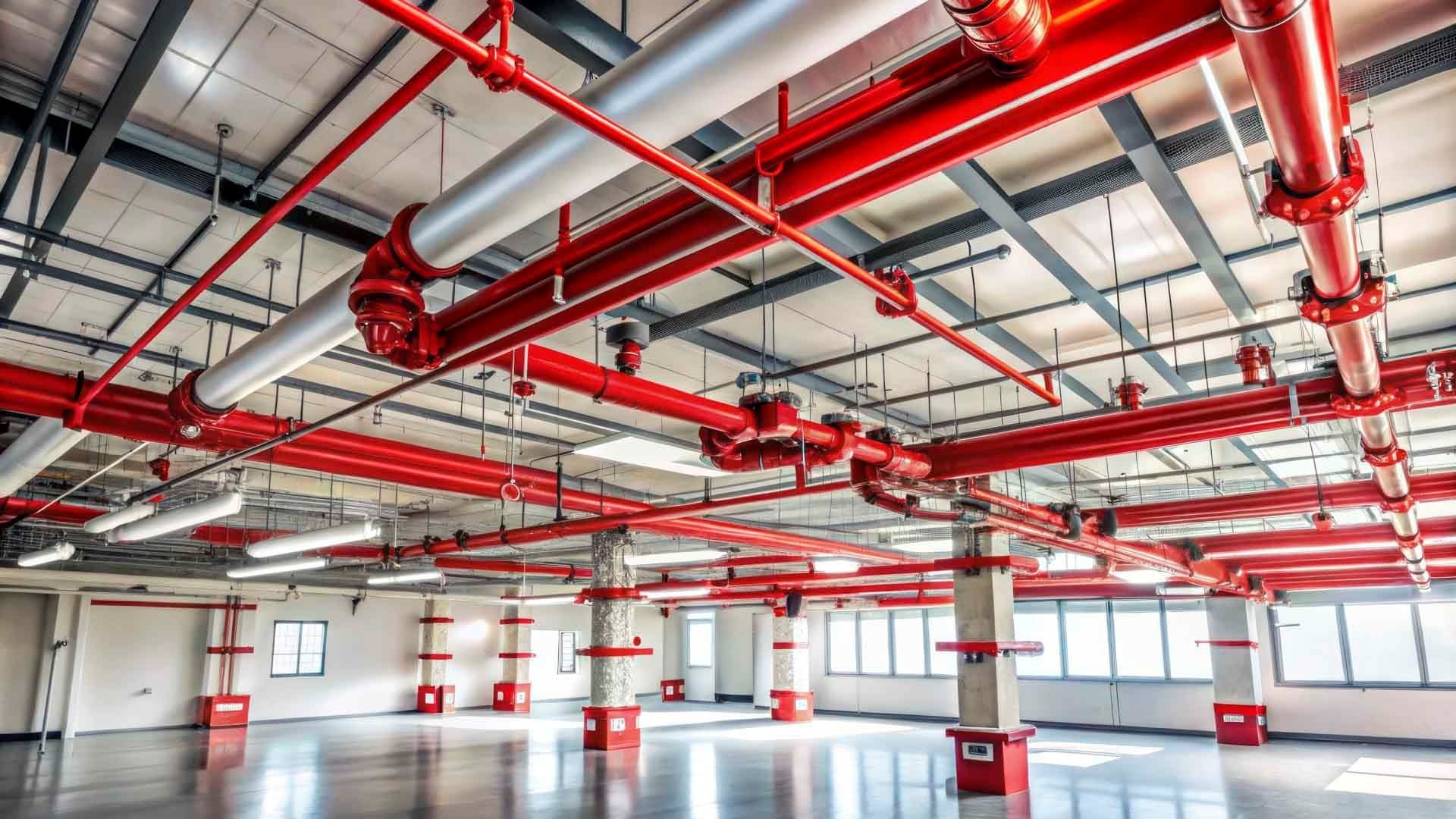
Automatic sprinkler systems are critical in controlling fires before they escalate. Proper design and optimization based on hazard classification, water supply, and system layout ensure maximum efficiency. In high-risk buildings, well-engineered sprinkler systems significantly reduce fire damage, protect occupants, and support compliance with modern fire safety standards.