


Fire emergency readiness combines prevention, preparedness, rapid response, evacuation, communication, and recovery planning to protect lives, safeguard critical assets, maintain essential operations, and strengthen organizational resilience during disruption.
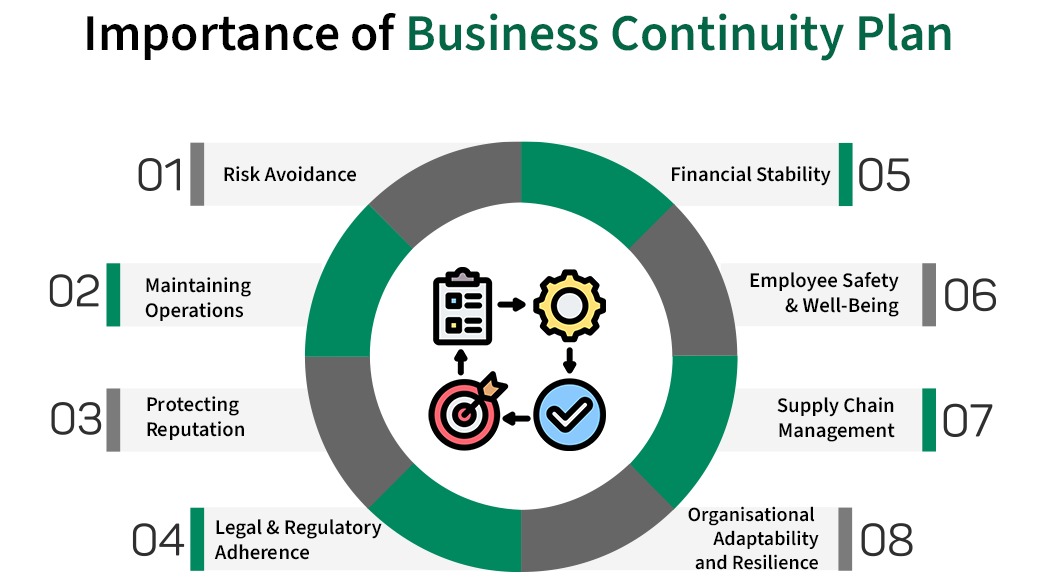
Fire remains one of the most significant workplace emergencies because its impact can extend far beyond physical damage. A fire can threaten lives, disrupt critical operations, damage infrastructure, affect business continuity, and create long-term financial and reputational consequences. While prevention remains the priority, organizations must also be prepared to respond effectively when a fire occurs. Fire emergency readiness is therefore an essential part of a mature organizational security, safety, and resilience strategy.
Effective fire preparedness begins with the understanding that every second matters during an emergency. When an alarm is activated, employees and emergency teams must know what actions to take, where to go, and how to communicate. A well-designed emergency response framework reduces confusion and helps ensure that decisions are made quickly and consistently. Organizations should establish clear responsibilities for employees, fire wardens, security personnel, facilities teams, management, and emergency responders.
A strong fire emergency plan should begin with a comprehensive assessment of the organization's facilities, activities, occupancy, and potential fire hazards. Different areas of a workplace may present different risks. Electrical rooms, kitchens, warehouses, laboratories, production areas, server rooms, workshops, and storage locations may require specific controls and response measures. Understanding these risks allows organizations to develop emergency procedures that reflect the actual operating environment rather than relying on a generic plan.
Fire detection and alarm systems play a critical role in providing early warning. Smoke detectors, heat detectors, manual call points, fire alarms, and other detection technologies can help identify a developing incident and initiate an emergency response. These systems must be appropriately designed, regularly inspected, tested, and maintained. An alarm is only effective when people recognize it and understand what action it requires.
Evacuation is one of the most important elements of fire emergency readiness. Employees should be familiar with designated emergency exits, evacuation routes, assembly points, and procedures for reporting to designated areas. Emergency routes should remain clearly marked and free from obstruction. Exit doors and emergency pathways should be regularly inspected to ensure that they remain accessible.
Accountability after evacuation is equally important. Organizations need a reliable method of determining whether employees, visitors, contractors, and other individuals have safely exited the affected area. Visitor-management systems, access-control records, departmental registers, or other appropriate methods can support this process. Accurate accountability can provide valuable information to emergency responders and help identify whether anyone may still be inside the facility.
Fire wardens and emergency-response personnel have an important role in supporting an orderly response. Their responsibilities may include guiding people toward designated exits, helping communicate emergency instructions, supporting evacuation procedures, and coordinating with security and emergency-response teams. These responsibilities should be clearly documented, and personnel assigned to them should receive appropriate training.
Communication is another critical factor during a fire emergency. Employees need clear and timely information about what is happening and what actions they should take. Emergency communication channels should be established in advance, with backup methods available if normal communication systems become unavailable. Communication with emergency services should also be coordinated so that relevant information can be provided quickly, including the location of the incident, known hazards, affected areas, and access points.
Security teams can provide important support during a fire emergency. Security personnel may monitor alarms, control access to affected areas, assist with evacuation coordination, maintain emergency access routes, and support communication with emergency services. CCTV systems can also provide situational awareness where appropriate, helping authorized personnel understand conditions around the facility without exposing individuals unnecessarily to danger.
Firefighting equipment and suppression systems are another essential component of preparedness. Depending on the facility and its risk profile, this may include portable fire extinguishers, fire hydrants, sprinklers, suppression systems, fire pumps, and other specialized equipment. These systems require regular inspection, testing, maintenance, and appropriate documentation. Employees should also understand that firefighting equipment should only be used when it is safe and when they are appropriately trained; evacuation and personal safety remain the primary priorities.
Business continuity becomes particularly important when a fire affects critical operations. A major incident may make part or all a facility unavailable for an extended period. Organizations should therefore identify critical business functions and determine how they can continue during a disruption. Alternative work locations, backup systems, data recovery arrangements, emergency suppliers, communication plans, and alternative operational processes may all contribute to organizational resilience.
Critical infrastructure should receive particular attention. Server rooms, communication systems, electrical infrastructure, security-control rooms, storage areas, and other essential facilities may have a direct impact on the organization's ability to continue operating. Organizations should understand the dependencies between these systems and develop appropriate protection and recovery strategies.
Emergency preparedness should also consider employees, visitors, contractors, and individuals who may require additional assistance during an evacuation. Clear procedures should be established to support safe evacuation while maintaining dignity and accountability. Contractors and visitors should receive appropriate emergency information, particularly when they are unfamiliar with the facility.
Training and emergency drills are essential for validating preparedness. Employees may understand evacuation procedures in theory but respond differently under real emergency conditions. Regular drills provide an opportunity to test evacuation routes, communication methods, alarm systems, accountability procedures, and coordination between teams. Exercises can also identify practical issues such as congestion, unclear signage, communication gaps, or difficulties reaching assembly areas.
Drills should be treated as learning opportunities rather than simply compliance activities. After each exercise, organizations should review the results, identify areas for improvement, and update procedures where necessary. Lessons learned can strengthen future emergency planning and improve confidence across the organization.
Technology can further support fire emergency readiness. Modern facilities may integrate fire detection, alarms, access control, CCTV, building-management systems, emergency communications, and centralized monitoring platforms. When appropriately designed, these technologies can help security and facilities teams obtain a clearer picture of an incident and coordinate their response more effectively.
However, technology should complement—not replace—preparedness, training, and human decision-making. A sophisticated fire detection system cannot compensate for blocked exits, poor emergency communication, inadequate training, or unclear responsibilities. True resilience comes from combining technology with strong processes, competent people, effective leadership, and continuous improvement.
Leadership commitment is therefore fundamental to fire emergency readiness. Senior management should ensure that adequate resources are available for fire prevention, detection, emergency response, training, maintenance, and business continuity. Fire safety should be considered as part of the organization's overall risk-management framework rather than as an isolated facilities responsibility.
Operational resilience also requires organizations to think beyond the immediate emergency. Once the fire is controlled and people are safe, attention shifts toward recovery. Organizations should assess damage, secure affected areas, restore critical systems, communicate with stakeholders, and determine how operations can resume safely. A structured recovery process can reduce downtime and help the organization return to normal operations more effectively.
Post-incident review is an important part of this process. Following an actual fire or significant emergency exercise, organizations should evaluate the effectiveness of their response. What worked well? Where were delays experienced? Were communication channels effective? Were evacuation procedures practical? Were critical systems adequately protected? These lessons can then be incorporated into future, training programs, infrastructure improvements, and risk assessments.
Ultimately, fire emergency readiness is about much more than having fire extinguishers and conducting annual drills. It is about building an organizational capability that protects life, supports decisive action, minimizes disruption, and enables recovery. Prevention remains essential, but preparedness determines how effectively an organization can respond when prevention fails.
A resilient organization understands that fire safety is a shared responsibility. Employees, security teams, facilities professionals, emergency responders, business leaders, and external partners all have a role to play. Through effective planning, reliable systems, regular training, strong communication, and continuous improvement, organizations can strengthen their ability to protect people while maintaining critical operations.
Fire emergency readiness should ultimately be viewed as an investment in life safety, operational resilience, and business continuity. When organizations prepare before an emergency occurs, they are better positioned to make informed decisions, reduce the impact of disruption, protect critical assets, and recover with greater confidence.
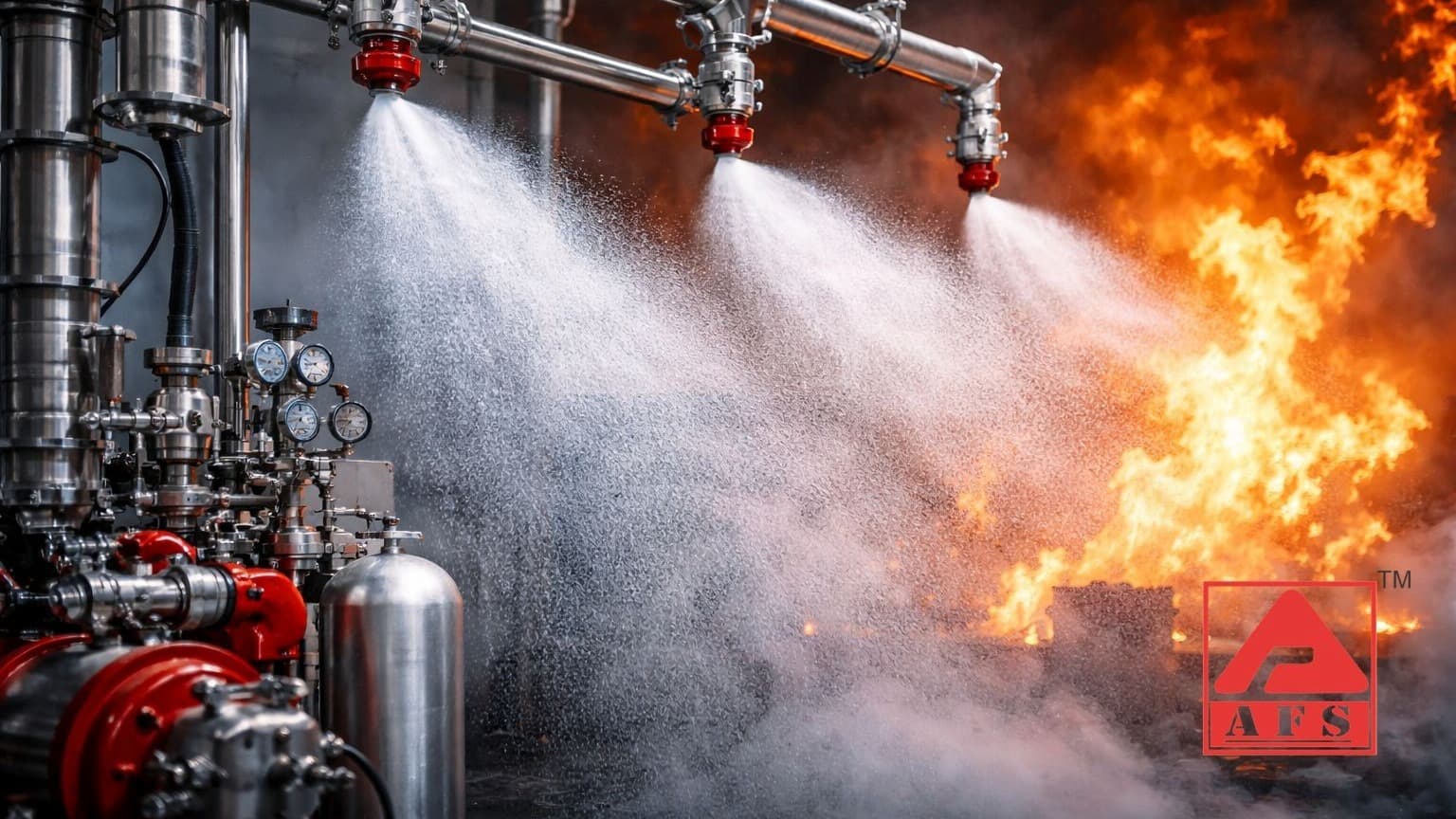
Fire suppression technology has evolved far beyond conventional sprinklers. Modern facilities demand engineered solutions that protect lives, critical assets, and business continuity while minimizing environmental impact. From water mist and clean agents to hybrid suppression technologies, today's systems are redefining how fires are controlled across increasingly complex built environments.
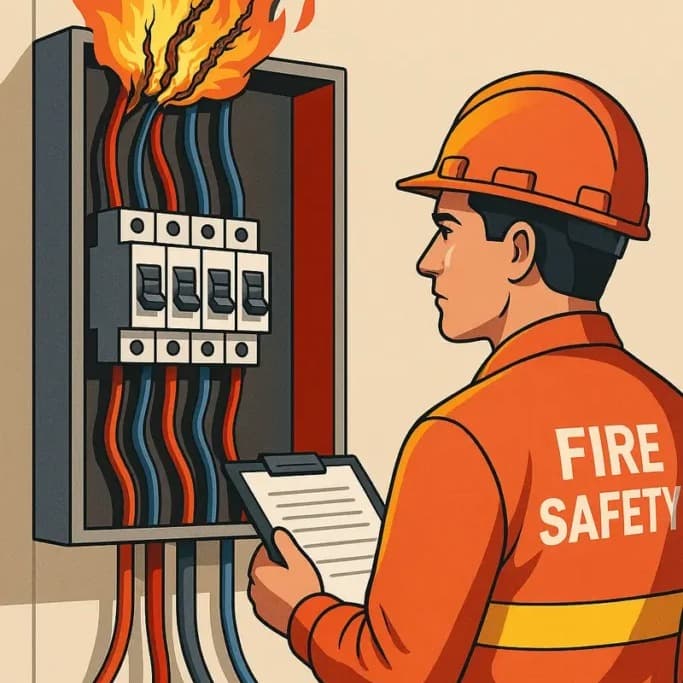
Electrical fires remain one of the leading causes of workplace incidents worldwide. Often developing without warning, they can result in severe injuries, operational disruptions, and significant property damage. Understanding electrical hazards, recognizing early warning signs, and implementing preventive measures are essential for creating a safer and more resilient workplace.
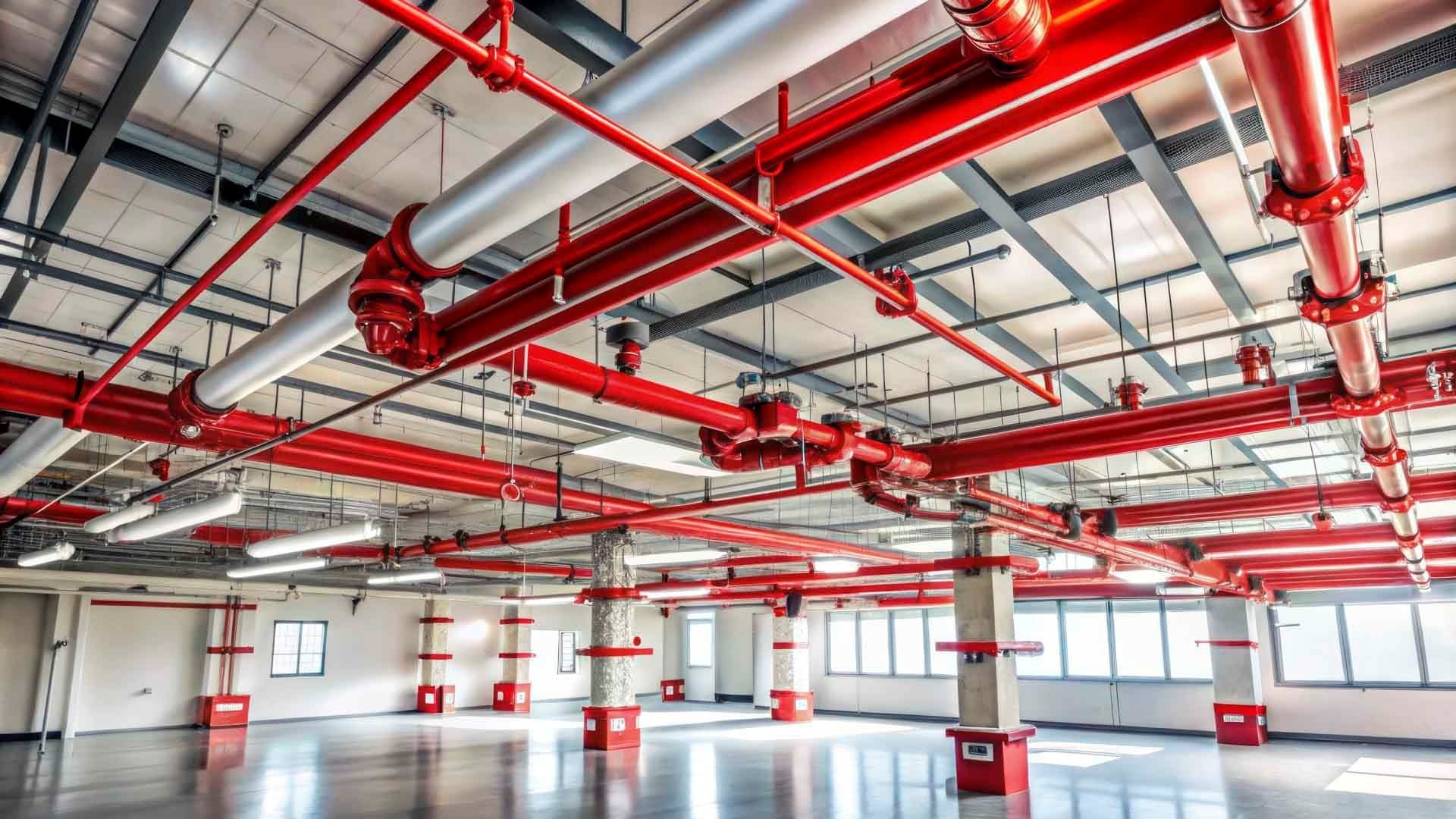
Automatic sprinkler systems are critical in controlling fires before they escalate. Proper design and optimization based on hazard classification, water supply, and system layout ensure maximum efficiency. In high-risk buildings, well-engineered sprinkler systems significantly reduce fire damage, protect occupants, and support compliance with modern fire safety standards.