


A focused overview of fire safety practices, compliance requirements, and risk mitigation strategies
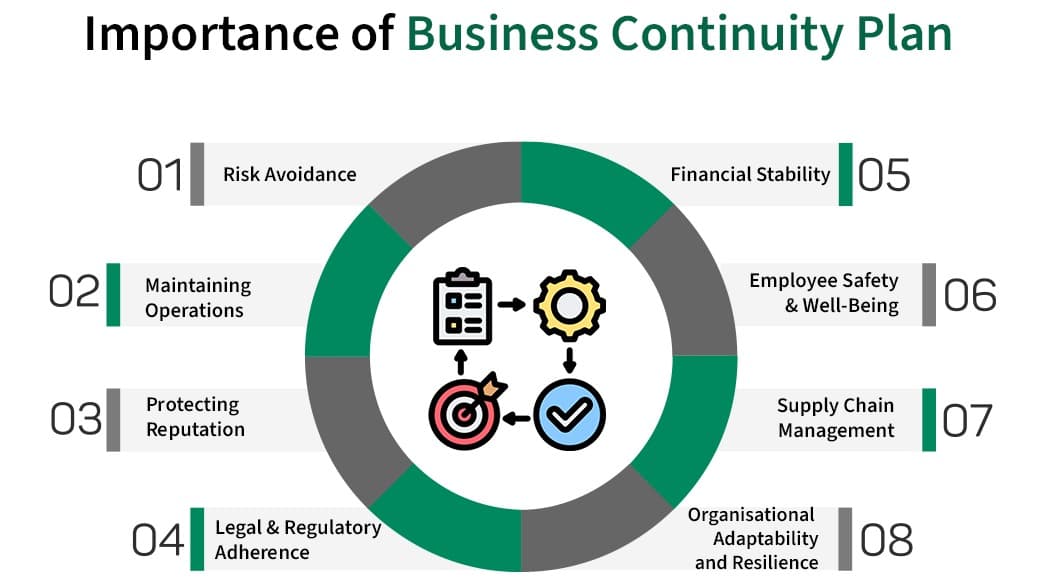
Fire emergency readiness combines prevention, preparedness, rapid response, evacuation, communication, and recovery planning to protect lives, safeguard critical assets, maintain essential operations, and strengthen organizational resilience during disruption.
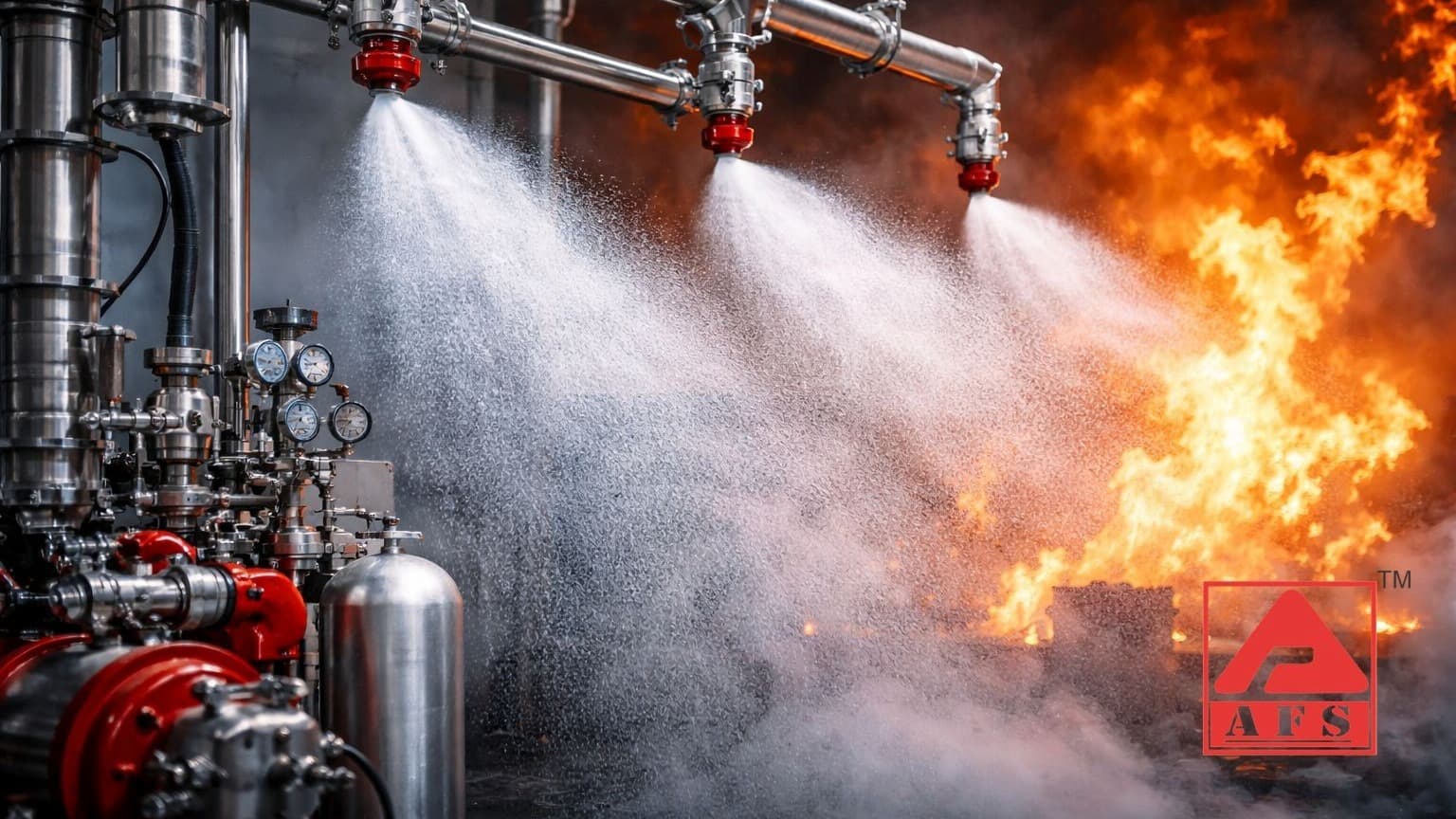
Fire suppression technology has evolved far beyond conventional sprinklers. Modern facilities demand engineered solutions that protect lives, critical assets, and business continuity while minimizing environmental impact. From water mist and clean agents to hybrid suppression technologies, today's systems are redefining how fires are controlled across increasingly complex built environments.
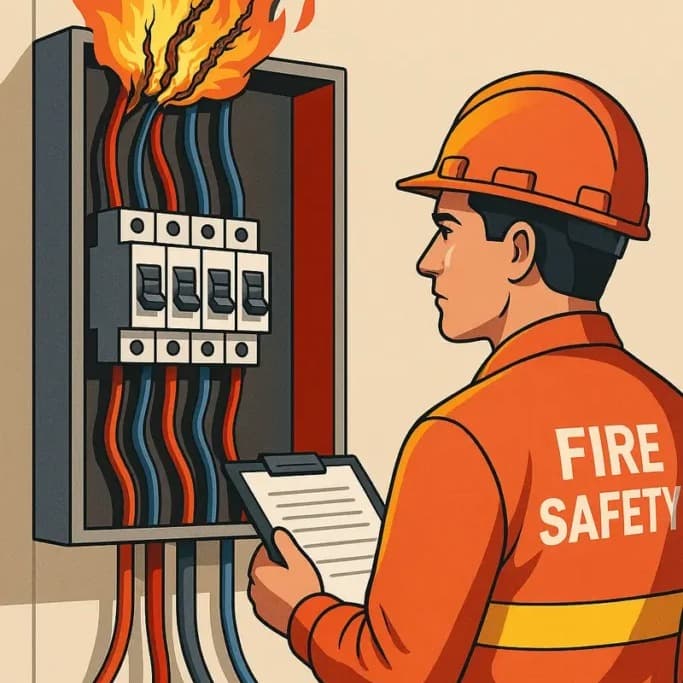
Electrical fires remain one of the leading causes of workplace incidents worldwide. Often developing without warning, they can result in severe injuries, operational disruptions, and significant property damage. Understanding electrical hazards, recognizing early warning signs, and implementing preventive measures are essential for creating a safer and more resilient workplace.
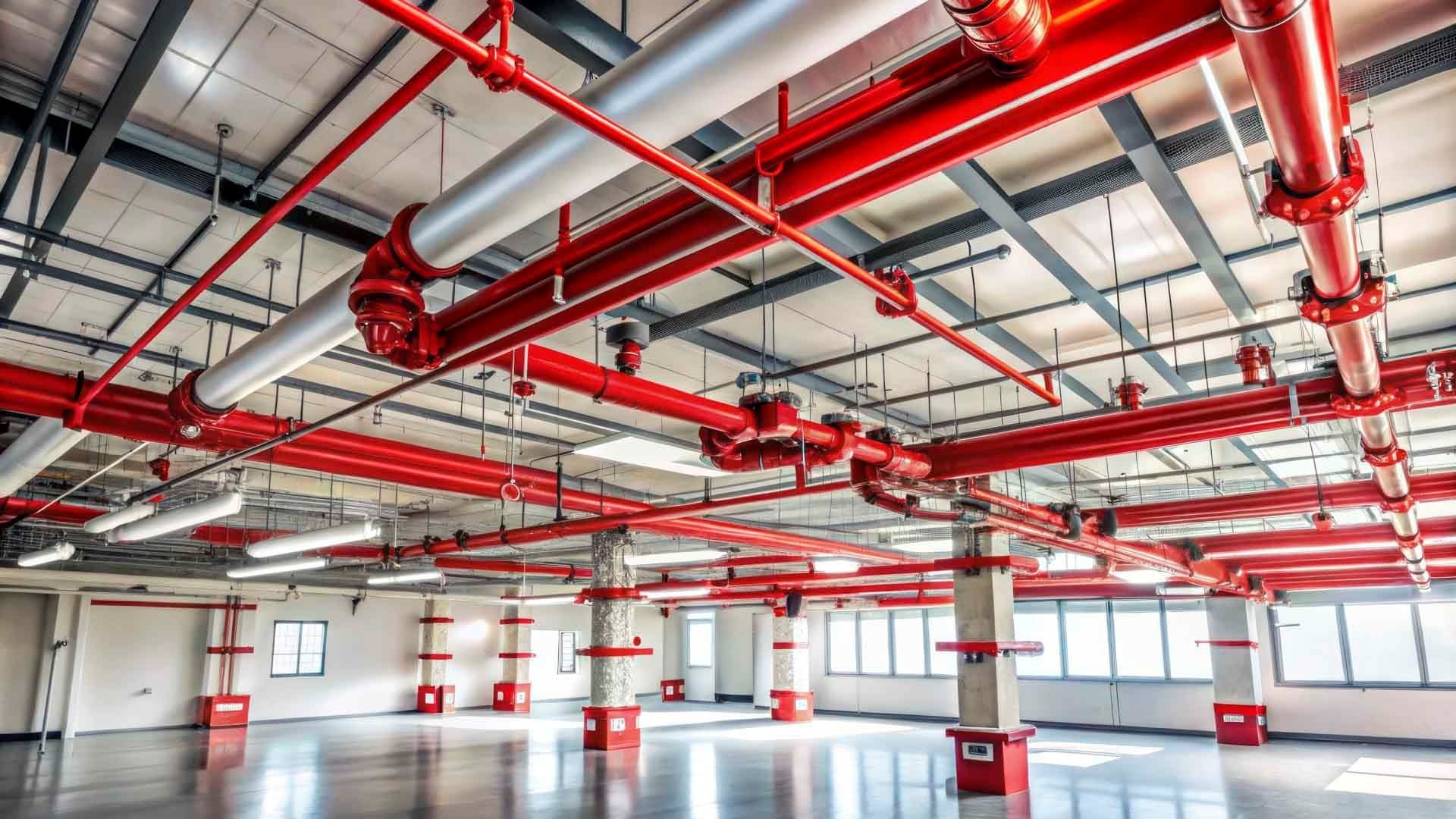
Automatic sprinkler systems are critical in controlling fires before they escalate. Proper design and optimization based on hazard classification, water supply, and system layout ensure maximum efficiency. In high-risk buildings, well-engineered sprinkler systems significantly reduce fire damage, protect occupants, and support compliance with modern fire safety standards.
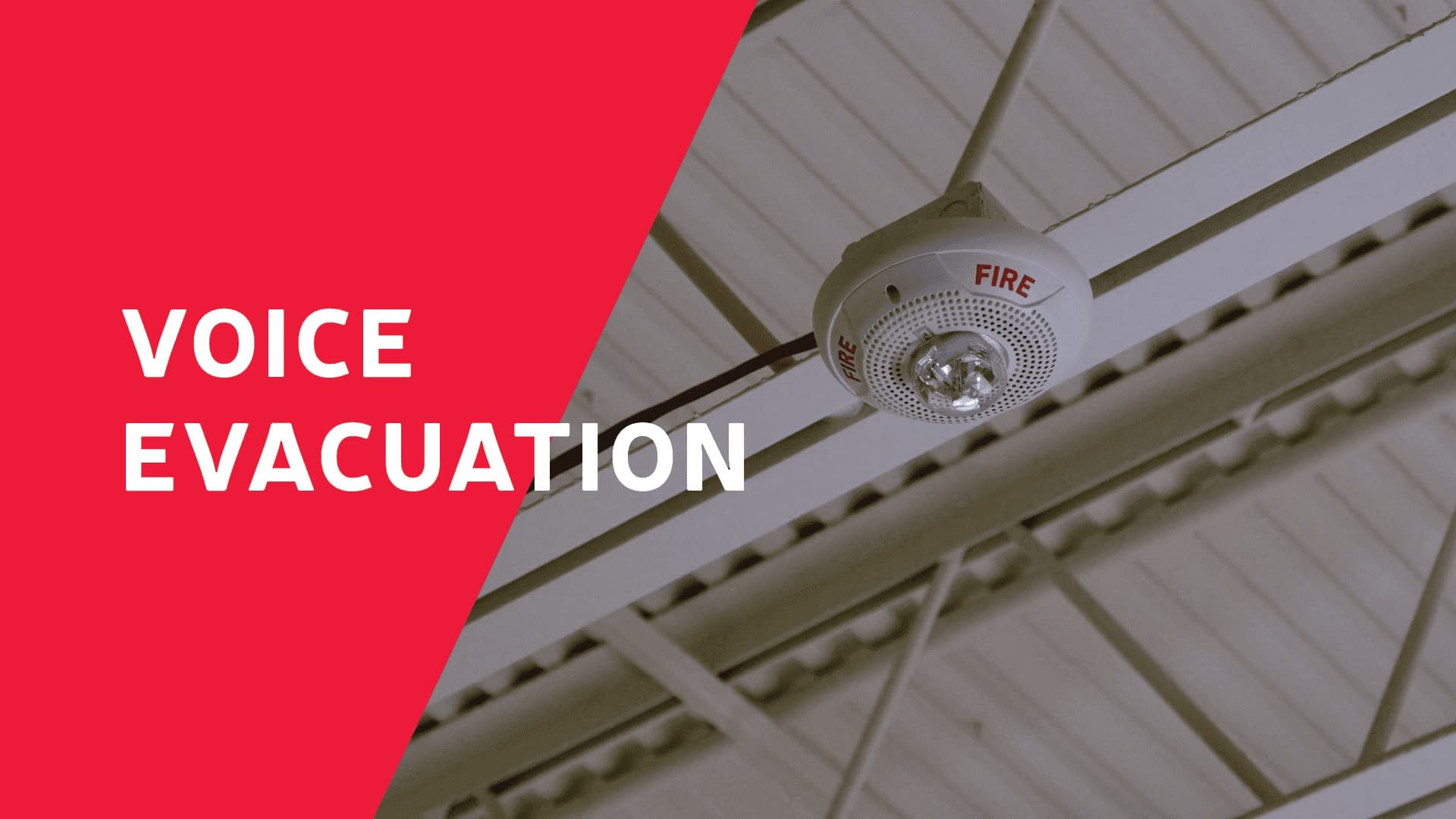
Emergency evacuation systems combined with voice alarm technology improve occupant safety by providing clear, real-time instructions during fire incidents. Unlike traditional alarms, these systems reduce panic, guide evacuation, and enhance response efficiency, making them essential for modern high-occupancy buildings and complex infrastructure environments.
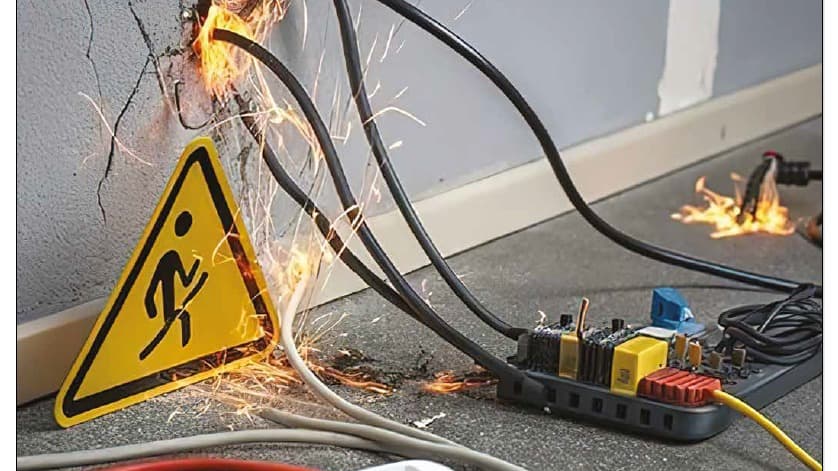
Rising electrical demand from data centers, EV infrastructure, and renewable integration increases arc fault fire risk. High-temperature arcs can ignite insulation and cable trays rapidly. Advanced detection, thermographic monitoring, and arc-resistant system design are critical to preventing electrical faults from escalating into large-scale structural fires.

Risk-based design shifts active fire protection from generic code compliance to scenario-driven safety planning. By aligning fire detection, alarm, and suppression systems with actual building risks, organizations can significantly improve response effectiveness, reduce system failures, and enhance occupant safety in complex modern facilities.
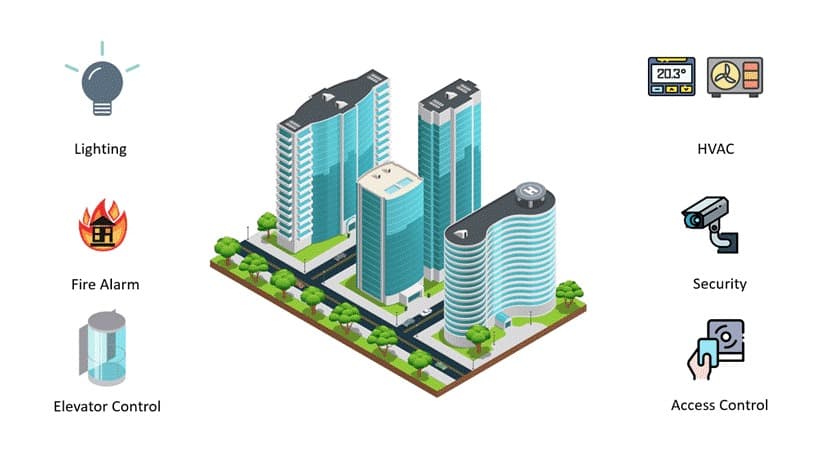
Integrating fire alarm systems with Building Management Systems enhances coordination, visibility, and response during emergencies. However, without clear design logic, cybersecurity controls, and rigorous testing, integration can introduce serious operational risks that compromise fire system reliability and life safety outcomes.
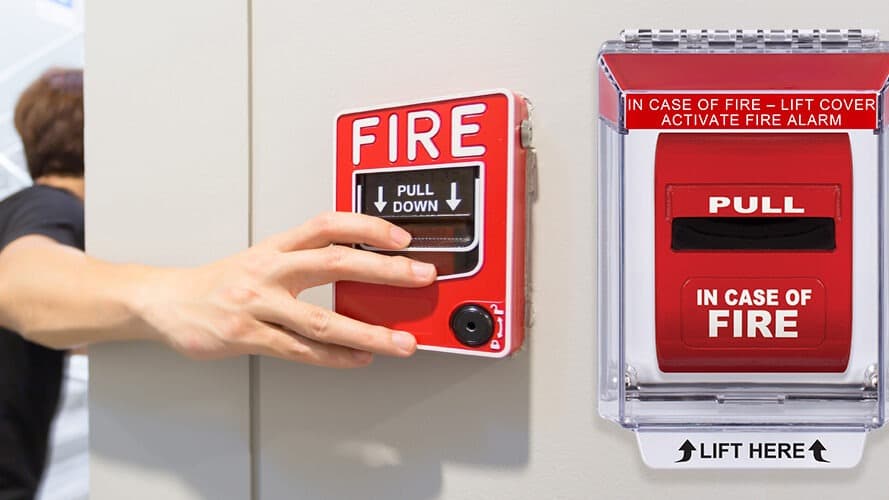
Fire detection systems are often undermined by false alarms and delayed detection, reducing trust and response effectiveness. Understanding the technical, environmental, and operational causes behind poor detector performance is essential to ensure timely alerts, system reliability, and occupant safety in modern buildings.
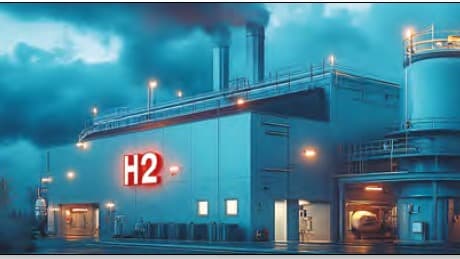
Hydrogen storage and fuel cell facilities introduce unique fire risks due to hydrogen’s flammability and high energy density. This article explores safety challenges, preventive measures, detection technologies, and emergency protocols, highlighting lessons from real incidents to prepare facilities for the energy transition while protecting people, assets, and business continuity.
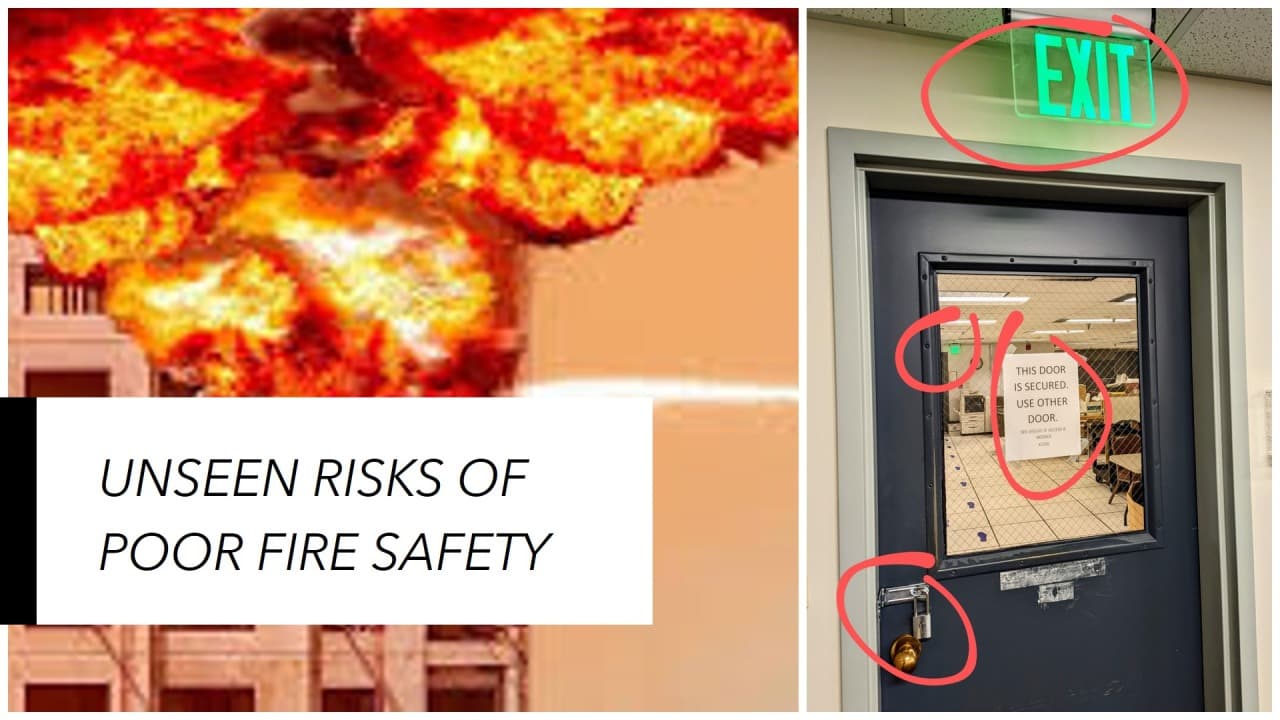
Compliance alone does not guarantee fire safety. This article examines real-world incidents where functioning systems failed due to human error, poor maintenance, or management gaps, highlighting lessons for organizations to move beyond checklists, strengthen operational accountability, and ensure robust fire risk management that truly protects people and assets.
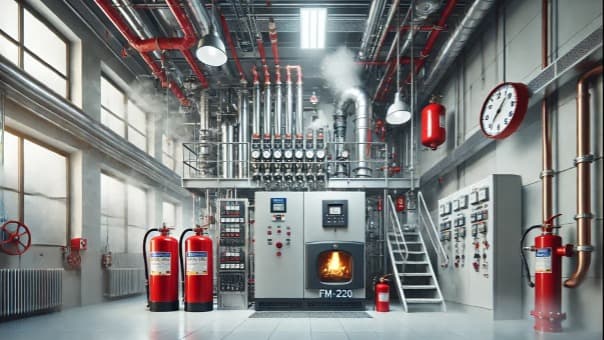
High occupancy spaces like airports, malls, and stadiums demand more than just compliance they need intelligent, reliable, and coordinated active fire systems. This article explores the design principles, technologies, and innovations that ensure rapid detection, effective suppression, and safe evacuation in crowded environments, safeguarding lives where every second counts.