


A focused overview of fire safety practices, compliance requirements, and risk mitigation strategies
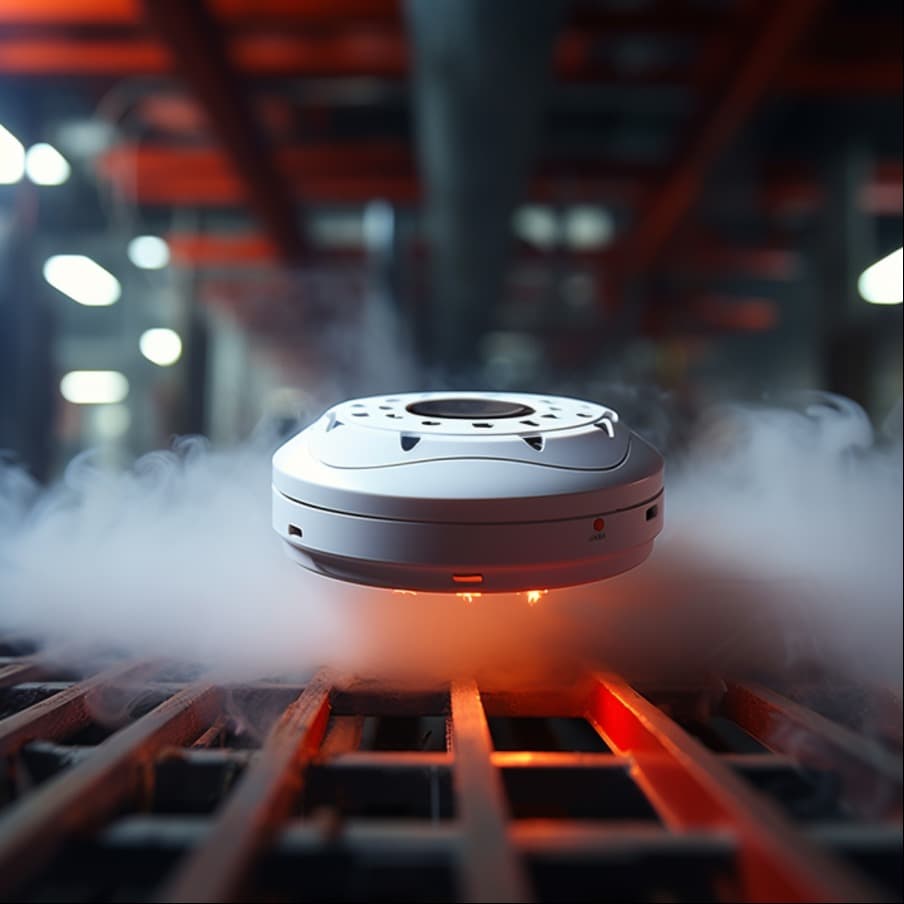
Artificial Intelligence is transforming active fire detection by enabling early warnings, predictive analysis, and smart prevention. Through sensor fusion, image recognition, and data analytics, AI-driven fire safety systems can identify potential hazards before ignition, improving accuracy, response speed, and overall building resilience against fire outbreaks.
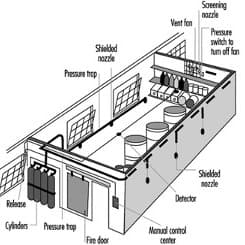
When it comes to fire safety, high-occupancy spaces represent some of the most challenging environments to protect. These include shopping malls, airports, theatres, stadiums, hospitals, hotels, and convention centers places where thousands of people may gather at once. In such environments, speed, clarity, and coordination define the line between safety and tragedy. While compliance with building codes is essential, true safety demands going beyond minimum standards. Designing active fire systems for these spaces involves strategic planning, advanced technologies, and a deep understanding of human behavior during emergencies.
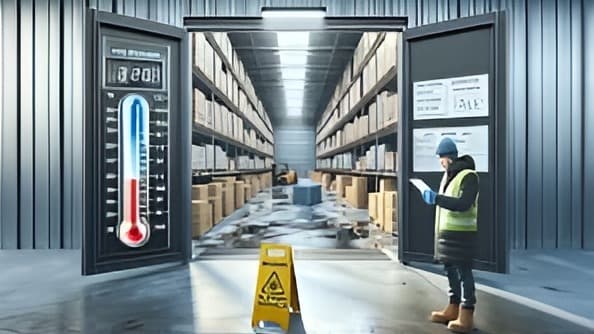
Cold storage facilities, essential for preserving perishables, often hide significant fire risks due to insulation materials, electrical systems, and confined layouts. This article explores the fire hazards unique to cold storage environments and outlines strategic solutions including fire detection, suppression, and passive fire protection to ensure safe and uninterrupted operations.
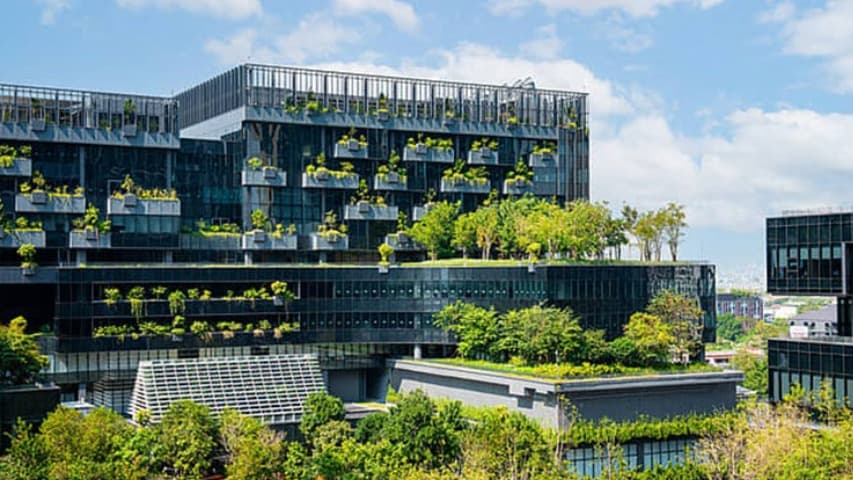
Green buildings promise energy efficiency but may unintentionally invite fire risks through synthetic insulation, complex HVAC systems, and hidden cabling. This blog uncovers the unseen dangers, challenges existing fire codes, and suggests ways to balance sustainability with uncompromised fire protection.

Art spaces house creativity, culture, and history—but many overlook critical fire hazards within them. From flammable art materials to aging infrastructure and lack of active protection, studios, galleries, and museums are vulnerable. This blog explores hidden fire risks and urges the adoption of modern passive and active fire safety measures.
Dr. Arindam Bhadra, Director, SSA Integrate, Kolkata.
Dr. Arindam Bhadra, Director, SSA Integrate, Kolkata.