


Art spaces house creativity, culture, and history—but many overlook critical fire hazards within them. From flammable art materials to aging infrastructure and lack of active protection, studios, galleries, and museums are vulnerable. This blog explores hidden fire risks and urges the adoption of modern passive and active fire safety measures.

Where Beauty Meets Risk?
Art speaks to the soul, but behind every canvas, sculpture, or ancient textile lies an often-unspoken danger—fire. Art studios, galleries, and museums are filled with irreplaceable works, delicate materials, and aging infrastructure. Sadly, fire safety in these cultural spaces remains an afterthought, leaving invaluable heritage vulnerable to devastating loss.
The irony is that while museums and galleries preserve history, they are often themselves unprotected by modern fire safety technologies. And when fire strikes, it doesn't just destroy property—it wipes out pieces of culture and identity that can never be recreated.
Art Studios: Fire Hazards Where Creativity Begins
Art studios—whether used by professional artists or hobbyists—are hotbeds of potential fire hazards:
Flammable Materials: Solvents, varnishes, oil paints, and fixatives are highly combustible. Improper storage or careless handling can turn a studio into a firetrap.
Open Flames and Heat Sources: Some artists use blowtorches, heat guns, or candles as part of their process, increasing ignition risks.
Improvised Electrical Setups: Extension cords, overloaded sockets, and old wiring are common in makeshift studios.
Lack of Ventilation: Fumes and vapors can accumulate, leading to both health risks and fire hazards.
With few regulations governing small or home-based studios, fire safety often depends entirely on the artist’s awareness and practices.
Art Galleries: Style Over Safety?
Galleries focus on aesthetics—sleek lighting, open spaces, and an atmosphere of calm. But these priorities can overshadow essential fire safety considerations:
Decor over Fire-Rated Materials: Many galleries use fabrics, wood panels, and acoustic foam to enhance ambiance, often without fire-resistance certification.
Hidden or Blocked Exits: For visual appeal, fire exits are sometimes hidden behind drapes or partially blocked.
Insufficient Extinguishers: Small gallery owners may not invest in appropriate fire extinguishers or fire alarm systems.
Neglected HVAC Systems: Poor maintenance can lead to short circuits and fire hazards.
Events like opening nights or art fairs draw large crowds, increasing fire load and evacuation challenges.
Museums: Guardians of Heritage, Yet Vulnerable
Museums are institutions tasked with protecting our past. Ironically, many of them—especially in India—operate out of heritage buildings that lack modern safety infrastructure.
Aging Electrical Systems: Many Indian museums occupy colonial-era buildings with outdated wiring systems prone to short circuits.
Poor Passive Protection: Most heritage structures were built before fire-rated doors, intumescent coatings, or smoke seals became standard.
Neglected Fire Suppression Systems: Sprinklers, fire alarms, and smoke detectors may be missing or non-functional.
Combustible Exhibits: From ancient manuscripts and textiles to wood carvings and oil paintings, many artifacts are inherently flammable.
Restricted Water Use: In fear of damaging artifacts, many museums are reluctant to install water-based fire suppression systems, yet fail to invest in alternative solutions like gas-based suppression or clean agents.
Real-Life Incidents That Sound the Alarm
Several tragic fires have underlined the vulnerability of art and cultural institutions:
The National Museum of Natural History (New Delhi, 2016): A short circuit led to a massive fire that destroyed invaluable exhibits, including taxidermied animals and rare artifacts. The building lacked modern fire detection and suppression systems.
Museu Nacional, Rio de Janeiro (Brazil, 2018): Over 20 million artifacts were lost in one of the most devastating museum fires globally. The reason? Faulty wiring and budget constraints on fire safety measures.
Kolkata’s Academy of Fine Arts (2000s): The fire alarm system was non-functional for years, with multiple fire incidents narrowly avoided due to luck rather than planning.
These incidents serve as stark reminders that cultural spaces are not immune to fire—and the damage is often irreversible.
Why Are Art Spaces Often Overlooked in Fire Planning?
Lack of Regulation:
Fire safety regulations in India primarily focus on commercial and residential buildings. Cultural institutions fall into a grey area, especially smaller or private setups.
Cost Constraints:
Museums and galleries often operate on limited budgets, prioritizing exhibitions over infrastructure upgrades.
Preservation Conflicts:
Water-based suppression is avoided due to the risk of artifact damage, but alternatives like inert gas systems are costly and less understood.
Aesthetic Priorities:
Visible fire safety features (like extinguishers or alarms) are sometimes hidden to maintain a clean look, which delays emergency response.
Solutions: Protecting Art Without Compromising Safety
1. Passive Fire Safety Measures:
Fire-rated Walls, Ceilings, and Partitions to compartmentalize fire.
Smoke seals and Intumescent Paints on doors and wooden frames to slow fire spread.
Non-Combustible Display Cases with protective glass or treated materials.
Fire-Retardant Coatings on fabrics and art installations.
2. Smart Suppression Systems:
Gas-based systems (like FM-200 or Novec 1230) that suppress fire without water damage.
Aspirating smoke detection systems (ASDs) for sensitive spaces, offering early detection.
Localized suppression modules installed in high-risk zones like electrical rooms.
3. Electrical Upgrades and Maintenance:
Regular audits of wiring, panels, and HVAC systems.
Isolation switches for high-load areas.
Surge protection and proper earthing.
4. Training and Preparedness:
Staff training on extinguisher use, evacuation protocols, and fire drill participation.
Visitor safety instructions during events or special exhibits.
Dedicated fire wardens or safety marshals during crowded functions.
5. Collaboration with Fire Departments:
Pre-fire planning and risk assessment with local fire brigades.
Ensuring accessibility for firefighting vehicles.
Coordination for mock drills and emergency planning.
Looking Ahead: Safety as Part of the Creative Process
The art world doesn’t need to choose between safety and style. Modern fire safety technologies offer discreet, effective, and artifact-safe solutions. Integrating fire safety into the design phase of a gallery or museum renovation can enhance both protection and experience.
Government bodies, curators, artists, and cultural leaders must prioritize fire preparedness as part of long-term preservation. NGOs, fire safety consultants, and passive fire protection companies should actively engage with cultural spaces to raise awareness.
Conclusion: Fire Can Erase Culture—Let’s Not Wait for a Tragedy
India’s cultural wealth is vast, beautiful—and at risk. Fire doesn't just destroy objects; it erases centuries of identity and inspiration. By bringing fire safety into conversations around art, creativity, and heritage preservation, we can build a safer, more responsible future where beauty and safety coexist.
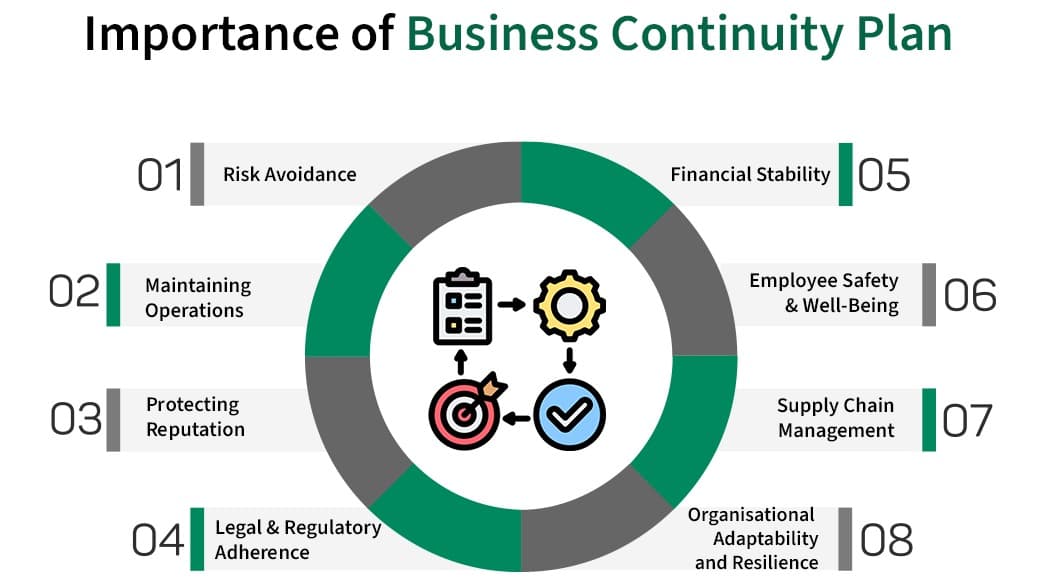
Fire emergency readiness combines prevention, preparedness, rapid response, evacuation, communication, and recovery planning to protect lives, safeguard critical assets, maintain essential operations, and strengthen organizational resilience during disruption.
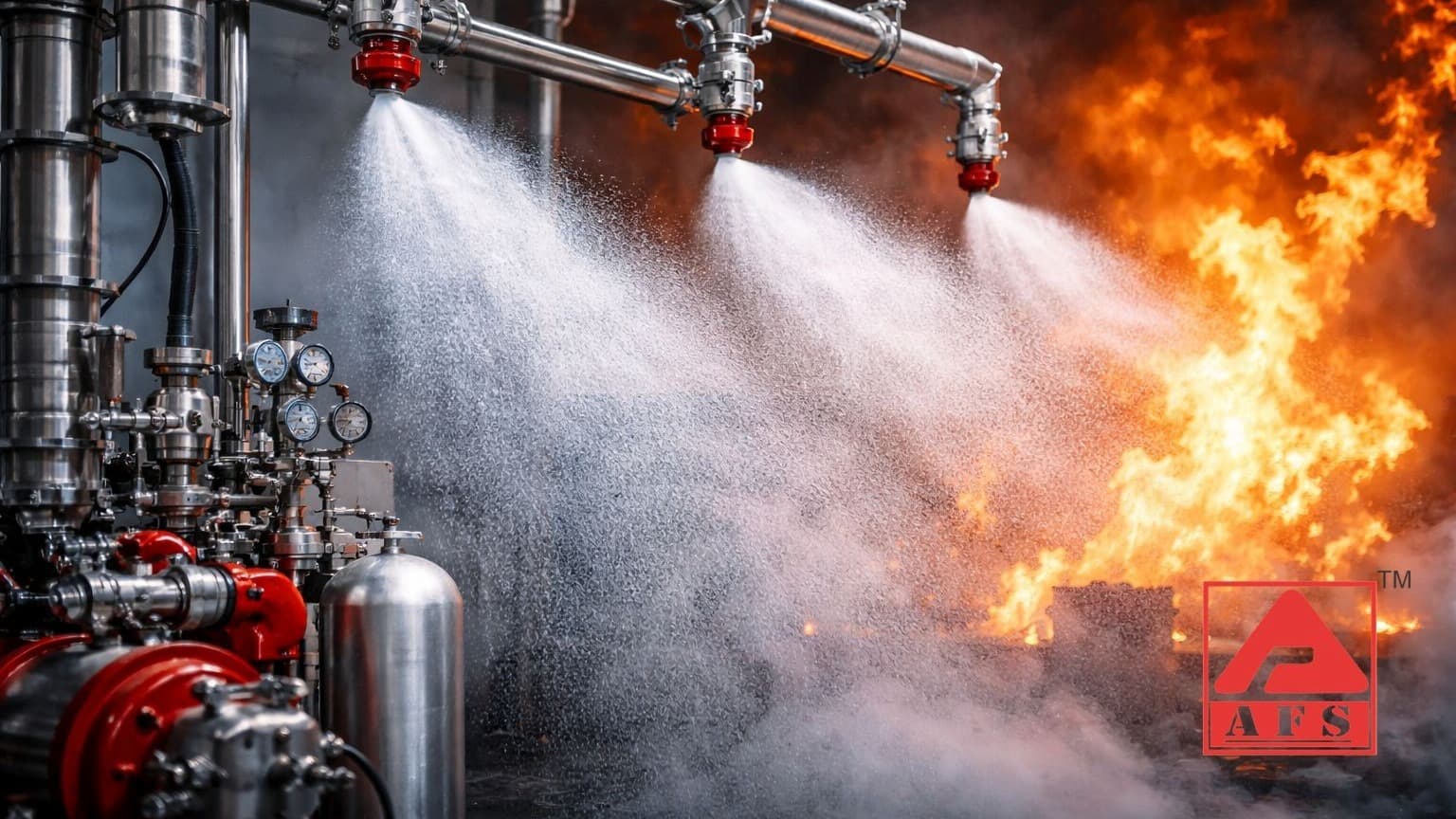
Fire suppression technology has evolved far beyond conventional sprinklers. Modern facilities demand engineered solutions that protect lives, critical assets, and business continuity while minimizing environmental impact. From water mist and clean agents to hybrid suppression technologies, today's systems are redefining how fires are controlled across increasingly complex built environments.
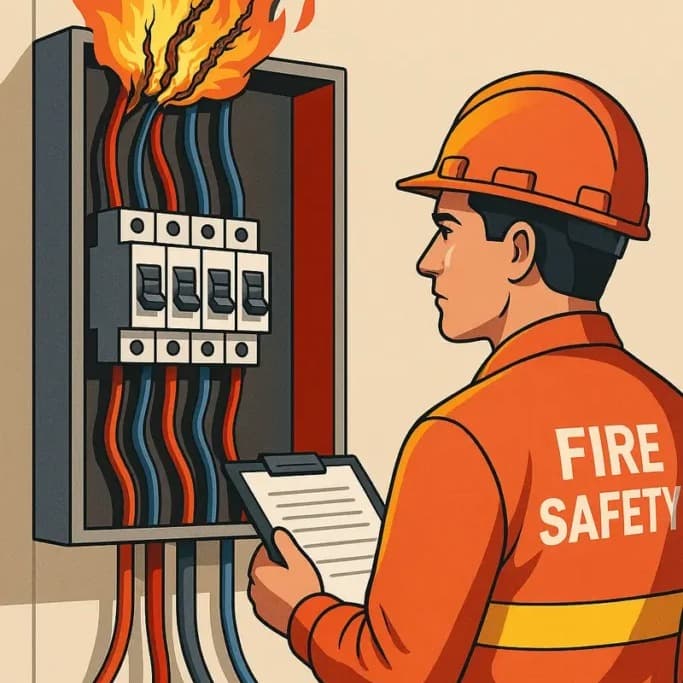
Electrical fires remain one of the leading causes of workplace incidents worldwide. Often developing without warning, they can result in severe injuries, operational disruptions, and significant property damage. Understanding electrical hazards, recognizing early warning signs, and implementing preventive measures are essential for creating a safer and more resilient workplace.