


Green buildings promise energy efficiency but may unintentionally invite fire risks through synthetic insulation, complex HVAC systems, and hidden cabling. This blog uncovers the unseen dangers, challenges existing fire codes, and suggests ways to balance sustainability with uncompromised fire protection.

As the global push for sustainability gains momentum, green buildings are emerging as the new standard for modern construction. Designed to reduce environmental impact, these structures often feature cutting-edge materials and technologies that support energy efficiency and eco-conscious living. However, in the race to build green, fire safety is frequently overlooked or worse, compromised. Beneath the surface of sustainability lies a complex web of fire hazards that demand urgent attention.
This article explores the hidden fire risks in green buildings, identifies gaps in current codes and regulations, and recommends actionable strategies to ensure that safety and sustainability go hand in hand.
1. THE PARADOX OF GREEN MATERIALS
Green buildings commonly use advanced construction materials such as:
Spray foam insulation
Wood-fiber composites
High-performance plastics
Recycled synthetic materials
While these materials reduce thermal transmission and carbon footprints, many are highly combustible, emit toxic fumes when burned, or lack the fire-resistant ratings of traditional materials like concrete or brick.
Case in Point:
A well-known incident in the UK involved a “green” cladding system on a highrise that ignited and rapidly spread fire, underscoring the dangers of ignoring fire performance in eco-material choices.
2. COMPLEX HVAC AND VENTILATION SYSTEMS
Green buildings rely on mechanical ventilation systems to optimize energy use and indoor air quality. These include:
Heat Recovery Ventilators (HRVs).
Variable Refrigerant Flow (VRF) Systems.
Airtight Construction.
While energy-efficient, these systems may inadvertently accelerate smoke movement and fire spread if not properly fire-stopped or compartmentalized. The tight building envelopes, designed to retain heat or cool air, can also trap smoke and heat, creating deadly internal environments during a fire.
3. ROOFTOP SOLAR SYSTEMS: A DOUBLE-EDGED SWORD
Solar panels are a cornerstone of green energy strategies. However, rooftop photovoltaic (PV) installations present unique fire risks:
Electrical arcing in faulty wiring.
Combustible roofing materials underneath panels.
Difficulty in cutting off power during fire emergencies.
In many cases, firefighters face challenges in accessing rooftops safely and lack specific training on handling energized solar panels. This makes firefighting operations more dangerous and complex in green buildings.
4. HIDDEN CABLING AND MODULAR SPACES
Green architecture emphasizes open-plan designs and modular spaces, which often hide electrical wiring and fire detection systems behind walls, ceilings, and insulation layers. These concealed spaces become:
Hotspots for undetected smoldering fires.
Barriers to early detection.
Limitations for smoke alarm efficiency.
Additionally, smart lighting systems, automated blinds, and other IoT integrations depend on a web of sensors and wiring if not installed properly with fire-rated conduits, they become ignition points or fire accelerants.
5. WATER CONSERVATION VS. FIREFIGHTING READINESS
Water-saving fixtures and systems, such as low-flow plumbing, greywater reuse, and rainwater harvesting, can impact firefighting systems if not designed with dual purpose in mind. For instance:
Inadequate water pressure may hinder sprinkler systems.
Stored water may not be clean or sufficient for firefighting use.
Some green systems isolate firefighting hydrants from main supply lines.
Firefighting readiness must never be Fire Safety Blogs compromised in the name of water conservation.
6. CHALLENGES WITH RETROFITTING AND CERTIFICATION
In many urban areas, older buildings are retrofitted to meet green certification standards like IGBC or LEED. However:
Retrofitting often involves adding insulation or energy systems without adequate fire-proofing.
Building certifications may focus on energy and waste but ignore fire safety compliance.
Passive fire protection systems (like firestopping or compartmentation) are often downgraded to save space or cost.
A well-intentioned upgrade can become a fire risk multiplier without the oversight of integrated fire safety audits.
7. GAPS IN FIRE CODES AND GREEN STANDARDS
India’s National Building Code (NBC) and other fire safety norms are comprehensive but often not fully aligned with emerging green construction practices. Many green certifications:
Do not mandate fire safety as a core requirement.
Overlook passive fire safety strategies.
Lack a coordinated approach with firefighting authorities.
What’s needed is a synthesis of green certification systems and fire safety codes a unified framework where a building cannot be labeled ‘green’ unless it’s also fire-resilient.
8. A PATH FORWARD: BALANCING GREEN AND SAFE
It is not about choosing one over the other. Fire safety and sustainability must co-exist. Here’s how developers, architects, and regulators can ensure both:
Material Selection: Use only tested and certified fire-retardant materials, even in green-rated buildings.
Integrated Design: Include fire engineers in the early design phase, especially when planning HVAC, insulation, and energy systems.
Training for Responders: Equip fire departments with knowledge of green building layouts, PV systems, and new materials.
Smart Fire Systems: Incorporate AIbased fire detection and IoT-integrated suppression systems suited to green environments.
Third-Party Audits: Make fire safety reviews mandatory for all buildings applying for or maintaining green certification.
CONCLUSION
As India accelerates its journey toward sustainable infrastructure, green buildings are vital for a better environmental future. However, without equally prioritizing fire safety, these eco-friendly havens could become invisible firetraps.
It’s time to redefine what it means to build “green” not just as a symbol of environmental commitment, but also as a model of safe, responsible architecture. A truly sustainable building is one that protects both the planet and the people inside it.
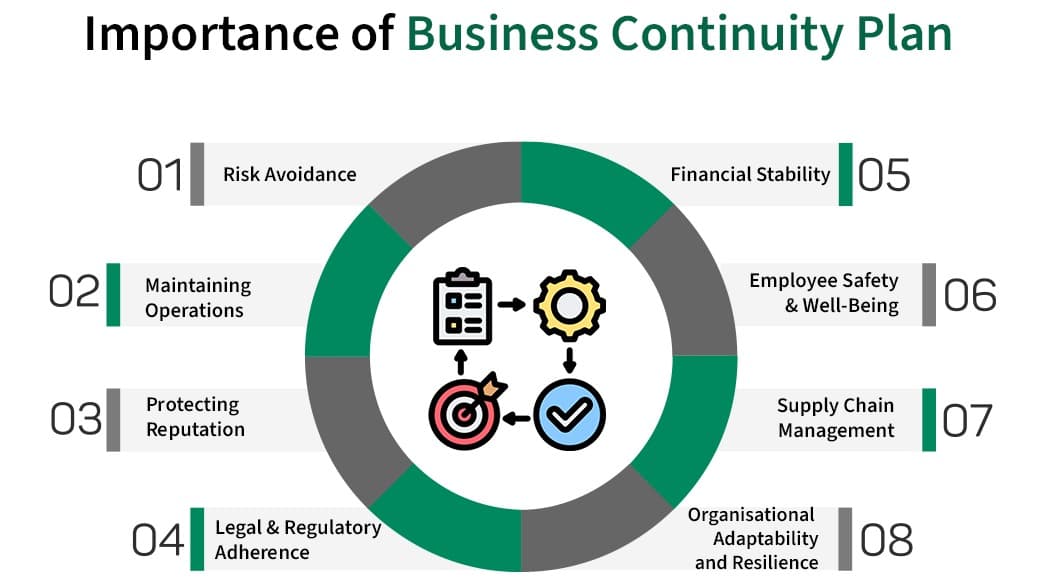
Fire emergency readiness combines prevention, preparedness, rapid response, evacuation, communication, and recovery planning to protect lives, safeguard critical assets, maintain essential operations, and strengthen organizational resilience during disruption.
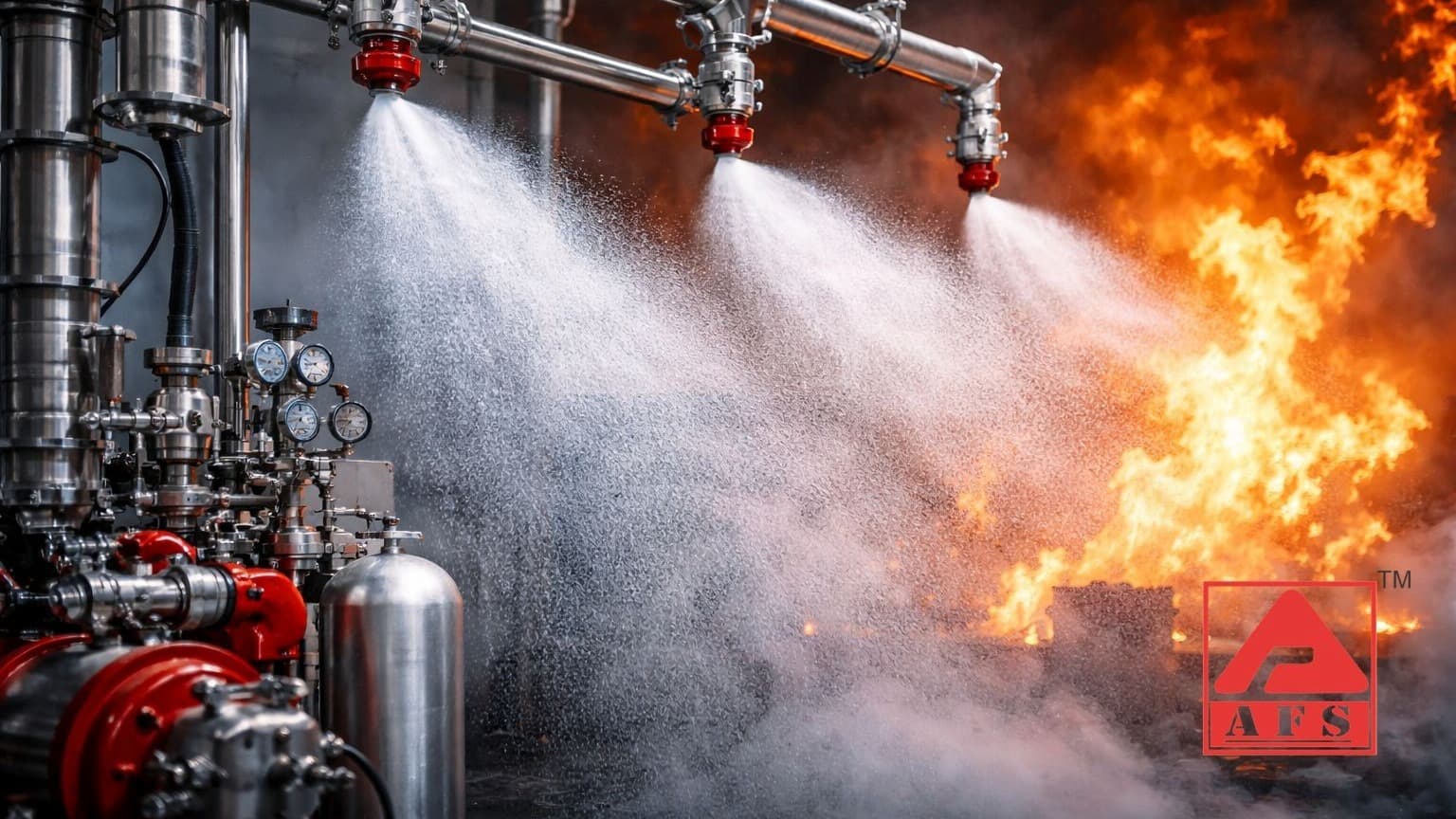
Fire suppression technology has evolved far beyond conventional sprinklers. Modern facilities demand engineered solutions that protect lives, critical assets, and business continuity while minimizing environmental impact. From water mist and clean agents to hybrid suppression technologies, today's systems are redefining how fires are controlled across increasingly complex built environments.
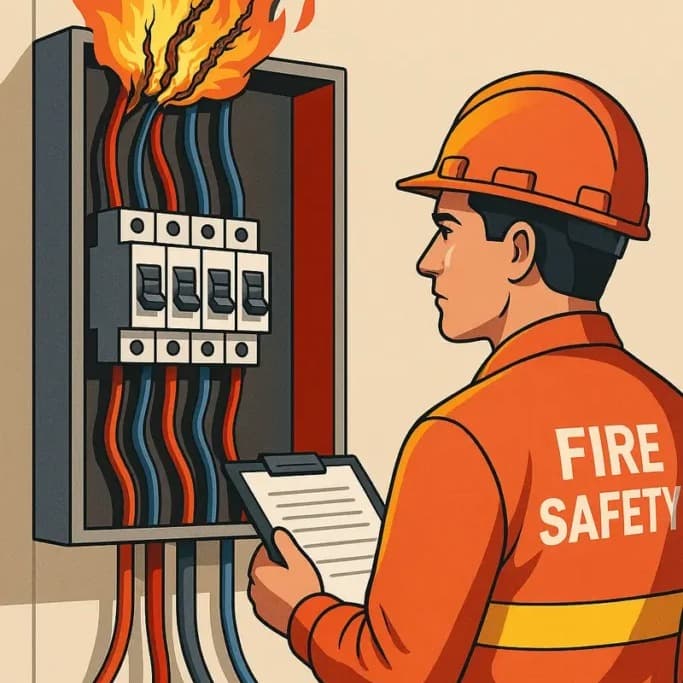
Electrical fires remain one of the leading causes of workplace incidents worldwide. Often developing without warning, they can result in severe injuries, operational disruptions, and significant property damage. Understanding electrical hazards, recognizing early warning signs, and implementing preventive measures are essential for creating a safer and more resilient workplace.