


Cold storage facilities, essential for preserving perishables, often hide significant fire risks due to insulation materials, electrical systems, and confined layouts. This article explores the fire hazards unique to cold storage environments and outlines strategic solutions including fire detection, suppression, and passive fire protection to ensure safe and uninterrupted operations.

Cold Storage facilities are a vital component of India’s agricultural and pharmaceutical infrastructure. From preserving dairy and seafood to storing temperature-sensitive vaccines and chemicals, these refrigerated environments play a pivotal role in maintaining the quality and safety of perishable goods. However, despite the cold temperatures, these facilities are susceptible to one of the most underestimated hazards fire. Ironically, the very insulation and electrical systems that help maintain low temperatures can also contribute to devastating fires, often with far-reaching consequences. Understanding these risks and addressing them with specific fire safety solutions is critical for ensuring business continuity, safety, and compliance.
One of the primary fire hazards in cold storage units is the use of flammable insulation materials. To maintain sub-zero temperatures, facilities often use Polyurethane Foam (PUF), Expanded Polystyrene (EPS), or Extruded Polystyrene (XPS). While effective insulators, these materials are highly combustible. Once ignited, they not only feed the fire but also release thick, toxic smoke that can be fatal and hinder rescue operations. In some cases, this smoke is invisible in cold environments, delaying detection even further.
Electrical malfunctions are another major risk. Cold storage facilities run 24/7 and require constant electrical input to power compressors, lighting, and monitoring systems. Overloaded circuits, exposed wiring, and short circuits caused by condensation or aging equipment can easily become ignition points. Refrigeration units themselves, if poorly maintained, can overheat and spark a fire. Due to limited space and complex layouts, identifying the source of the fire in time is often difficult, compounding the problem.
Moreover, cold storage units tend to have narrow aisles and tall racking systems, creating obstacles for both people trying to evacuate and firefighters trying to navigate the area. The structural layout can cause smoke and heat to accumulate in certain sections, turning these areas into death traps. Adding to the problem is reduced visibility, which can occur due to fog or smoke accumulation in low-temperature environments. This makes traditional smoke detectors less effective, as smoke may not rise as quickly or evenly in such conditions.
A real-world example of this risk was seen in Maharashtra, where a cold storage facility caught fire due to an electrical short circuit. The fire spread rapidly through the insulated walls, destroying tons of fresh produce and causing months of business interruption. Unfortunately, such incidents are not rare, and many go unreported due to the remote locations of these facilities. This highlights the urgent need for specialized fire safety systems tailored to the unique environment of cold storage.
The challenges in implementing fire protection in cold storage are multifaceted. For one, extreme cold can compromise the performance of fire detection and suppression systems. Water-based sprinklers can freeze, smoke detectors may become less sensitive, and alarm systems might fail if not rated for sub-zero use. Conventional systems simply aren't designed to operate effectively in freezing conditions, and that presents a significant gap in fire protection planning.
However, there are effective solutions. One of the most important steps is to use fire-resistant insulation materials. Fire-Retardant treated EPS or mineral wool can reduce combustibility while maintaining thermal efficiency. Ensuring that all wall penetrations, joints, and cable entries are sealed with fire-rated materials also prevents fire from spreading across compartments. Passive Fire Protection elements such as fire-rated walls and doors, intumescent coatings, and fire curtains can help compartmentalize fire and buy time for evacuation and response.
Detection Systems should also be upgraded. Aspirating Smoke Detection (ASD) systems are highly sensitive and capable of operating in cold environments. These systems actively draw air samples through a network of pipes and can detect even minute particles of smoke before a fire breaks out. Heat detectors specially rated for cold conditions can also be used, especially in areas where smoke detection is impractical.
Fire Suppression systems should be adapted to the environment. Dry pipe sprinkler systems, where water is not present in the pipes until needed, are a reliable choice to avoid freezing. Pre-action systems, which require a two-step activation process, provide extra protection by preventing accidental discharge. In gas-based suppression systems, inert gases like nitrogen or argon are highly effective, especially in sealed environments like cold storage rooms. These systems do not leave residue, work well in tight compartments, and avoid the freezing issues of water-based systems.
Regular inspection and maintenance are crucial for the reliability of fire safety systems. Cold environments accelerate the wear and tear of electrical wiring and mechanical components. Facilities must follow a cold-storage-specific maintenance schedule to check the functionality of fire alarms, detectors, suppression systems, and backup power. Maintenance staff should also be trained to recognize signs of equipment failure or degradation.
Human factors also play a significant role. All staff working in the facility should be trained in fire emergency protocols. Fire drills must be conducted regularly, and employees should be familiar with the location of fire exits, extinguishers, and assembly points. Since cold storage units often operate with minimal personnel during night shifts, special procedures must be in place to ensure quick response even during low staffing periods.
From a regulatory standpoint, cold storage facilities must comply with standards such as the National Building Code of India (NBC), the Fire Services Act, and local fire department guidelines. Additionally, adopting international benchmarks like NFPA 13 for sprinkler systems and ISO 45001 for occupational health and safety can enhance preparedness and credibility. Building fire safety into the design phase of new facilities is also highly recommended, with an emphasis on fire-rated materials, separation of equipment, and clear egress routes.
Technology can also offer solutions. Smart fire panels rated for sub-zero operation, IoT-enabled sensors for early warning, and AI-powered video analytics for visual detection of fire or smoke are innovations gaining ground in modern cold storage safety. Drones can even be deployed post-incident to inspect damage in high-rack storage zones that are otherwise hard to access.
In conclusion, cold storage facilities face a unique combination of fire hazards that are often overlooked due to the nature of their operation. From highly flammable insulation to complex layouts and harsh conditions for fire safety equipment, these facilities require a comprehensive, specialized fire protection strategy. Owners and managers must treat fire safety not as a compliance requirement but as a fundamental pillar of operational integrity. The cost of prevention is far lower than the losses incurred in a fire incident. With the right systems, materials, training, and maintenance protocols, cold storage units can be made much safer protecting lives, assets, and the vital food and health supply chains they support.
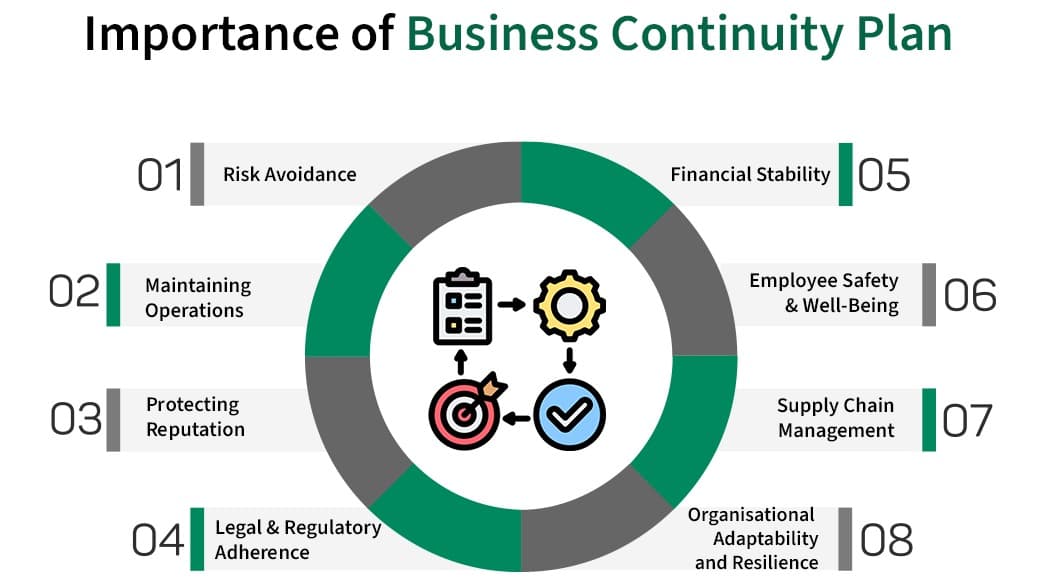
Fire emergency readiness combines prevention, preparedness, rapid response, evacuation, communication, and recovery planning to protect lives, safeguard critical assets, maintain essential operations, and strengthen organizational resilience during disruption.
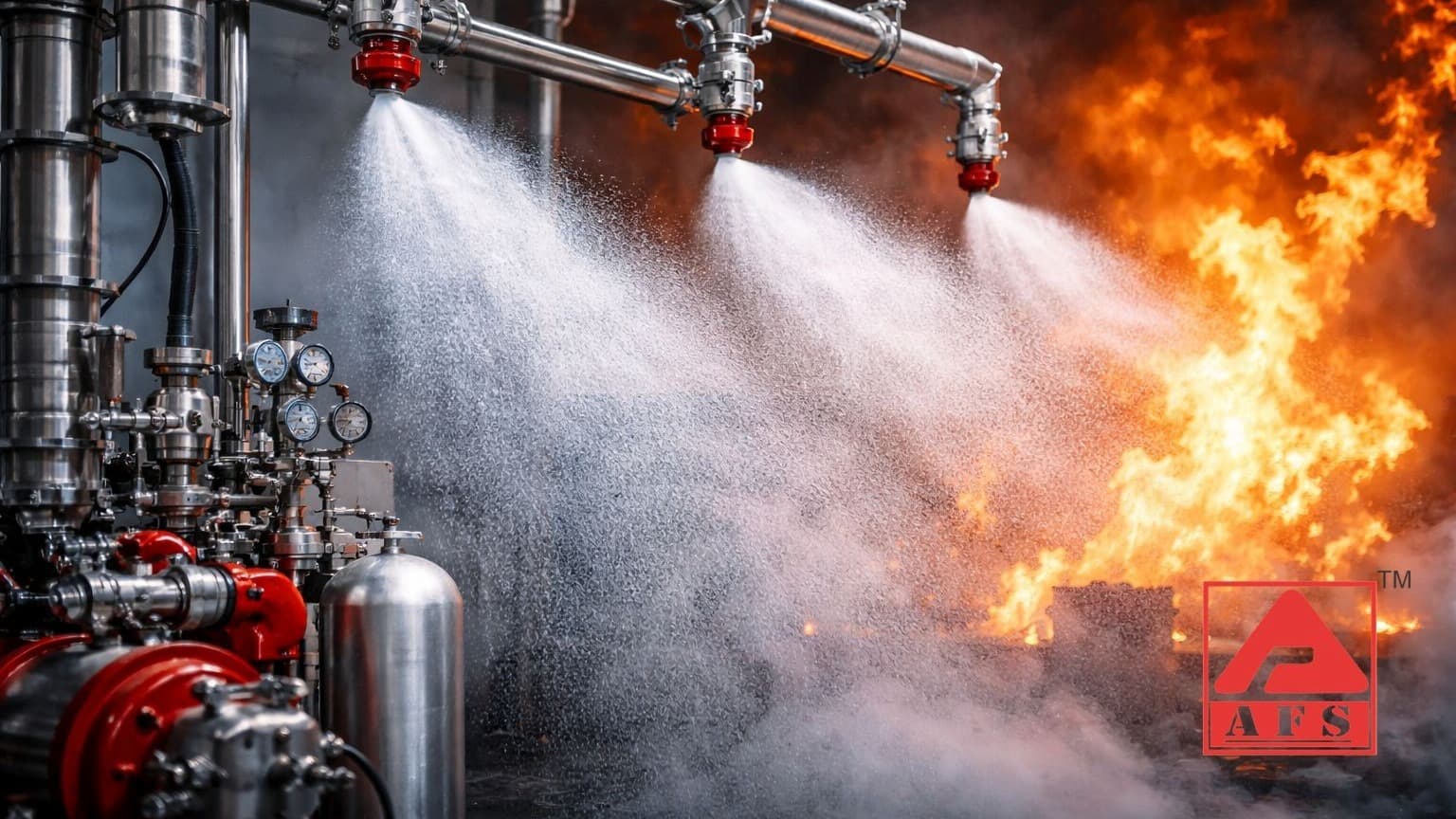
Fire suppression technology has evolved far beyond conventional sprinklers. Modern facilities demand engineered solutions that protect lives, critical assets, and business continuity while minimizing environmental impact. From water mist and clean agents to hybrid suppression technologies, today's systems are redefining how fires are controlled across increasingly complex built environments.
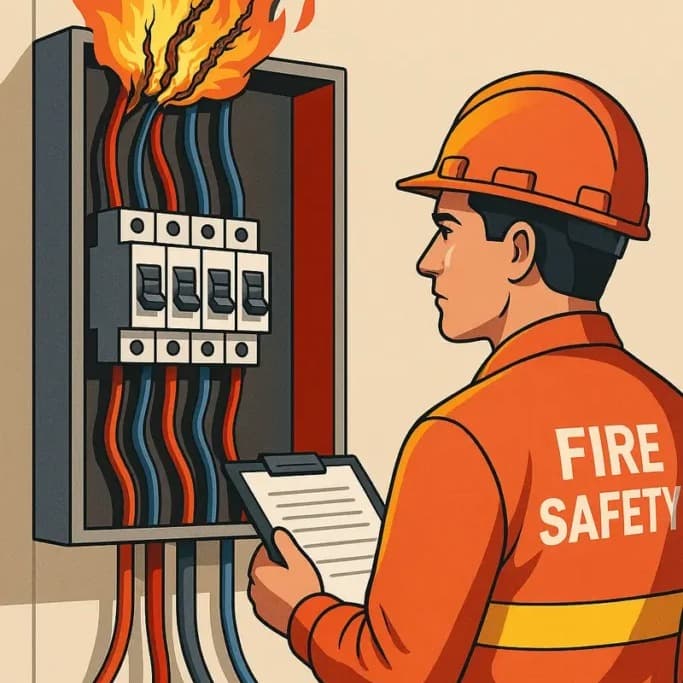
Electrical fires remain one of the leading causes of workplace incidents worldwide. Often developing without warning, they can result in severe injuries, operational disruptions, and significant property damage. Understanding electrical hazards, recognizing early warning signs, and implementing preventive measures are essential for creating a safer and more resilient workplace.