


When it comes to fire safety, high-occupancy spaces represent some of the most challenging environments to protect. These include shopping malls, airports, theatres, stadiums, hospitals, hotels, and convention centers places where thousands of people may gather at once. In such environments, speed, clarity, and coordination define the line between safety and tragedy. While compliance with building codes is essential, true safety demands going beyond minimum standards. Designing active fire systems for these spaces involves strategic planning, advanced technologies, and a deep understanding of human behavior during emergencies.

The Unique Challenges of High-Occupancy Fire Safety
In a crowded environment, a fire incident can quickly escalate into chaos if not managed properly. The density of people, multiple evacuation routes, complex layouts, and diverse usage patterns add to the complexity of fire protection. Unlike smaller buildings, high-occupancy spaces require systems that can detect fires early, communicate effectively, and coordinate responses instantly.
Key challenges include:
Rapid smoke spread due to open atriums and air conditioning systems.
Panic behavior leading to stampedes and blocked exits.
Limited visibility during emergencies.
Need for clear, multilingual voice evacuation instructions.
Integration with other safety and building systems.
These challenges make it imperative for designers to adopt a holistic fire safety approach, where active systems work hand-in-hand with architectural design and human-centric planning.
Core Components of Active Fire Systems in High-Occupancy Buildings
An active fire protection strategy typically includes detection, alarm, suppression, and communication systems each vital to minimizing fire impact. Let’s examine how these systems must be adapted for high-occupancy environments.
1. Fire Detection and Alarm Systems
Early detection is the foundation of effective fire safety. High-occupancy buildings require a network of addressable fire detectors smoke, heat, and flame sensors that pinpoint the exact location of a fire within seconds. These detectors communicate with a centralized Fire Alarm Control Panel (FACP) that automatically triggers alerts, activates suppression systems, and notifies first responders.
To avoid confusion, alarms are often accompanied by voice evacuation messages instead of just sirens. These systems can deliver clear, calm, and multilingual instructions to guide occupants toward safe exits. Modern systems also employ AI-enhanced detection to differentiate between actual fires and false alarms caused by dust, smoke machines, or cooking activity.
2. Fire Suppression Systems
Active fire suppression in high-occupancy structures must balance effectiveness with safety. Automatic sprinkler systems remain the backbone of protection, but design considerations vary based on the building type and use. For example, airports and malls may use water mist or foam systems for large open areas, while hotels and hospitals might opt for clean agent suppression systems to avoid water damage.
For critical spaces like electrical rooms or data centers within these buildings, gaseous systems using inert or chemical agents (e.g., FM-200, Novec 1230) are preferred. The goal is fast fire control with minimal disruption and maximum safety for occupants.
3. Emergency Lighting and Exit Guidance Systems
When panic sets in, visibility and direction are key. Intelligent exit signage, low-level LED lighting, and dynamic wayfinding systems can direct people toward safe routes even through smoke-filled corridors. These systems can be programmed to adjust based on real-time fire location data, ensuring occupants always move toward the safest exit.
4. Voice Communication and Mass Notification Systems (MNS)
In a large crowd, alarms alone are insufficient. A Mass Notification System (MNS) ensures real-time communication through loudspeakers, digital signage, and mobile alerts. Integrated with the fire alarm system, it can provide location-specific instructions—like closing certain exits or directing people to assembly zones greatly improving evacuation efficiency.
Integration and Automation: The Key to Efficiency
Modern fire protection is no longer about standalone systems it’s about integration. By connecting fire detection, suppression, HVAC, access control, and security systems under a unified Building Management System (BMS), operators gain total situational awareness.
For instance, when a fire is detected:
The HVAC automatically shuts down to prevent smoke circulation.
Access control unlocks emergency exits.
Elevators return to the ground floor and become inactive.
The fire suppression system activates only in affected zones.
Voice evacuation begins with area-specific instructions.
This chain of automated actions ensures that responses are instantaneous and coordinated, even before human intervention occurs.
Design Considerations Beyond Compliance
While national codes like the National Building Code (NBC) of India, NFPA standards, and IS guidelines define minimum safety requirements, real-world safety often demands exceeding them. Design engineers must consider several additional factors:
Occupant Load Analysis: Determining evacuation capacity and crowd flow rates.
Zoning: Dividing buildings into manageable fire compartments to contain spread.
Response Time Modeling: Ensuring fire detection and suppression activation occur within seconds.
System Redundancy: Providing backup power, alternate control panels, and dual communication lines.
Maintenance Access: Designing for easy inspection and system testing without disrupting operations.
By embedding these principles during the design stage, buildings can achieve resilient safety, not just compliance.
Smart Technologies Elevating Fire Protection
The emergence of IoT, AI, and cloud technologies is taking high-occupancy fire protection to the next level. Smart sensors, remote monitoring dashboards, and predictive analytics enable continuous risk assessment and faster response.
Some examples include:
IoT-enabled Detectors: Provide real-time status and maintenance alerts.
Thermal Cameras: Detect temperature anomalies before ignition.
AI Analytics: Identify smoke and flame patterns through video feeds.
Cloud Platforms: Allow centralized monitoring of multiple facilities from a single control room.
These technologies not only enhance safety but also streamline facility management and regulatory compliance.
Case Example: Fire Safety in Modern Airports
Airports are among the most complex high-occupancy spaces, combining retail, transit, and logistics under one roof. Active fire systems here must protect millions of passengers while minimizing disruption.
A modern airport’s fire safety design typically includes:
Thousands of addressable detectors linked to a central command center.
Zonal water mist systems in terminals.
Gas-based suppression for IT and control rooms.
Multi-channel voice evacuation with multilingual announcements.
Integrated CCTV and AI analytics for real-time hazard tracking.
Such systems ensure that even in a large-scale emergency, fire response is quick, organized, and effective.
Training and Human Factor in Fire Safety
Even the best technology needs human collaboration. Security staff, facility managers, and maintenance teams must receive regular training on system operation, evacuation procedures, and emergency coordination. Periodic mock drills help test real-world response and identify weaknesses in communication or crowd management.
In high-occupancy spaces, where diverse populations gather, clear signage, visible staff presence, and public awareness programs significantly reduce panic during emergencies.
Future Outlook: Resilient and Adaptive Fire Systems
The next generation of high-occupancy fire safety systems will be adaptive and self-learning. Using data analytics and artificial intelligence, these systems will adjust detection sensitivity based on environmental conditions, predict maintenance needs, and automatically reroute evacuation pathways during structural changes or crowd surges.
With India’s urban landscape rapidly evolving through mega malls, high-rise complexes, and multi-use buildings the need for smart, integrated, and human-centric fire safety has never been more pressing.
Conclusion
Designing active fire systems for high-occupancy spaces is about much more than meeting codes it’s about saving lives through intelligent design, integration, and foresight. As technology evolves, buildings must evolve too becoming proactive protectors rather than passive structures.
By merging engineering expertise, automation, and human awareness, high-occupancy facilities can ensure safety beyond compliance, where every occupant, visitor, and worker remains secure under the silent vigilance of advanced fire systems.
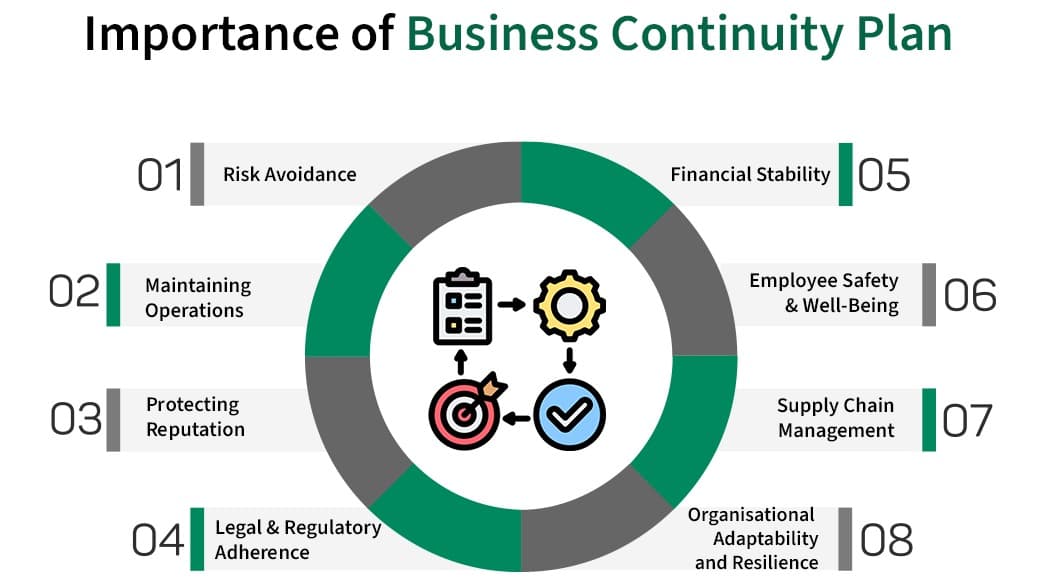
Fire emergency readiness combines prevention, preparedness, rapid response, evacuation, communication, and recovery planning to protect lives, safeguard critical assets, maintain essential operations, and strengthen organizational resilience during disruption.
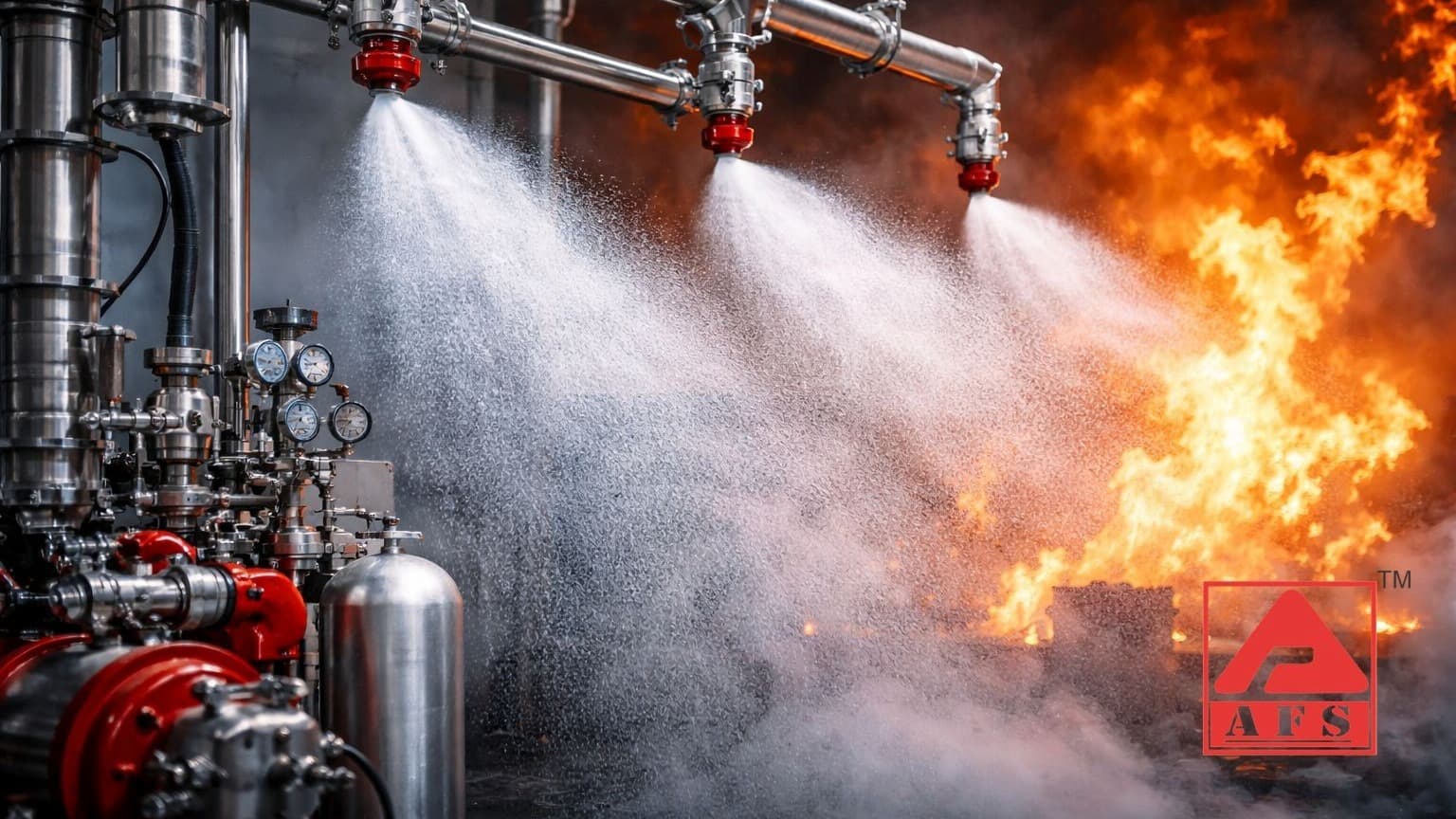
Fire suppression technology has evolved far beyond conventional sprinklers. Modern facilities demand engineered solutions that protect lives, critical assets, and business continuity while minimizing environmental impact. From water mist and clean agents to hybrid suppression technologies, today's systems are redefining how fires are controlled across increasingly complex built environments.
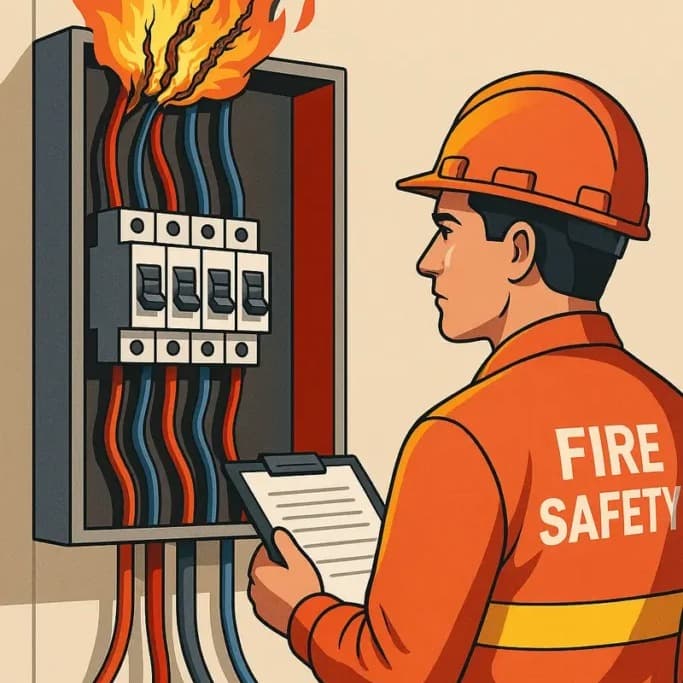
Electrical fires remain one of the leading causes of workplace incidents worldwide. Often developing without warning, they can result in severe injuries, operational disruptions, and significant property damage. Understanding electrical hazards, recognizing early warning signs, and implementing preventive measures are essential for creating a safer and more resilient workplace.