


Artificial Intelligence is transforming active fire detection by enabling early warnings, predictive analysis, and smart prevention. Through sensor fusion, image recognition, and data analytics, AI-driven fire safety systems can identify potential hazards before ignition, improving accuracy, response speed, and overall building resilience against fire outbreaks.

The field of fire detection has undergone a dramatic transformation over the last decade. While traditional systems relied on smoke and heat sensors, modern fire safety now integrates Artificial Intelligence (AI) and advanced data analytics to detect, predict, and even prevent fires before they erupt. In today’s high-density urban environments, early detection is no longer enough proactive prevention is the goal. AI-based fire detection analytics are leading this shift, enhancing accuracy, minimizing false alarms, and revolutionizing the overall emergency response ecosystem.
From Reactive to Predictive Fire Safety
Historically, fire alarm systems were reactive they detected smoke or heat only after a fire had started. While effective, this approach often meant that valuable seconds or minutes were lost before action could be taken. AI, however, changes this paradigm completely.
With continuous data collection and intelligent pattern recognition, AI systems can now identify early warning signs like unusual heat build-up, gas leaks, or electrical anomalies that precede a fire. These predictive capabilities empower safety teams to intervene before ignition occurs, effectively transforming fire detection from a passive defense to an active prevention tool.
How AI-Powered Fire Detection Works
AI-based fire detection systems use algorithms trained on massive datasets containing various fire patterns, smoke movements, and thermal signatures. When integrated with Internet of Things (IoT) sensors, these systems continuously analyze real-time data streams from multiple points within a facility.
Key technologies involved include:
Multisensor Fusion: Combining data from smoke, heat, gas, and flame detectors for higher accuracy.
Machine Vision: Using cameras and image analytics to detect visible flames or smoke plumes.
Thermal Imaging: Employing infrared sensors to monitor temperature variations invisible to the naked eye.
Machine Learning Models: Continuously improving performance by learning from past incidents, environmental changes, and operational feedback.
For instance, in a large manufacturing plant, an AI-enabled system might detect an unusual rise in equipment temperature and automatically alert maintenance teams before combustion begins preventing both downtime and disaster.
The Role of Data Analytics in Fire Prevention
Data is at the heart of AI-driven fire safety. Every sensor reading, alarm event, and environmental change contributes to a vast pool of information that analytics tools can study to reveal patterns.
By applying predictive analytics, these systems can:
Detect trends in equipment overheating or voltage fluctuations.
Predict failure points in electrical circuits or mechanical components.
Identify false alarm patterns, improving long-term system reliability.
Support risk-based maintenance, ensuring critical areas receive priority inspection.
In commercial complexes or data centers, such insights enable facility managers to make data-backed decisions optimizing preventive maintenance and reducing operational risks.
AI and Image-Based Fire Detection
Camera-based fire detection powered by AI is one of the most promising innovations in active fire safety. Unlike traditional smoke detectors, which depend on physical particles reaching sensors, AI-vision systems can detect visual cues of fire like smoke movement or light flicker within seconds.
These systems are particularly effective in large, open, or outdoor spaces such as:
Warehouses and industrial plants.
Parking lots and tunnels.
Power stations and oil refineries.
Forested or rural zones prone to wildfires.
Using Convolutional Neural Networks (CNNs), the AI differentiates between fire-like visuals (e.g., welding sparks, sunlight glare) and actual flame behavior, minimizing false alarms that have long plagued conventional systems.
Integration with Smart Building and Safety Infrastructure
AI-powered fire detection doesn’t work in isolation it thrives within an integrated ecosystem. Modern smart buildings link fire analytics with Building Management Systems (BMS), HVAC, access control, and sprinkler networks.
When AI detects a potential fire hazard, it can automatically trigger a sequence of responses:
Shut down power to affected areas.
Activate targeted suppression systems (foam, clean agents, or mist).
Unlock emergency exits.
Send alerts to security and fire departments with precise location data.
Provide live camera feeds and temperature analytics for incident assessment.
This seamless integration enables a faster, safer, and more coordinated response, significantly improving survival rates and reducing property damage.
Advantages of AI-Based Fire Detection Systems
The advantages of applying AI and analytics to fire detection are numerous and impactful:
Early and Accurate Detection: AI identifies potential fires before traditional sensors would react, giving responders crucial extra time.
Reduced False Alarms: Machine learning algorithms filter out non-threatening signals like steam, dust, or cooking smoke.
Real-Time Monitoring: Continuous data streaming provides 24/7 situational awareness across multiple facilities.
Remote Accessibility: Cloud-connected platforms allow monitoring and control from anywhere, even via mobile apps.
Scalability: Suitable for facilities of any size from single offices to sprawling industrial zones.
Cost Efficiency: Fewer false alarms and faster detection reduce operational disruptions and insurance claims.
Together, these benefits create a smarter and more resilient safety environment, enhancing both human and asset protection.
Applications Across Industries
AI-based fire detection is not limited to one sector. Its adaptability makes it ideal for diverse applications:
Manufacturing Units: Detecting fires in high-temperature or dust-prone zones.
Energy Sector: Monitoring transformers, substations, and turbines.
Warehouses and Logistics Hubs: Offering early detection in large storage areas.
Healthcare Facilities: Providing non-intrusive monitoring for patient safety.
Data Centers: Preventing electrical fires and overheating in critical IT environments.
Transportation Infrastructure: Tracking fires in tunnels, metros, and airports.
By integrating AI, these industries can enhance safety, ensure regulatory compliance, and maintain uninterrupted operations.
Challenges in Adoption
Despite its potential, AI-driven fire detection faces several implementation challenges. The initial investment in smart sensors, cameras, and data platforms can be significant, particularly for older buildings. Data accuracy also depends on proper calibration and maintenance.
Moreover, AI systems require continuous training and updating to adapt to new environments, lighting conditions, and material behaviors. Cybersecurity is another concern, as connected safety systems must be protected against potential digital breaches.
However, with ongoing innovation and falling hardware costs, AI-based fire detection is becoming increasingly accessible and reliable for both public and private sectors.
The Future of Fire Detection Analytics
The future of fire safety lies in autonomous detection and predictive control. Next-generation systems will use AI not only to detect but also to simulate fire behavior based on real-time environmental data. Digital twins of buildings will allow safety managers to visualize potential fire spread and optimize evacuation strategies.
Emerging innovations such as edge computing, 5G connectivity, and sensor miniaturization will make AI fire systems faster and more efficient. Moreover, governments and regulatory bodies are expected to include AI readiness clauses in future fire safety codes, further driving widespread adoption.
Conclusion
AI-powered fire detection analytics represent a turning point in active fire safety. By combining intelligent sensing, predictive analytics, and automation, these systems allow organizations to move from reactive response to proactive prevention.
In a country like India, where industrial expansion and urbanization continue at a rapid pace, investing in smart fire detection technologies can save not just property, but countless lives. As AI continues to evolve, the promise of a fire-safe, data-driven future becomes more achievable than ever proving that prevention, when powered by intelligence, is the ultimate protection.
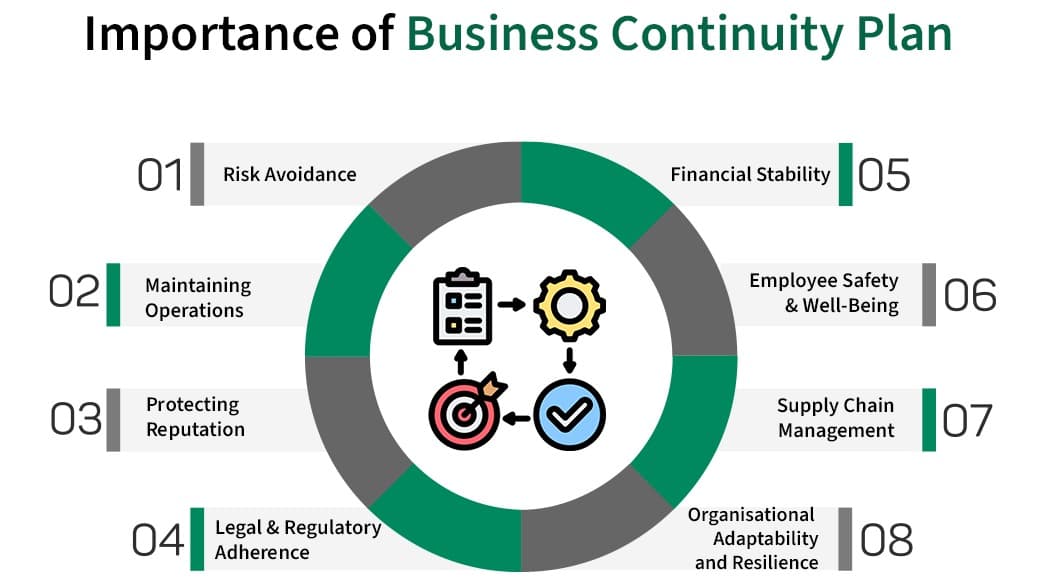
Fire emergency readiness combines prevention, preparedness, rapid response, evacuation, communication, and recovery planning to protect lives, safeguard critical assets, maintain essential operations, and strengthen organizational resilience during disruption.
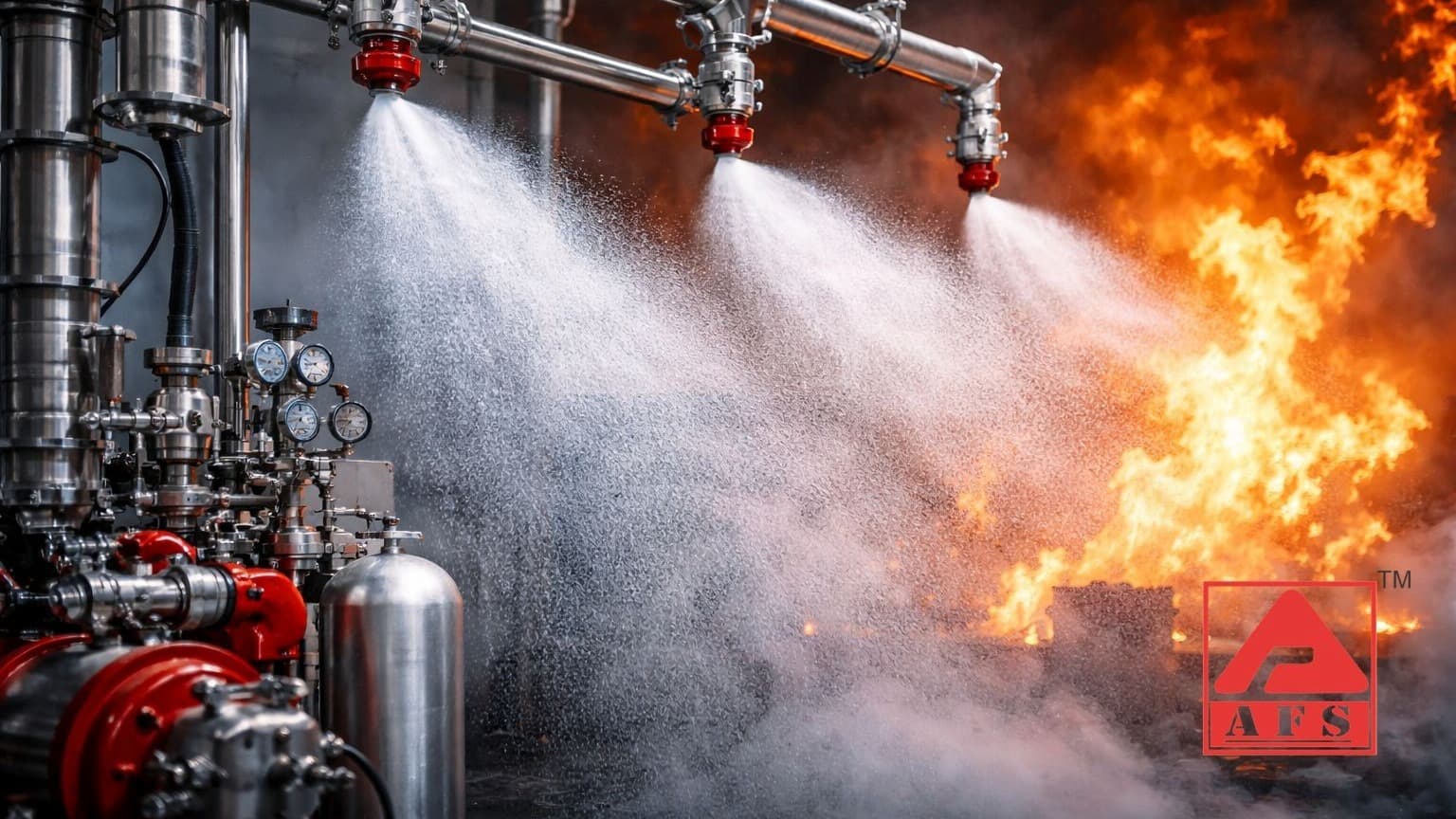
Fire suppression technology has evolved far beyond conventional sprinklers. Modern facilities demand engineered solutions that protect lives, critical assets, and business continuity while minimizing environmental impact. From water mist and clean agents to hybrid suppression technologies, today's systems are redefining how fires are controlled across increasingly complex built environments.
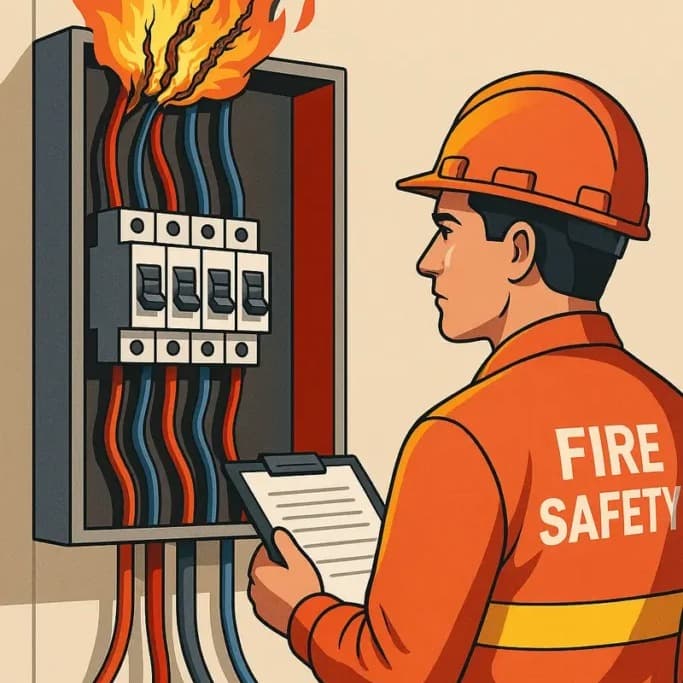
Electrical fires remain one of the leading causes of workplace incidents worldwide. Often developing without warning, they can result in severe injuries, operational disruptions, and significant property damage. Understanding electrical hazards, recognizing early warning signs, and implementing preventive measures are essential for creating a safer and more resilient workplace.