


High occupancy spaces like airports, malls, and stadiums demand more than just compliance they need intelligent, reliable, and coordinated active fire systems. This article explores the design principles, technologies, and innovations that ensure rapid detection, effective suppression, and safe evacuation in crowded environments, safeguarding lives where every second counts.

Fire safety has always been a cornerstone of public and industrial infrastructure. Yet, the nature of how we fight and control fires has changed dramatically over the decades. From the days when firefighters manually operated pumps and hoses, the industry has transitioned to a world of automation, data analytics, and intelligent system integration. Modern active fire protection systems now rely on interconnected detectors, suppression units, and control algorithms to ensure that fires are not just fought but often extinguished before they escalate. This evolution represents a blend of engineering innovation, digital transformation, and the timeless human drive to safeguard life and property.
Early Firefighting: Manual Systems and Human Dependence
Historically, firefighting relied almost entirely on human effort. Fire buckets, hand pumps, and horse-drawn carts were the first lines of defense. In the early 20th century, standpipe and hydrant systems became standard in urban architecture, enabling firefighters to access water quickly.
While these systems represented progress, they were still reactive dependent on human detection and manual operation. Fires often spread rapidly before responders could act. As cities grew denser and industries expanded, it became clear that fire protection required systems that could react automatically without waiting for human intervention.
The Rise of Automatic Sprinkler Systems
The invention of the automatic sprinkler in the late 19th century marked a turning point. Early sprinklers were designed to activate individually when exposed to heat, discharging water directly onto flames. This simple yet revolutionary mechanism laid the foundation for automatic fire suppression.
Over time, these systems evolved with more sensitive thermal bulbs, better water distribution patterns, and integration with alarm panels. By the mid-20th century, sprinklers became a building code requirement in factories, commercial complexes, and high-rise structures. Despite their simplicity, they remain one of the most reliable and cost-effective active fire safety systems ever designed.
Integration with Fire Detection and Alarm Systems
As building technology advanced, sprinklers were joined by automatic detection systems that could sense smoke, heat, or flame. The integration of detection and suppression marked the beginning of a networked approach to fire safety.
Modern detection systems employ addressable sensors that relay real-time information to centralized Fire Alarm Control Panels (FACP). These panels interpret the data, identify the exact location of a fire, and trigger corresponding suppression mechanisms. This integration ensures faster activation, minimizes damage, and allows responders to act with pinpoint precision rather than broad, reactive measures.
The Age of Automation and Smart Fire Systems
Automation has transformed active fire protection into a predictive and intelligent discipline. Today’s fire systems are equipped with microprocessors, AI algorithms, and IoT connectivity, enabling them to detect anomalies long before ignition.
For example:
Smart Sensors can differentiate between dust, smoke, and steam, reducing false alarms.
Networked Suppression Systems can isolate fire zones, controlling water or gas release only where needed.
AI-Driven Analytics can predict potential ignition sources through temperature and equipment data.
Cloud Platforms can monitor multiple sites remotely, providing centralized oversight and instant alerts.
Automation ensures that detection, alarm, suppression, and evacuation happen within seconds—a feat impossible in the era of manual systems.
Advanced Suppression Technologies: Beyond Water
While water remains a universal fire suppressant, modern systems offer alternatives for environments where water could be damaging or ineffective. Clean agent systems using gases like FM-200 or Novec 1230 are ideal for data centers, museums, and electrical facilities. CO₂ suppression systems serve industrial spaces, while foam and dry chemical systems are used in oil refineries and chemical plants.
These technologies ensure that every type of hazard solid, liquid, or electrical is met with a tailored response. Advanced suppression systems are also designed to minimize collateral damage, ensuring both safety and operational continuity.
The Role of AI and Machine Learning in Modern Firefighting
Artificial Intelligence is no longer a futuristic concept in fire safety it’s a functional tool. AI-powered systems analyze sensor data, video feeds, and environmental parameters to identify potential fire risks even before smoke appears. Machine learning models learn from past incidents, improving detection accuracy over time.
For example, an AI-based video detection system in a warehouse can recognize subtle smoke movement and alert security staff immediately, even before heat triggers traditional detectors. This level of intelligence not only prevents escalation but also significantly reduces response time—the most critical factor in minimizing damage.
IoT and Remote Fire Management
The Internet of Things (IoT) has further expanded the horizon of active fire protection. With interconnected sensors, control panels, and cloud servers, IoT allows remote supervision of multiple facilities from a single dashboard.
Facility managers can receive real-time alerts, view live camera feeds, and monitor suppression system performance even from a mobile device. Predictive maintenance features alert teams to malfunctioning detectors, empty cylinders, or water pressure drops before a crisis occurs. This connectivity transforms fire systems into living networks that adapt and respond dynamically to changing conditions.
Integration with Building and Emergency Systems
Modern firefighting systems are no longer standalone installations they’re integrated into broader building management ecosystems. Fire alarms now interact with HVAC systems to prevent smoke circulation, access control systems to unlock emergency exits, and public address systems for voice-guided evacuation.
In high-risk environments, integration with security and CCTV systems allows emergency personnel to assess real-time visuals of affected areas. This unified operation ensures that suppression and evacuation happen in coordination, not in isolation dramatically improving survival outcomes.
Challenges in Implementing Automated Fire Systems
Despite their advantages, automated fire systems face challenges such as high initial costs, integration complexities, and the need for regular maintenance. In regions where building codes are outdated or loosely enforced, installation standards can vary significantly.
Moreover, reliance on digital systems introduces cybersecurity risks as connected systems must be protected from potential hacking or malfunction. To overcome these issues, organizations need robust safety governance, routine system audits, and ongoing training for operators.
The Human Element in an Automated Era
Automation doesn’t eliminate the human role it enhances it. Firefighters, safety officers, and maintenance teams still play a crucial role in monitoring systems, validating alerts, and ensuring physical preparedness. Automation provides the tools, but human decision-making remains the final line of defense.
Regular drills, simulation exercises, and cross-department coordination ensure that staff can interpret system alerts correctly and respond efficiently. The goal is not to replace human response but to empower it through technology.
Future Outlook: Toward Autonomous Fire Management
The future of firefighting lies in autonomous systems where detection, decision-making, and suppression occur almost instantaneously without manual intervention. Research is already advancing into robotic firefighting units, drone-based thermal surveillance, and AI-driven fire mapping.
Emerging systems may soon use digital twins virtual models of buildings—to simulate fire behavior and plan dynamic suppression strategies in real time. Combined with 5G connectivity, these innovations promise to make firefighting faster, safer, and more efficient than ever.
Conclusion
From manual pumps to autonomous systems, the evolution of firefighting technology tells a story of progress driven by necessity and innovation. Modern automated fire systems don’t just react to danger they anticipate it.
As cities rise and industries expand, investing in smart, integrated, and predictive firefighting systems isn’t just an upgrade it’s a commitment to resilience. The journey from manual response to automation has brought us closer to a future where fires are detected, contained, and controlled before they can claim lives or property a future where technology becomes the ultimate firefighter.
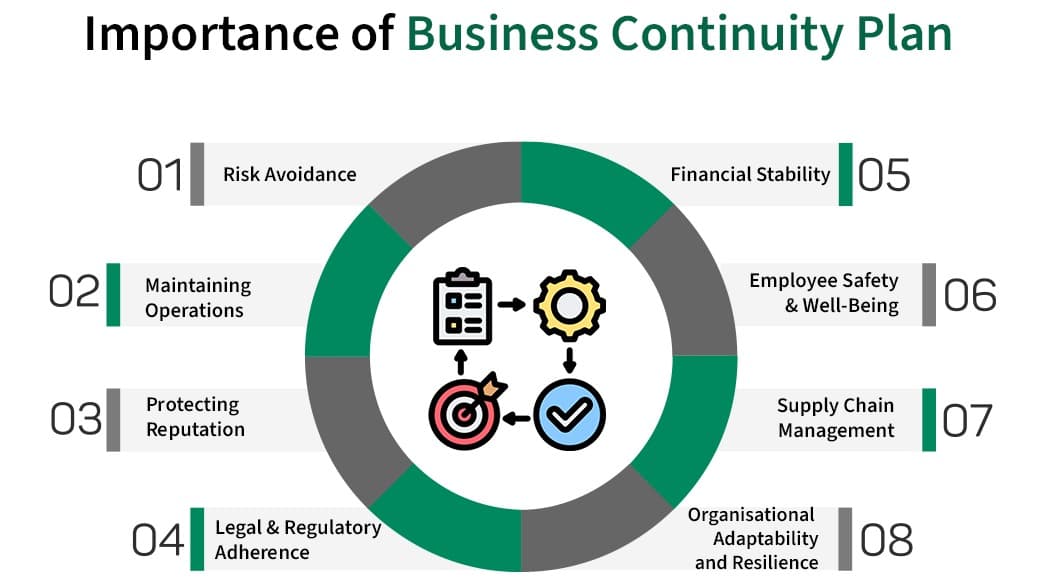
Fire emergency readiness combines prevention, preparedness, rapid response, evacuation, communication, and recovery planning to protect lives, safeguard critical assets, maintain essential operations, and strengthen organizational resilience during disruption.
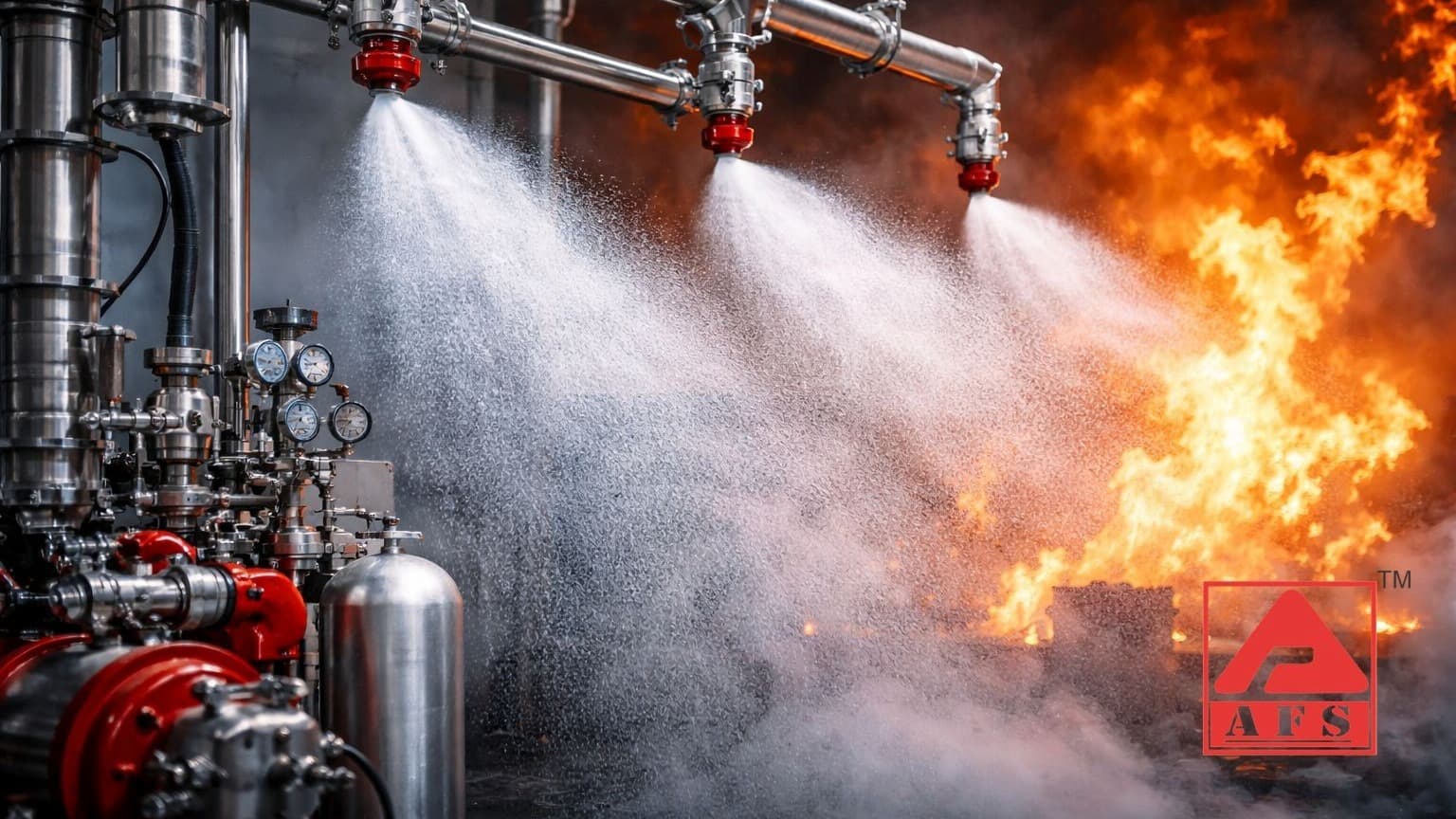
Fire suppression technology has evolved far beyond conventional sprinklers. Modern facilities demand engineered solutions that protect lives, critical assets, and business continuity while minimizing environmental impact. From water mist and clean agents to hybrid suppression technologies, today's systems are redefining how fires are controlled across increasingly complex built environments.
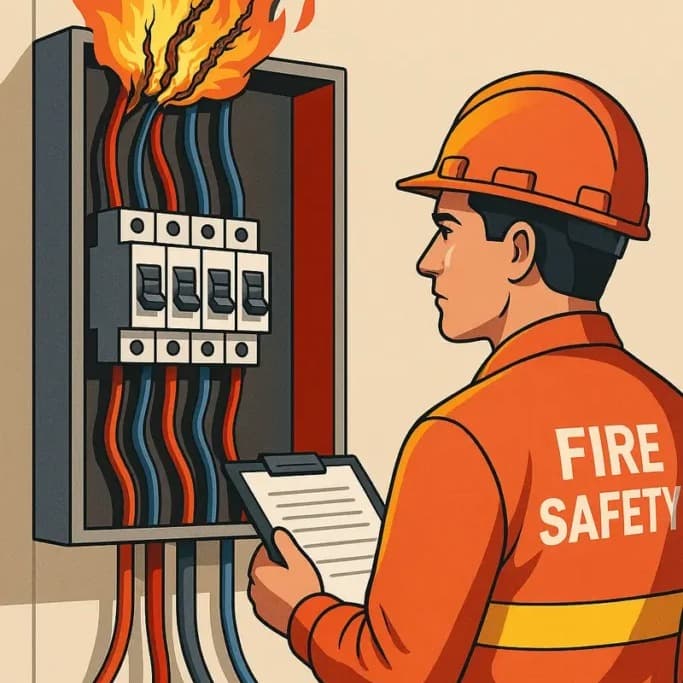
Electrical fires remain one of the leading causes of workplace incidents worldwide. Often developing without warning, they can result in severe injuries, operational disruptions, and significant property damage. Understanding electrical hazards, recognizing early warning signs, and implementing preventive measures are essential for creating a safer and more resilient workplace.