


Compliance alone does not guarantee fire safety. This article examines real-world incidents where functioning systems failed due to human error, poor maintenance, or management gaps, highlighting lessons for organizations to move beyond checklists, strengthen operational accountability, and ensure robust fire risk management that truly protects people and assets.

Fire safety systems are often evaluated through regulatory audits and compliance checklists. Organizations take pride in passing inspections, securing certifications, and demonstrating adherence to statutory codes. However, numerous incidents around the world have revealed a harsh reality: compliance does not always equate to safety. Fire incidents continue to occur even in facilities with fully installed and “compliant” detection, suppression, and alarm systems. The lessons from these failures are critical for leaders seeking to protect people, assets, and organizational reputation.
A recurring factor in such failures is the human element. Fire safety systems, no matter how technologically advanced, require proper operation, monitoring, and maintenance. In one anonymized case from a Southeast Asian manufacturing facility, a fully automated sprinkler system failed to activate during a small chemical fire. Investigation revealed that the control panel had been temporarily deactivated during routine maintenance, and staff were unaware that the override remained engaged. The incident caused extensive property damage but, fortunately, no casualties. The lesson is clear: operational oversight and communication are as critical as the technology itself.
Maintenance lapses are another significant contributor. Regular inspections, testing, and preventive servicing of fire alarms, sprinklers, suppression systems, and emergency lighting are often treated as procedural formalities rather than essential safeguards. In a European data center incident, an alarm system did not trigger during an electrical fire because dust accumulation and a lack of filter replacement had disabled the sensors. Although the facility complied with inspection documentation requirements, the failure revealed that audit checkboxes cannot replace hands-on maintenance and proactive monitoring.
The organizational approach to fire risk governance often emphasizes compliance rather than operational effectiveness. In a multinational warehouse in the Middle East, a fire broke out in a high-density storage zone. The facility had passed all regulatory inspections and fire system certifications, yet evacuation was chaotic, and several employees suffered minor injuries. Post-incident analysis showed that safety drills were infrequent, fire wardens were not fully trained, and emergency response roles were poorly communicated. The technical systems were compliant, but the human response layer was unprepared. This illustrates that fire safety is a system that combines technology, process, and people—compliance alone addresses only one component.
Another common failure arises from inappropriate or outdated system design. In many regions, prescriptive codes dictate system installation based on historical standards rather than current operational realities. An anonymized incident at a Southeast Asian logistics hub highlighted this issue: fire suppression systems were installed according to code requirements for low-density storage, but automation and racking modifications increased combustible load density. When a fire started, the water-based suppression system was insufficient, allowing rapid fire spread. Organizations must recognize that compliance does not automatically reflect evolving operational risks and should periodically reassess systems in line with changes to process, layout, and materials.
Contractor and third-party workforces also introduce vulnerabilities. In some incidents, temporary or outsourced staff are not fully aware of fire safety protocols, even in compliant facilities. In a North American high-rise office, a minor electrical fault escalated because contractors had deactivated a localized suppression system without notifying facility management. This failure underlined the importance of integrating all personnel, including temporary and contract staff, into the safety ecosystem, beyond the requirements listed in compliance audits.
The lessons from global incidents converge on several themes:
Compliance is the baseline, not the endpoint. Regulatory adherence provides a foundation but does not guarantee safety. Organizations must evaluate how systems function in realistic scenarios and under stress.
Operational accountability is crucial. Clear roles, responsibilities, and communication channels ensure that maintenance, testing, and emergency response are performed reliably, not just documented.
Regular, realistic drills matter. Fire systems only protect if people know how to respond. Drills uncover gaps that audits cannot detect, such as bottlenecks in evacuation routes or delays in activating suppression systems.
System reviews must match operational changes. Any modifications in facility layout, process workflow, storage density, or equipment must trigger a reassessment of fire safety systems. Static compliance risks creating vulnerabilities in a dynamic environment.
Technology and monitoring should be continuously validated. Sensors, alarms, sprinklers, and suppression systems must be tested under real-world conditions. Overreliance on documented compliance without functional verification can give a false sense of security.
Organizations that have learned these lessons often implement a culture-driven approach to fire safety, moving beyond checklists to a holistic risk management framework. This involves cross-functional engagement, clear leadership accountability, integrated technology monitoring, and ongoing education for all employees. A facility with an impeccable compliance record but a weak safety culture is at a far greater risk than one with proactive governance and operational discipline, even if minor compliance lapses exist.
In conclusion, real-world fire incidents demonstrate that compliance is not a substitute for active safety management. Systems can fail due to human error, poor maintenance, design mismatches, or inadequate emergency preparedness, despite meeting all statutory requirements. The most effective organizations recognize that fire safety is a living process: it evolves with operational changes, incorporates lessons from past incidents, and places people, process, and technology on an equal footing. By internalizing these lessons, organizations can truly safeguard life, property, and business continuity, moving from mere compliance to resilient, proactive fire safety management.
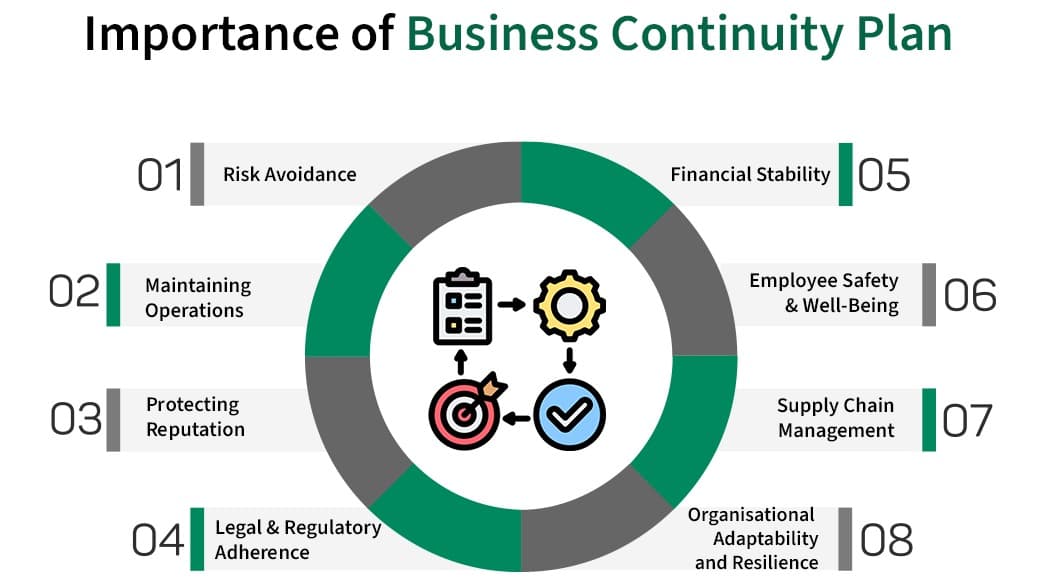
Fire emergency readiness combines prevention, preparedness, rapid response, evacuation, communication, and recovery planning to protect lives, safeguard critical assets, maintain essential operations, and strengthen organizational resilience during disruption.
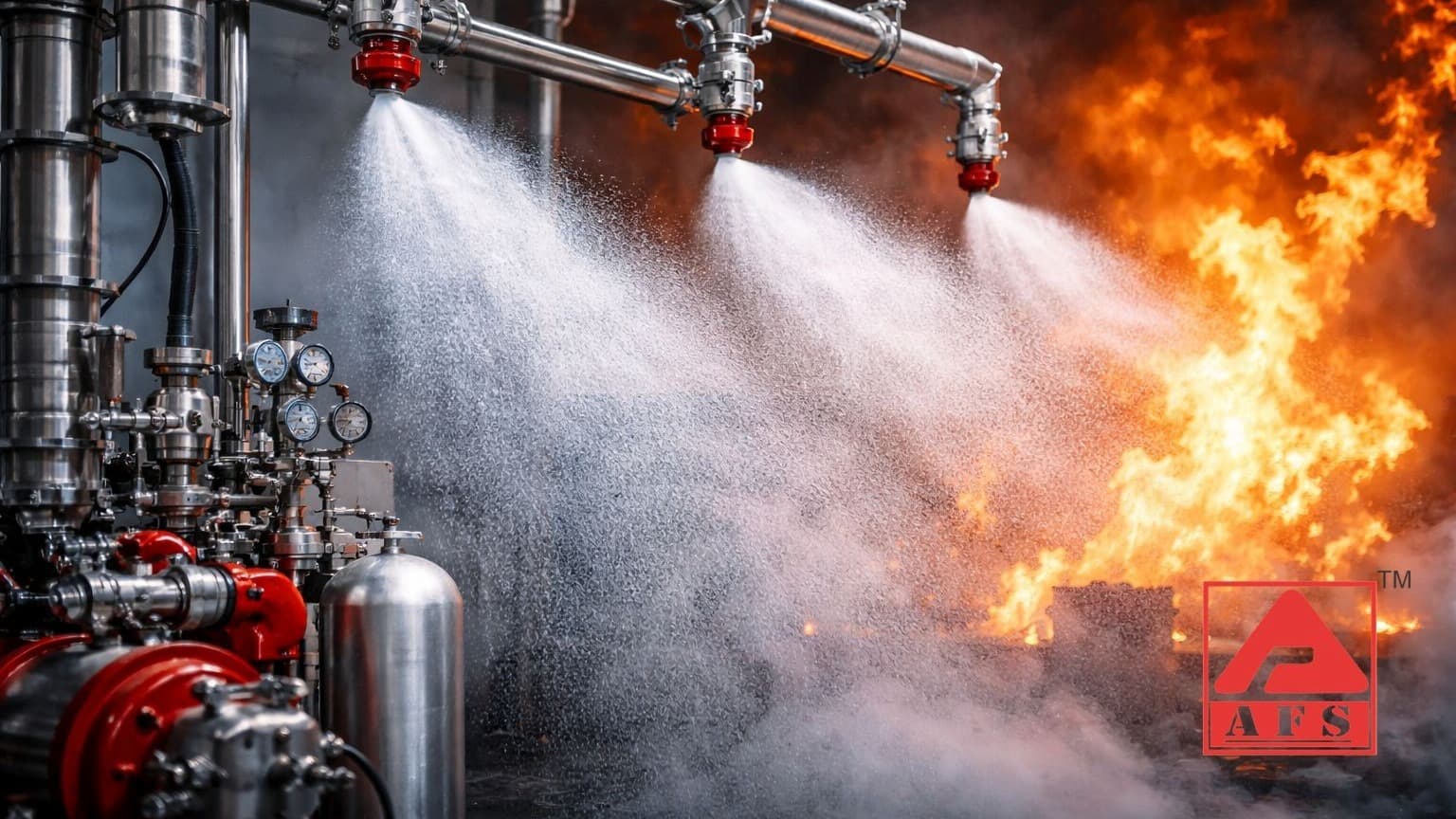
Fire suppression technology has evolved far beyond conventional sprinklers. Modern facilities demand engineered solutions that protect lives, critical assets, and business continuity while minimizing environmental impact. From water mist and clean agents to hybrid suppression technologies, today's systems are redefining how fires are controlled across increasingly complex built environments.
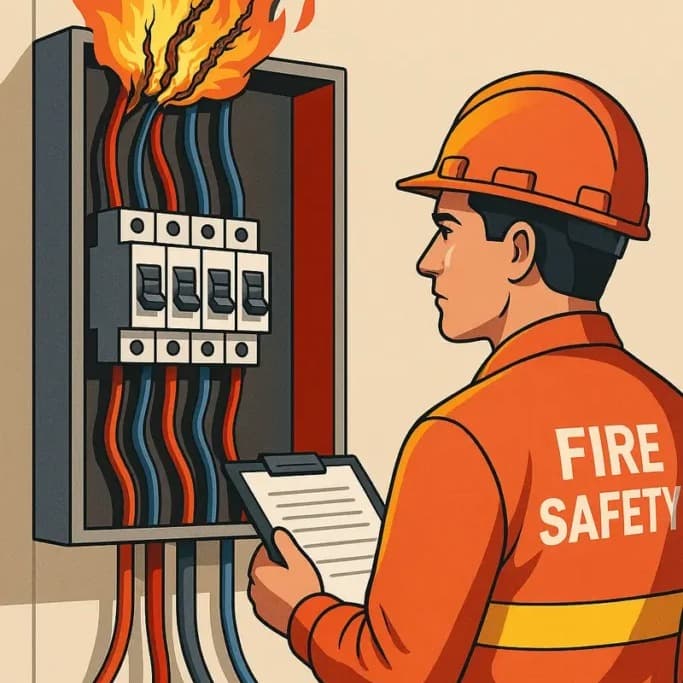
Electrical fires remain one of the leading causes of workplace incidents worldwide. Often developing without warning, they can result in severe injuries, operational disruptions, and significant property damage. Understanding electrical hazards, recognizing early warning signs, and implementing preventive measures are essential for creating a safer and more resilient workplace.