


Hydrogen storage and fuel cell facilities introduce unique fire risks due to hydrogen’s flammability and high energy density. This article explores safety challenges, preventive measures, detection technologies, and emergency protocols, highlighting lessons from real incidents to prepare facilities for the energy transition while protecting people, assets, and business continuity.

The global shift toward renewable energy and decarbonization has positioned hydrogen as a critical component of the future energy mix. Hydrogen-powered fuel cells and storage facilities promise efficient, zero-carbon energy, but they also introduce new and unique fire hazards. Hydrogen is highly flammable, has a wide ignition range, and burns with an almost invisible flame, making conventional fire safety approaches insufficient. As the energy sector transitions, organizations must proactively address these challenges to protect personnel, infrastructure, and operational continuity.
Hydrogen storage can occur in compressed gas cylinders, cryogenic liquid tanks, or within solid-state materials. Each method carries specific fire risks. Compressed hydrogen gas is prone to leaks, which can accumulate in confined spaces, forming highly explosive mixtures. In one anonymized European research facility incident, a minor leak in a storage cylinder went undetected for several hours. When an electrical spark occurred during routine maintenance, the hydrogen ignited, causing an explosion that damaged surrounding equipment. The incident underscores the need for continuous monitoring, leak detection, and strict maintenance protocols.
Cryogenic hydrogen introduces additional hazards. Extremely low temperatures can embrittle metals, leading to structural failures. Leaks of cryogenic hydrogen may cause rapid vaporization and accumulation of flammable gas, while oxygen condensation near the leak can increase combustion risk. In a North American experimental fuel cell lab, a poorly insulated storage line developed micro-cracks, allowing hydrogen to leak and ignite, resulting in significant facility downtime. Such incidents highlight the importance of engineering controls, material selection, and rigorous inspection routines.
Detection and monitoring systems are essential in mitigating hydrogen fire risk. Unlike conventional fuels, hydrogen flames can be nearly invisible in daylight, making human observation unreliable. Optical flame detectors, hydrogen-specific sensors, and continuous gas monitoring are critical. Early warning systems must integrate with emergency alarms, ventilation, and suppression mechanisms to enable rapid response. Facilities that fail to implement specialized detection are significantly more vulnerable to catastrophic events.
Fuel cell systems themselves, while generally safer than hydrogen storage, present operational fire hazards. Electrochemical reactions generate heat, and electrical components can spark. In a Southeast Asian industrial fuel cell installation, an electrical fault in a power distribution module caused localized heating, which, in the presence of hydrogen leaks from nearby storage, triggered a small fire. Prompt response contained the fire, but the incident demonstrates the interconnected risk between hydrogen storage and operational equipment, necessitating comprehensive safety planning.
Preventive measures must extend beyond technology to human procedures. Staff working in hydrogen facilities require specialized training to recognize leaks, respond to alarms, and implement emergency shutdown procedures. Regular drills, including simulations of hydrogen release and ignition, improve response times and reduce panic. One anonymized European hydrogen refueling station successfully prevented major damage when a minor leak occurred, due to well-trained personnel initiating immediate evacuation, system shutdown, and ventilation protocols.
Maintenance is another critical pillar. Valves, pipelines, storage tanks, and detection systems require regular inspection and servicing to prevent leaks, corrosion, or equipment failure. In an Asian experimental hydrogen storage site, deferred maintenance of a pressure relief valve led to an overpressure incident that could have caused ignition. Proactive maintenance and adherence to manufacturer guidelines significantly reduce fire probability and escalation.
Facility design plays a crucial role in managing hydrogen fire risks. Adequate ventilation, separation of high-risk zones, explosion-proof electrical installations, and flame arrestors help prevent the accumulation of hydrogen gas and mitigate potential ignition. Passive fire protection, such as fire-resistant barriers and automatic shutdown systems, further enhances safety. Lessons from international incidents consistently show that structural and process engineering measures are as important as operational controls.
Emergency response planning for hydrogen facilities must account for rapid escalation and the unique properties of hydrogen fires. Traditional water-based suppression is largely ineffective against hydrogen flames, which may require specialized inert gas or foam suppression systems. Coordination with local fire authorities, who understand the properties of hydrogen, is vital. In a North American hydrogen fueling station incident, early notification to the fire department prevented a small leak from escalating into a full-scale disaster.
As the energy sector accelerates toward hydrogen adoption, regulatory frameworks are evolving, but they often lag behind technological advancements. Facilities must therefore adopt proactive safety strategies beyond compliance, integrating risk assessments, staff training, specialized detection systems, and rigorous maintenance. Lessons from past incidents illustrate that reliance solely on standards or inspections is insufficient; a holistic, culture-driven approach is necessary to ensure true safety.
In conclusion, hydrogen storage and fuel cell facilities present fire hazards distinct from conventional energy sources. The highly flammable nature of hydrogen, its invisible flame, and high energy density require specialized engineering, operational, and human-focused safety measures. Proactive detection, regular maintenance, robust emergency planning, and trained personnel are essential to prevent incidents and minimize damage. Preparing for the energy transition means embracing these risks responsibly, ensuring that hydrogen’s promise as a sustainable energy source does not compromise safety, continuity, or public trust.
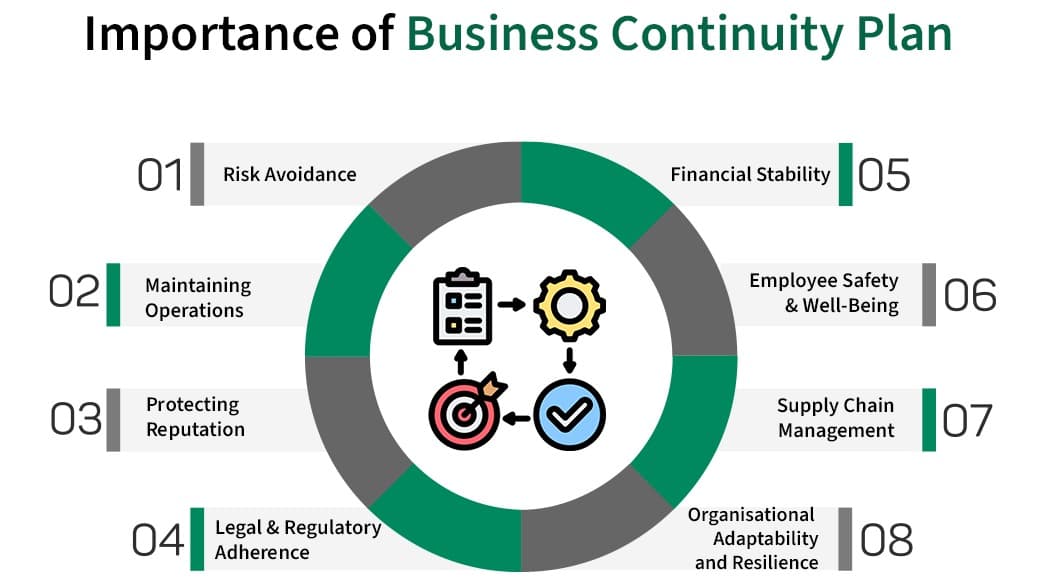
Fire emergency readiness combines prevention, preparedness, rapid response, evacuation, communication, and recovery planning to protect lives, safeguard critical assets, maintain essential operations, and strengthen organizational resilience during disruption.
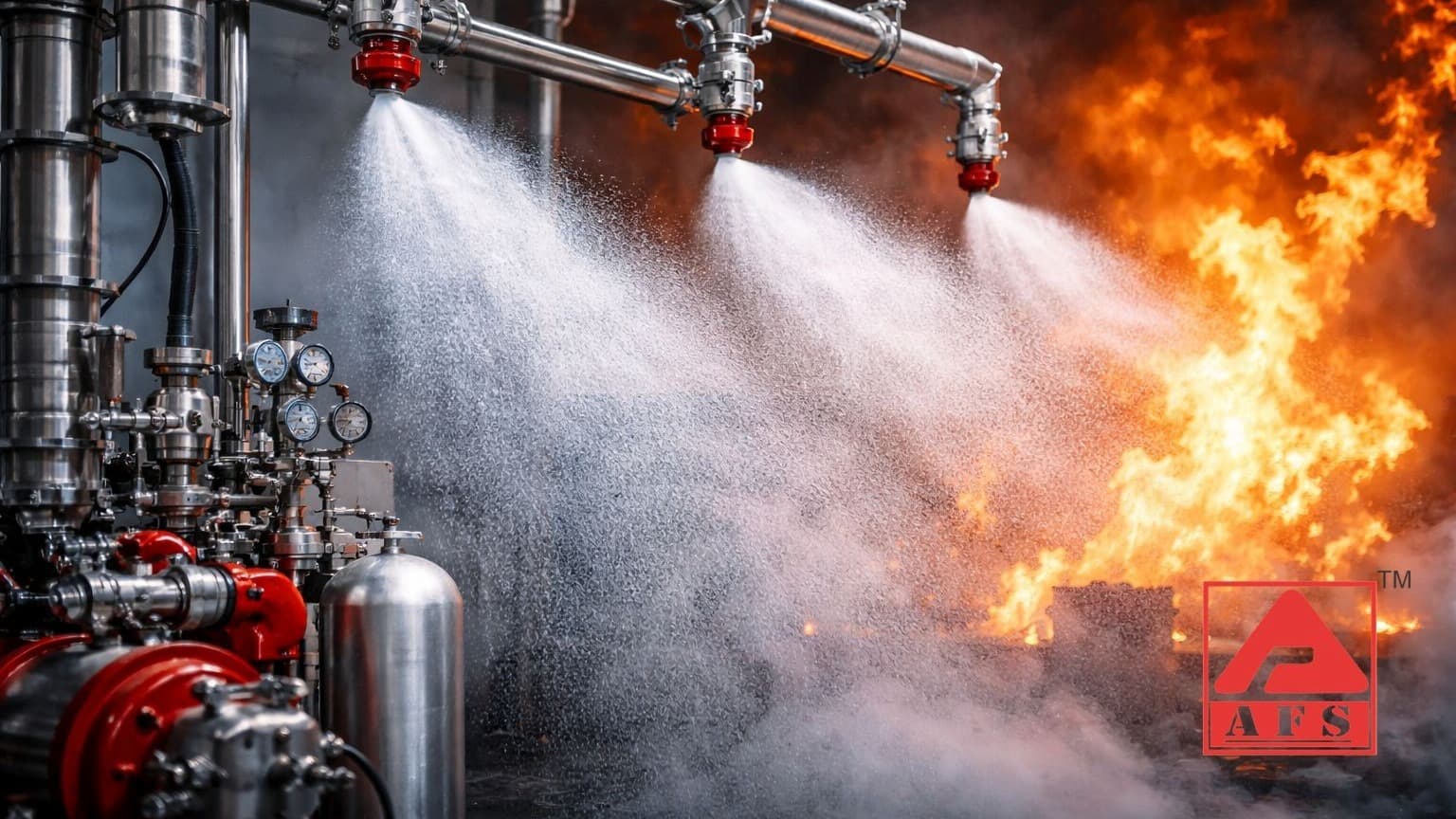
Fire suppression technology has evolved far beyond conventional sprinklers. Modern facilities demand engineered solutions that protect lives, critical assets, and business continuity while minimizing environmental impact. From water mist and clean agents to hybrid suppression technologies, today's systems are redefining how fires are controlled across increasingly complex built environments.
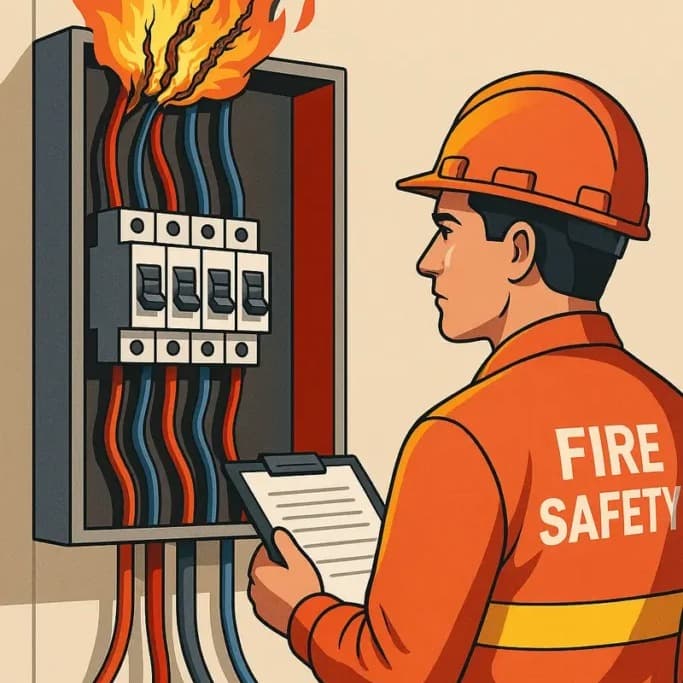
Electrical fires remain one of the leading causes of workplace incidents worldwide. Often developing without warning, they can result in severe injuries, operational disruptions, and significant property damage. Understanding electrical hazards, recognizing early warning signs, and implementing preventive measures are essential for creating a safer and more resilient workplace.