


Fire detection systems are often undermined by false alarms and delayed detection, reducing trust and response effectiveness. Understanding the technical, environmental, and operational causes behind poor detector performance is essential to ensure timely alerts, system reliability, and occupant safety in modern buildings.
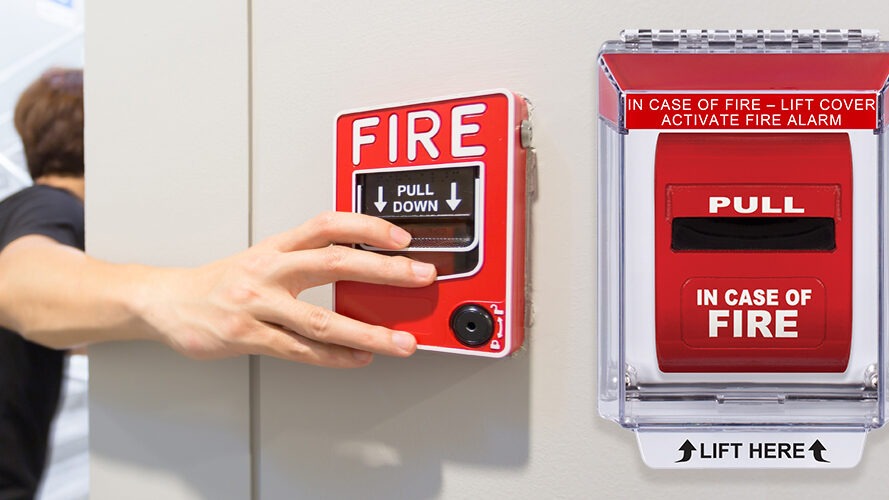
Fire detection systems are the first line of defense in any active fire protection strategy. Their primary role is to identify a fire event at the earliest possible stage and initiate alarms, suppression actions, and emergency responses. However, despite advances in detection technology, many facilities continue to struggle with two persistent problems—frequent false alarms and missed fire events. Both issues significantly compromise life safety, operational continuity, and confidence in fire protection systems.
False alarms are not merely an inconvenience. Repeated nuisance alarms lead to alarm fatigue, where occupants and response teams become desensitized and delay action during real emergencies. Missed or delayed detection, on the other hand, allows fires to grow unchecked, increasing the risk to life and property. Understanding why these failures occur is essential for improving system performance.
One of the most common causes of false alarms is incorrect detector selection. Smoke detectors are widely used due to their sensitivity, but they are often installed in environments unsuitable for their operating principles. Dust, steam, exhaust fumes, aerosols, and high airflow can all trigger unwanted activations. In areas such as parking garages, kitchens, workshops, or near air-handling units, inappropriate detector choice results in chronic false alarms. Heat detectors or multi-criteria detectors are often better suited for such conditions, yet are frequently overlooked during design.
Detector placement errors further aggravate performance issues. Even when the correct type of detector is selected, poor positioning can compromise effectiveness. Detectors placed too close to air diffusers, return vents, or ceiling obstructions may fail to sense smoke effectively or may activate due to air turbulence rather than fire. Similarly, excessive spacing to reduce installation costs can delay detection during a real fire. Compliance with spacing norms alone is insufficient without considering actual airflow and ceiling configurations.
Environmental changes over time also play a significant role. Buildings evolve, but fire detection systems often remain unchanged. Renovations, partition additions, false ceilings, and changes in occupancy can alter smoke movement patterns and heat buildup. Detectors that were once optimally located may become ineffective or prone to nuisance alarms. Without periodic system reassessment, these changes silently degrade detection performance.
Maintenance practices are another critical factor. Dust accumulation, sensor contamination, and component aging directly affect detector sensitivity. Inadequate inspection, testing, and maintenance routines allow these issues to persist unnoticed. In many facilities, testing focuses on panel indications rather than actual detector response characteristics. Functional testing that fails to simulate realistic fire conditions provides a false sense of reliability.
System configuration and programming errors also contribute to detection failures. Improper sensitivity settings, incorrect zone configurations, or disabled alarm delays can result in missed events or delayed notifications. In integrated systems, poor coordination between detection devices and control panels can cause alarms to be suppressed, overridden, or misinterpreted. These issues often emerge after software updates or system expansions that are not thoroughly commissioned.
False alarms are frequently linked to human activities within the building. Hot work, smoking, aerosol sprays, cooking fumes, and cleaning activities can trigger detectors when proper controls are not in place. The absence of hot work permits, isolation procedures, or temporary detector management during high-risk activities reflects operational weaknesses rather than system faults. Effective coordination between facility management and fire safety teams is essential to address these risks.
Missed fire events are particularly dangerous and often result from overcompensation for nuisance alarms. In an attempt to reduce false activations, detectors may be desensitized or replaced with less responsive devices. While this may reduce alarm frequency, it increases the risk of delayed detection during an actual fire. Balancing sensitivity and reliability requires technical expertise and a clear understanding of fire dynamics within each space.
Advanced detection technologies offer solutions, but only when applied correctly. Multi-criteria detectors that combine smoke, heat, and carbon monoxide sensing can distinguish between fire and non-fire phenomena more effectively. Aspirating smoke detection systems provide very early warning in high-risk or critical environments, but require precise design and maintenance. Simply installing advanced devices without proper engineering often leads to underperformance.
Integration with building management systems can either enhance or hinder detection performance. When fire alarms interface with HVAC, access control, and notification systems, response coordination improves significantly. However, poorly designed integration logic can delay alarm transmission or introduce system conflicts. Clear cause-and-effect programming and rigorous testing are essential to ensure reliable operation during emergencies.
Training and Awareness also influence system effectiveness. Occupants and facility staff must understand the purpose and limitations of detection systems. Improper reporting of faults, delayed response to alarm signals, or unauthorized system modifications undermine reliability. Regular training ensures that detection issues are identified and addressed before they escalate into serious failures.
From a management perspective, addressing detection system performance requires a shift from reactive troubleshooting to proactive system management. Root-cause analysis of alarm events, trend monitoring, and periodic risk-based reviews help identify recurring issues. Documentation of alarm history and maintenance actions provides valuable insights into system behavior and long-term reliability.
In conclusion, the performance of fire detection systems depends on far more than compliance with installation standards. False alarms and missed events are symptoms of deeper design, environmental, maintenance, and operational challenges. By focusing on correct detector selection, strategic placement, disciplined maintenance, and informed system management, organizations can significantly improve detection reliability. In active fire safety, early and accurate detection is not just a technical requirement it is a life-saving necessity.
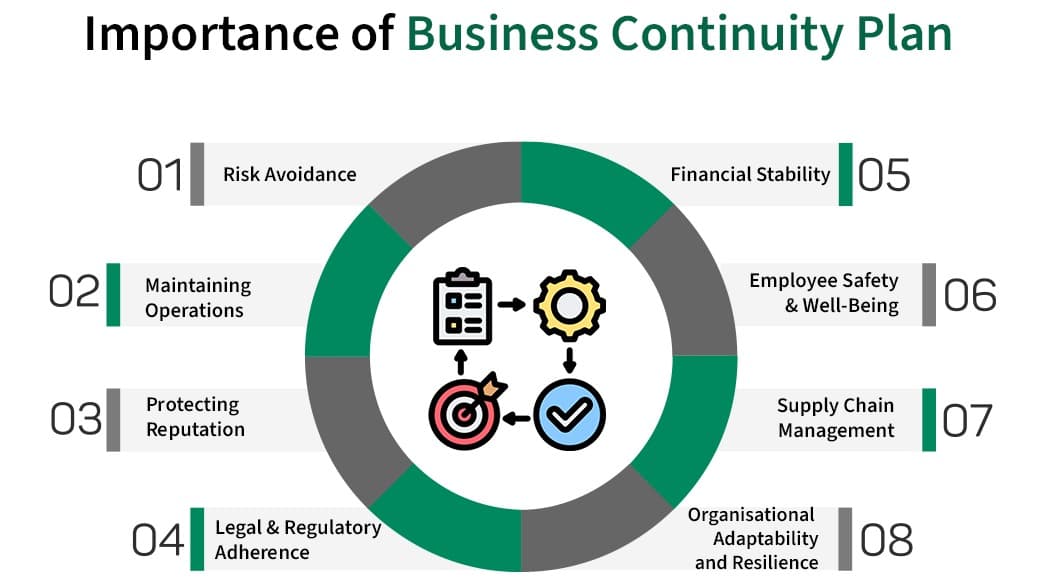
Fire emergency readiness combines prevention, preparedness, rapid response, evacuation, communication, and recovery planning to protect lives, safeguard critical assets, maintain essential operations, and strengthen organizational resilience during disruption.
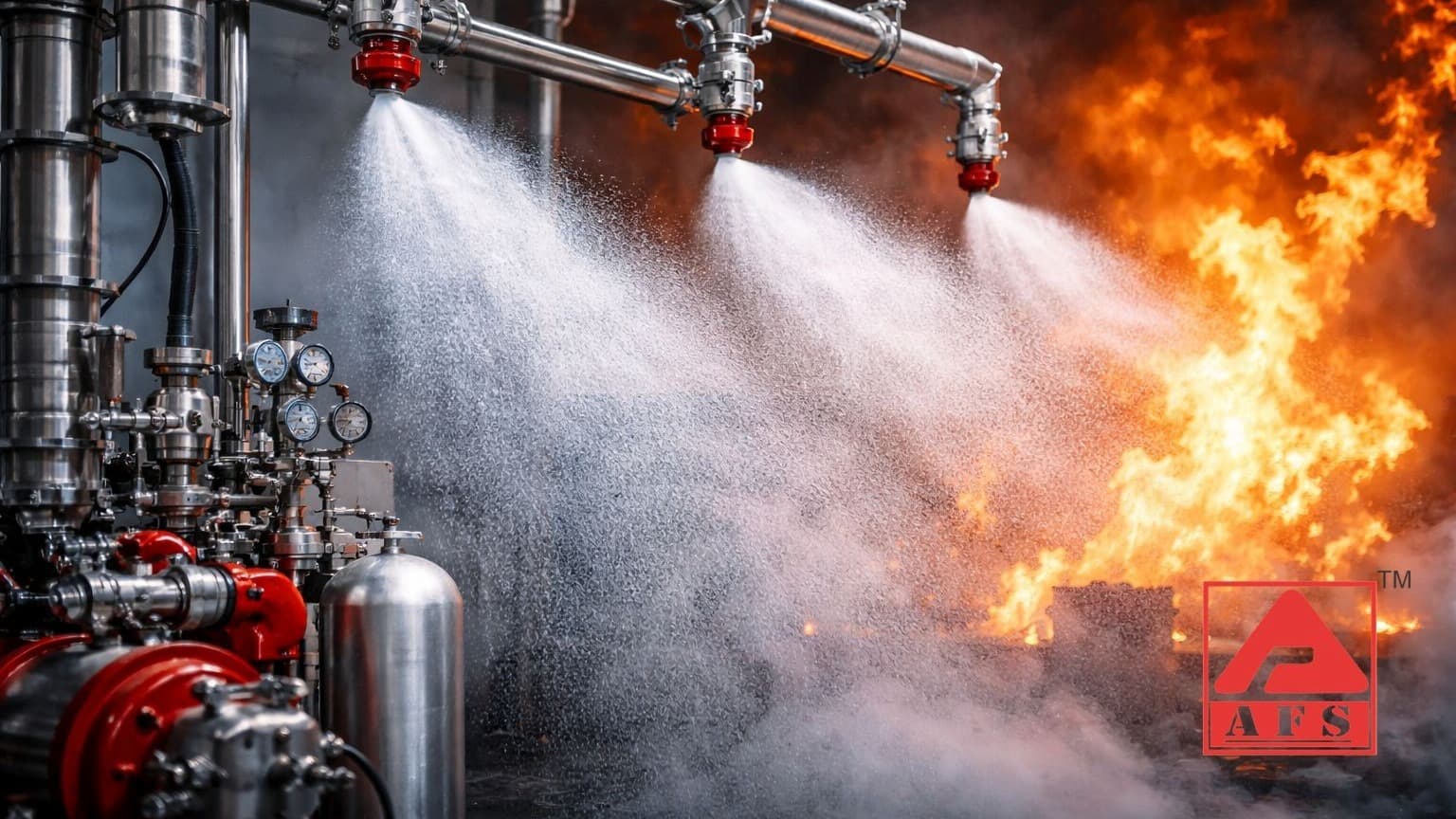
Fire suppression technology has evolved far beyond conventional sprinklers. Modern facilities demand engineered solutions that protect lives, critical assets, and business continuity while minimizing environmental impact. From water mist and clean agents to hybrid suppression technologies, today's systems are redefining how fires are controlled across increasingly complex built environments.
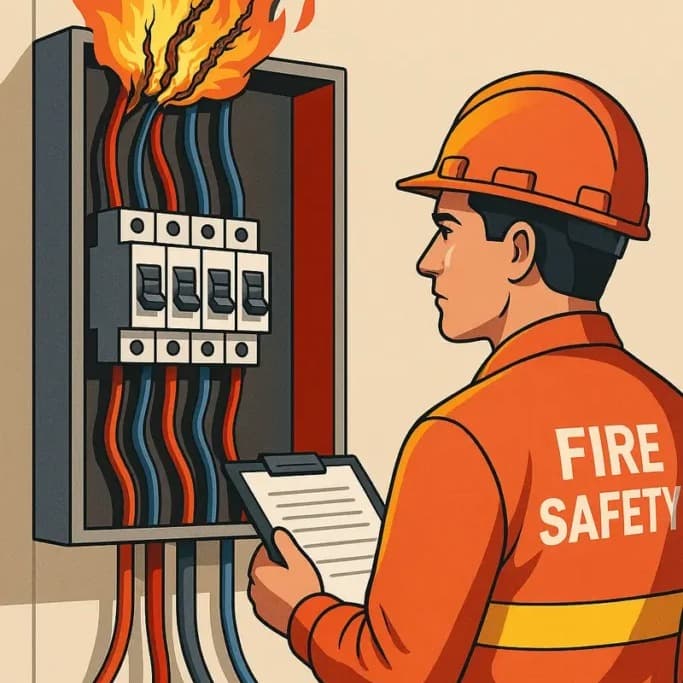
Electrical fires remain one of the leading causes of workplace incidents worldwide. Often developing without warning, they can result in severe injuries, operational disruptions, and significant property damage. Understanding electrical hazards, recognizing early warning signs, and implementing preventive measures are essential for creating a safer and more resilient workplace.