


Emergency evacuation systems combined with voice alarm technology improve occupant safety by providing clear, real-time instructions during fire incidents. Unlike traditional alarms, these systems reduce panic, guide evacuation, and enhance response efficiency, making them essential for modern high-occupancy buildings and complex infrastructure environments.

In fire emergencies, the speed and efficiency of occupant evacuation play a critical role in saving lives. While detection and suppression systems are essential, the ability to communicate clear instructions to occupants during an emergency is equally important. Emergency evacuation systems, integrated with voice alarm technology, have emerged as a vital component of modern active fire protection, offering a more controlled and effective approach to managing evacuations.
Traditional fire alarm systems rely on sirens, bells, or horns to alert occupants of a potential fire. While these signals indicate danger, they often fail to convey specific instructions, leading to confusion, delayed responses, and panic. In contrast, voice alarm systems provide clear, pre-recorded or live messages that guide occupants on what actions to take. This may include instructions to evacuate, remain in place, or use specific exit routes, depending on the nature and location of the incident.
One of the primary advantages of voice alarm systems is their ability to reduce panic and improve decision-making during emergencies. In high-occupancy buildings such as shopping malls, airports, hospitals, and office complexes, occupants may not be familiar with evacuation procedures or building layouts. Clear voice instructions help direct people efficiently, minimizing chaos and ensuring a more orderly evacuation process.
Modern evacuation systems are often designed with zonal communication capabilities. This means that messages can be broadcast to specific areas of a building based on the location of the fire. For example, occupants in the immediate danger zone may be instructed to evacuate immediately, while those in other areas may be advised to stay calm and await further instructions. This phased evacuation strategy prevents overcrowding in escape routes and enhances overall safety.
Integration with fire detection and alarm systems allows voice evacuation systems to respond automatically when a fire is detected. Pre-programmed messages can be triggered instantly, ensuring that occupants receive timely information without delay. Additionally, these systems often include provisions for manual override, enabling emergency personnel to make live announcements based on real-time conditions.
Another important feature of voice alarm systems is their ability to function in challenging environments. Advanced systems are designed to maintain audibility and clarity even in noisy or crowded spaces. This involves careful acoustic design, including speaker placement, sound pressure levels, and frequency tuning, to ensure that messages are clearly understood throughout the building.
In complex infrastructure such as high-rise buildings, evacuation strategies may differ significantly from traditional approaches. Complete evacuation may not always be practical or safe, particularly in very tall structures. In such cases, voice alarm systems support phased or staged evacuation, guiding occupants floor by floor. This approach reduces congestion in stairwells and allows emergency responders to manage the situation more effectively.
Emergency evacuation systems also play a crucial role in assisting individuals with disabilities or special needs. Voice instructions can provide guidance tailored to different scenarios, while integration with visual alarms and assistive technologies ensures inclusivity. In facilities such as hospitals or care homes, where occupants may require assistance, clear communication becomes even more critical.
Reliability is a key requirement for evacuation systems. These systems must continue to operate even during power failures or adverse conditions. Therefore, they are typically equipped with backup power supplies, redundant communication pathways, and fire-resistant cabling to ensure uninterrupted operation. Regular testing and maintenance are essential to verify system readiness.
Regulatory standards and codes increasingly recognize the importance of voice alarm systems in fire safety. Guidelines such as those outlined in the National Building Code of India and international standards recommend or mandate the use of voice evacuation systems in certain types of buildings, particularly those with high occupancy or complex layouts. Compliance with these standards ensures that systems meet minimum performance and safety requirements.
Despite their advantages, the effectiveness of evacuation systems depends on proper design, installation, and user awareness. Poorly designed systems with inadequate speaker coverage or unclear messaging can lead to confusion rather than clarity. It is essential to conduct acoustic analysis and ensure that messages are simple, concise, and easily understandable.
Training and drills are also critical in maximizing the effectiveness of evacuation systems. Occupants should be familiar with alarm signals and evacuation procedures, while facility managers and emergency teams must be trained to operate the system effectively. Regular fire drills help reinforce awareness and ensure that occupants respond appropriately during actual emergencies.
With advancements in technology, modern voice alarm systems are becoming more sophisticated. Integration with digital platforms, real-time monitoring, and even mobile notifications are enhancing communication capabilities. Some systems are now incorporating artificial intelligence to adapt messages based on evolving conditions, further improving response efficiency.
In conclusion, emergency evacuation systems integrated with voice alarm technology represent a significant advancement in active fire protection. By providing clear, real-time instructions, these systems reduce panic, improve evacuation efficiency, and enhance overall safety. In today’s complex building environments, effective communication during emergencies is not just an advantage it is a necessity for protecting lives and ensuring a coordinated response to fire incidents.
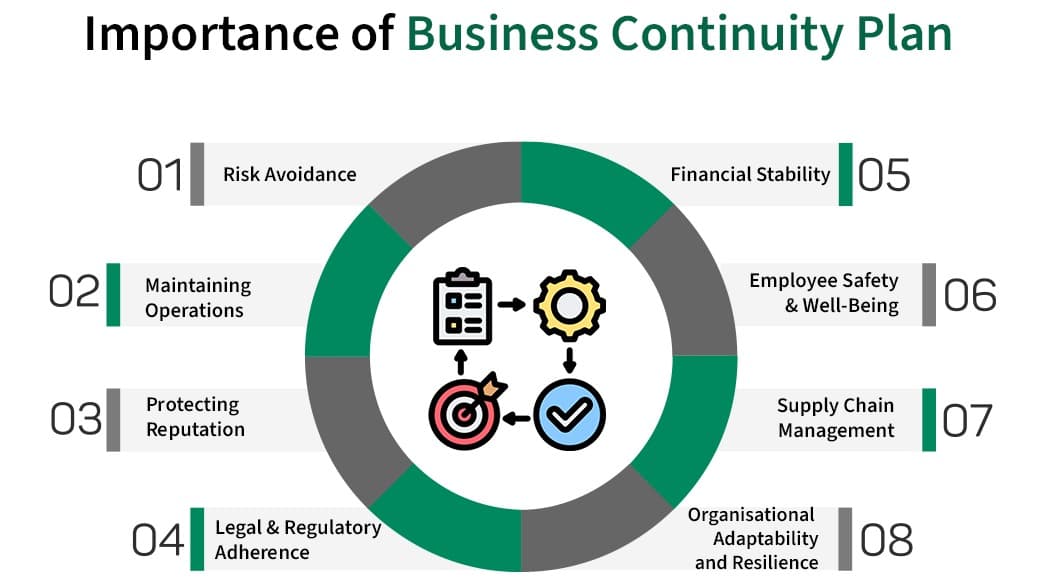
Fire emergency readiness combines prevention, preparedness, rapid response, evacuation, communication, and recovery planning to protect lives, safeguard critical assets, maintain essential operations, and strengthen organizational resilience during disruption.
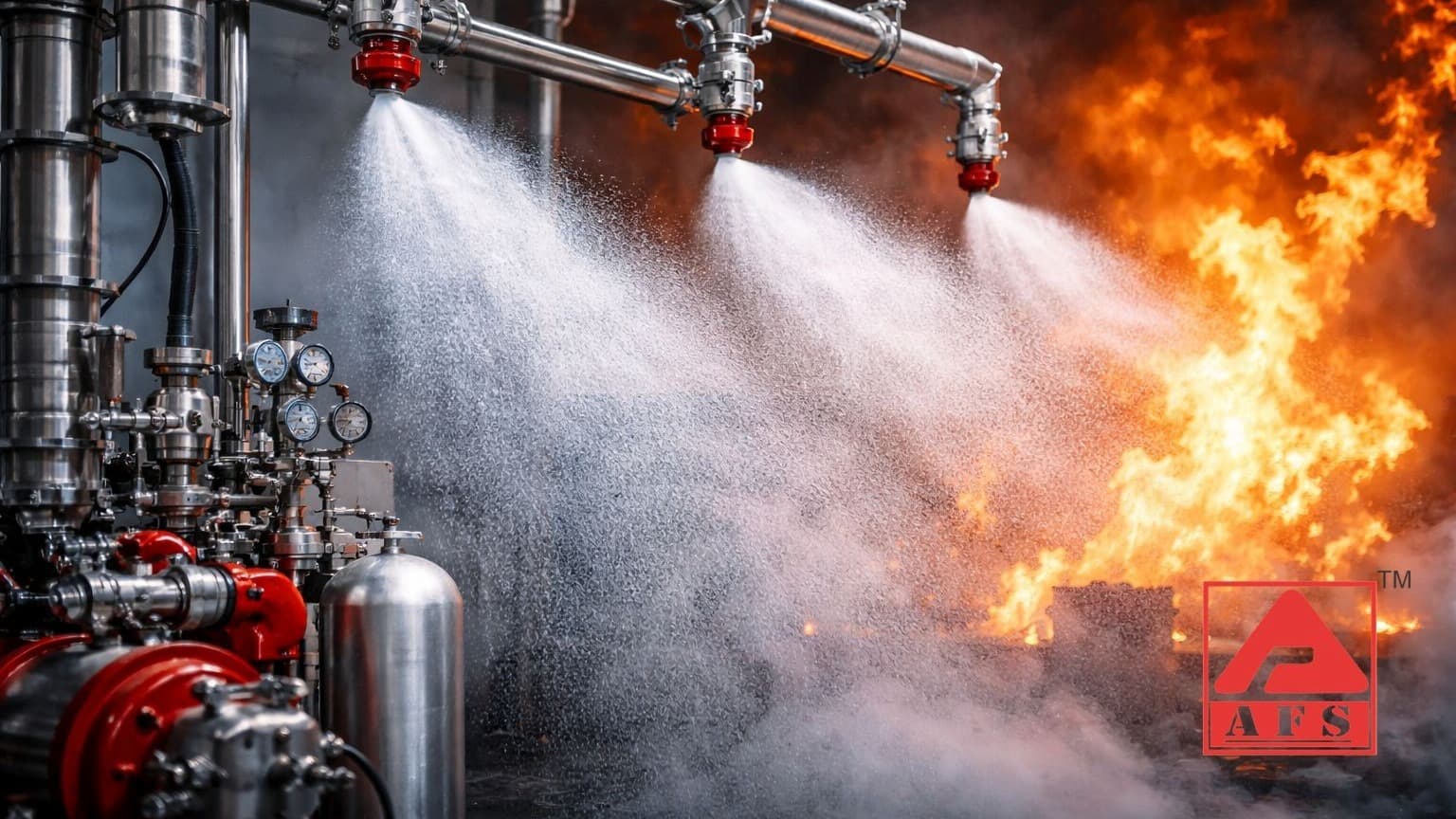
Fire suppression technology has evolved far beyond conventional sprinklers. Modern facilities demand engineered solutions that protect lives, critical assets, and business continuity while minimizing environmental impact. From water mist and clean agents to hybrid suppression technologies, today's systems are redefining how fires are controlled across increasingly complex built environments.
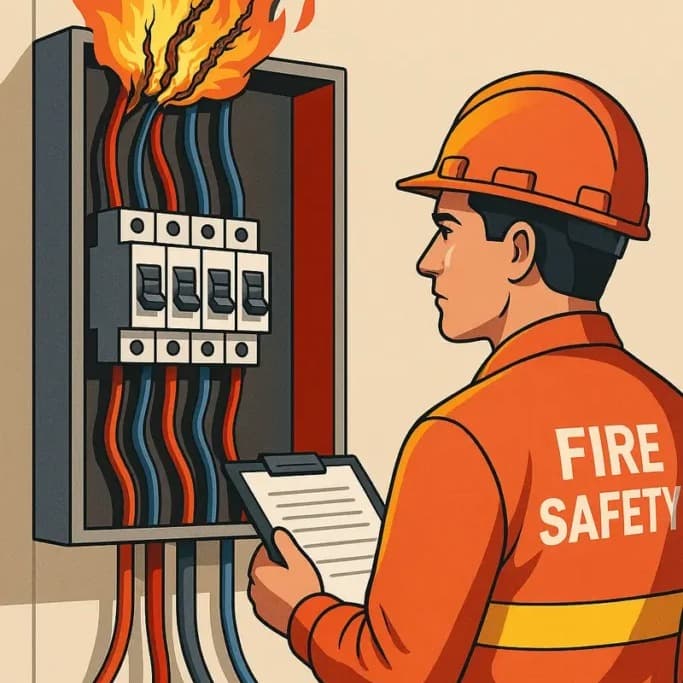
Electrical fires remain one of the leading causes of workplace incidents worldwide. Often developing without warning, they can result in severe injuries, operational disruptions, and significant property damage. Understanding electrical hazards, recognizing early warning signs, and implementing preventive measures are essential for creating a safer and more resilient workplace.