


Rising electrical demand from data centers, EV infrastructure, and renewable integration increases arc fault fire risk. High-temperature arcs can ignite insulation and cable trays rapidly. Advanced detection, thermographic monitoring, and arc-resistant system design are critical to preventing electrical faults from escalating into large-scale structural fires.

The rapid expansion of electrical infrastructure in commercial, industrial, and mission-critical environments has significantly increased fire risk associated with arc faults. Data centers, electric vehicle charging networks, renewable energy installations, battery storage facilities, and high capacity manufacturing plants operate under elevated electrical loads that were uncommon in legacy buildings. As power density increases, so does the probability of insulation failure, conductor degradation, and arc-induced ignition. Electrical arc faults are now recognized as one of the most technically complex fire initiation sources in modern facilities.
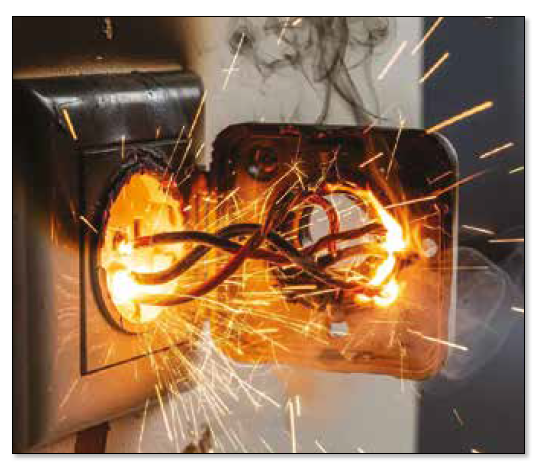
An arc fault occurs when electrical current deviates from its intended path and travels through ionized air between conductors or from conductor to ground. Unlike simple short circuits, arcs can sustain extremely high temperatures often exceeding 5,000°C capable of instantly igniting nearby combustible materials. These temperatures surpass the melting point of copper and steel, generating molten metal droplets and intense radiant heat.
Arc faults are generally categorized into series arcs and parallel arcs. Series arcs occur when there is a break or highresistance point in a single conductor, often caused by loose connections, corrosion, or mechanical stress. Parallel arcs occur between two conductors or between conductor and ground, typically resulting from insulation damage. Parallel arcs tend to generate higher current and greater ignition potential.
Modern facilities face unique risk multipliers. High-density cable trays, raised floor power distribution in data centers, busbar trunking systems, and photovoltaic DC circuits all create concentrated electrical pathways. In such environments, a single arc event can propagate rapidly through cable insulation, particularly when polymerbased sheathing materials are present. Vertical cable shafts further amplify fire spread potential by creating chimney-like conditions.
Data Centers represent a critical case study. With rack densities increasing and Uninterruptible Power Supply (UPS) systems operating continuously, electrical infrastructure is heavily loaded. Harmonics, voltage fluctuations, and heat accumulation stress conductors over time. Even minor insulation degradation can escalate into arc tracking or flashover under high current conditions. The resulting fire can compromise business continuity within seconds.
Electric vehicle charging stations introduce additional complexity. High-amperage DC fast chargers operate at significant voltage levels. Connector wear, improper maintenance, and environmental exposure increase arc fault probability. Furthermore, charging areas often coexist with parking structures containing combustible vehicle components, intensifying fire consequences.
Arc flash incidents differ from arc faults but share related hazards. An arc flash releases intense thermal energy, pressure waves, and light radiation capable of injuring personnel. While arc flash is primarily an occupational safety issue, the thermal energy released can ignite surrounding materials if containment is inadequate. Arc-resistant switchgear and compartmentalization significantly reduce propagation risk.
Thermographic monitoring has become a key preventive strategy. Infrared scanning identifies abnormal temperature rises at connection points, indicating high resistance that may precede arc formation. Predictive maintenance programs utilizing thermal imaging, ultrasonic detection, and partial discharge monitoring allow early intervention before ignition occurs.
Arc Fault Circuit Interrupters (AFCIs) provide additional protection in certain occupancies. These devices detect characteristic waveform signatures of arc conditions and disconnect power before sustained ignition occurs. While widely adopted in residential systems, industrialscale application requires careful coordination with load characteristics to prevent nuisance tripping.
Cable management design also plays a decisive role. Proper spacing, segregation of power and communication cables, fire-resistant insulation materials, and avoidance of overfilled trays reduce propagation risk. In critical infrastructure, mineral-insulated cables provide superior fire resistance compared to polymerinsulated alternatives.
Compartmentation remains essential in electrical rooms. Fire-rated enclosures, automatic door closers, and sealed penetrations prevent arc-induced fires from spreading beyond origin zones. Clean agent suppression systems are often deployed in electrical rooms to extinguish fires without damaging sensitive equipment. However, suppression effectiveness depends on rapid detection and enclosure integrity.
Renewable energy systems introduce DC arc challenges distinct from traditional AC systems. Direct current arcs do not naturally self-extinguish at zero-crossing points, making them more persistent. Photovoltaic installations require arc fault detection at the inverter level to mitigate sustained DC arc risk, especially where rooftop cable exposure is significant.
Human factors contribute significantly to arc-related fire incidents. Improper torqueing of electrical connections, unauthorized modifications, inadequate preventive maintenance, and aging infrastructure elevate failure probability. Competent inspection protocols and adherence to electrical standards are fundamental.
Environmental conditions further influence risk. Dust accumulation within electrical panels can act as both an insulating barrier and a combustible medium. Moisture intrusion degrades insulation and promotes tracking. Industrial environments with vibration or chemical exposure accelerate conductor deterioration.
In high-density power environments, cascading failure is a serious concern. An arc in one distribution segment can trigger upstream breaker failure or overload adjacent circuits, expanding fire impact. Selective coordination of protective devices ensures faults are isolated locally rather than escalating system-wide.
Building design must integrate electrical fire resilience planning. Dedicated electrical shafts, non-combustible wall linings, enhanced ventilation, and restricted access zones reduce ignition probability and fire spread severity. Water-based suppression may be inappropriate in energized environments, necessitating alternative extinguishing agents.
Insurance risk assessment increasingly scrutinizes electrical infrastructure integrity, particularly in data-intensive industries. Facilities demonstrating predictive maintenance programs, documented inspection cycles, and advanced detection systems are viewed as lower risk profiles.
As global electrification accelerates and decarbonization strategies increase reliance on high-capacity electrical systems, arc fault fire risk will continue to rise. Preventing ignition requires more than code compliance; it demands system-level engineering, disciplined maintenance culture, and continuous condition monitoring.
Electrical arc faults are not merely technical anomalies they are high-energy ignition events capable of initiating catastrophic structural fires. Understanding their mechanisms, detection methods, and propagation pathways enables organizations to strengthen fire resilience in an increasingly electrified world.
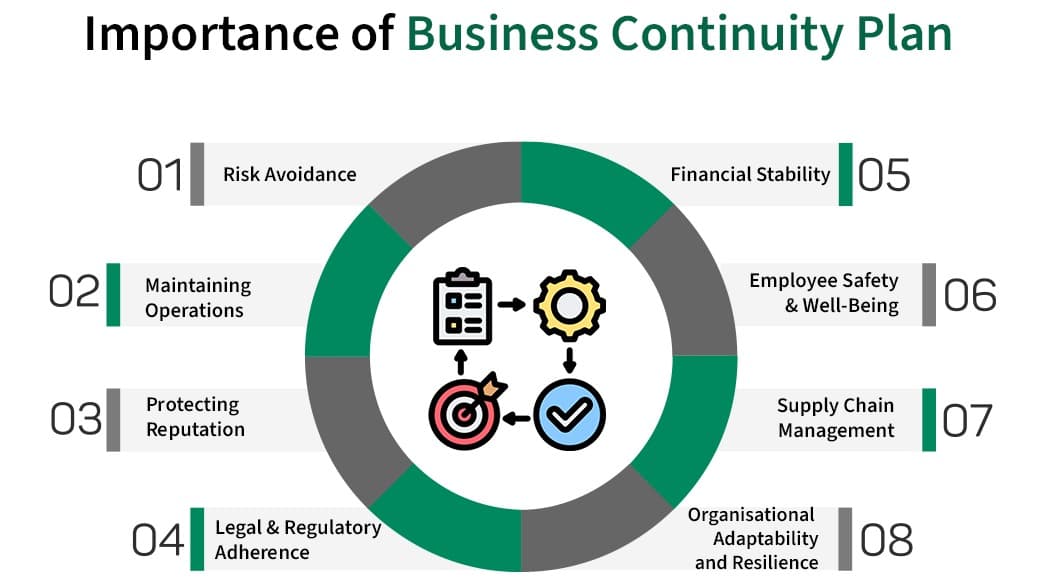
Fire emergency readiness combines prevention, preparedness, rapid response, evacuation, communication, and recovery planning to protect lives, safeguard critical assets, maintain essential operations, and strengthen organizational resilience during disruption.
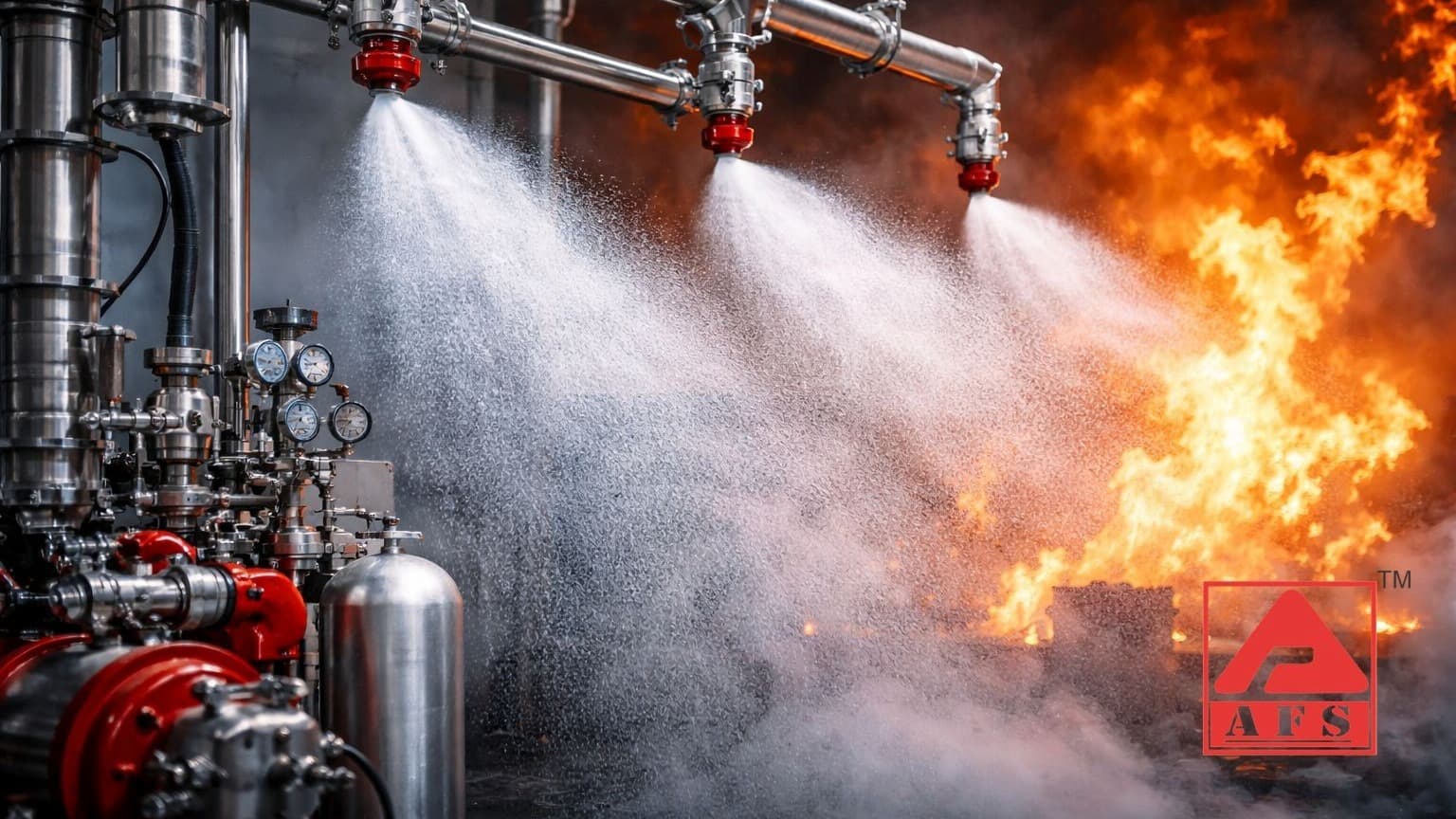
Fire suppression technology has evolved far beyond conventional sprinklers. Modern facilities demand engineered solutions that protect lives, critical assets, and business continuity while minimizing environmental impact. From water mist and clean agents to hybrid suppression technologies, today's systems are redefining how fires are controlled across increasingly complex built environments.
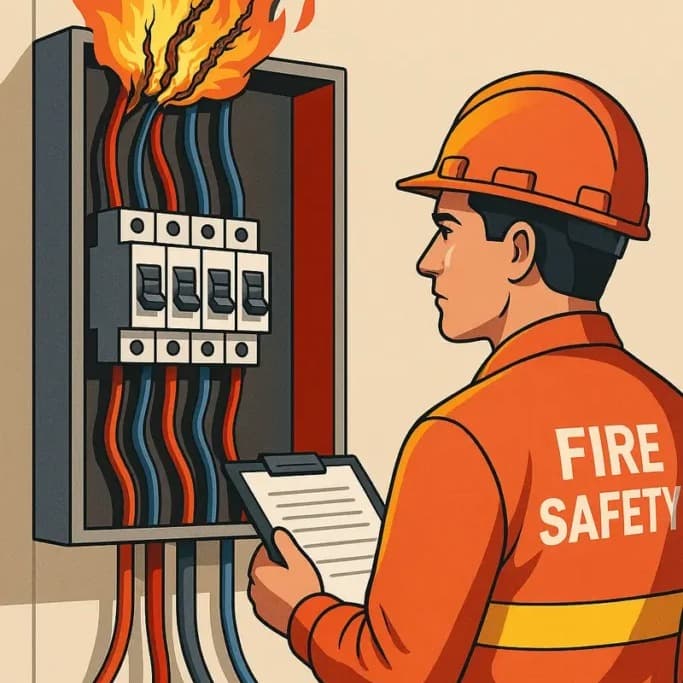
Electrical fires remain one of the leading causes of workplace incidents worldwide. Often developing without warning, they can result in severe injuries, operational disruptions, and significant property damage. Understanding electrical hazards, recognizing early warning signs, and implementing preventive measures are essential for creating a safer and more resilient workplace.