


Risk-based design shifts active fire protection from generic code compliance to scenario-driven safety planning. By aligning fire detection, alarm, and suppression systems with actual building risks, organizations can significantly improve response effectiveness, reduce system failures, and enhance occupant safety in complex modern facilities.

Modern buildings are becoming increasingly complex in terms of size, occupancy, functionality, and operational patterns. High-rise offices, hospitals, data centers, mixed-use developments, and industrial campuses present fire risks that are far from uniform. Yet, many active fire protection systems continue to be designed primarily around minimum code compliance rather than actual fire risk exposure. This is where risk-based design emerges as a critical evolution in active fire safety engineering.
Risk-based design focuses on understanding how a fire is most likely to start, grow, and impact occupants and assets within a specific building environment. Instead of relying solely on prescriptive norms, it integrates hazard identification, fire scenarios, occupant behavior, and system performance into the design process. For complex buildings, this approach significantly improves the reliability and effectiveness of fire protection systems.
At the core of risk-based design is fire risk assessment. This process evaluates ignition sources, fuel loads, ventilation conditions, occupancy density, and critical operations within the facility. Electrical rooms, data halls, kitchens, storage areas, and process zones all present different fire characteristics. Designing a uniform detection or suppression strategy across such varied spaces often leads to under-protection in high-risk zones and over-design in low-risk areas. Risk-based planning allows designers to prioritize protection where consequences are highest.
Fire detection systems play a central role in this approach. Detector selection is no longer limited to meeting spacing norms but is influenced by environmental conditions and fire dynamics. Smoke detectors may be ineffective in dusty or high-airflow environments, while heat detection may be too slow in life-safety critical areas. Aspirating smoke detection systems, multi-criteria detectors, or flame detectors can be deployed strategically based on risk evaluation. This targeted approach reduces false alarms while improving early detection.
Alarm and notification strategies also benefit from risk-based thinking. In complex buildings, a single evacuation strategy may not be appropriate for all occupants. Hospitals, for example, require phased evacuation supported by intelligent alarm zoning and staff alerts rather than mass evacuation signals. Risk-based design ensures that alarm logic, voice evacuation systems, and control interfaces are aligned with realistic emergency response capabilities rather than theoretical assumptions.
Suppression system design is another area where risk-based methods offer substantial value. Automatic sprinklers remain the backbone of fire suppression in most buildings, but they may not always be sufficient or suitable. Data centers, control rooms, archives, and high-value asset areas demand faster, non-damaging suppression solutions such as clean agents or water mist systems. Risk-based design evaluates fire growth potential, acceptable downtime, and asset criticality before selecting the suppression technology.
Integration between different active fire systems is often overlooked but becomes essential in risk-based planning. Fire alarms must communicate effectively with suppression systems, smoke control systems, elevators, access controls, and building management systems. Poorly defined cause-and-effect logic can lead to delayed response or conflicting system actions during an emergency. Risk-based design emphasizes functional coordination to ensure systems act cohesively under real fire conditions.
Complex buildings also pose challenges related to human behavior during fire incidents. Occupant familiarity, training levels, mobility limitations, and panic response all influence evacuation outcomes. Risk-based design considers these factors when defining detection sensitivity, alarm sequencing, and response timelines. This human-centric approach significantly improves life safety performance compared to designs that assume ideal occupant behavior.
Another critical advantage of risk-based design is its adaptability over the building lifecycle. Buildings rarely remain static; tenant changes, layout modifications, and operational expansions alter fire risk profiles over time. A risk-based framework allows facility managers to reassess and upgrade active fire systems proactively instead of reacting after incidents or audit failures. This continuous alignment ensures long-term system effectiveness.
From a governance perspective, risk-based design supports better decision-making at the management level. Investments in fire protection are justified based on consequence reduction rather than blanket compliance costs. This approach resonates strongly with senior leadership, insurers, and regulatory authorities, as it demonstrates a commitment to real risk mitigation rather than symbolic compliance.
In the Indian context, where diverse building typologies coexist with varying enforcement levels, risk-based design becomes even more relevant. While codes provide essential baseline guidance, they cannot address every operational complexity. Facilities that adopt risk-based active fire protection gain a significant advantage in preparedness, resilience, and regulatory confidence.
In conclusion, risk-based design represents a strategic shift in how active fire protection systems are planned and implemented. By focusing on actual fire risks, system performance, and human response, it transforms fire safety from a checklist-driven exercise into a dynamic life-safety solution. For complex buildings, this approach is no longer optional—it is essential for achieving meaningful fire protection outcomes.
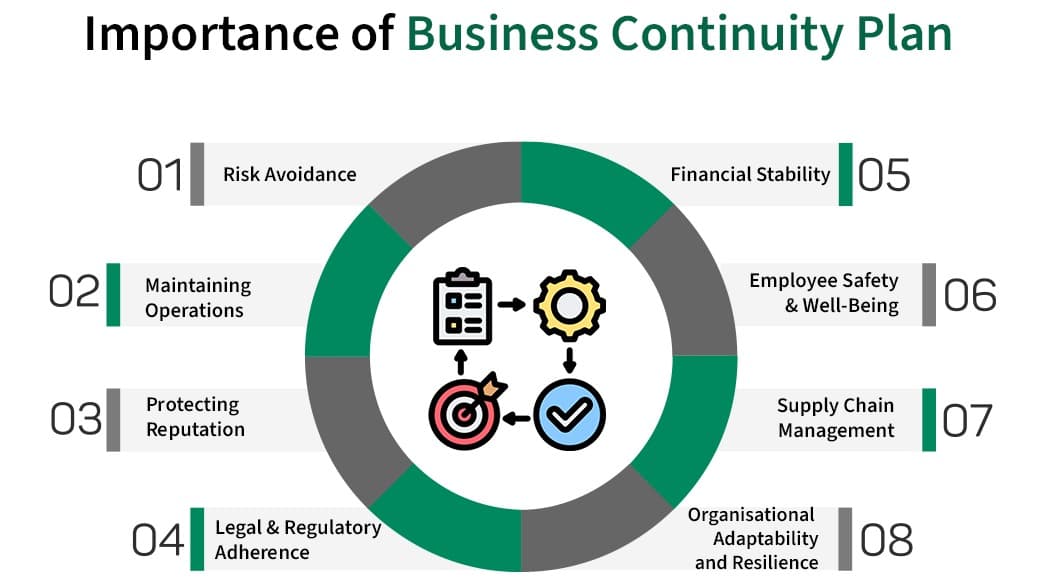
Fire emergency readiness combines prevention, preparedness, rapid response, evacuation, communication, and recovery planning to protect lives, safeguard critical assets, maintain essential operations, and strengthen organizational resilience during disruption.
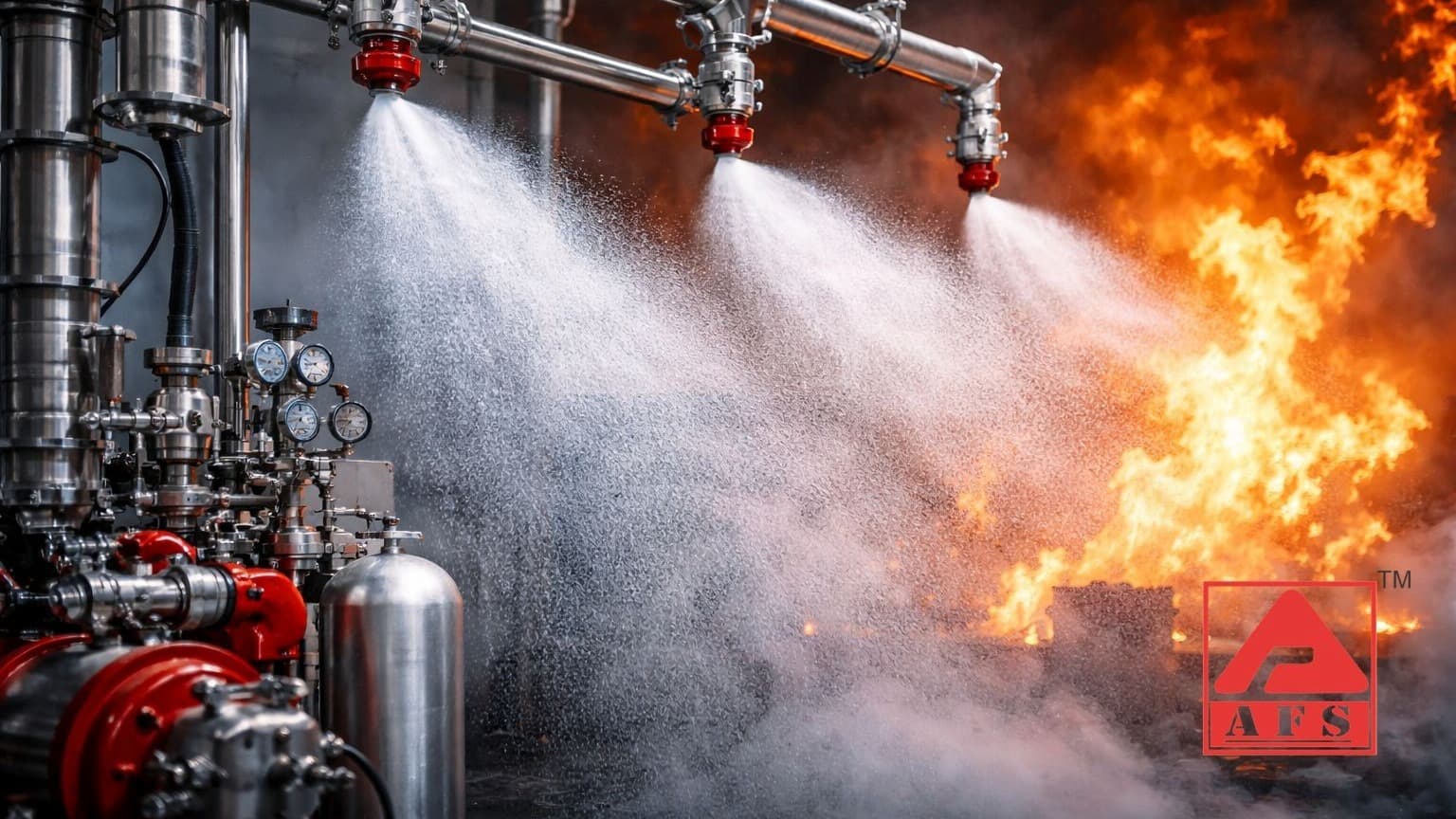
Fire suppression technology has evolved far beyond conventional sprinklers. Modern facilities demand engineered solutions that protect lives, critical assets, and business continuity while minimizing environmental impact. From water mist and clean agents to hybrid suppression technologies, today's systems are redefining how fires are controlled across increasingly complex built environments.
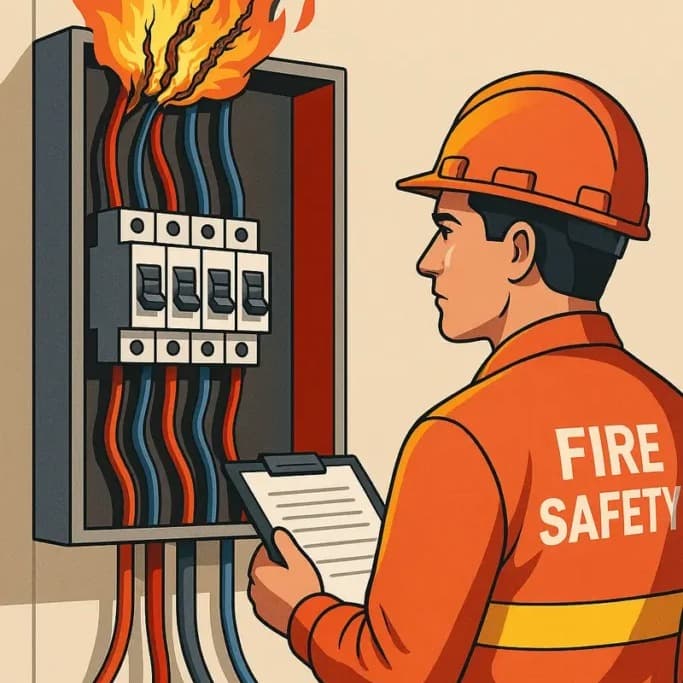
Electrical fires remain one of the leading causes of workplace incidents worldwide. Often developing without warning, they can result in severe injuries, operational disruptions, and significant property damage. Understanding electrical hazards, recognizing early warning signs, and implementing preventive measures are essential for creating a safer and more resilient workplace.