


Integrating fire alarm systems with Building Management Systems enhances coordination, visibility, and response during emergencies. However, without clear design logic, cybersecurity controls, and rigorous testing, integration can introduce serious operational risks that compromise fire system reliability and life safety outcomes.

As buildings become smarter and more automated, integration between fire alarm systems and Building Management Systems (BMS) has become increasingly common. Facility operators seek centralized control, real-time visibility, and improved operational efficiency by connecting fire alarms with HVAC, elevators, access control, and monitoring platforms. While integration offers significant advantages, it also introduces risks that must be carefully managed to avoid undermining the core life-safety function of fire alarm systems.
The primary benefit of fire alarm and BMS integration lies in coordinated system response. During a fire event, multiple building systems must act simultaneously to control smoke, facilitate evacuation, and support emergency responders. Automatic shutdown of air-handling units, activation of smoke extraction systems, release of fire doors, recall of elevators, and activation of emergency lighting all depend on accurate and timely signals from the fire alarm system. Integration enables these actions to occur in a predefined and synchronized manner.
Centralized monitoring is another advantage. Integrated platforms allow facility teams to view fire alarm status, fault conditions, and event history alongside other building systems. This improves situational awareness and supports faster decision-making during emergencies. For large campuses, hospitals, airports, and commercial complexes, centralized visibility reduces response time and enhances operational control.
Integration also supports post-event analysis and compliance reporting. Alarm logs, system actions, and response timelines can be reviewed to identify gaps and improve future performance. This data-driven approach aligns well with modern safety governance and audit requirements.
Despite these benefits, integration must be approached with caution. One of the most significant risks is the loss of system independence. Fire alarm systems are life-safety–critical and must operate reliably even when other building systems fail. Improper integration can create dependencies where a failure in the BMS network, server, or software affects fire alarm functionality or visibility. Fire alarm systems should always retain autonomous operation, with integration limited to controlled information exchange.
Cause-and-effect programming errors are another common risk. Integration requires clearly defined logic that dictates how different systems respond to a fire alarm signal. Poorly designed logic can result in unintended consequences, such as delayed HVAC shutdown, incorrect smoke control operation, or access control systems remaining locked during evacuation. These failures often remain hidden until a real emergency occurs, making rigorous testing essential.
Cybersecurity is an emerging concern in integrated fire systems. As fire alarm panels become IP-enabled and connected to enterprise networks, they are exposed to cyber threats. Unauthorized access, malware, or network disruptions can compromise system availability and data integrity. Fire alarm systems must be isolated through secure network architecture, access controls, and regular cybersecurity assessments to prevent digital risks from translating into physical safety failures.
Another challenge lies in maintenance and system updates. BMS platforms frequently undergo software upgrades, configuration changes, and hardware replacements. Without strict change management procedures, these updates can disrupt fire alarm integration. Alarm points may be lost, communication protocols may change, or response logic may be altered unintentionally. Every system modification must be reviewed, tested, and documented to ensure continued fire safety compliance.
Human factors also play a role in integration risks. Facility teams often rely heavily on BMS dashboards for monitoring, which can create a false sense of security. Fire alarm events displayed on a BMS screen may not convey the urgency or clarity of a dedicated fire alarm panel. Over-reliance on secondary interfaces can delay response if operators fail to recognize the severity of an alarm condition.
Regulatory and code considerations must not be overlooked. Many fire codes require that fire alarm systems remain dedicated and not be compromised by non-fire functions. Integration designs must comply with these requirements, ensuring that fire system priorities override all other building controls during an emergency. Clear documentation and approvals from authorities having jurisdiction are essential when implementing integrated solutions.
To maximize benefits and minimize risks, integration should follow best-practice principles. These include maintaining fire alarm system autonomy, using one-way or supervised communication links, clearly defining cause-and-effect matrices, implementing robust cybersecurity controls, and conducting comprehensive testing during commissioning and periodically thereafter. Regular drills that include integrated system responses help validate real-world performance.
From a strategic perspective, integration should be driven by safety outcomes rather than convenience or cost savings. When designed and managed correctly, integrated fire alarm and BMS systems enhance emergency response and building resilience. When implemented poorly, they introduce vulnerabilities that may only become apparent during critical moments.
In conclusion, integration between fire alarm systems and Building Management Systems offers powerful advantages for modern facilities, but it is not without risk. A disciplined, safety-first approach that prioritizes reliability, independence, and rigorous testing is essential. In active fire safety, integration must strengthen not compromise.
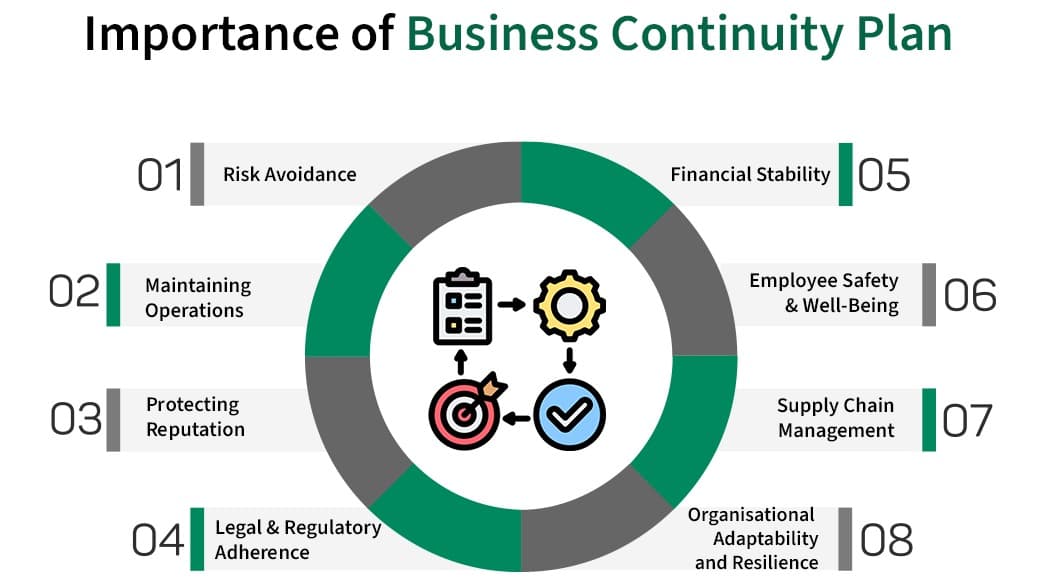
Fire emergency readiness combines prevention, preparedness, rapid response, evacuation, communication, and recovery planning to protect lives, safeguard critical assets, maintain essential operations, and strengthen organizational resilience during disruption.

Fire suppression technology has evolved far beyond conventional sprinklers. Modern facilities demand engineered solutions that protect lives, critical assets, and business continuity while minimizing environmental impact. From water mist and clean agents to hybrid suppression technologies, today's systems are redefining how fires are controlled across increasingly complex built environments.
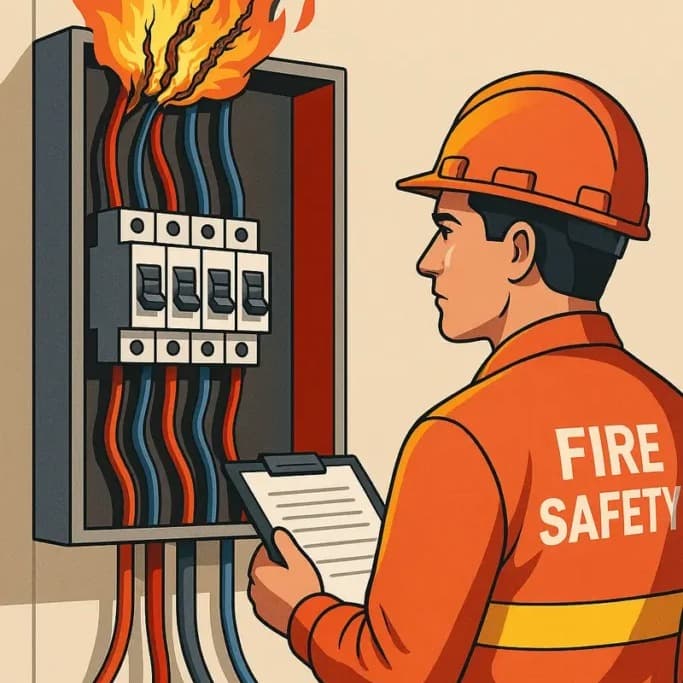
Electrical fires remain one of the leading causes of workplace incidents worldwide. Often developing without warning, they can result in severe injuries, operational disruptions, and significant property damage. Understanding electrical hazards, recognizing early warning signs, and implementing preventive measures are essential for creating a safer and more resilient workplace.