


Dr. Arindam Bhadra, Director, SSA Integrate, Kolkata.

In the present global energy and environmental context, the aim of reducing the emissions of greenhouse gases and polluting substances (also further to the Kyoto protocol), also by exploiting alternative and renewable energy sources which are put side by side to and reduce the use of fossil fuels, doomed to run out due to the great consumption of them in several countries, has become of primary importance.
The Sun is certainly a renewable energy source with great potential and it is possible to turn to it in the full respect of the environment. It is sufficient to think that instant by instant the surface of the terrestrial hemisphere exposed to the Sun gets a power exceeding 50 thousand TW; therefore the quantity of solar energy which reaches the terrestrial soil is enormous, about 10 thousand times the energy used all over the world.
Almost half of U.S. states have now adopted the 2020 National Electrical Code, which includes specific fire safety requirements for rooftop solar projects. If a fire should break out at a home or commercial building, the code ensures firefighters won’t be harmed by an energized solar array on the rooftop.
A photovoltaic (PV) plant transforms directly and instantaneously solar energy into electrical energy without using any fuels. As a matter of fact, the photovoltaic (PV) technology exploits the photoelectric effect, through which some semiconductors suitably “doped” generate electricity when exposed to solar radiation.
The main advantages of photovoltaic (PV) plants can be summarized as follows:
Distribuited generation where needed;
No emission of polluting materials;
Saving of fossil fuels;
Reliability of the plants since they do not have moving parts (useful life usually over 20 years);
Reduced operating and maintenance costs;
System modularity (to increase the plant power it is sufficient to raise the number of panels) according to the real requirements of users.
However, the initial cost for the development of a PV plant is quite high due to a market which has not reached its full maturity from a technical and economical point of view. Moreover the generation of power is erratic due to the variability of the solar energy source.
Key aspects of solar fire safety strategies:
Material Selection:
Fire-resistant mounting systems: Opt for mounting structures made from non-flammable materials to prevent fire spread.
Roofing materials: Choose fire-resistant roofing materials compatible with solar panels.
Cable insulation: Use high-quality, fire-retardant cable insulation.
Electrical Protection:
Appropriate fuses and circuit breakers: Install correctly rated fuses and circuit breakers to prevent electrical overloads that could cause overheating and fires.
DC Disconnect switches: Ensure readily accessible DC disconnect switches for rapid power isolation during emergencies.
System Design and Installation:
Firebreaks: Incorporate gaps between solar panels (firebreaks) to limit fire spread across the roof.
Panel spacing: Maintain proper spacing between panels to allow for adequate ventilation and heat dissipation.
Professional installation: Employ qualified installers who follow industry best practices and safety codes.
Emergency Response:
Emergency shutdown procedures: Develop clear protocols for quickly shutting down the solar system in case of fire or emergency.
Fire alarm integration: Consider integrating the solar system with existing fire alarm systems.
Training for occupants: Educate building occupants on proper procedures in case of a solar-related fire.
Maintenance and Inspection:
Regular inspections: Conduct periodic inspections of the solar system to identify potential hazards like damaged cables, loose connections, or overheating components.
Component replacement: Replace worn or damaged parts promptly to maintain optimal system performance and safety.
Technology-based solutions:
Smart monitoring systems: Utilize monitoring systems that can detect abnormal conditions like excessive heat and trigger alerts to prevent potential fire incidents.
Fire suppression systems: In high-risk situations, consider implementing specialized fire suppression systems designed for solar installation
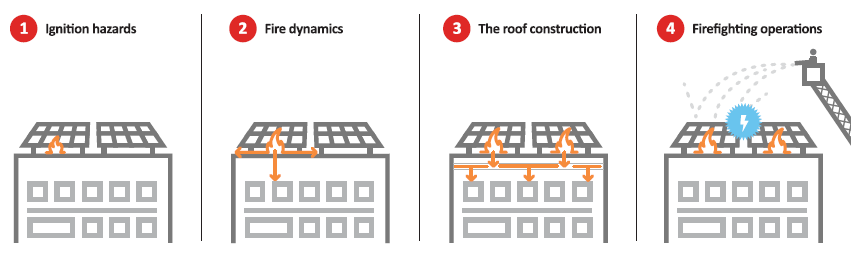
Installing a photovoltaic (PV) system on the roof of a building introduces new fire risks to the building. First, the PV installations have been shown to increase the chances of ignition through the failure of any of the electrical components of the system. Second, the PV installation can increase the consequences of a PV-related fire, as a PV system on a roof has been shown to enable faster fire spread, as well as greater extent of fire spread.
Installers now have multiple options to satisfy this measure in the code, including the use of module-level rapid shutdown devices and PV Hazard Control systems — listed as UL 3741.
IFC Fire Code for Solar Panels: Section 1205 of the IFC’s fire code documentation specifically focuses on PV power systems. This section of codes describes regulations for both roof-mounted and ground-mounted solar panels and addresses fire safety protocols for the installation, operation, maintenance, repair, retrofitting, testing, commissioning, and decommissioning of these systems.
NFPA Standards For Solar: The NFPA 855 standard outlines the requirements for mitigating potential fire risks for solar panels and other stationary energy storage systems (ESS) in the US. As a vital resource for all stakeholders, NFPA 855 provides insight into the handling of potential dangers such as toxic and flammable gasses, stranded energy, and increased fire intensity associated with ESS systems. The purpose of these guidelines is to provide solar professionals and first responders with the information they need to safely design, install, inspect, and extinguish solar equipment.
Structural Engineering Codes for Solar: In addition to the IBC standards, the American Society of Civil Engineers (ASCE) also has a set of guidelines titled ASCE/SEI 7-16. These guidelines were created to help structural engineers, architects, and building code officials determine design loads for general structural design while factoring in environmental events.
Effective safety measures
To successfully mitigate the consequences of PV-related fires and reduce the probability of them, effective safety measures need to be put in place. If the proposed safety measures are to adequately serve their purpose, their effectiveness should be confirmed via reference to sound data from reliable scientific experiments or statistics. Until there exists sufficient knowledge about the mechanics of fire risks and how to mitigate it, a precautious approach in the design should be applied. In terms of PV installations on flat roofs, the risk can be mitigated through reduced ignition probability and reduction of consequences.
Good components and products, as well as installation practice and maintenance are all necessary for achieving risk reduction on the side of probability. The material selection, as well as the quality and layout of the roof construction are cornerstones concerning fire consequence reduction and firefighter safety. For limiting the consequences of a fire, it has been shown in experiments that the roof membrane type and the type of PV panels play a minor role compared to the type of insulation material.
Thus, for both renovation and newbuilds, the main recommendation is to use non-combustible insulation materials to avoid the insulation material contributing to the fire and prevent spread to the building below.
If other solutions are considered, these solutions should show a similar robustness in experiments where the entire system (roof segment and PV modules) is tested as it will be built, and at a scale that involves several modules.
Effectiveness of Current Safety Measures: A Balancing Act
In the face of solar panel-related fires, the efficacy of traditional safety measures becomes a focal point. The conventional approach to fire safety, with fire extinguishers, alarms, and emergency response protocols, grapples with the unique challenges posed by solar installations. As solar power reshapes the energy landscape, are our safety measures keeping pace?
While firefighting efforts in response to solar panel fires are essential, preventing these incidents is equally vital. The very nature of solar panels, exposed to the elements and generating electricity, requires a nuanced understanding of fire safety. Firefighters encountering solar panel fires often find themselves in a delicate dance, as water application can exacerbate the situation, highlighting the need for tailored firefighting strategies.
Recommendations for safe PV installation
In terms of the roof buildup for buildings with PV installations, a major distinction should be made between retrofits and new buildups.
The recommendation for noncombustible insulation is based on publicly available test results, which show that the spread across membranes that the PV modules facilitate is independent of the type of membrane and that the ensuing fires are significant enough to involve combustible insulation materials in the fire.
The fire risk with PV panels on roofs is higher compared to roofs without panels, necessitating systemiclevel fire safety assessments.
The fire dynamics in PV-related fires are primarily influenced by parameters such as gap height, panel inclination, roof buildup, and array configuration, rather than the panel type itself. Close placement of PV panels to the membrane facilitates flame spread, involving all types of membranes. Consequently, using non-combustible insulation materials and mountings is recommended for significant risk reduction.
Now we analysis Fire Suppression Mechanisms for Solar Farms yes not in list but need.
Fire suppression mechanisms are engineered to detect and quench fires automatically, reducing the risk of property damage, business disruptions, and environmental contamination. Various types of fire suppression mechanisms can be employed to shield solar farms, each with distinct benefits and applications.
Let’s explore some of these mechanisms.
Water-Based Fire Suppression Mechanisms
Water-based fire suppression systems, including sprinkler systems and water mist systems, are the most prevalent and cost-efficient solutions for safeguarding solar farms. These mechanisms utilize water to cool and extinguish the fire, lowering the temperature and smothering the flames.
Sprinkler Systems
Sprinkler systems comprise a network of pipes equipped with sprinkler heads that are triggered by heat. Upon detecting a fire, the sprinkler heads dispense water onto the affected area, suppressing the flames and halting the fire’s spread.
Water Mist Systems
Water mist systems are akin to sprinkler systems but utilize fine water droplets to put out the fire. They’re especially effective for quelling electrical fires and can be installed in confined spaces or areas containing sensitive equipment.
Gaseous Fire Suppression Mechanisms
Alternatively, gaseous fire suppression systems – such as clean agent systems and carbon dioxide (CO2) systems – are well-suited for protecting solar farms where water-based systems might not be appropriate due to the risk of water damage to electrical gear.
Clean Agent Systems
Clean agent systems employ eco-friendly gaseous agents to extinguish fires by reducing the oxygen levels and inhibiting the chemical reactions sustaining the fire.
Furthermore, clean agent systems are also safe for use in occupied areas and can be designed to release the agent automatically when a fire is detected.
Carbon Dioxide (CO2) Systems
CO2 systems are effective in suppressing electrical fires by displacing oxygen and cooling the fire source.
However, CO2 is a highly concentrated gas that can be harmful to humans; hence, these systems should be used only in unoccupied areas or in combination with an alarm system to evacuate personnel before the CO2 release.
Foam Fire Suppression Mechanisms
Lastly, foam fire suppression systems are engineered to blanket the fire with foam – preventing the release of flammable vapors and cooling the fire surface. Foam systems are particularly effective for quenching liquid fuel fires, such as those involving transformer oil or other flammable liquids used in solar farm equipment.
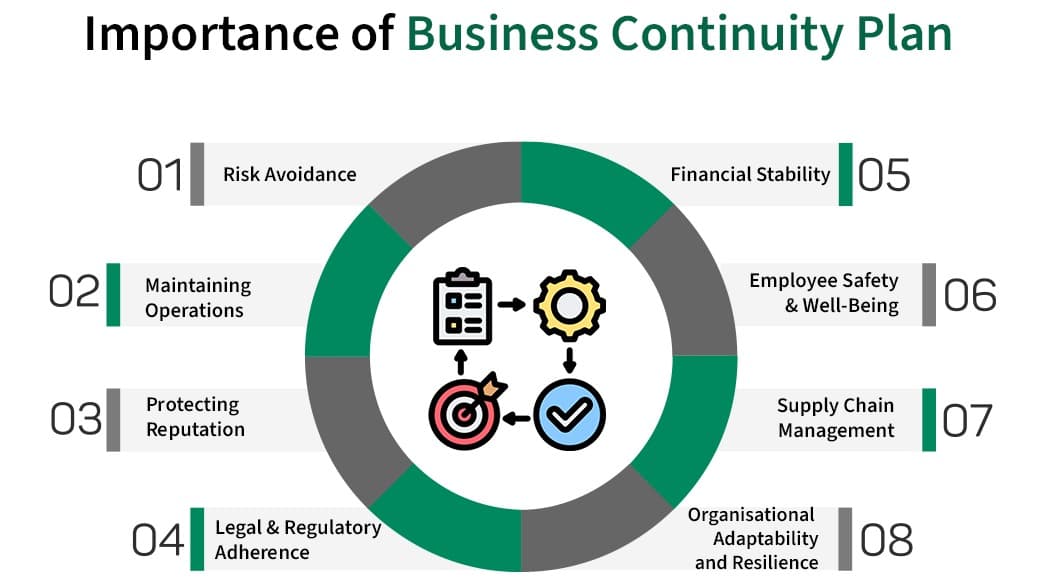
Fire emergency readiness combines prevention, preparedness, rapid response, evacuation, communication, and recovery planning to protect lives, safeguard critical assets, maintain essential operations, and strengthen organizational resilience during disruption.
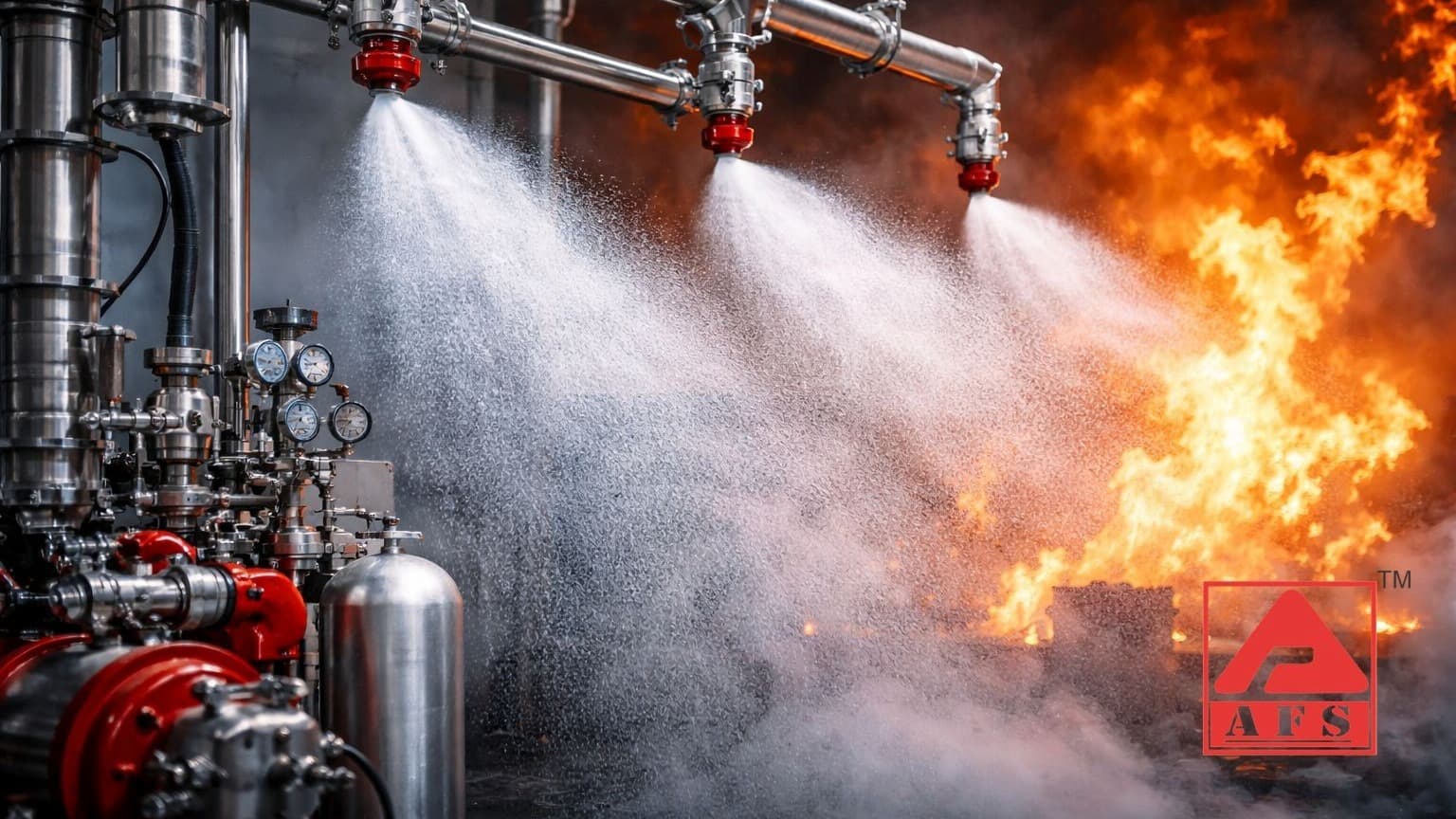
Fire suppression technology has evolved far beyond conventional sprinklers. Modern facilities demand engineered solutions that protect lives, critical assets, and business continuity while minimizing environmental impact. From water mist and clean agents to hybrid suppression technologies, today's systems are redefining how fires are controlled across increasingly complex built environments.
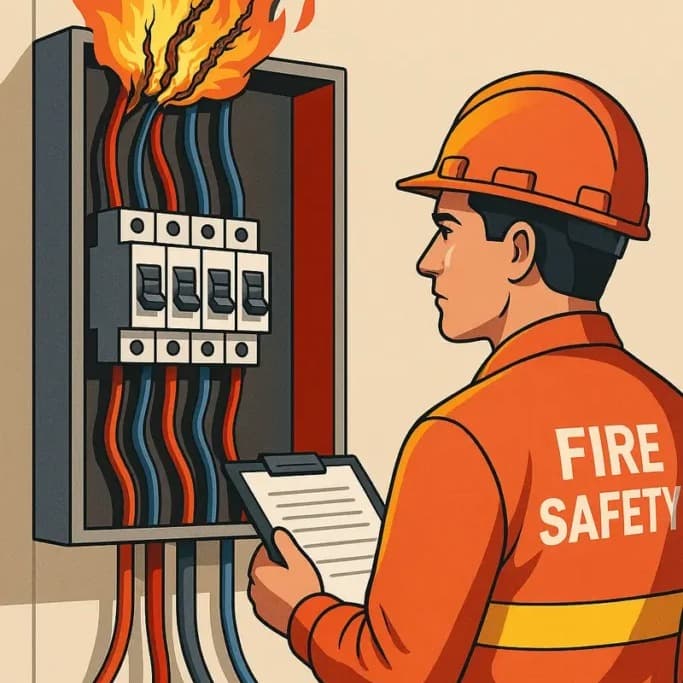
Electrical fires remain one of the leading causes of workplace incidents worldwide. Often developing without warning, they can result in severe injuries, operational disruptions, and significant property damage. Understanding electrical hazards, recognizing early warning signs, and implementing preventive measures are essential for creating a safer and more resilient workplace.