


CCTV surveillance is a critical component of modern security systems, providing real-time monitoring, deterrence, and evidence collection. When properly planned and maintained, CCTV helps prevent unauthorized access, detect suspicious activity, and support investigations. However, effectiveness depends on camera placement, monitoring quality, system integration, and regular maintenance.
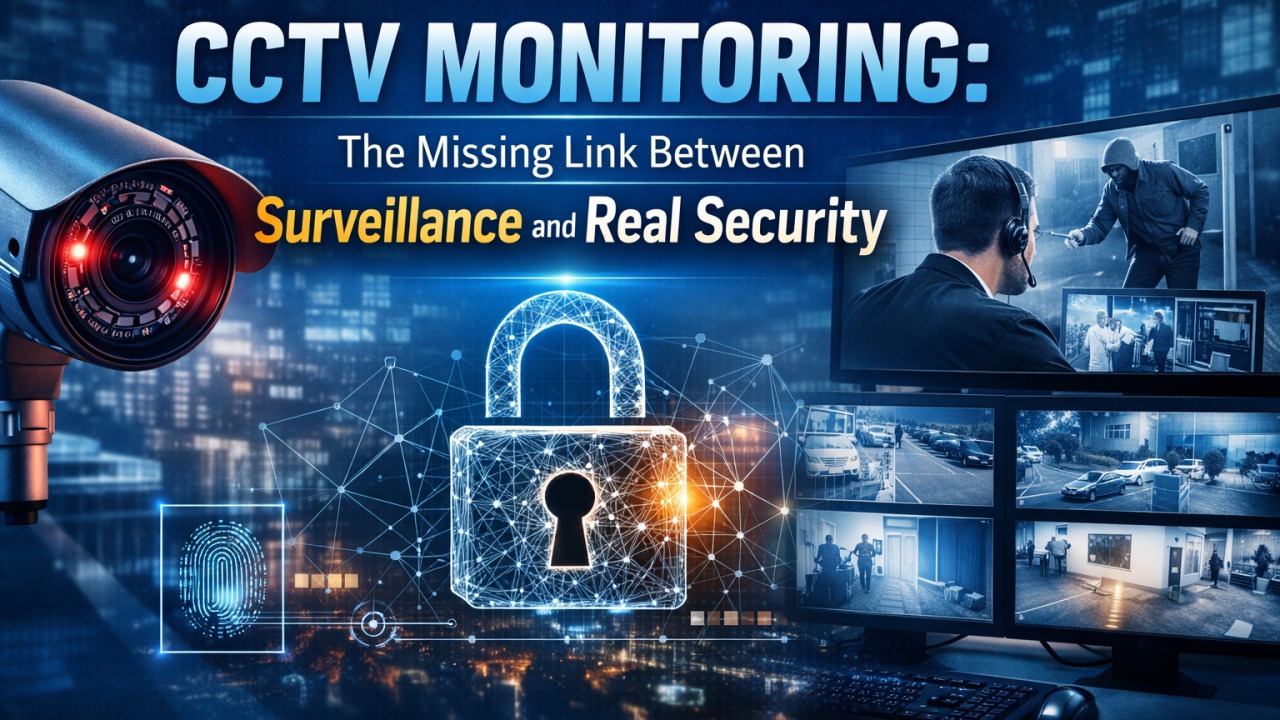
CCTV Surveillance Systems: How Effective Monitoring Prevents Security Breaches
Closed-Circuit Television (CCTV) systems have become one of the most widely used security tools in organizations, public spaces, and critical infrastructure. Their primary purpose is to monitor activities, deter unauthorized behavior, and provide recorded evidence in the event of an incident. However, CCTV is not just about installing cameras—it is about designing a strategic surveillance system that actively contributes to preventing security breaches rather than merely recording them after they occur.
In modern security environments, CCTV plays a proactive role. It enhances situational awareness, supports security personnel, and integrates with other systems such as access control, alarms, and analytics platforms. When effectively implemented, CCTV becomes a powerful layer of defense that strengthens overall security posture.
The Role of CCTV in Modern Security
CCTV systems serve multiple functions within a security framework. First and foremost, they act as a deterrent. The visible presence of cameras discourages individuals from engaging in unauthorized or suspicious activities. People are less likely to attempt theft, trespassing, or vandalism when they know they are being monitored.
Secondly, CCTV provides real-time monitoring capabilities. Security teams can observe live feeds to identify unusual behavior, monitor high-risk areas, and respond quickly to incidents. This immediate visibility allows for faster decision-making and intervention.
Thirdly, CCTV systems provide recorded evidence. In the event of a security breach, theft, workplace incident, or dispute, recorded footage becomes a valuable tool for investigation, verification, and legal proceedings. It helps organizations understand what happened, how it happened, and who was involved.
Strategic Placement of Cameras
The effectiveness of a CCTV system depends heavily on camera placement. Poorly positioned cameras can create blind spots, reduce coverage, and limit the system’s usefulness. Strategic placement ensures maximum visibility of critical areas such as entry and exit points, loading docks, restricted zones, corridors, and perimeter boundaries.
Key considerations for camera placement include:
Covering all entry and exit points
Monitoring high-risk or sensitive areas
Eliminating blind spots and hidden corners
Ensuring proper lighting conditions
Positioning cameras at appropriate angles and heights
A well-designed surveillance layout ensures that no critical activity goes unmonitored.
Real-Time Monitoring vs. Passive Recording
Many organizations make the mistake of treating CCTV as a passive recording tool rather than an active security system. Recording footage alone is not enough to prevent incidents. Real-time monitoring is essential for early detection and immediate response.
In an effective security setup, trained operators continuously monitor live feeds, especially in high-risk areas. This allows them to detect suspicious behavior such as unauthorized access attempts, loitering, or unusual movement patterns. Early detection enables security personnel to intervene before a situation escalates.
Common CCTV Blind Spots and Limitations
Despite its advantages, CCTV systems have limitations. One of the most common issues is blind spots—areas not covered by camera angles. These gaps can be exploited by individuals attempting unauthorized access or concealment of activities.
Other limitations include:
Poor image quality due to outdated equipment
Obstruction of camera views
Inadequate lighting conditions
System downtime or technical failures
Lack of proper monitoring personnel
Regular system audits and upgrades are necessary to address these weaknesses and ensure continuous effectiveness.
Integration with Modern Security Technologies
Modern CCTV systems are no longer standalone tools. They are increasingly integrated with advanced technologies to enhance functionality and intelligence.
1. Access Control Integration
CCTV systems linked with access control allow organizations to visually verify entry and exit events. This ensures that only authorized individuals gain access to restricted areas.
2. Alarm Systems Integration
When alarms are triggered, CCTV can automatically focus on the affected area, allowing security teams to assess the situation quickly.
3. Video Analytics and AI
Artificial intelligence enables advanced features such as facial recognition, motion detection, behavior analysis, and anomaly detection. These technologies help identify potential threats in real time.
4. Remote Monitoring
Cloud-based systems allow security teams to monitor multiple locations from centralized control rooms or even remote devices, improving flexibility and response capability.
Importance of System Maintenance
A CCTV system is only effective if it is properly maintained. Regular maintenance ensures that cameras function correctly, recordings are stored securely, and system performance remains reliable.
Maintenance activities include:
Cleaning camera lenses
Checking recording systems and storage capacity
Testing backup power supply
Verifying camera angles and focus
Updating software and firmware
Neglecting maintenance can lead to system failures at critical moments, reducing overall security effectiveness.
Legal and Ethical Considerations
While CCTV enhances security, it must be used responsibly. Organizations must balance security needs with privacy considerations. Employees and visitors should be informed about surveillance areas, and monitoring should be conducted in compliance with applicable laws and regulations.
Unauthorized or excessive surveillance can lead to ethical concerns and reduce trust within the organization. Clear policies should define where cameras are installed, how footage is used, and how long it is retained.
Human Factor in CCTV Effectiveness
Even the most advanced CCTV system is ineffective without proper human involvement. Security personnel must be trained to interpret footage, recognize suspicious behavior, and respond appropriately. Fatigue, distraction, or lack of training can reduce monitoring effectiveness.
Regular training and clear Standard Operating Procedures (SOPs) are essential to ensure that CCTV systems are used to their full potential.
Conclusion
CCTV surveillance systems are a vital component of modern security infrastructure. They provide visibility, deterrence, and evidence that help prevent and manage security breaches. However, their effectiveness depends on thoughtful design, proper placement, active monitoring, system integration, and regular maintenance.
When combined with strong security policies and trained personnel, CCTV becomes more than just a recording tool it becomes an active defense mechanism that enhances safety, accountability, and operational control across the organization.
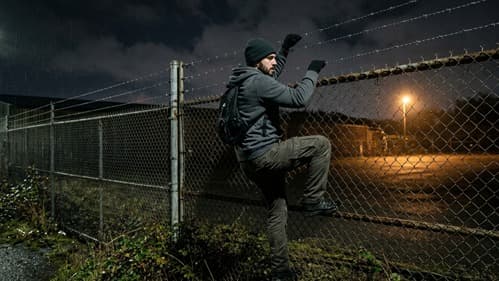
Electric fencing strengthens perimeter security by deterring unauthorized access, detecting intrusion attempts, and integrating with CCTV, alarms, and security teams to create a proactive, layered defense system.
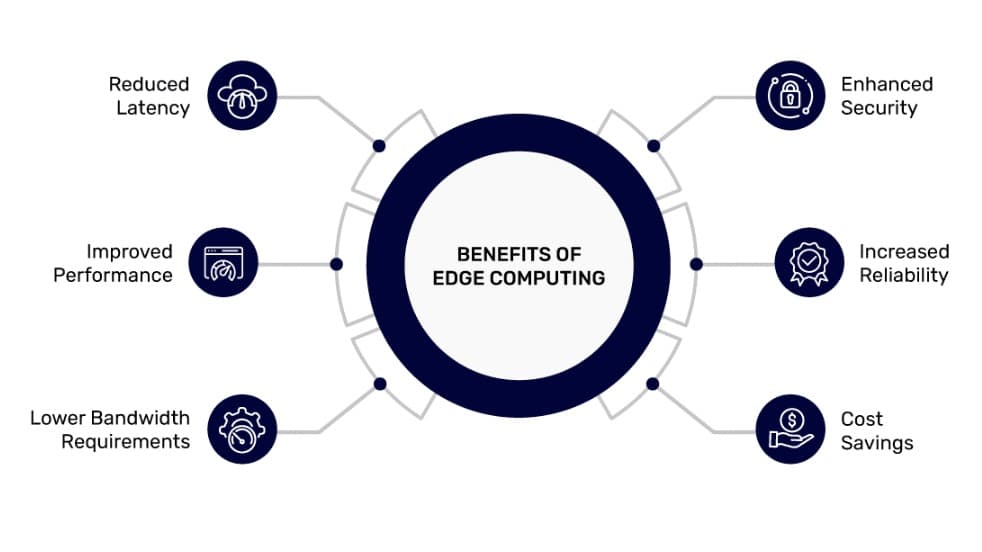
Edge computing is transforming security systems by enabling real-time data processing at the source. By reducing latency, minimizing bandwidth usage, and enabling faster decision-making, edge-based security solutions enhance surveillance efficiency, improve threat response, and support scalable, intelligent security infrastructure across modern enterprises and critical environments.

Identity and Access Management (IAM) is redefining physical security by ensuring that the right individuals have access to the right places at the right time. By integrating identity governance with physical systems, organizations can enhance security, streamline operations, and achieve greater control over access across complex infrastructures.