


Electric fencing strengthens perimeter security by deterring unauthorized access, detecting intrusion attempts, and integrating with CCTV, alarms, and security teams to create a proactive, layered defense system.

In today’s evolving security environment, protecting the perimeter of a facility is one of the most important aspects of an effective security strategy. The perimeter represents the first line of defense, helping prevent unauthorized access before an individual can reach buildings, employees, equipment, or critical infrastructure. Electric fencing has emerged as an important technology for strengthening this first layer of protection. When properly designed, installed, monitored, and maintained, it can act as a strong deterrent while providing an additional intrusion-detection capability. More importantly, electric fencing can work alongside CCTV, access control, alarms, sensors, and security personnel to create a comprehensive and layered security system.
Electric fencing uses controlled electrical pulses along specially designed conductors installed on or around a physical perimeter barrier. When an unauthorized person attempts to climb, cut, tamper with, or interfere with the fence, the system can detect the event and generate an alert. Modern electric-fence systems are designed to provide a controlled deterrent rather than continuous electrical output, while monitoring features can help security teams identify potential tampering or breach attempts. The fundamental purpose is to deter unauthorized access, detect suspicious activity at the boundary, and provide security personnel with valuable time to assess and respond to a potential incident.
An effective perimeter-security strategy is important because many security incidents can begin with an unauthorized individual gaining access to a property. A conventional fence may establish a physical boundary, but it may not always provide immediate notification when someone attempts to climb or damage it. Electric fencing adds an active security layer by helping detect such attempts and alerting the appropriate personnel. This early warning can allow security teams to respond before an intruder reaches sensitive buildings, storage areas, vehicles, machinery, or other protected assets.
One of the major strengths of electric fencing is its ability to work together with CCTV surveillance. When a perimeter alarm is triggered, security personnel can use nearby CCTV cameras to visually verify what is happening. This allows them to understand where the event occurred, determine whether a person is present, assess the seriousness of the situation, and coordinate the appropriate response. The combination of intrusion detection and video surveillance can significantly improve situational awareness. Instead of responding to every alarm without context, security teams can use available video information to distinguish between genuine security incidents and events caused by environmental conditions, animals, weather, or technical issues.
Electric fencing can also form an important part of a broader layered security model. Effective security should not depend on a single technology or control. Physical barriers can establish the boundary, electric fencing can provide additional deterrence and detection, CCTV can provide visual verification, and access-control systems can manage authorized entry. Security personnel remain responsible for monitoring alerts, assessing incidents, conducting patrols, and coordinating responses. When these different layers operate together, the organization has multiple opportunities to prevent, detect, delay, and respond to unauthorized activity.
Safety and responsible implementation are essential when deploying electric fencing. Organizations should ensure that their systems are designed and installed in accordance with applicable laws, regulations, standards, and site-specific requirements. Appropriate warning signs and safeguards should be provided where necessary so that employees, visitors, contractors, emergency responders, and members of the surrounding community are aware of the protected perimeter. Installation and maintenance should be carried out by qualified professionals, and access to the system should be appropriately controlled. Security should never come at the expense of safety, and a well-designed system must balance both objectives.
Regular maintenance is another critical factor in ensuring the reliability of electric fencing. Even advanced security technology can become ineffective when it is poorly maintained. Routine inspections should identify physical damage, vegetation interference, loose components, power-related issues, alarm communication failures, and other conditions that may affect system performance. Backup power arrangements and connections with associated security systems should also be checked periodically. Documented inspections and testing can help organizations identify weaknesses before they become significant security gaps and provide greater confidence that the perimeter remains operational.
The effectiveness of electric fencing also depends on trained security personnel. Technology can generate an alert, but people are responsible for interpreting the information and deciding how to respond. Security teams should understand alarm indications, CCTV verification procedures, escalation requirements, emergency communication processes, and incident-reporting responsibilities. Regular training and appropriate drills can help ensure that personnel respond consistently and efficiently during an actual security event. Clear procedures also help minimize confusion and improve coordination between security teams, facility management, emergency responders, and other relevant stakeholders.
As security technology continues to develop, electric fencing is increasingly becoming part of connected and intelligent perimeter-security environments. Integration with CCTV, access control, intrusion alarms, sensors, and centralized security-management platforms can provide security teams with a more complete view of activity across a facility. Artificial intelligence and advanced analytics can further enhance this environment by helping identify unusual patterns, prioritize alerts, and support faster assessment of potential threats. The objective is to move from a purely physical barrier toward a more proactive and responsive security system.
However, technology alone cannot guarantee security. Organizations must first understand their specific risks, identify critical assets, assess the surrounding environment, and determine the appropriate combination of security controls. The effectiveness of an electric-fencing system depends on correct design, professional installation, continuous monitoring, regular maintenance, appropriate procedures, and trained personnel. Periodic security assessments should also be conducted to determine whether the system continues to meet the organization’s operational and security requirements.
Ultimately, electric fencing can play a valuable role in strengthening perimeter security by providing an additional layer of deterrence and intrusion detection. Its greatest value comes when it is integrated with CCTV, alarms, access control, security personnel, and other protective technologies. A strong perimeter is not simply a physical boundary; it is an active security layer designed to identify potential threats as early as possible and support an effective response.
As organizations continue to face evolving security challenges, investing in integrated and well-maintained perimeter protection can contribute significantly to the protection of people, property, assets, and critical infrastructure. Electric fencing, when responsibly implemented and supported by the right technology, processes, and people, can form an important part of a modern, proactive, and layered security strategy.

CCTV surveillance is a critical component of modern security systems, providing real-time monitoring, deterrence, and evidence collection. When properly planned and maintained, CCTV helps prevent unauthorized access, detect suspicious activity, and support investigations. However, effectiveness depends on camera placement, monitoring quality, system integration, and regular maintenance.
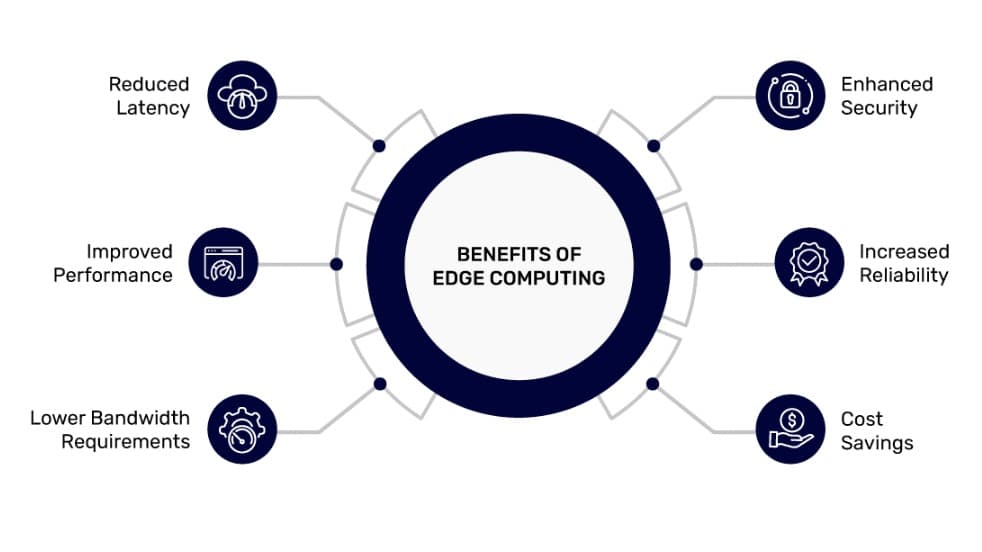
Edge computing is transforming security systems by enabling real-time data processing at the source. By reducing latency, minimizing bandwidth usage, and enabling faster decision-making, edge-based security solutions enhance surveillance efficiency, improve threat response, and support scalable, intelligent security infrastructure across modern enterprises and critical environments.

Identity and Access Management (IAM) is redefining physical security by ensuring that the right individuals have access to the right places at the right time. By integrating identity governance with physical systems, organizations can enhance security, streamline operations, and achieve greater control over access across complex infrastructures.