


Expert-written blogs covering security trends, risks, and best practices.

Electric fencing strengthens perimeter security by deterring unauthorized access, detecting intrusion attempts, and integrating with CCTV, alarms, and security teams to create a proactive, layered defense system.

CCTV surveillance is a critical component of modern security systems, providing real-time monitoring, deterrence, and evidence collection. When properly planned and maintained, CCTV helps prevent unauthorized access, detect suspicious activity, and support investigations. However, effectiveness depends on camera placement, monitoring quality, system integration, and regular maintenance.
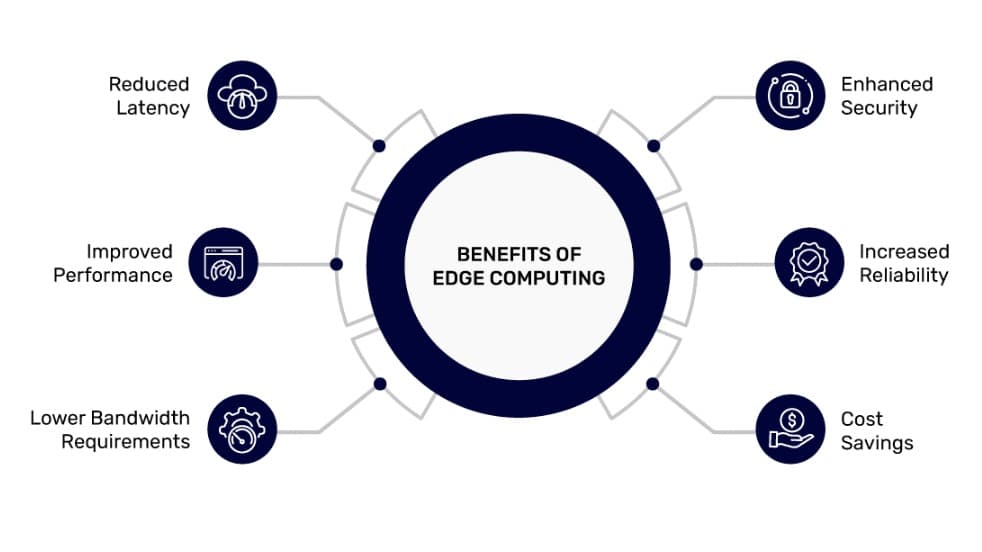
Edge computing is transforming security systems by enabling real-time data processing at the source. By reducing latency, minimizing bandwidth usage, and enabling faster decision-making, edge-based security solutions enhance surveillance efficiency, improve threat response, and support scalable, intelligent security infrastructure across modern enterprises and critical environments.
Identity and Access Management (IAM) is redefining physical security by ensuring that the right individuals have access to the right places at the right time. By integrating identity governance with physical systems, organizations can enhance security, streamline operations, and achieve greater control over access across complex infrastructures.
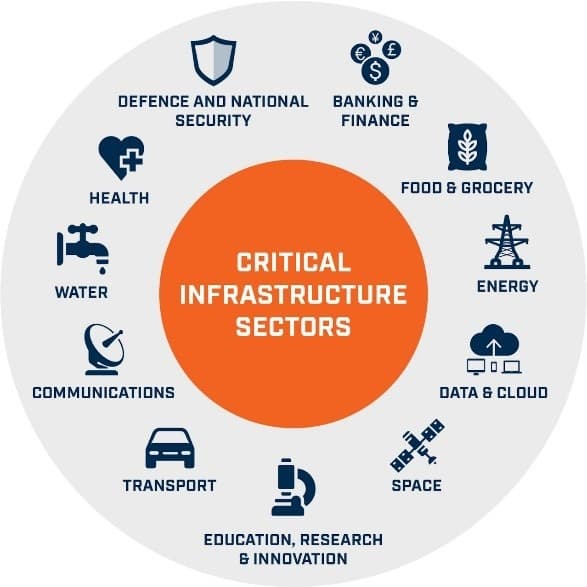
Protecting critical infrastructure requires a layered security approach that integrates physical, electronic, and operational measures. By combining perimeter security, surveillance, access control, and real-time monitoring, organizations can safeguard high-value assets against evolving threats, ensuring resilience, operational continuity, and national security.
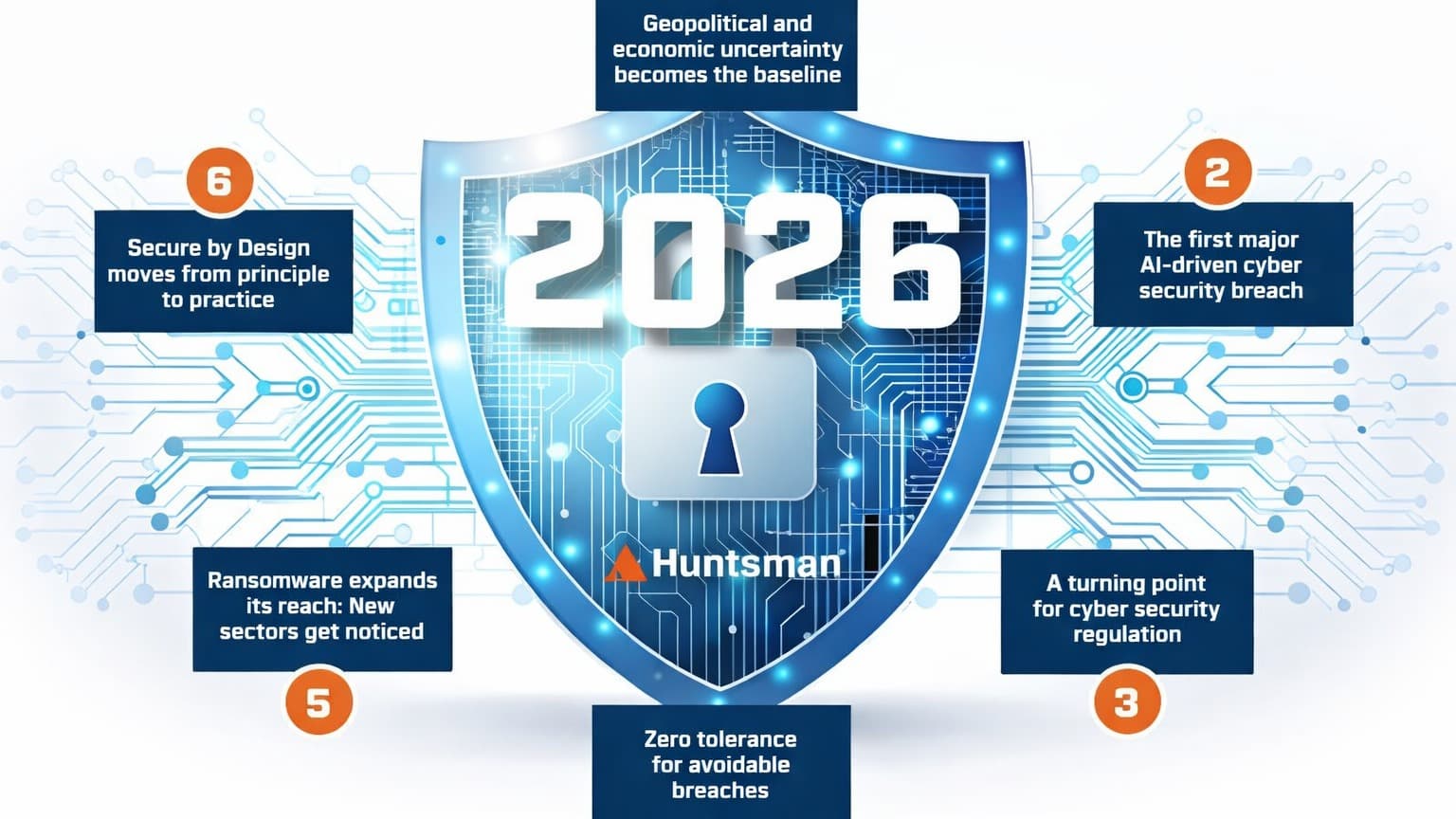
As security systems become increasingly digital and interconnected, the divide between physical security and cybersecurity has disappeared. Organizations must adopt converged security frameworks to address hybrid threats that exploit both domains, ensuring resilient protection of infrastructure, assets, operations, and people in today’s complex risk landscape.

Effective crisis response depends on structured incident management, clear communication, and trained decision-making. This article examines how security teams can prepare for, respond to, and recover from security incidents while minimizing operational disruption and reputational damage.
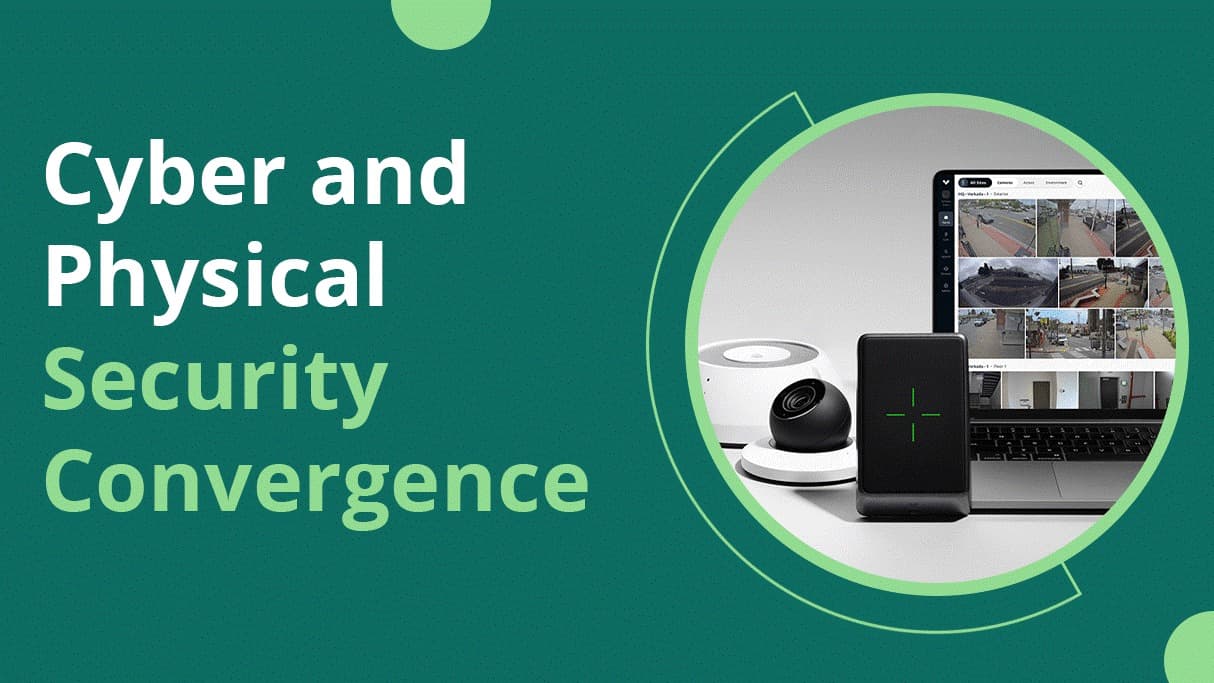
Converged security systems unify physical security and IT infrastructure into a single, intelligent framework. By integrating video surveillance, access control, alarms, and cybersecurity platforms, organizations achieve centralized visibility, faster incident response, and enhanced resilience against evolving physical and digital threats.
Artificial intelligence has transformed video surveillance from passive monitoring to proactive risk detection. While AI-driven analytics improve situational awareness and operational efficiency, organizations must address governance, privacy, and cybersecurity challenges to ensure ethical, compliant, and effective deployment of intelligent surveillance systems.

Modern supply chains rely on extensive third-party networks, making organizations increasingly vulnerable to security breaches beyond their direct control. End-to-end supply chain security focuses on visibility, risk governance, and coordinated protection across vendors, logistics partners, and digital platforms to ensure resilience and operational continuity.

As India accelerates toward electric mobility, securing EV charging infrastructure has become critical. From data theft and cyberattacks to equipment tampering and fire risks, EV charging networks face emerging threats. Robust cybersecurity, physical protection, and smart system design are essential to ensure safe, reliable, and resilient electric vehicle operations.

5G is revolutionizing the world of security with ultra-fast data transfer, low latency, and massive connectivity. From real-time surveillance to IoT-enabled alarms and autonomous patrol systems, the next generation of networks is transforming how organizations monitor, detect, and respond to threats across India’s growing smart infrastructure.