


Effective crisis response depends on structured incident management, clear communication, and trained decision-making. This article examines how security teams can prepare for, respond to, and recover from security incidents while minimizing operational disruption and reputational damage.

Security incidents can escalate rapidly, causing operational shutdowns, financial losses, and reputational harm. From physical intrusions and workplace violence to large-scale emergencies and coordinated threats, organizations must be prepared to respond decisively. A well-structured crisis response and incident management framework is essential for effective security operations.
The foundation of crisis management lies in preparedness and planning. Organizations must identify potential threat scenarios and assess their likelihood and impact. Risk-based planning ensures that response strategies are aligned with real-world threats rather than theoretical assumptions.
An incident management structure defines roles and responsibilities during a crisis. Clear command hierarchy prevents confusion and ensures timely decision-making. Incident commanders, communication leads, and response teams must understand their authority and responsibilities before an incident occurs.
Early detection and situational awareness are critical. Integrated security systems provide real-time information that enables security teams to assess threats quickly. Accurate information reduces response delays and prevents escalation caused by misinformation or panic.
Communication is one of the most critical elements of crisis response. Internal communication ensures that employees receive clear instructions, while external communication manages interactions with emergency services, regulators, and the public. Pre-approved communication protocols reduce the risk of inconsistent or misleading messages.
Response actions must be guided by Standard Operating Procedures (SOPs). These procedures outline steps for containment, evacuation, lockdown, and coordination with emergency responders. Regular drills and tabletop exercises ensure that teams can execute SOPs effectively under pressure.
Coordination with external agencies enhances response capability. Security teams must maintain strong relationships with local law enforcement, fire services, and medical responders. Familiarity with facility layouts and access points improves response speed and effectiveness during emergencies.
Technology supports incident management through real-time alerts, command dashboards, and incident logging tools. These systems improve decision-making and provide documentation for post-incident analysis and compliance requirements.
Post-incident recovery is often overlooked but equally important. Recovery planning focuses on restoring normal operations, supporting affected personnel, and addressing system or procedural gaps identified during the incident. Psychological support and counseling may also be necessary following traumatic events.
Continuous improvement is achieved through after-action reviews. Lessons learned from incidents and drills should be documented and used to update plans, training programs, and system configurations. This feedback loop strengthens resilience over time.
In the Indian security environment, crisis response planning must account for infrastructure limitations, workforce diversity, and regulatory requirements. Tailoring response frameworks to local conditions ensures practical and effective execution.
In conclusion, effective crisis response and incident management require preparation, coordination, and disciplined execution. Organizations that invest in structured response frameworks enhance their ability to protect people, assets, and operations during security emergencies.

Electric fencing strengthens perimeter security by deterring unauthorized access, detecting intrusion attempts, and integrating with CCTV, alarms, and security teams to create a proactive, layered defense system.
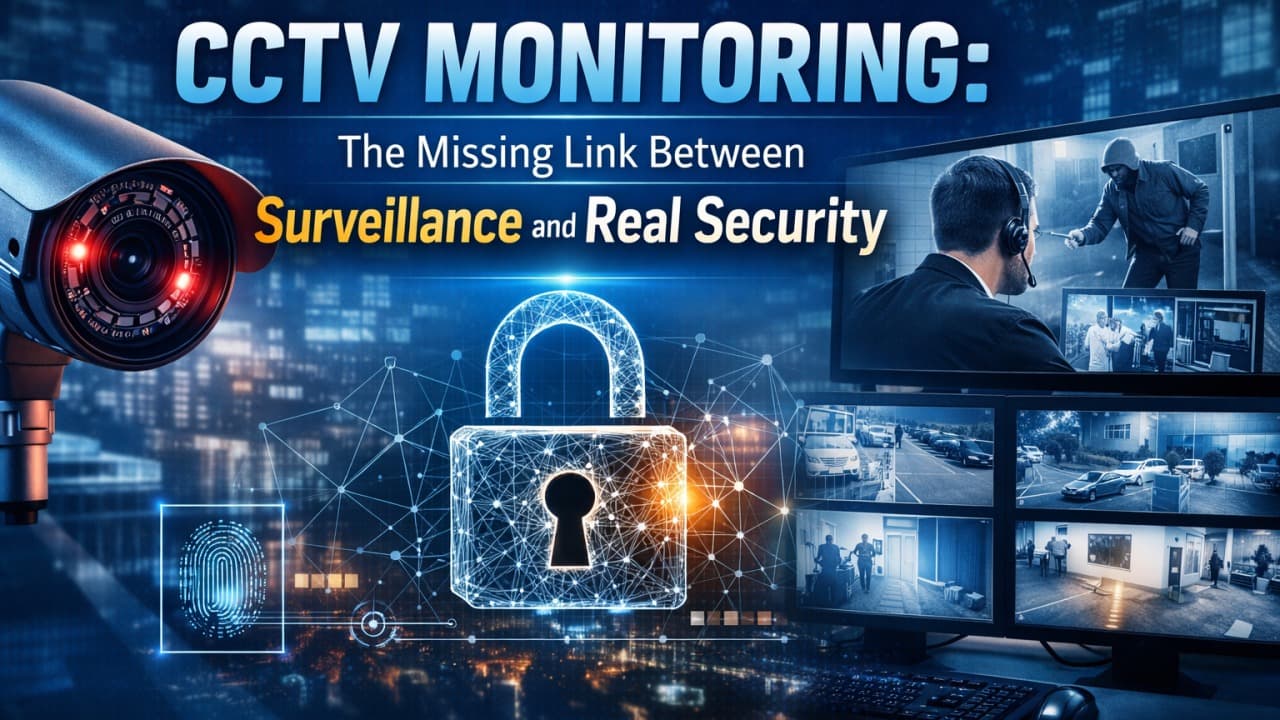
CCTV surveillance is a critical component of modern security systems, providing real-time monitoring, deterrence, and evidence collection. When properly planned and maintained, CCTV helps prevent unauthorized access, detect suspicious activity, and support investigations. However, effectiveness depends on camera placement, monitoring quality, system integration, and regular maintenance.
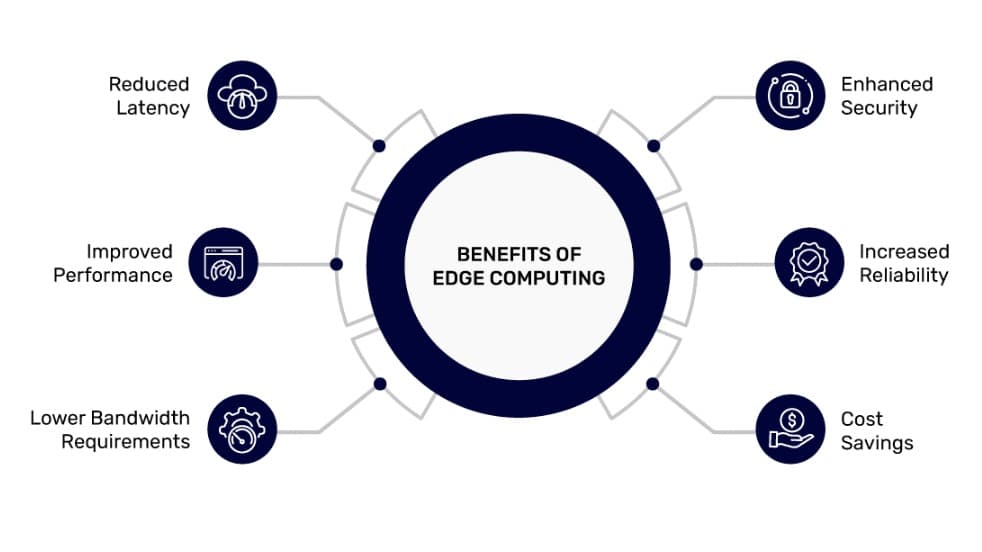
Edge computing is transforming security systems by enabling real-time data processing at the source. By reducing latency, minimizing bandwidth usage, and enabling faster decision-making, edge-based security solutions enhance surveillance efficiency, improve threat response, and support scalable, intelligent security infrastructure across modern enterprises and critical environments.