


As security systems become increasingly digital and interconnected, the divide between physical security and cybersecurity has disappeared. Organizations must adopt converged security frameworks to address hybrid threats that exploit both domains, ensuring resilient protection of infrastructure, assets, operations, and people in today’s complex risk landscape.

In 2026, the traditional separation between physical security and cybersecurity is no longer sustainable. Organizations across industries are operating within increasingly interconnected environments where access control systems, surveillance networks, building management systems, and industrial controls are all integrated through digital infrastructure. As a result, physical and cyber risks have converged, creating hybrid threat environments that demand a unified and highly disciplined security strategy.
Historically, physical security teams focused on perimeter protection, guards, CCTV monitoring, and access management, while IT departments handled firewalls, data protection, and network defense. Today, however, IP-based cameras, cloud-managed access control systems, biometric authentication devices, and IoT-enabled sensors are connected to enterprise networks. Any cyber compromise of these systems can directly translate into physical vulnerabilities. A manipulated surveillance feed, unauthorized remote unlocking of secure doors, or malware affecting alarm systems can enable real-world intrusions and operational disruption.
Hybrid threats now represent one of the most significant enterprise security risks. Attackers no longer target only data; they aim to disrupt operations, compromise infrastructure, and exploit interdependencies between digital systems and physical assets. Industrial facilities, logistics hubs, healthcare institutions, and corporate campuses are particularly exposed due to the scale of connected devices and operational technology environments. A breach in operational technology networks can halt production, disable safety systems, or interfere with environmental controls, demonstrating how cyber incidents can escalate into physical crises.
The acceleration of digital transformation has intensified this exposure. Many organizations are replacing legacy analog systems with IP-based and cloud-connected platforms without fully hardening them against cyber intrusion. Remote monitoring through centralized Security Operations Centers has improved oversight efficiency but expanded the attack surface. Meanwhile, rapid deployment of IoT devices in facilities has introduced endpoints that often lack rigorous security configuration. Every connected device must now be treated as a potential entry point into the broader enterprise ecosystem.
Addressing this convergence requires integrated governance. Security leadership must ensure that physical and cybersecurity functions operate within a coordinated risk management framework. While structural mergers of departments are not always necessary, reporting lines, strategic planning, and incident response protocols must align. Comprehensive asset mapping is essential to identify all network-connected security devices, including cameras, access control panels, alarm systems, visitor management platforms, and biometric units. Each asset should be subject to vulnerability assessment, patch management, and continuous monitoring.
Zero Trust principles, traditionally applied to IT networks, must extend to physical security infrastructure. Device authentication, strict access controls, network segmentation, and continuous behavioral monitoring are critical safeguards. Organizations should isolate physical security systems from core business networks to prevent lateral movement during a cyber intrusion. Furthermore, incident response planning must be integrated. A cyber alert affecting access control should immediately trigger physical security verification procedures, and physical anomalies should prompt cybersecurity investigation. Joint simulation exercises enhance readiness and reduce response gaps.
Operational technology environments add further complexity. Building Management Systems, HVAC controls, power distribution systems, and industrial automation networks often interface with enterprise IT systems. If compromised, these systems can disrupt climate control, halt production lines, or disable essential safety mechanisms. Routine cybersecurity audits of OT environments, coupled with physical risk assessments, are necessary to maintain operational resilience.
The human factor remains decisive in converged security environments. Security administrators are potential phishing targets, and employees may inadvertently bypass physical controls through practices such as tailgating. Awareness programs must integrate both cyber hygiene and physical vigilance. Employees should understand that unusual system behavior, unauthorized access attempts, or irregular device activity must be reported promptly.
Vendor risk management is equally critical. Third-party integrators, remote monitoring providers, and system maintenance contractors often require network access. Each external connection introduces exposure. Organizations must implement strict access controls, enforce multi-factor authentication, conduct vendor security assessments, and incorporate cybersecurity clauses into contracts. Supply chain security now plays a central role in protecting both digital and physical assets.
Performance metrics must also evolve. Measuring incident counts alone does not reflect maturity in hybrid threat management. Organizations should monitor patch compliance rates for connected security devices, mean time to detect and respond to cross-domain incidents, effectiveness of network segmentation, and frequency of joint physical-cyber response exercises. These indicators provide meaningful insight into system resilience.
Ultimately, security convergence is not a technological trend but a strategic imperative. As organizations continue to digitize operations, the boundary between cyber and physical domains will further dissolve. Effective protection requires integration, leadership commitment, disciplined governance, and continuous risk assessment. In the modern enterprise landscape, a cyber breach can unlock physical doors, and a physical intrusion can exploit digital vulnerabilities. Security excellence in 2026 depends on recognizing and managing this interdependence with precision and foresight.

Electric fencing strengthens perimeter security by deterring unauthorized access, detecting intrusion attempts, and integrating with CCTV, alarms, and security teams to create a proactive, layered defense system.
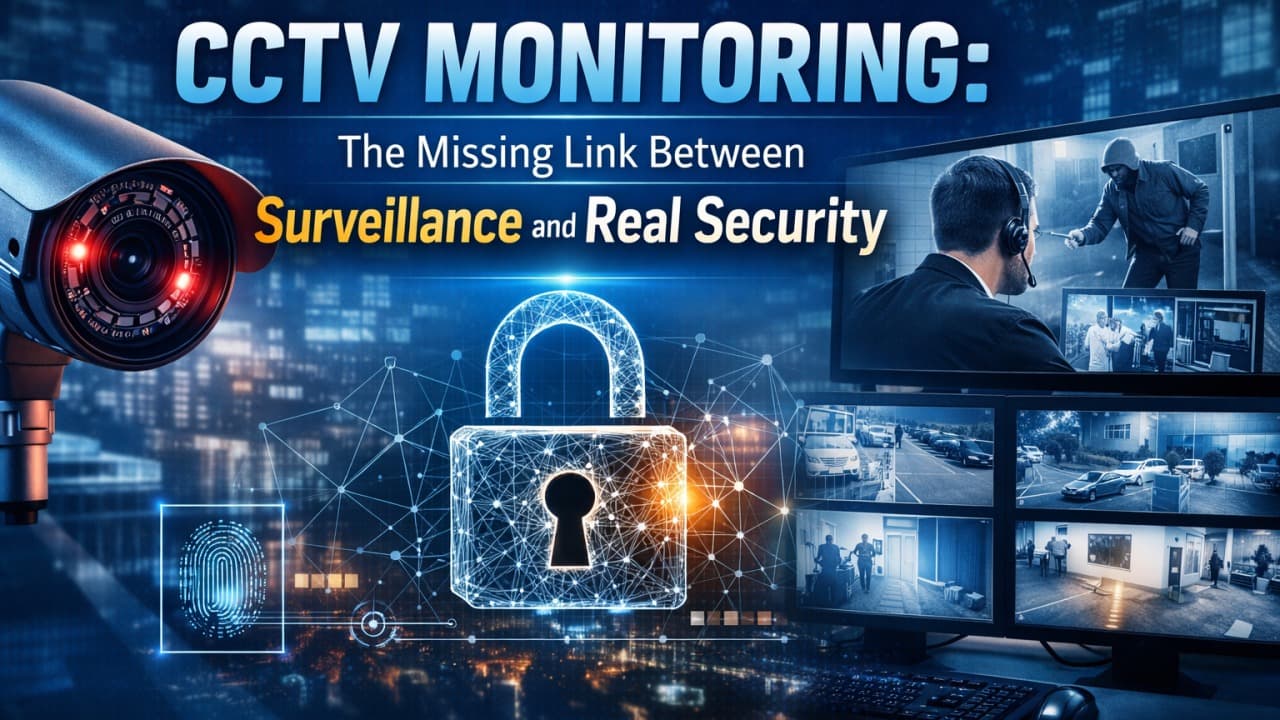
CCTV surveillance is a critical component of modern security systems, providing real-time monitoring, deterrence, and evidence collection. When properly planned and maintained, CCTV helps prevent unauthorized access, detect suspicious activity, and support investigations. However, effectiveness depends on camera placement, monitoring quality, system integration, and regular maintenance.
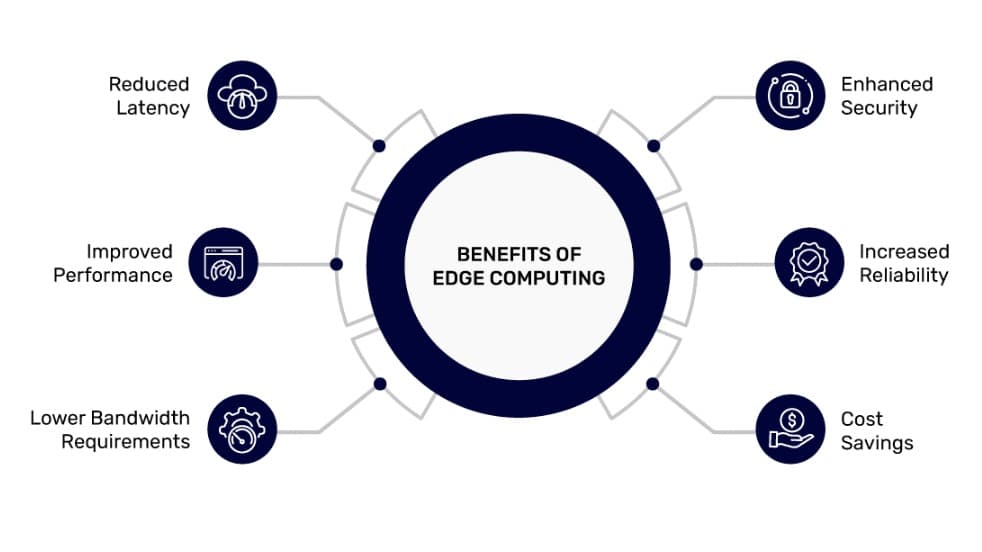
Edge computing is transforming security systems by enabling real-time data processing at the source. By reducing latency, minimizing bandwidth usage, and enabling faster decision-making, edge-based security solutions enhance surveillance efficiency, improve threat response, and support scalable, intelligent security infrastructure across modern enterprises and critical environments.