


Edge computing is transforming security systems by enabling real-time data processing at the source. By reducing latency, minimizing bandwidth usage, and enabling faster decision-making, edge-based security solutions enhance surveillance efficiency, improve threat response, and support scalable, intelligent security infrastructure across modern enterprises and critical environments.
As security systems become increasingly data-intensive and reliant on real-time decision-making, the limitations of traditional centralized processing models are becoming more evident. In conventional architectures, data from surveillance cameras, sensors, and access control systems is transmitted to centralized servers or cloud platforms for processing. While effective, this approach often introduces latency, bandwidth constraints, and potential points of failure. Edge computing is emerging as a transformative solution to these challenges, enabling faster, more efficient, and decentralized security operations.
Edge computing refers to the practice of processing data closer to its source at or near the device level rather than relying solely on centralized data centers. In the context of security systems, this means that cameras, sensors, and other field devices are equipped with processing capabilities that allow them to analyze data locally. This shift significantly reduces the time required to detect and respond to security events, making it particularly valuable in scenarios where immediate action is critical.
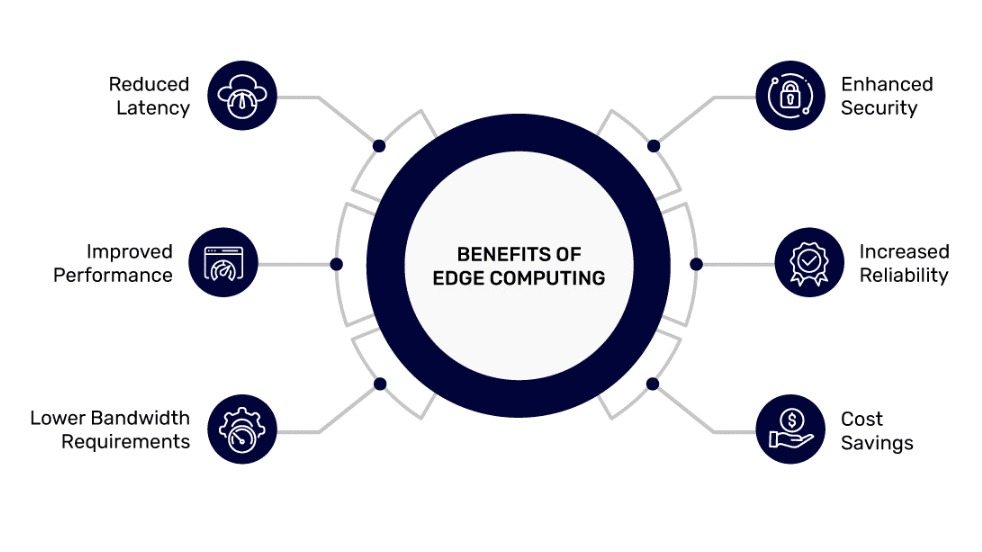
One of the most significant advantages of edge computing in security systems is the reduction of latency. In high-risk environments such as airports, industrial facilities, and smart cities, even a few seconds of delay in detecting a threat can have serious consequences. By processing data at the edge, security systems can identify incidents in real time and trigger immediate responses, such as activating alarms, locking access points, or alerting security personnel.
Bandwidth optimization is another key benefit of edge computing. Traditional surveillance systems generate massive amounts of video data, much of which may not be relevant for analysis. Transmitting all this data to centralized servers can strain network resources and increase operational costs. Edge-based systems address this issue by filtering and processing data locally, transmitting only critical information or alerts to central systems. This not only reduces bandwidth usage but also improves overall system efficiency.
Edge computing also enhances the scalability of security systems. As organizations expand their operations and deploy additional devices, centralized systems may struggle to handle the increased data load. Edge-based architectures distribute processing across multiple devices, allowing the system to scale more effectively without overloading central infrastructure. This is particularly beneficial for large-scale deployments such as smart cities, transportation networks, and industrial complexes.
The integration of artificial intelligence (AI) with edge computing is further amplifying its impact on security systems. AI-powered edge devices can perform advanced analytics such as facial recognition, object detection, and behavior analysis in real time. For example, a smart camera equipped with edge AI can detect suspicious activity, such as loitering or unauthorized access, and generate an alert instantly without needing to send the video feed to a central server for analysis. This combination of AI and edge computing enables faster and more accurate threat detection.
Reliability is another critical advantage of edge computing. In centralized systems, network disruptions or server failures can impact the entire security infrastructure. Edge-based systems, on the other hand, can continue to operate independently even if connectivity to the central server is lost. This ensures uninterrupted security monitoring and response, which is essential in mission-critical environments.
Data privacy and security are also enhanced through edge computing. By processing sensitive data locally, organizations can reduce the risk of data breaches associated with transmitting information over networks. This is particularly important in applications involving personal data, such as facial recognition and identity verification. Localized processing allows organizations to maintain greater control over data and comply with privacy regulations.
Despite its advantages, implementing edge computing in security systems requires careful planning and consideration. One of the primary challenges is the need for advanced hardware capable of handling processing tasks at the device level. Edge devices must be equipped with sufficient computational power, memory, and storage to perform analytics effectively. This can increase initial costs, although the long-term benefits often justify the investment.
Another challenge is system integration. Organizations must ensure that edge devices can seamlessly communicate with existing security systems, including video management systems (VMS), access control platforms, and centralized monitoring solutions. Interoperability and standardization are critical to achieving a cohesive and efficient security ecosystem.
Maintenance and management of distributed edge devices can also be complex. Unlike centralized systems, where updates and maintenance can be performed in one location, edge-based systems require remote management capabilities to ensure that all devices are functioning correctly and running the latest software. Advanced device management platforms are essential to address this challenge.
Cybersecurity remains a key concern in edge computing environments. While local processing reduces certain risks, edge devices themselves can become targets for cyberattacks. Securing these devices through encryption, authentication, and regular updates is essential to protect the overall system.
The adoption of edge computing is also influenced by regulatory and organizational considerations. As with any advanced technology, compliance with industry standards and regulations is essential. Organizations must also evaluate their operational requirements and risk profiles to determine the most suitable deployment strategy.
Looking ahead, the role of edge computing in security systems is expected to grow significantly. Advances in hardware, AI, and connectivity technologies such as 5G will further enhance the capabilities of edge-based solutions. These developments will enable more sophisticated analytics, faster response times, and greater integration with other smart systems.
In conclusion, edge computing is revolutionizing the way security systems operate by bringing intelligence closer to the source of data. By reducing latency, optimizing bandwidth, and enabling real-time decision-making, edge-based solutions are enhancing the effectiveness and efficiency of modern security infrastructure. As organizations continue to face evolving security challenges, the adoption of edge computing will play a crucial role in building resilient, scalable, and intelligent security systems.

Electric fencing strengthens perimeter security by deterring unauthorized access, detecting intrusion attempts, and integrating with CCTV, alarms, and security teams to create a proactive, layered defense system.

CCTV surveillance is a critical component of modern security systems, providing real-time monitoring, deterrence, and evidence collection. When properly planned and maintained, CCTV helps prevent unauthorized access, detect suspicious activity, and support investigations. However, effectiveness depends on camera placement, monitoring quality, system integration, and regular maintenance.
Identity and Access Management (IAM) is redefining physical security by ensuring that the right individuals have access to the right places at the right time. By integrating identity governance with physical systems, organizations can enhance security, streamline operations, and achieve greater control over access across complex infrastructures.