


Identity and Access Management (IAM) is redefining physical security by ensuring that the right individuals have access to the right places at the right time. By integrating identity governance with physical systems, organizations can enhance security, streamline operations, and achieve greater control over access across complex infrastructures.

In today’s interconnected world, the boundaries between physical and digital security are rapidly dissolving. As organizations adopt smarter infrastructure and integrated technologies, the need for a unified approach to managing identities and access has become critical. Identity and Access Management (IAM), traditionally associated with cybersecurity, is now playing a central role in physical security ecosystems, ensuring that only authorized individuals can access specific locations, assets, and systems.
At its core, IAM is about managing digital identities and controlling access based on defined policies. When applied to physical security, IAM extends this concept to include entry points such as doors, gates, elevators, and restricted zones. It ensures that access privileges are assigned based on roles, responsibilities, and organizational hierarchy, rather than static credentials or manual processes. This dynamic and policy-driven approach significantly enhances both security and operational efficiency.
One of the key drivers for adopting IAM in physical security is the increasing complexity of modern organizations. Large enterprises, corporate campuses, data centers, and critical infrastructure facilities often have thousands of employees, contractors, and visitors requiring different levels of access. Managing access manually in such environments is not only inefficient but also prone to errors and security gaps. IAM systems automate the entire lifecycle of identity management from onboarding and role assignment to access provisioning and deactivation ensuring consistent and secure access control.
A fundamental component of IAM is identity governance. This involves defining and enforcing policies that determine who can access what, when, and under what conditions. For example, an employee in the IT department may have access to server rooms, while a visitor may be restricted to specific areas for a limited time. These policies are enforced automatically through integration with access control systems, reducing the risk of unauthorized access.
Modern IAM systems also support multi-factor authentication (MFA), which adds an additional layer of security by requiring users to verify their identity using multiple credentials. In physical security, this can include combinations of access cards, biometric authentication (such as fingerprint or facial recognition), and mobile-based credentials. MFA significantly reduces the risk of credential theft or misuse, making it a critical component of high-security environments.
Integration is a key strength of IAM in physical security ecosystems. By connecting IAM platforms with access control systems, video surveillance, and visitor management systems, organizations can achieve a holistic view of security operations. For instance, when an employee’s access rights are updated in the IAM system, the changes are automatically reflected across all connected systems. Similarly, access events can be correlated with video footage, providing a comprehensive audit trail for security analysis.
Another important aspect of IAM is the concept of role-based access control (RBAC). Instead of assigning access rights individually, permissions are granted based on predefined roles within the organization. This simplifies access management and ensures consistency across similar job functions. For example, all employees in a particular department can be assigned the same access privileges, which can be updated centrally as roles evolve.
In addition to RBAC, advanced IAM systems are now incorporating attribute-based access control (ABAC), which considers additional factors such as time, location, and context. For example, access to certain areas may be restricted outside working hours or granted only when specific conditions are met. This contextual approach enhances security by adapting access controls to real-time scenarios.
The rise of mobile and cloud technologies has further transformed IAM in physical security. Mobile credentials allow users to access facilities using smartphones, eliminating the need for physical access cards. Cloud-based IAM solutions enable centralized management of access across multiple locations, making them ideal for organizations with distributed operations. These technologies not only improve convenience but also enhance security through real-time updates and monitoring.
Despite its benefits, implementing IAM in physical security requires careful planning and coordination. Integration with legacy systems can be challenging, and organizations must ensure compatibility between different technologies. Data privacy is another critical consideration, especially when dealing with biometric information. Compliance with regulations and implementation of robust data protection measures are essential to maintain trust and avoid legal issues.
Cybersecurity also plays a crucial role in IAM systems. As these systems are often connected to networks and cloud platforms, they are potential targets for cyberattacks. Protecting identity data, securing communication channels, and implementing strong authentication mechanisms are essential to safeguard the system.
Training and awareness are equally important for successful IAM implementation. Employees and stakeholders must understand the importance of access control policies and follow best practices to prevent security breaches. Regular audits and reviews help ensure that access rights remain aligned with organizational roles and responsibilities.
Looking ahead, the future of IAM in physical security is closely linked with advancements in artificial intelligence and analytics. Intelligent IAM systems can analyze user behavior, detect anomalies, and automatically adjust access privileges based on risk levels. For example, if unusual access patterns are detected, the system can trigger alerts or temporarily restrict access until the issue is investigated.
In conclusion, Identity and Access Management is becoming a cornerstone of modern physical security ecosystems. By integrating identity governance with access control technologies, organizations can achieve a higher level of security, efficiency, and accountability. As threats become more sophisticated and infrastructure more complex, IAM will continue to play a vital role in ensuring that access is controlled, monitored, and aligned with organizational objectives.

Electric fencing strengthens perimeter security by deterring unauthorized access, detecting intrusion attempts, and integrating with CCTV, alarms, and security teams to create a proactive, layered defense system.
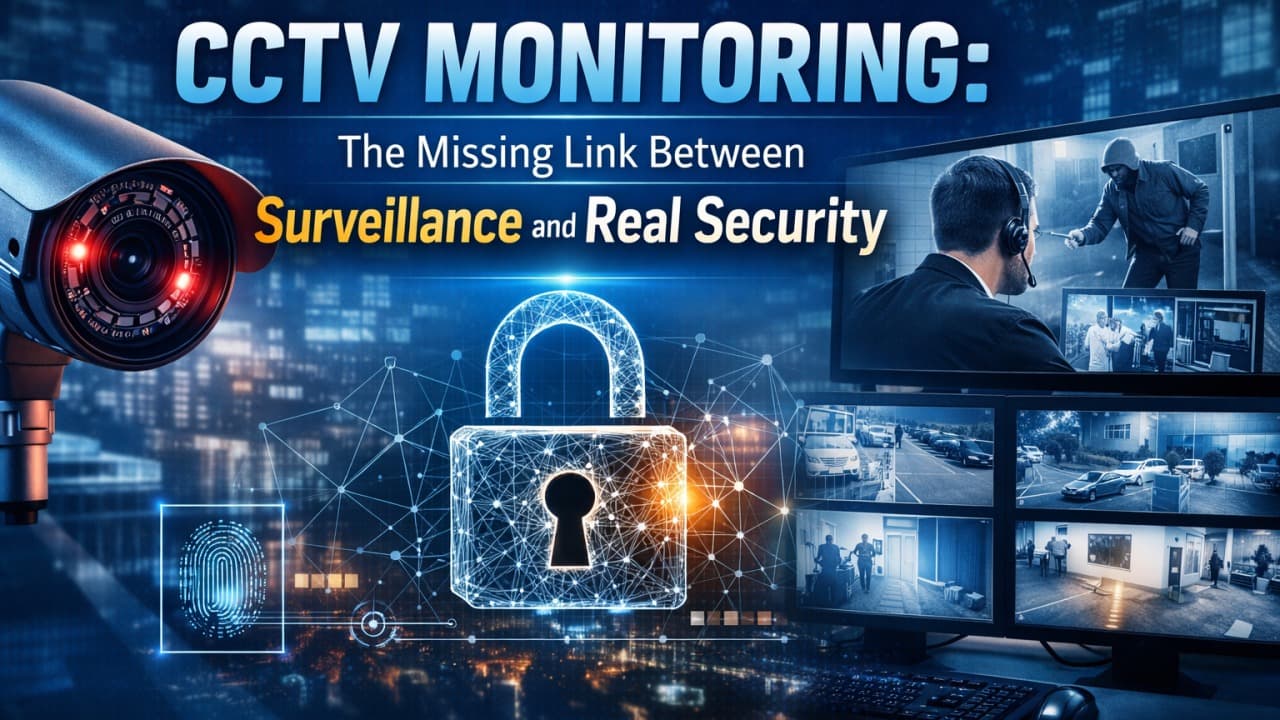
CCTV surveillance is a critical component of modern security systems, providing real-time monitoring, deterrence, and evidence collection. When properly planned and maintained, CCTV helps prevent unauthorized access, detect suspicious activity, and support investigations. However, effectiveness depends on camera placement, monitoring quality, system integration, and regular maintenance.
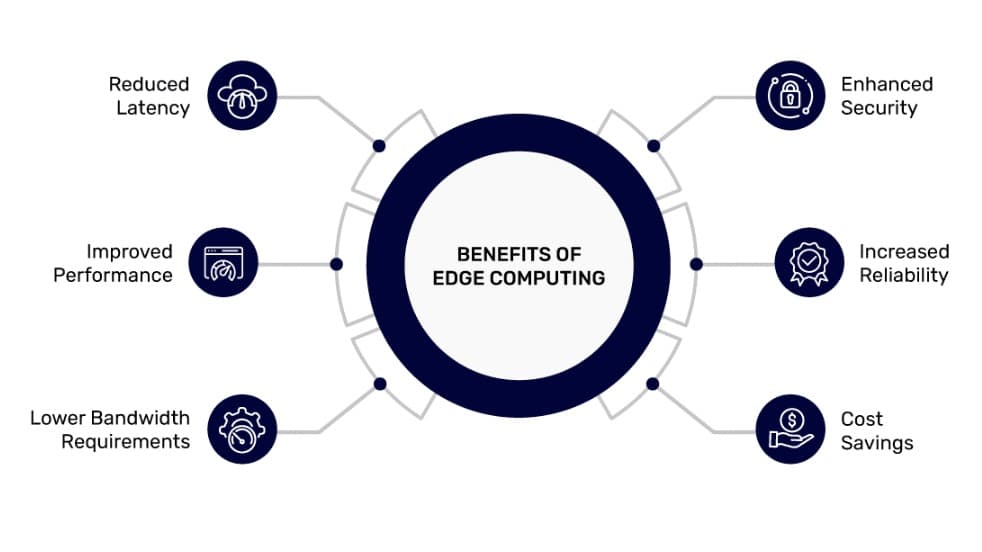
Edge computing is transforming security systems by enabling real-time data processing at the source. By reducing latency, minimizing bandwidth usage, and enabling faster decision-making, edge-based security solutions enhance surveillance efficiency, improve threat response, and support scalable, intelligent security infrastructure across modern enterprises and critical environments.