


Protecting critical infrastructure requires a layered security approach that integrates physical, electronic, and operational measures. By combining perimeter security, surveillance, access control, and real-time monitoring, organizations can safeguard high-value assets against evolving threats, ensuring resilience, operational continuity, and national security.

Critical infrastructure forms the backbone of modern society, encompassing sectors such as power generation, oil and gas, transportation, telecommunications, water supply, and data centers. These assets are essential for economic stability, public safety, and national security. Any disruption whether due to natural disasters, accidents, or deliberate attacks can have far-reaching consequences. As a result, protecting critical infrastructure has become a top priority for governments and organizations worldwide.
One of the most effective approaches to safeguarding such assets is the implementation of layered security strategies, often referred to as “defense in depth.” This concept involves deploying multiple levels of security measures, each designed to detect, delay, and respond to potential threats. By creating overlapping layers of protection, organizations can significantly reduce vulnerabilities and enhance their ability to respond to incidents.
The first layer of protection typically begins at the perimeter. Perimeter security is designed to deter and detect unauthorized access before it reaches critical assets. This includes physical barriers such as fences, walls, and gates, as well as advanced technologies like intrusion detection systems, fiber-optic sensors, thermal imaging cameras, and radar-based monitoring. These systems work together to provide early warning of potential threats, allowing security personnel to take immediate action.
Beyond the perimeter, access control systems form the next layer of defense. These systems regulate entry into facilities and restricted areas, ensuring that only authorized individuals can gain access. Modern access control solutions incorporate technologies such as biometric authentication, smart cards, and mobile credentials. Integration with Identity and Access Management (IAM) systems further enhances security by aligning access privileges with organizational roles and policies.
Surveillance systems play a critical role in monitoring activities across the infrastructure. High-definition cameras, combined with advanced video analytics, enable real-time detection of suspicious behavior, unauthorized movement, and security breaches. Deep learning-based analytics can identify patterns, track individuals, and even predict potential threats based on behavioral anomalies. This proactive approach allows security teams to intervene before incidents escalate.
Another essential component of layered security is intrusion detection within the facility. Internal sensors, motion detectors, and alarm systems provide an additional level of protection by identifying unauthorized activity within restricted zones. These systems are particularly important in high-risk areas such as control rooms, storage facilities, and sensitive operational zones.
Command and control centers, often referred to as Security Operations Centers (SOC), serve as the central hub for monitoring and managing all security systems. By integrating data from various sources, SOCs provide a comprehensive view of the security landscape. Operators can analyze real-time information, coordinate responses, and communicate with field personnel and external agencies. This centralized approach enhances situational awareness and improves response efficiency.
Cybersecurity is an increasingly important aspect of critical infrastructure protection. As physical systems become more connected through digital networks, they are vulnerable to cyber threats that can disrupt operations or compromise sensitive data. Integrating cybersecurity measures with physical security systems is essential to protect against such risks. This includes securing communication networks, implementing encryption, and monitoring for cyber intrusions.
Resilience and redundancy are key considerations in protecting critical infrastructure. Systems must be designed to continue functioning even in the event of failures or attacks. This involves implementing backup power supplies, redundant communication systems, and fail-safe mechanisms. Regular testing and maintenance ensure that these systems are operational when needed.
Risk assessment is a fundamental step in developing a layered security strategy. Organizations must identify potential threats, evaluate vulnerabilities, and assess the impact of different scenarios. This information is used to design security measures that are tailored to specific risks and operational requirements. A one-size-fits-all approach is not effective for critical infrastructure, as each facility has unique challenges and priorities.
Training and preparedness are equally important in ensuring effective security. Personnel must be trained to respond to various types of incidents, including physical breaches, cyberattacks, and emergency situations. Regular drills and simulations help improve response capabilities and ensure coordination between different teams and agencies.
Regulatory compliance plays a significant role in critical infrastructure protection. Governments and international bodies have established guidelines and standards to ensure minimum security requirements are met. Compliance with these standards not only enhances security but also builds trust among stakeholders and the public.
Despite the implementation of advanced technologies, human factors remain a critical element in security. Insider threats, negligence, and lack of awareness can undermine even the most sophisticated systems. Organizations must foster a culture of security awareness, ensuring that all personnel understand their roles and responsibilities in maintaining safety.
The integration of emerging technologies is further strengthening layered security strategies. Artificial Intelligence (AI), Internet of Things (IoT), and edge computing are enabling smarter and more responsive systems. For example, AI can analyze large volumes of data to detect patterns and anomalies, while IoT devices provide real-time insights into environmental and operational conditions.
In conclusion, protecting critical infrastructure requires a comprehensive and layered approach that combines physical security, electronic systems, and operational strategies. By implementing multiple levels of defense, organizations can effectively mitigate risks, enhance resilience, and ensure the continuity of essential services. As threats continue to evolve, the adoption of advanced technologies and integrated security solutions will be crucial in safeguarding high-value assets and maintaining public safety.
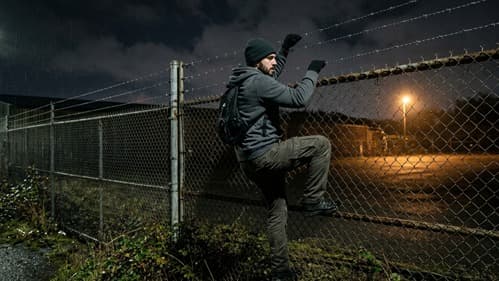
Electric fencing strengthens perimeter security by deterring unauthorized access, detecting intrusion attempts, and integrating with CCTV, alarms, and security teams to create a proactive, layered defense system.
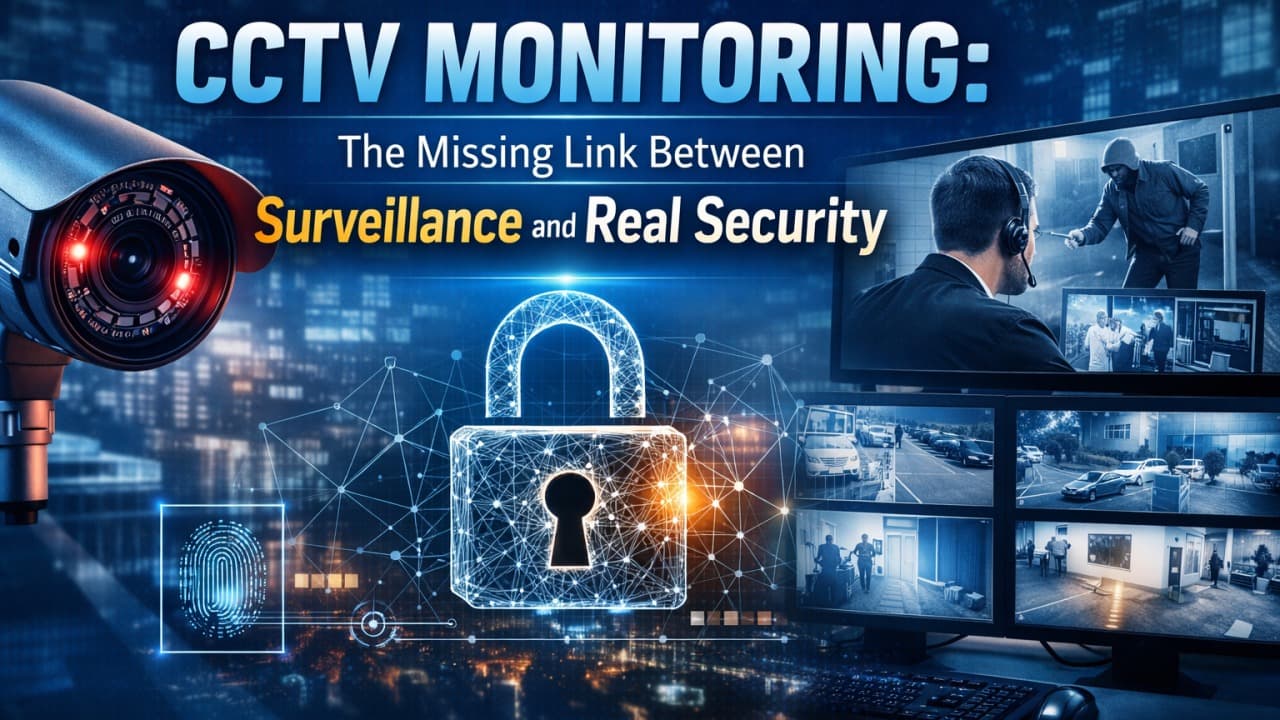
CCTV surveillance is a critical component of modern security systems, providing real-time monitoring, deterrence, and evidence collection. When properly planned and maintained, CCTV helps prevent unauthorized access, detect suspicious activity, and support investigations. However, effectiveness depends on camera placement, monitoring quality, system integration, and regular maintenance.
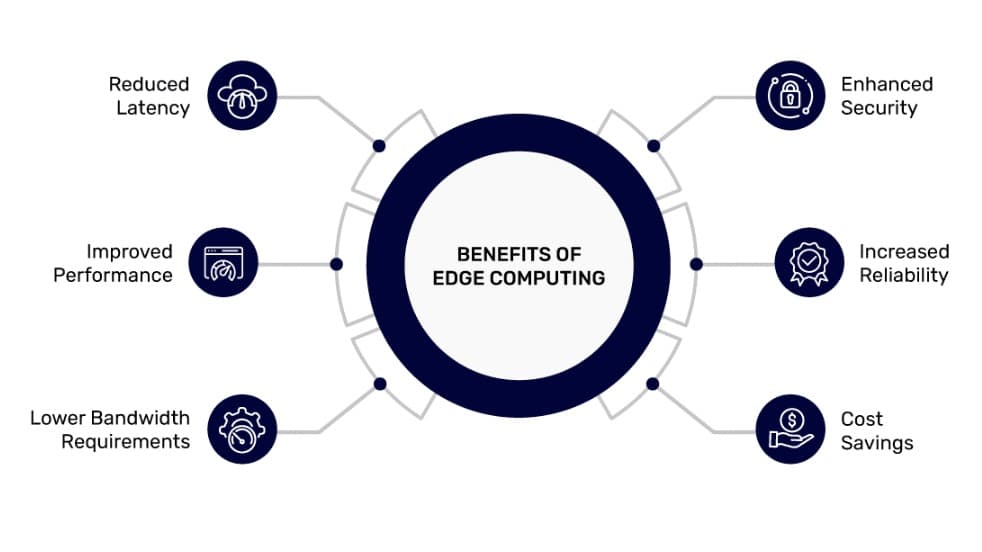
Edge computing is transforming security systems by enabling real-time data processing at the source. By reducing latency, minimizing bandwidth usage, and enabling faster decision-making, edge-based security solutions enhance surveillance efficiency, improve threat response, and support scalable, intelligent security infrastructure across modern enterprises and critical environments.