


Converged security systems unify physical security and IT infrastructure into a single, intelligent framework. By integrating video surveillance, access control, alarms, and cybersecurity platforms, organizations achieve centralized visibility, faster incident response, and enhanced resilience against evolving physical and digital threats.

Security risks today are no longer limited to physical intrusions or isolated incidents. Modern threats increasingly exploit the intersection between physical access and digital systems. As organizations adopt smart buildings, cloud platforms, and connected devices, the traditional separation between physical security and IT security has become ineffective. Converged security systems address this challenge by integrating physical security technologies with enterprise IT infrastructure, enabling a unified and proactive security approach.
Understanding Security Convergence
Security convergence refers to the integration of physical security systems such as access control, video surveillance, intrusion detection, and fire alarms with IT networks, data platforms, and cybersecurity tools. Rather than operating in silos, these systems share data, analytics, and command interfaces, allowing security teams to monitor, analyze, and respond to incidents holistically.
This convergence transforms security from a reactive function into a strategic business enabler, supporting risk management, compliance, and operational continuity.
Key Components of a Converged Security Architecture
A converged security ecosystem typically includes IP-based cameras, networked access control systems, centralized security management software, and secure IT infrastructure. These components operate on common communication protocols and are hosted on on-premise servers or cloud platforms.
Identity and Access Management (IAM) systems play a critical role by linking physical access credentials with digital identities. This ensures consistent authorization policies across physical and cyber environments, reducing vulnerabilities caused by disconnected systems.
Role of IT Infrastructure in Physical Security
Modern physical security systems rely heavily on IT infrastructure, including networks, servers, storage, and cloud services. High-resolution cameras, AI analytics, and real-time monitoring demand robust bandwidth, secure data storage, and reliable system uptime.
By aligning physical security with IT governance frameworks, organizations can apply cybersecurity best practices such as encryption, network segmentation, patch management, and role-based access control. This alignment significantly reduces the risk of system compromise and unauthorized data access.
Centralized Command and Control
One of the most significant benefits of converged security is centralized command and control. Security Operations Centers (SOCs) can monitor physical and digital threats through a unified dashboard, correlating events across systems. For example, an unauthorized access attempt can automatically trigger camera verification, alarm activation, and system lockdown procedures.
This level of integration improves situational awareness, reduces response time, and enables coordinated decision-making during emergencies.
Operational and Business Benefits
Beyond risk mitigation, converged security delivers measurable operational benefits. Centralized management reduces system redundancy, lowers maintenance costs, and simplifies vendor coordination. Automated workflows improve efficiency by minimizing manual intervention and human error.
From a business perspective, converged security supports regulatory compliance, audit readiness, and business continuity planning. It also enhances employee safety and confidence, particularly in smart offices, data centers, and critical infrastructure facilities.
Challenges and Implementation Considerations
While convergence offers clear advantages, implementation requires careful planning. Legacy systems, incompatible protocols, and organizational silos can pose challenges. Successful deployment depends on cross-functional collaboration between security, IT, facilities, and management teams.
Organizations must also address data privacy and compliance requirements, ensuring that integrated systems adhere to local regulations and industry standards. Vendor selection, system scalability, and future-proofing should be key considerations during design and procurement.
Future of Converged Security
As digital transformation accelerates, security convergence will continue to evolve. Emerging technologies such as AI analytics, cloud-based security platforms, and cyber-physical threat intelligence will further strengthen integrated security frameworks. Organizations that adopt converged security will be better positioned to manage complex risks and adapt to changing threat landscapes.
Conclusion
Converged security systems represent a critical shift in how organizations protect people, assets, and data. By integrating physical security with IT infrastructure, enterprises gain unified visibility, faster response capabilities, and stronger resilience against modern threats. In an increasingly connected world, security convergence is no longer optional it is a strategic necessity.

Electric fencing strengthens perimeter security by deterring unauthorized access, detecting intrusion attempts, and integrating with CCTV, alarms, and security teams to create a proactive, layered defense system.
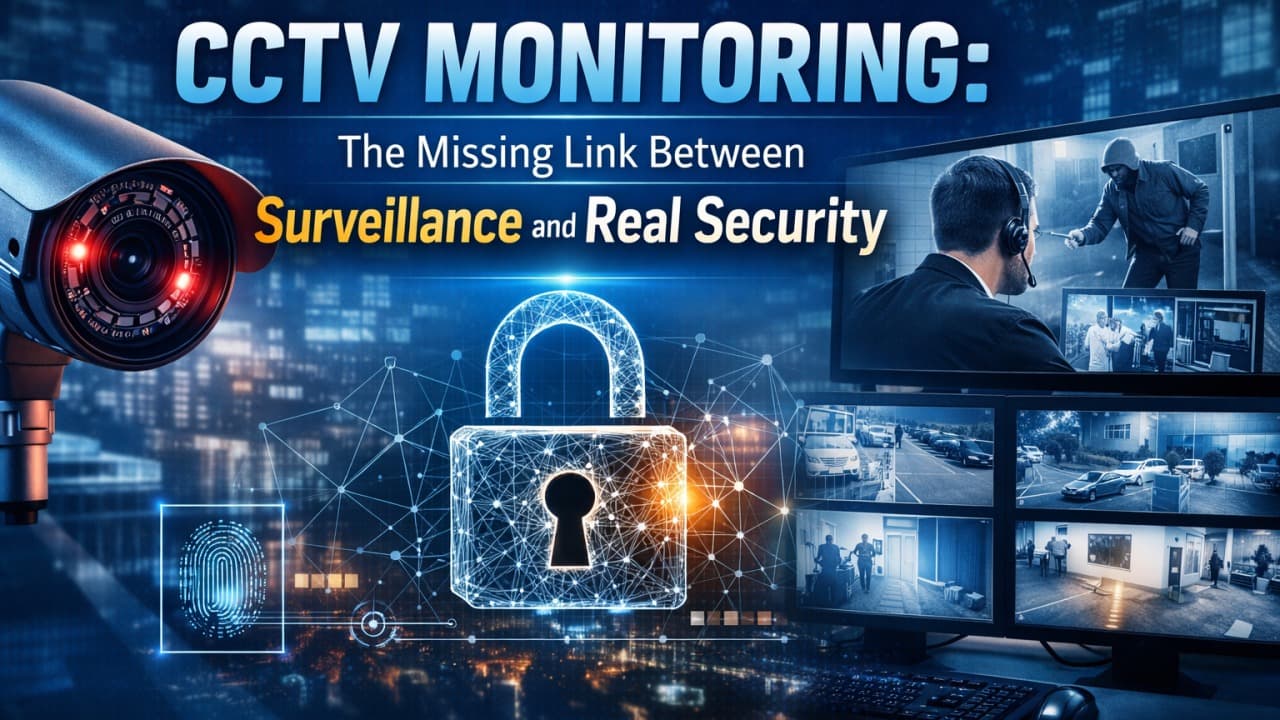
CCTV surveillance is a critical component of modern security systems, providing real-time monitoring, deterrence, and evidence collection. When properly planned and maintained, CCTV helps prevent unauthorized access, detect suspicious activity, and support investigations. However, effectiveness depends on camera placement, monitoring quality, system integration, and regular maintenance.
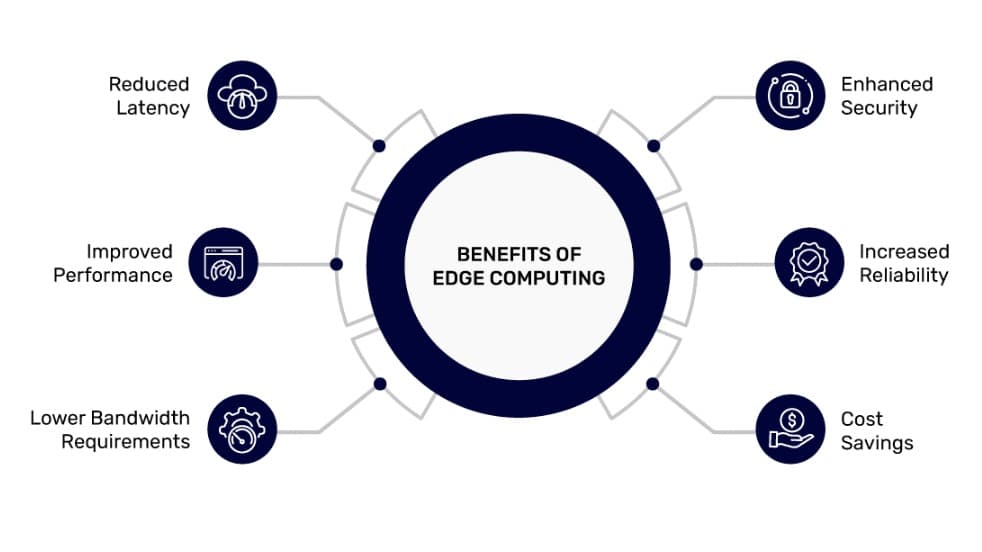
Edge computing is transforming security systems by enabling real-time data processing at the source. By reducing latency, minimizing bandwidth usage, and enabling faster decision-making, edge-based security solutions enhance surveillance efficiency, improve threat response, and support scalable, intelligent security infrastructure across modern enterprises and critical environments.