


Artificial intelligence has transformed video surveillance from passive monitoring to proactive risk detection. While AI-driven analytics improve situational awareness and operational efficiency, organizations must address governance, privacy, and cybersecurity challenges to ensure ethical, compliant, and effective deployment of intelligent surveillance systems.

Video surveillance has long been a fundamental element of physical security, traditionally serving as a tool for observation and post-incident investigation. Conventional systems relied heavily on human operators to monitor screens, identify suspicious activity, and respond to incidents. This approach was resource-intensive and prone to fatigue and human error. The introduction of artificial intelligence has fundamentally altered this model, shifting surveillance from reactive monitoring to proactive and predictive security.
AI-powered video surveillance systems use advanced algorithms to analyze live and recorded video streams in real time. Capabilities such as object detection, facial recognition, license plate recognition, and behavior analysis enable systems to identify potential threats automatically. Instead of passively recording events, modern surveillance platforms generate alerts when predefined conditions or anomalies are detected, significantly reducing response times and improving security outcomes.
One of the most significant advantages of AI in surveillance is enhanced situational awareness. AI systems can monitor vast areas simultaneously, identifying patterns that would be difficult for human operators to detect. For example, unusual crowd behavior, unauthorized access, loitering in restricted zones, or abandoned objects can be flagged instantly. This proactive detection allows security teams to intervene before incidents escalate into serious threats.
Beyond security, AI-driven surveillance is increasingly used for operational intelligence. Retail environments use video analytics to understand customer movement and improve store layouts. Manufacturing facilities monitor safety compliance and detect unsafe practices. Airports and transport hubs analyze passenger flow to optimize operations and reduce congestion. This convergence of security and business intelligence has expanded the value proposition of surveillance systems across industries.
However, the growing intelligence of surveillance systems also introduces complex challenges. Privacy is among the most significant concerns. AI systems often collect and process personally identifiable information, including facial images and behavioral data. Without clear policies and safeguards, this data can be misused or handled in ways that violate individual rights and regulatory requirements.
Regulatory frameworks around data protection are becoming increasingly stringent. Organizations deploying AI surveillance must ensure transparency, lawful data collection, defined retention periods, and secure storage. Clear signage, consent mechanisms where applicable, and documented policies are essential to maintain compliance and public trust. Failure to address these issues can result in legal penalties and reputational damage.
Ethical considerations also play a critical role in AI surveillance deployment. Bias in facial recognition algorithms has raised concerns globally, particularly regarding accuracy across different demographic groups. Organizations must carefully evaluate vendors, conduct regular system audits, and ensure human oversight to prevent discriminatory outcomes. AI should assist decision-making, not replace human judgment entirely.
Cybersecurity represents another critical risk. As surveillance systems become connected to IP networks and cloud platforms, they become potential entry points for cyberattacks. Compromised cameras or video management systems can provide attackers with access to sensitive networks or data. Securing devices through strong authentication, regular patching, network segmentation, and encryption is essential to mitigate these risks.
Governance frameworks are vital to managing the complexity of AI surveillance. Organizations must define who has access to video data, under what conditions it can be used, and how incidents are handled. Clear accountability structures ensure that technology is used responsibly and consistently across the organization. Training security personnel to understand both the capabilities and limitations of AI is equally important.
Integration with other security systems enhances the effectiveness of AI surveillance. When video analytics are combined with access control, intrusion detection, and incident management platforms, organizations gain a unified view of risk. This integration supports faster decision-making and coordinated responses, particularly in large or critical facilities.
Despite the challenges, the benefits of AI in video surveillance are undeniable. Improved detection accuracy, reduced reliance on manual monitoring, and actionable insights make AI a powerful tool for modern security operations. However, success depends on responsible implementation that balances technological capability with ethical, legal, and operational considerations.
As AI technology continues to evolve, surveillance systems will become even more sophisticated. For organizations planning their security strategies for the coming years, adopting AI-powered surveillance should be approached as a strategic initiative rather than a simple technology upgrade. When governed effectively, AI surveillance enhances security resilience while maintaining trust, compliance, and operational excellence.

Electric fencing strengthens perimeter security by deterring unauthorized access, detecting intrusion attempts, and integrating with CCTV, alarms, and security teams to create a proactive, layered defense system.

CCTV surveillance is a critical component of modern security systems, providing real-time monitoring, deterrence, and evidence collection. When properly planned and maintained, CCTV helps prevent unauthorized access, detect suspicious activity, and support investigations. However, effectiveness depends on camera placement, monitoring quality, system integration, and regular maintenance.
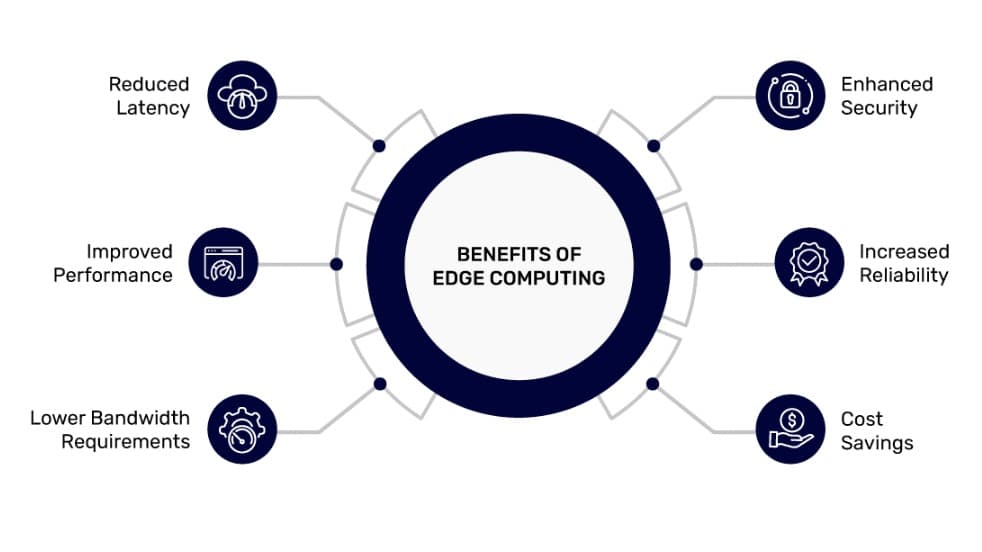
Edge computing is transforming security systems by enabling real-time data processing at the source. By reducing latency, minimizing bandwidth usage, and enabling faster decision-making, edge-based security solutions enhance surveillance efficiency, improve threat response, and support scalable, intelligent security infrastructure across modern enterprises and critical environments.