


Modern supply chains rely on extensive third-party networks, making organizations increasingly vulnerable to security breaches beyond their direct control. End-to-end supply chain security focuses on visibility, risk governance, and coordinated protection across vendors, logistics partners, and digital platforms to ensure resilience and operational continuity.
Supply chains today are complex, globally distributed ecosystems that support almost every sector of the economy. Organizations depend on a wide network of suppliers, manufacturers, logistics providers, service partners, and technology vendors to deliver products and services efficiently. While this interconnected structure improves agility and scalability, it also introduces significant security challenges that extend far beyond the organization’s immediate control.
In recent years, supply chain disruptions have highlighted how security weaknesses at one point can have cascading effects across entire industries. Physical theft during transportation, cyberattacks on software vendors, counterfeit components entering production lines, and insider threats within partner organizations have all demonstrated the vulnerabilities inherent in modern supply chains. As a result, supply chain security has become a strategic concern for senior leadership rather than a purely operational issue.
End-to-end supply chain security begins with comprehensive visibility. Organizations must understand who their suppliers are, what services they provide, and how critical they are to business operations. This includes not only direct suppliers but also subcontractors and downstream partners. Without this visibility, organizations cannot effectively assess risk or implement appropriate controls.
Risk assessment is a central element of supply chain security. Each vendor and partner introduces a different level of risk based on factors such as access to systems, proximity to critical assets, geographic location, and regulatory environment. Structured risk assessments help organizations prioritize resources and focus on high-risk relationships. These assessments should be reviewed regularly, as supplier risk profiles can change over time.
Physical security plays a vital role in protecting supply chain assets. Warehouses, manufacturing plants, distribution centers, and transportation routes are vulnerable to theft, sabotage, and unauthorized access. Access control systems, surveillance, asset tracking, and secure transportation protocols help mitigate these risks. Ensuring that partners maintain comparable physical security standards is equally important.
Digital supply chain security has become increasingly critical as operations rely on interconnected IT systems. Enterprise resource planning platforms, logistics management software, and cloud-based collaboration tools are attractive targets for cybercriminals. A breach in a third-party system can provide attackers with access to sensitive data or operational controls. Strong cybersecurity requirements, network segmentation, and continuous monitoring help reduce these risks.
Vendor governance frameworks are essential to enforcing security expectations. Security requirements should be clearly defined in contracts, service-level agreements, and onboarding processes. Regular audits, compliance reviews, and security questionnaires ensure that partners maintain acceptable standards. Collaboration and communication foster a shared understanding of security responsibilities rather than an adversarial relationship.
Technology is playing an increasingly important role in strengthening supply chain security. IoT sensors track shipments in real time, providing visibility into location, temperature, and tampering. Blockchain technology enhances traceability and reduces the risk of counterfeit goods. Advanced analytics identify anomalies in logistics patterns that may indicate theft or disruption. However, technology must be supported by human oversight and robust processes.
Incident response planning is another critical aspect of end-to-end supply chain security. Organizations must be prepared to respond quickly when a partner experiences a security incident. Defined escalation procedures, communication protocols, and contingency plans minimize downtime and limit impact. Regular exercises help ensure readiness across internal teams and external partners.
Regulatory compliance adds another layer of complexity. Many industries face strict requirements related to data protection, product integrity, and operational resilience. Supply chain security programs must align with these regulations and provide evidence of compliance. Failure to do so can result in penalties and loss of market access.
As global supply chains continue to evolve amid geopolitical uncertainty and digital transformation, security must be embedded into every stage of the supply chain lifecycle. End-to-end supply chain security is not about eliminating risk entirely, but about understanding, managing, and reducing it to acceptable levels. Organizations that take a proactive and integrated approach will be better equipped to maintain continuity, protect their reputation, and build long-term resilience.
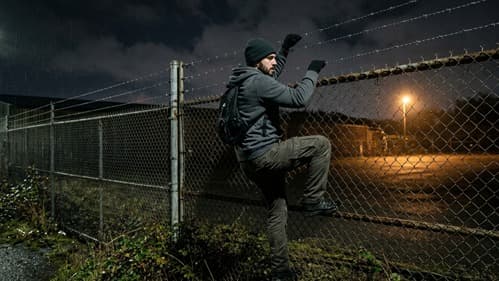
Electric fencing strengthens perimeter security by deterring unauthorized access, detecting intrusion attempts, and integrating with CCTV, alarms, and security teams to create a proactive, layered defense system.
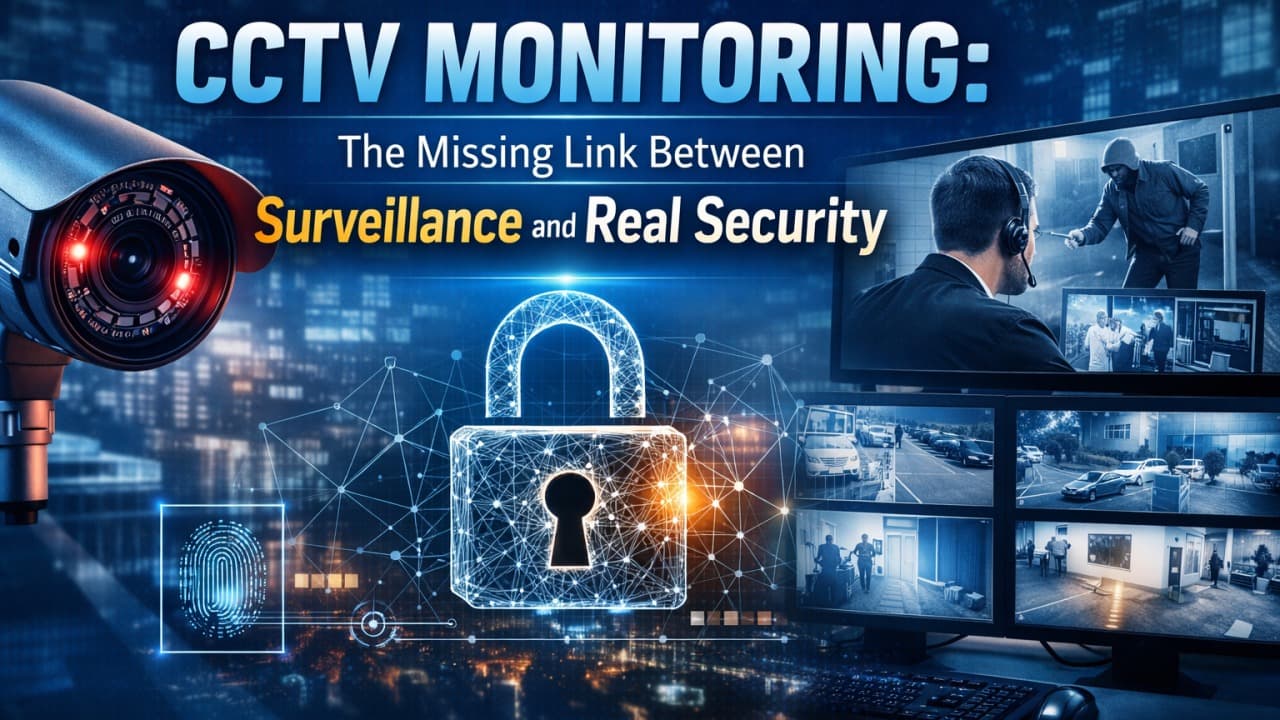
CCTV surveillance is a critical component of modern security systems, providing real-time monitoring, deterrence, and evidence collection. When properly planned and maintained, CCTV helps prevent unauthorized access, detect suspicious activity, and support investigations. However, effectiveness depends on camera placement, monitoring quality, system integration, and regular maintenance.
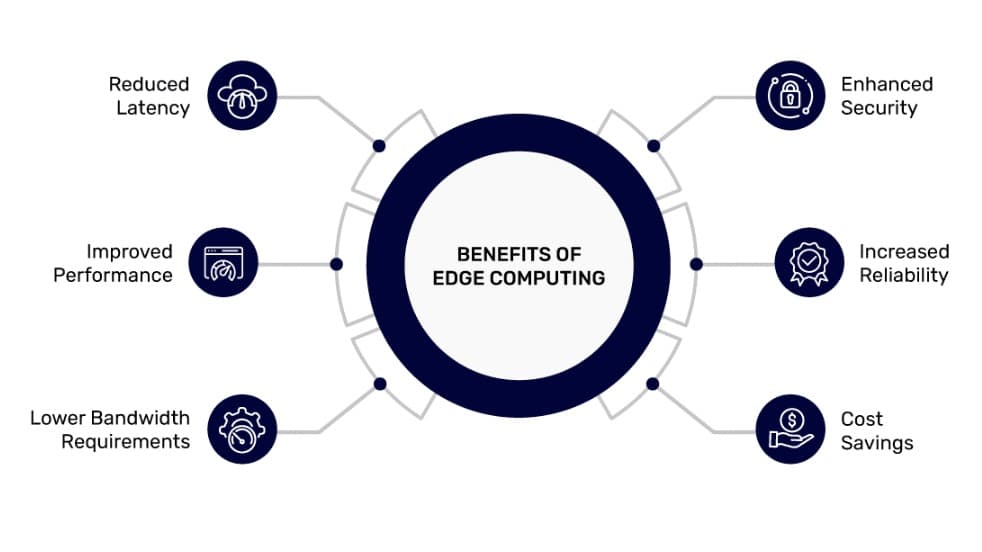
Edge computing is transforming security systems by enabling real-time data processing at the source. By reducing latency, minimizing bandwidth usage, and enabling faster decision-making, edge-based security solutions enhance surveillance efficiency, improve threat response, and support scalable, intelligent security infrastructure across modern enterprises and critical environments.