


As India accelerates toward electric mobility, securing EV charging infrastructure has become critical. From data theft and cyberattacks to equipment tampering and fire risks, EV charging networks face emerging threats. Robust cybersecurity, physical protection, and smart system design are essential to ensure safe, reliable, and resilient electric vehicle operations.

The Electric Vehicle (EV) revolution is reshaping global transportation and India is rapidly catching up. With government initiatives such as the FAME II scheme and the National Electric Mobility Mission, the nation is witnessing an unprecedented rise in EV adoption. However, as this transformation unfolds, a less-discussed but equally vital issue has emerged: security in electric vehicle charging infrastructure. Protecting charging stations, networks, and users from physical and cyber threats is crucial for building trust, ensuring operational continuity, and enabling a smooth transition toward sustainable mobility.
The EV ecosystem operates at the intersection of energy, information technology, and transportation, making it highly interconnected and therefore vulnerable to diverse threats. Modern charging stations are not just power outlets they are smart digital nodes equipped with software, sensors, and network connectivity to process transactions, communicate with vehicles, and share data with utilities. This convergence of physical and digital systems exposes charging infrastructure to a new class of risks that go beyond traditional safety concerns.
One of the most significant threats to EV infrastructure is cybersecurity. Public charging networks often rely on cloud-based platforms and mobile apps for user authentication, billing, and data exchange. A cyberattack on these systems could compromise sensitive user data, disrupt charging operations, or even manipulate energy flow. In 2022, several international incidents revealed how hackers could exploit vulnerabilities in connected charging stations to launch distributed Denial-Of-Service (DDoS) attacks or access customer payment information. As India scales up its EV charging network, securing these systems from cyber intrusions becomes paramount.
Beyond data breaches, unauthorized access and malware infiltration are growing risks. EV chargers often use embedded operating systems that, if not regularly updated, can be exploited through outdated firmware. Attackers could potentially disable charging stations or manipulate charging rates, creating both financial and operational chaos. To counter this, manufacturers and operators must implement end-to-end encryption, secure firmware updates, and multi-factor authentication for system access. The adoption of standardized security protocols, such as ISO 15118 and OCPP 2.0.1, ensures encrypted communication between vehicles, chargers, and back-end servers.
Physical security also plays a vital role in safeguarding EV infrastructure. Charging stations, especially those located in public areas, are susceptible to vandalism, theft, and tampering. Exposed cables and connectors can be damaged or stolen, leading to costly downtime and potential safety hazards. To mitigate this, site design must incorporate CCTV surveillance, tamper-proof enclosures, and access-controlled maintenance cabinets. Integrating physical and digital security for instance, using AI-powered video analytics to detect suspicious behavior can provide real-time alerts to operators and law enforcement.
An equally pressing concern is electrical and fire safety at charging stations. EV chargers handle high-voltage power, and improper installation or overloading can cause overheating, short circuits, or even fires. As the number of fast chargers increases across India, ensuring compliance with Bureau of Indian Standards (BIS) and Central Electricity Authority (CEA) guidelines is essential. Regular inspection, preventive maintenance, and the use of certified components can significantly reduce fire and shock hazards. Advanced systems equipped with temperature sensors, thermal cutoffs, and automatic isolation mechanisms are now being deployed to prevent accidents before they escalate.
User safety and data privacy form another crucial layer of EV infrastructure protection. Charging platforms collect vast amounts of user information, including location data, payment details, and vehicle usage patterns. Without proper data governance, this information could be exploited for identity theft or surveillance. Operators must adhere to India’s Digital Personal Data Protection Act (DPDPA) by ensuring transparency, consent, and secure data handling. Moreover, implementing anonymization and tokenization can protect user privacy while still enabling system analytics and billing functions.
As India expands its EV network, grid security is also coming under the spotlight. Large-scale deployment of EV chargers can stress local electrical grids, especially during peak hours. Smart grid integration allows charging infrastructure to communicate with utilities, balancing demand and supply in real time. However, this interconnection also introduces potential attack vectors. A cyberattack on the grid-vehicle interface could disrupt power distribution, leading to cascading failures. To prevent this, utilities and EV operators must adopt network segmentation, firewalls, and AI-driven anomaly detection systems to isolate threats before they spread.
Interoperability and standardization are essential for maintaining secure communication between diverse EV charging systems. India’s charging landscape is fragmented, with multiple vendors, protocols, and hardware types coexisting. Without a common security framework, inconsistencies can create vulnerabilities. The government, in collaboration with organizations such as the Bureau of Energy Efficiency (BEE) and Automotive Research Association of India (ARAI), is working toward establishing robust standards for both hardware safety and data security. These efforts aim to ensure that every charging station, regardless of brand, adheres to uniform protection measures.
Artificial Intelligence (AI) and Machine Learning (ML) are emerging as key enablers of secure EV infrastructure. AI can monitor network activity, identify unusual patterns, and predict maintenance needs before faults occur. For instance, AI algorithms can detect unauthorized access attempts or sudden power fluctuations that may indicate tampering. Integrating AI with Internet of Things (IoT) sensors creates a proactive security ecosystem where potential threats are addressed automatically minimizing downtime and enhancing operational reliability.
In addition to technology, policy and awareness are crucial in strengthening EV infrastructure security. Operators, technicians, and end-users must be trained to recognize risks such as fake charging apps, phishing attempts, or unsafe charging practices. Governments and industry associations can promote cyber hygiene campaigns and certification programs to ensure consistent knowledge across stakeholders. Moreover, establishing incident response frameworks detailing steps to contain, investigate, and report security breaches will enhance resilience across the EV ecosystem.
Public-Private Partnerships (PPPs) are vital for securing India’s growing EV network. Collaborations between government bodies, telecom operators, and private energy companies can lead to the development of integrated safety and security frameworks. Pilot projects incorporating advanced monitoring, remote diagnostics, and block chain-based transaction systems are already underway in select Indian cities. These innovations not only strengthen trust but also demonstrate India’s readiness for a sustainable and secure mobility future.
Looking ahead, the security of EV infrastructure will depend on continuous innovation and vigilance. As charging networks expand into highways, residential complexes, and workplaces, maintaining consistent standards and real-time protection will be key. The integration of quantum encryption, edge computing, and 5G connectivity promises even stronger defenses against emerging cyber and physical threats. Ultimately, securing EV infrastructure isn’t just about technology it’s about ensuring that the promise of green mobility remains safe, reliable, and trusted for every user.
In conclusion, as India steers toward a cleaner and electrified transportation future, security must evolve alongside sustainability. Protecting EV charging networks from physical tampering, cyberattacks, and electrical hazards is essential to safeguard both users and infrastructure investments. By embracing advanced security protocols, intelligent monitoring, and regulatory compliance, India can pave the way for an EV ecosystem that’s not just smart but secure by design.

Electric fencing strengthens perimeter security by deterring unauthorized access, detecting intrusion attempts, and integrating with CCTV, alarms, and security teams to create a proactive, layered defense system.

CCTV surveillance is a critical component of modern security systems, providing real-time monitoring, deterrence, and evidence collection. When properly planned and maintained, CCTV helps prevent unauthorized access, detect suspicious activity, and support investigations. However, effectiveness depends on camera placement, monitoring quality, system integration, and regular maintenance.
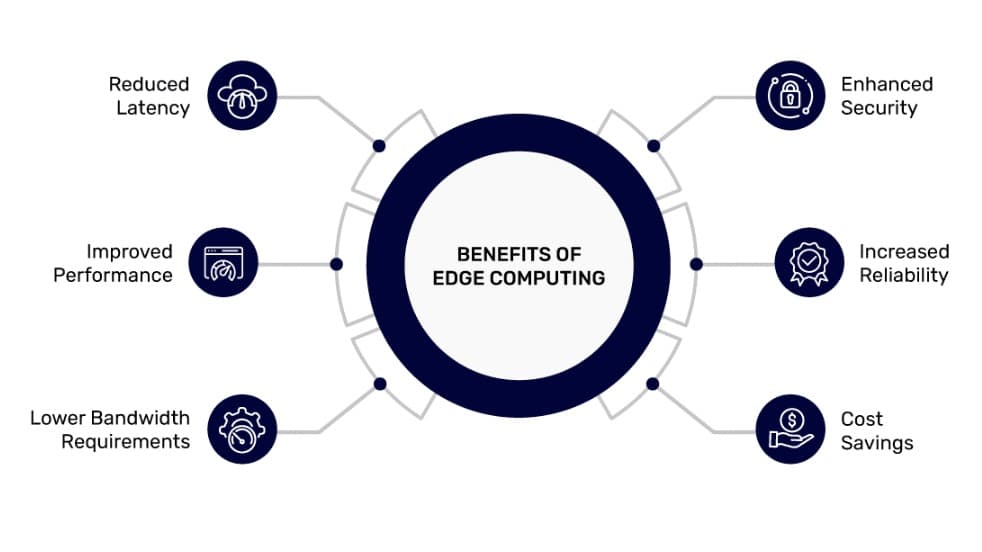
Edge computing is transforming security systems by enabling real-time data processing at the source. By reducing latency, minimizing bandwidth usage, and enabling faster decision-making, edge-based security solutions enhance surveillance efficiency, improve threat response, and support scalable, intelligent security infrastructure across modern enterprises and critical environments.